Escritor
Philip Pullman
1946 - presente
ES.WIKIPEDIA PAGE VIEWS (PV)
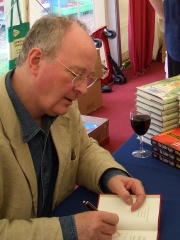

 Philip Pullman
Su biografía está disponible en 68 idiomas en Wikipedia (aumentó de 67 en 2024). Philip Pullman ocupa el puesto 982 entre los escritor más populares (bajó del puesto 871 en 2024), el puesto 918 entre las biografías más populares de Reino Unido (bajó del puesto 661 en 2019) y el puesto 99 entre los escritor del reino unido más populares.
Memorability Metrics
490k
Page Views
Past 12 months
68.28
HPI
Historical Popularity Index
Page views of Philip Pullman by language
Among Escritors
Among escritors, Philip Pullman ranks 982 out of 7,302. Before him are Hélène Cixous, Avienus, Sin Saimdang, Victorien Sardou, Bruce Chatwin, and Heinrich Kramer. After him are Basava, George of Pisidia, George Gissing, Lawrence Durrell, Taha Hussein, and Jacques Hébert.
Most Popular Escritors in Wikipedia
Go to all Rankings
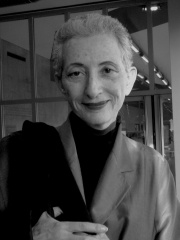
Hélène Cixous
1937 - Present
HPI: 68.36
Rank: 976

Avienus
305 - 375
HPI: 68.35
Rank: 977
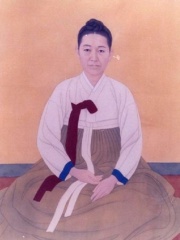
Sin Saimdang
1504 - 1551
HPI: 68.33
Rank: 978
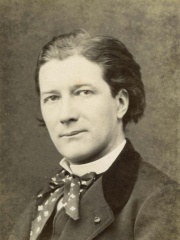
Victorien Sardou
1831 - 1908
HPI: 68.28
Rank: 979
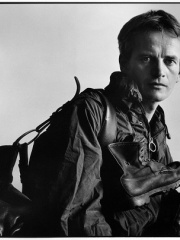
Bruce Chatwin
1940 - 1989
HPI: 68.28
Rank: 980

Heinrich Kramer
1430 - 1505
HPI: 68.28
Rank: 981
Philip Pullman
1946 - Present
HPI: 68.28
Rank: 982
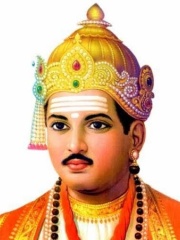
Basava
1134 - 1196
HPI: 68.27
Rank: 983

George of Pisidia
580 - 634
HPI: 68.27
Rank: 984
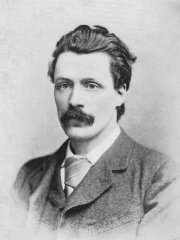
George Gissing
1857 - 1903
HPI: 68.26
Rank: 985
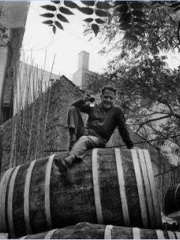
Lawrence Durrell
1912 - 1990
HPI: 68.26
Rank: 986
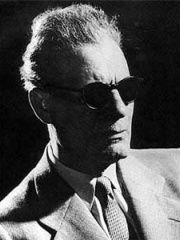
Taha Hussein
1889 - 1973
HPI: 68.25
Rank: 987
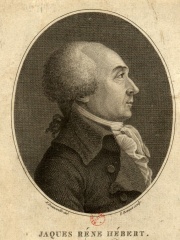
Jacques Hébert
1757 - 1794
HPI: 68.25
Rank: 988

Contemporaries
Among people born in 1946, Philip Pullman ranks 107. Before him are Frank Marshall, Lasse Hallström, Ismaïl Omar Guelleh, Jochen Mass, John Paul Jones, and Steve Biko. After him are John Heard, Jean Todt, Robert Reich, Stan Smith, Howard Shore, and Htin Kyaw.
Others Born in 1946
Go to all Rankings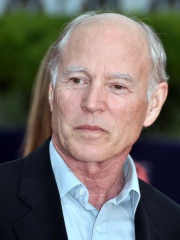
Frank Marshall
ACTOR
1946 - Present
HPI: 68.67
Rank: 101
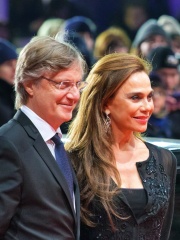
Lasse Hallström
FILM DIRECTOR
1946 - Present
HPI: 68.66
Rank: 102
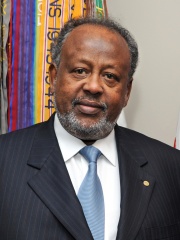
Ismaïl Omar Guelleh
POLITICIAN
1946 - Present
HPI: 68.60
Rank: 103
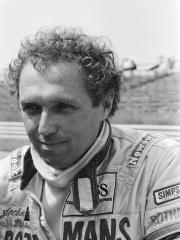
Jochen Mass
RACING DRIVER
1946 - 2025
HPI: 68.56
Rank: 104
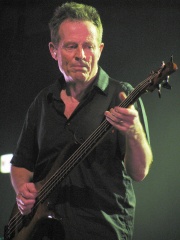
John Paul Jones
MUSICIAN
1946 - Present
HPI: 68.56
Rank: 105
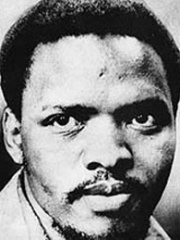
Steve Biko
SOCIAL ACTIVIST
1946 - 1977
HPI: 68.30
Rank: 106
Philip Pullman
WRITER
1946 - Present
HPI: 68.28
Rank: 107
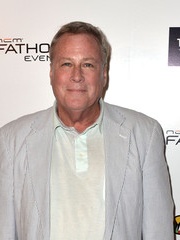
John Heard
ACTOR
1946 - 2017
HPI: 68.19
Rank: 108
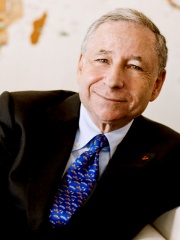
Jean Todt
RACING DRIVER
1946 - Present
HPI: 68.02
Rank: 109
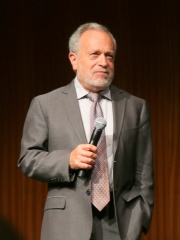
Robert Reich
ECONOMIST
1946 - Present
HPI: 67.99
Rank: 110

Stan Smith
TENNIS PLAYER
1946 - Present
HPI: 67.97
Rank: 111
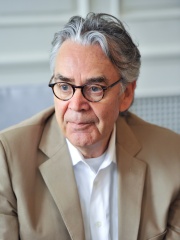
Howard Shore
COMPOSER
1946 - Present
HPI: 67.95
Rank: 112
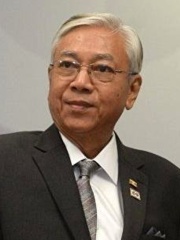
Htin Kyaw
POLITICIAN
1946 - Present
HPI: 67.94
Rank: 113
In Reino Unido
Among people born in Reino Unido, Philip Pullman ranks 918 out of NaN. Before him are Peter Mansfield (1933), Eric Drummond, 7th Earl of Perth (1876), William Huggins (1824), Louise of Great Britain (1724), Christian Bale (1974), and Bruce Chatwin (1940). After him are Henry Grey, 1st Duke of Suffolk (1517), David A. Stewart (1952), George Gissing (1857), Ronnie Wood (1947), Prince George, Duke of Kent (1902), and George Smith (1840).
Others born in Reino Unido
Go to all Rankings
Peter Mansfield
PHYSICIST
1933 - 2017
HPI: 68.29
Rank: 912
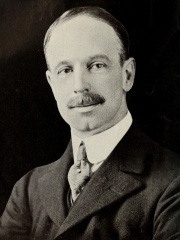
Eric Drummond, 7th Earl of Perth
POLITICIAN
1876 - 1951
HPI: 68.29
Rank: 913
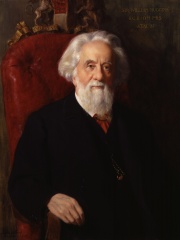
William Huggins
ASTRONOMER
1824 - 1910
HPI: 68.29
Rank: 914
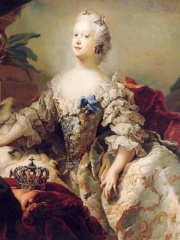
Louise of Great Britain
COMPANION
1724 - 1751
HPI: 68.29
Rank: 915
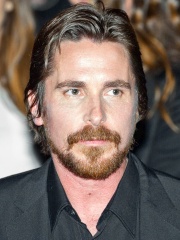
Christian Bale
ACTOR
1974 - Present
HPI: 68.28
Rank: 916
Bruce Chatwin
WRITER
1940 - 1989
HPI: 68.28
Rank: 917
Philip Pullman
WRITER
1946 - Present
HPI: 68.28
Rank: 918
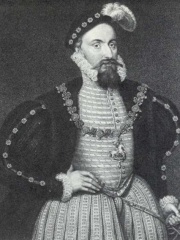
Henry Grey, 1st Duke of Suffolk
POLITICIAN
1517 - 1554
HPI: 68.26
Rank: 919
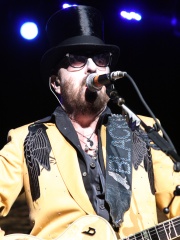
David A. Stewart
MUSICIAN
1952 - Present
HPI: 68.26
Rank: 920
George Gissing
WRITER
1857 - 1903
HPI: 68.26
Rank: 921
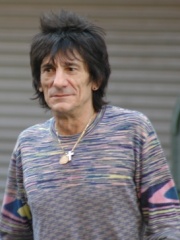
Ronnie Wood
MUSICIAN
1947 - Present
HPI: 68.25
Rank: 922
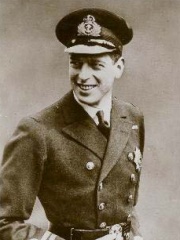
Prince George, Duke of Kent
POLITICIAN
1902 - 1942
HPI: 68.24
Rank: 923
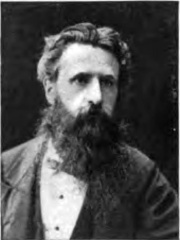
George Smith
ARCHAEOLOGIST
1840 - 1876
HPI: 68.23
Rank: 924
Among Escritors In Reino Unido
Among escritors born in Reino Unido, Philip Pullman ranks 99. Before him are Edward Plunkett, 18th Baron of Dunsany (1878), Alfred, Lord Tennyson (1809), David Irving (1938), Percy Fawcett (1867), Samuel Butler (1612), and Bruce Chatwin (1940). After him are George Gissing (1857), E. M. Forster (1879), Ann Radcliffe (1764), John Fowles (1926), Thomas Malory (1405), and Edmund Spenser (1552).
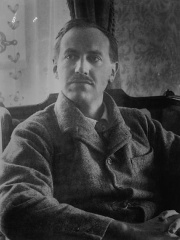
Edward Plunkett, 18th Baron of Dunsany
1878 - 1957
HPI: 68.56
Rank: 93
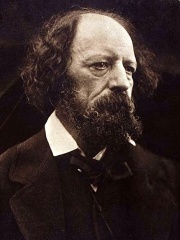
Alfred, Lord Tennyson
1809 - 1892
HPI: 68.54
Rank: 94
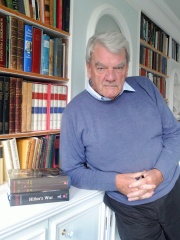
David Irving
1938 - Present
HPI: 68.54
Rank: 95
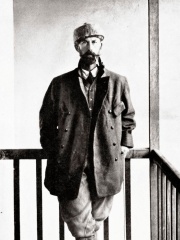
Percy Fawcett
1867 - 1925
HPI: 68.49
Rank: 96
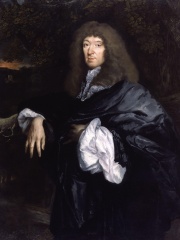
Samuel Butler
1612 - 1680
HPI: 68.47
Rank: 97
Bruce Chatwin
1940 - 1989
HPI: 68.28
Rank: 98
Philip Pullman
1946 - Present
HPI: 68.28
Rank: 99
George Gissing
1857 - 1903
HPI: 68.26
Rank: 100
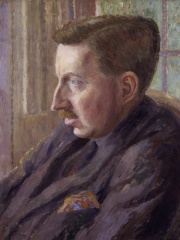
E. M. Forster
1879 - 1970
HPI: 68.14
Rank: 101
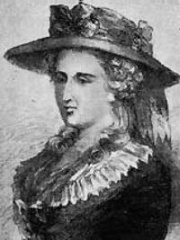
Ann Radcliffe
1764 - 1823
HPI: 68.01
Rank: 102
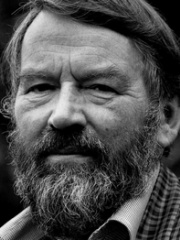
John Fowles
1926 - 2005
HPI: 68.01
Rank: 103
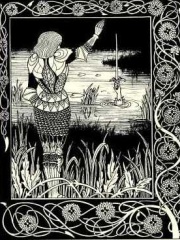
Thomas Malory
1405 - 1471
HPI: 67.91
Rank: 104
Edmund Spenser
1552 - 1599
HPI: 67.90
Rank: 105




