Figura religiosa
Juan Crisóstomo
349 - 407
VISITAS EN ES.WIKIPEDIA (PV)
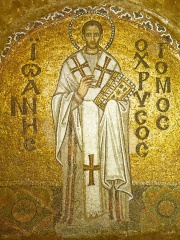
 Juan Crisóstomo
Su biografía está disponible en 72 idiomas en Wikipedia (aumentó de 71 en 2024). Juan Crisóstomo ocupa el puesto 159 entre los figura religiosa más populares (bajó del puesto 71 en 2024), el puesto 49 entre las biografías más populares de Turquía (bajó del puesto 35 en 2019) y el puesto 8 entre los figura religiosa de turquía más populares.
Métricas de memorabilidad
630k
Visitas
Últimos 12 meses
81.25
HPI
Índice de Popularidad Histórica
Visitas a la página de Juan Crisóstomo por idioma
Entre Figura religiosa
Entre Figura religiosa, Juan Crisóstomo ocupa el puesto 159 de 3,187. Antes de él están Pope Innocent VI, Philip the Apostle, Pope-elect Stephen, Bartholomew I of Constantinople, Ambrose, y Pope Innocent XIII. Después de él están Esther, Albertus Magnus, Hasan ibn Ali, Arius, Pope Anacletus, y Pope Gregory IX.
Figura religiosa más populares en Wikipedia
Ver todas las clasificaciones
Pope Innocent VI
1282 - 1362
HPI: 81.33
Puesto: 153
Philip the Apostle
5 - 80
HPI: 81.30
Puesto: 154
Pope-elect Stephen
700 - 752
HPI: 81.28
Puesto: 155
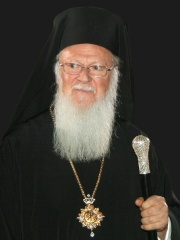
Bartholomew I of Constantinople
1940 - presente
HPI: 81.27
Puesto: 156
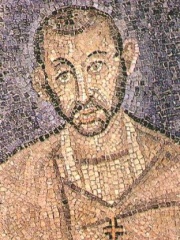
Ambrose
340 - 397
HPI: 81.26
Puesto: 157
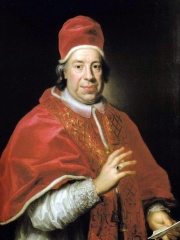
Pope Innocent XIII
1655 - 1724
HPI: 81.26
Puesto: 158
John Chrysostom
349 - 407
HPI: 81.25
Puesto: 159
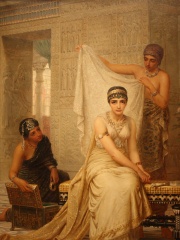
Esther
600 BC - 500 BC
HPI: 81.25
Puesto: 160
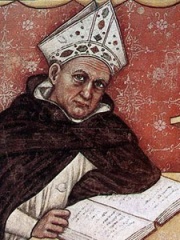
Albertus Magnus
1206 - 1280
HPI: 81.25
Puesto: 161

Hasan ibn Ali
624 - 670
HPI: 81.21
Puesto: 162
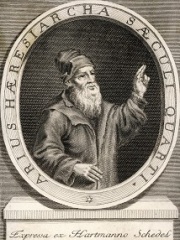
Arius
256 - 336
HPI: 81.19
Puesto: 163
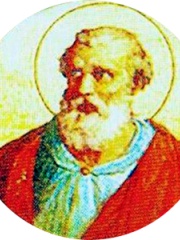
Pope Anacletus
1 - 92
HPI: 81.15
Puesto: 164
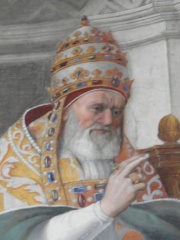
Pope Gregory IX
1160 - 1241
HPI: 81.10
Puesto: 165

Contemporáneos
Entre las personas nacidas en 349, Juan Crisóstomo ocupa el puesto 1. Después de él está Eunapius. Entre las personas fallecidas en 407, Juan Crisóstomo ocupa el puesto 1. Después de él están Moses the Black, Gjúki, Chromatius, Maria, Gratian, y Marcus.
Otras personas nacidas en 349
Ver todas las clasificacionesJohn Chrysostom
RELIGIOUS FIGURE
349 - 407
HPI: 81.25
Puesto: 1

Eunapius
HISTORIAN
349 - 420
HPI: 66.64
Puesto: 2
Otras personas fallecidas en 407
Ver todas las clasificacionesJohn Chrysostom
RELIGIOUS FIGURE
349 - 407
HPI: 81.25
Puesto: 1
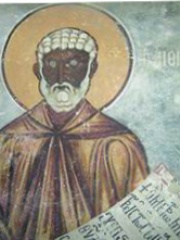
Moses the Black
RELIGIOUS FIGURE
332 - 407
HPI: 73.05
Puesto: 2

Gjúki
POLITICIAN
400 - 407
HPI: 62.87
Puesto: 3
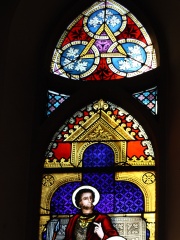
Chromatius
RELIGIOUS FIGURE
335 - 407
HPI: 61.10
Puesto: 4
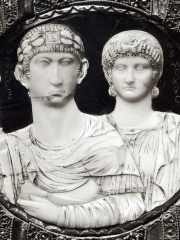
Maria
POLITICIAN
385 - 407
HPI: 59.18
Puesto: 5

Gratian
POLITICIAN
360 - 407
HPI: 59.07
Puesto: 6

Marcus
POLITICIAN
400 - 407
HPI: 58.63
Puesto: 7
En Turquía
Entre las personas nacidas en Turquía, Juan Crisóstomo ocupa el puesto 49 de NaN. Antes de él están Mimar Sinan (1490), Mihrimah Sultan (1522), Epictetus (50), Constantine XI Palaiologos (1404), Nasreddin (1208), y Bartholomew I of Constantinople (1940). Después de él están Alp Arslan (1029), Şehzade Mustafa (1515), Xenophanes (-570), Mehmed VI (1861), Zoë Porphyrogenita (978), y Ammianus Marcellinus (330).
Otras personas nacidas en Turquía
Ver todas las clasificaciones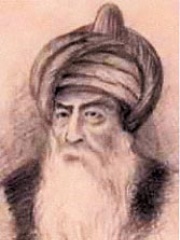
Mimar Sinan
ARCHITECT
1490 - 1588
HPI: 81.67
Puesto: 43
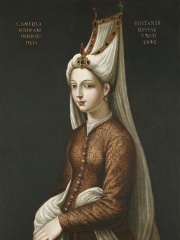
Mihrimah Sultan
COMPANION
1522 - 1578
HPI: 81.60
Puesto: 44
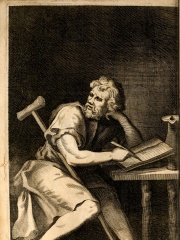
Epictetus
PHILOSOPHER
50 - 135
HPI: 81.53
Puesto: 45
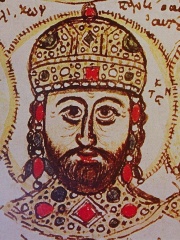
Constantine XI Palaiologos
POLITICIAN
1404 - 1453
HPI: 81.38
Puesto: 46
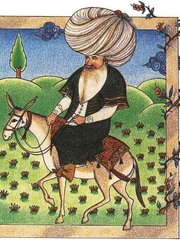
Nasreddin
COMEDIAN
1208 - 1284
HPI: 81.31
Puesto: 47
Bartholomew I of Constantinople
RELIGIOUS FIGURE
1940 - presente
HPI: 81.27
Puesto: 48
John Chrysostom
RELIGIOUS FIGURE
349 - 407
HPI: 81.25
Puesto: 49
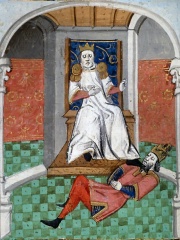
Alp Arslan
POLITICIAN
1029 - 1072
HPI: 81.18
Puesto: 50
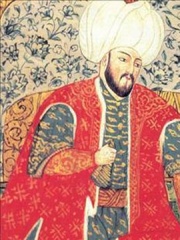
Şehzade Mustafa
POLITICIAN
1515 - 1553
HPI: 80.98
Puesto: 51
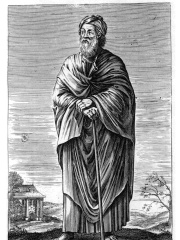
Xenophanes
PHILOSOPHER
570 BC - 475 BC
HPI: 80.90
Puesto: 52
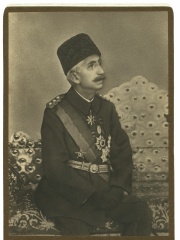
Mehmed VI
POLITICIAN
1861 - 1926
HPI: 80.90
Puesto: 53
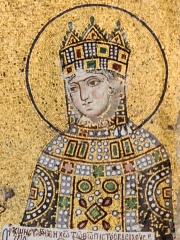
Zoë Porphyrogenita
POLITICIAN
978 - 1050
HPI: 80.62
Puesto: 54
Ammianus Marcellinus
WRITER
330 - 395
HPI: 80.61
Puesto: 55
Entre Figura religiosa en Turquía
Entre Figura religiosa nacidos en Turquía, Juan Crisóstomo ocupa el puesto 8. Antes de él están Saint Nicholas (270), Saint George (280), Saint Barbara (300), Luke the Evangelist (31), Saint Timothy (17), y Bartholomew I of Constantinople (1940). Después de él están Margaret the Virgin (292), Saint Blaise (300), Michael I Cerularius (1005), Saint Pantaleon (275), Ephrem the Syrian (306), y Ulfilas (311).
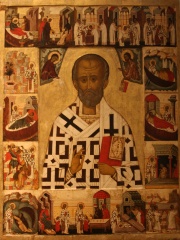
Saint Nicholas
270 - 342
HPI: 88.17
Puesto: 2
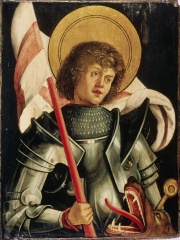
Saint George
280 - 303
HPI: 87.57
Puesto: 3
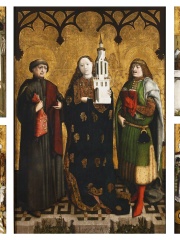
Saint Barbara
300 - 306
HPI: 84.23
Puesto: 4
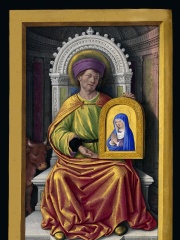
Luke the Evangelist
31 - 84
HPI: 82.11
Puesto: 5
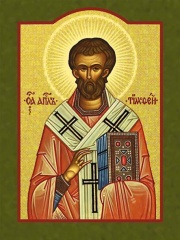
Saint Timothy
17 - 97
HPI: 81.91
Puesto: 6
Bartholomew I of Constantinople
1940 - presente
HPI: 81.27
Puesto: 7
John Chrysostom
349 - 407
HPI: 81.25
Puesto: 8
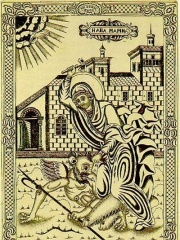
Margaret the Virgin
292 - 307
HPI: 79.75
Puesto: 9
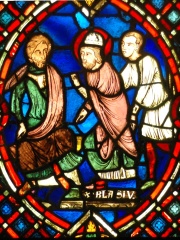
Saint Blaise
300 - 316
HPI: 79.63
Puesto: 10
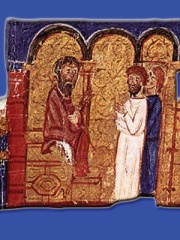
Michael I Cerularius
1005 - 1059
HPI: 77.21
Puesto: 11
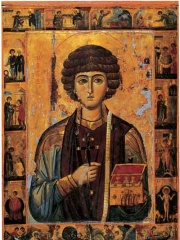
Saint Pantaleon
275 - 303
HPI: 77.11
Puesto: 12
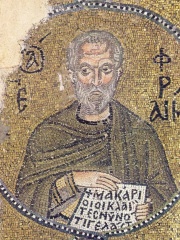
Ephrem the Syrian
306 - 373
HPI: 77.09
Puesto: 13
Ulfilas
311 - 383
HPI: 76.89
Puesto: 14




