Escritor
Baba Tahir
947 - 1032
ES.WIKIPEDIA PAGE VIEWS (PV)
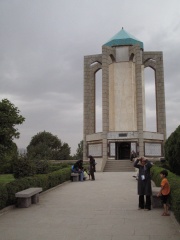
 Baba Tahir
Su biografía está disponible en 29 idiomas en Wikipedia (aumentó de 28 en 2024). Baba Tahir ocupa el puesto 1764 entre los escritor más populares (bajó del puesto 1649 en 2024), el puesto 201 entre las biografías más populares de Irán (bajó del puesto 191 en 2019) y el puesto 20 entre los escritor de irán más populares.
Memorability Metrics
60k
Page Views
Past 12 months
64.12
HPI
Historical Popularity Index
Page views of Baba Tahir by language
Among Escritors
Among escritors, Baba Tahir ranks 1,764 out of 7,302. Before him are Mór Jókai, Adalberon, Antonio Skármeta, Nora Ephron, Minna Canth, and Silvina Ocampo. After him are Shūsaku Endō, Junji Ito, Dominique Venner, Marie Under, R. L. Stine, and Aphra Behn.
Most Popular Escritors in Wikipedia
Go to all Rankings
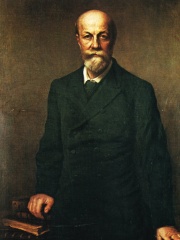
Mór Jókai
1825 - 1904
HPI: 64.14
Rank: 1,758

Adalberon
947 - 1030
HPI: 64.14
Rank: 1,759

Antonio Skármeta
1940 - 2024
HPI: 64.13
Rank: 1,760
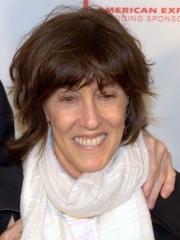
Nora Ephron
1941 - 2012
HPI: 64.13
Rank: 1,761
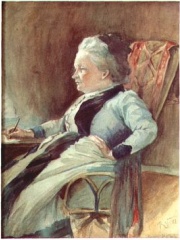
Minna Canth
1844 - 1897
HPI: 64.12
Rank: 1,762
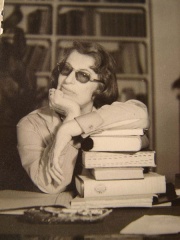
Silvina Ocampo
1903 - 1993
HPI: 64.12
Rank: 1,763
Baba Tahir
947 - 1032
HPI: 64.12
Rank: 1,764
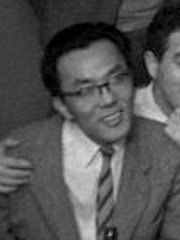
Shūsaku Endō
1923 - 1996
HPI: 64.12
Rank: 1,765

Junji Ito
1963 - Present
HPI: 64.12
Rank: 1,766
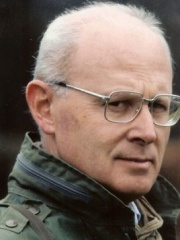
Dominique Venner
1935 - 2013
HPI: 64.11
Rank: 1,767
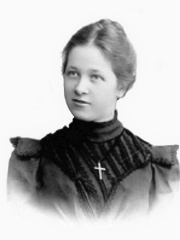
Marie Under
1883 - 1980
HPI: 64.11
Rank: 1,768
R. L. Stine
1943 - Present
HPI: 64.11
Rank: 1,769
Aphra Behn
1640 - 1689
HPI: 64.11
Rank: 1,770

Contemporaries
Among people born in 947, Baba Tahir ranks 4. Before him are Rajaraja I, Al-Qadir, and Adalberon. After him is Ce Acatl Topiltzin. Among people deceased in 1032, Baba Tahir ranks 4. Before him are Pope John XIX, Constance of Arles, and Rudolph III of Burgundy. After him are Constantine Diogenes, Bezprym, Arslan Isra'il, Otto Orseolo, and Pietro Barbolano.
Others Born in 947
Go to all Rankings
Rajaraja I
POLITICIAN
947 - 1014
HPI: 68.37
Rank: 1
Al-Qadir
POLITICIAN
947 - 1031
HPI: 65.79
Rank: 2
Adalberon
WRITER
947 - 1030
HPI: 64.14
Rank: 3
Baba Tahir
WRITER
947 - 1032
HPI: 64.12
Rank: 4

Ce Acatl Topiltzin
POLITICIAN
947 - Present
HPI: 61.09
Rank: 5
Others Deceased in 1032
Go to all Rankings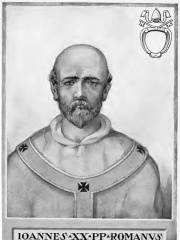
Pope John XIX
RELIGIOUS FIGURE
975 - 1032
HPI: 79.74
Rank: 1
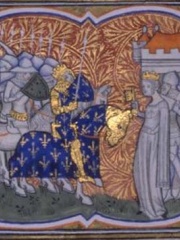
Constance of Arles
COMPANION
974 - 1032
HPI: 66.95
Rank: 2
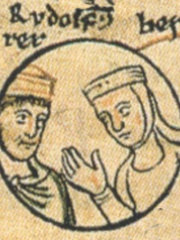
Rudolph III of Burgundy
POLITICIAN
971 - 1032
HPI: 66.66
Rank: 3
Baba Tahir
WRITER
947 - 1032
HPI: 64.12
Rank: 4

Constantine Diogenes
MILITARY PERSONNEL
1000 - 1032
HPI: 63.28
Rank: 5
Bezprym
POLITICIAN
987 - 1032
HPI: 62.85
Rank: 6

Arslan Isra'il
MILITARY PERSONNEL
950 - 1032
HPI: 61.92
Rank: 7

Otto Orseolo
POLITICIAN
992 - 1032
HPI: 61.70
Rank: 8
Pietro Barbolano
POLITICIAN
950 - 1032
HPI: 56.56
Rank: 9
In Irán
Among people born in Irán, Baba Tahir ranks 201 out of NaN. Before him are Simko Shikak (1887), Quli Qutb Shah (1470), Mithridates IV of Parthia (null), Googoosh (1950), Orodes III of Parthia (-100), and Amastrine (-400). After him are Muhammad ibn Ya'qub al-Kulayni (864), Barbet Schroeder (1941), 'Ali ibn al-'Abbas al-Majusi (930), Aga Khan II (1830), Mandane of Media (-584), and Reza Abbasi (1565).
Others born in Irán
Go to all Rankings
Simko Shikak
POLITICIAN
1887 - 1930
HPI: 64.38
Rank: 195
Quli Qutb Shah
POLITICIAN
1470 - 1543
HPI: 64.24
Rank: 196
Mithridates IV of Parthia
POLITICIAN
HPI: 64.23
Rank: 197

Googoosh
SINGER
1950 - Present
HPI: 64.22
Rank: 198
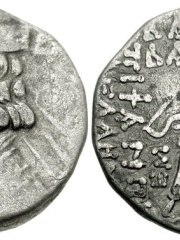
Orodes III of Parthia
POLITICIAN
100 BC - 6
HPI: 64.17
Rank: 199
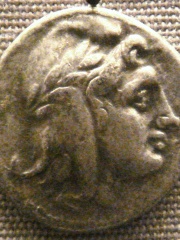
Amastrine
POLITICIAN
400 BC - 284 BC
HPI: 64.17
Rank: 200
Baba Tahir
WRITER
947 - 1032
HPI: 64.12
Rank: 201
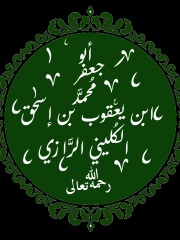
Muhammad ibn Ya'qub al-Kulayni
RELIGIOUS FIGURE
864 - 941
HPI: 64.07
Rank: 202

Barbet Schroeder
FILM DIRECTOR
1941 - Present
HPI: 64.03
Rank: 203

'Ali ibn al-'Abbas al-Majusi
PHYSICIAN
930 - 994
HPI: 63.96
Rank: 204
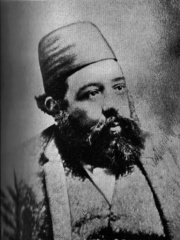
Aga Khan II
RELIGIOUS FIGURE
1830 - 1885
HPI: 63.88
Rank: 205
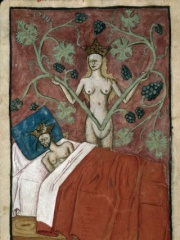
Mandane of Media
POLITICIAN
584 BC - 559 BC
HPI: 63.76
Rank: 206
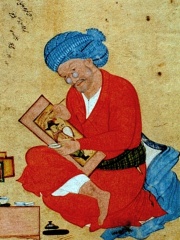
Reza Abbasi
PAINTER
1565 - 1635
HPI: 63.76
Rank: 207
Among Escritors In Irán
Among escritors born in Irán, Baba Tahir ranks 20. Before him are Ali Shariati (1933), Ibn al-Muqaffa' (724), Zahra Khanom Tadj es-Saltaneh (1883), Sharafkhan Bidlisi (1543), Sadegh Hedayat (1903), and Forough Farrokhzad (1935). After him are Azar Nafisi (1955), Hamdallah Mustawfi (1281), Mohammad-Hossein Shahriar (1906), Asadi Tusi (999), Daqiqi (1000), and Badi' al-Zaman al-Hamadani (967).
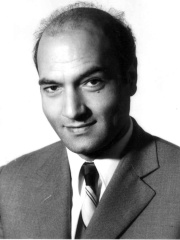
Ali Shariati
1933 - 1977
HPI: 69.15
Rank: 14
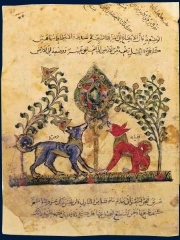
Ibn al-Muqaffa'
724 - 756
HPI: 68.95
Rank: 15
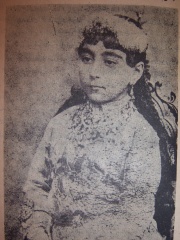
Zahra Khanom Tadj es-Saltaneh
1883 - 1936
HPI: 67.71
Rank: 16
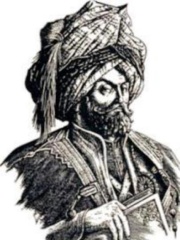
Sharafkhan Bidlisi
1543 - 1603
HPI: 65.66
Rank: 17
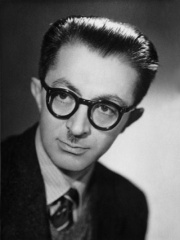
Sadegh Hedayat
1903 - 1951
HPI: 65.47
Rank: 18
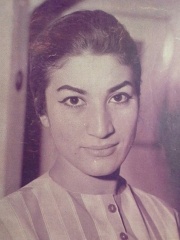
Forough Farrokhzad
1935 - 1967
HPI: 64.95
Rank: 19
Baba Tahir
947 - 1032
HPI: 64.12
Rank: 20
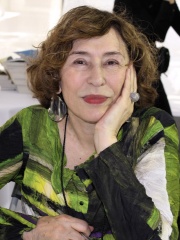
Azar Nafisi
1955 - Present
HPI: 63.48
Rank: 21
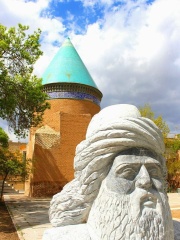
Hamdallah Mustawfi
1281 - 1349
HPI: 63.06
Rank: 22
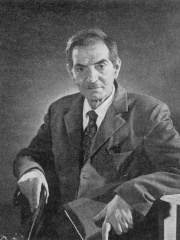
Mohammad-Hossein Shahriar
1906 - 1988
HPI: 62.21
Rank: 23

Asadi Tusi
999 - 1072
HPI: 62.12
Rank: 24

Daqiqi
1000 - 977
HPI: 61.64
Rank: 25
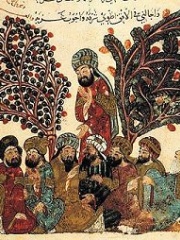
Badi' al-Zaman al-Hamadani
967 - 1007
HPI: 61.34
Rank: 26




