Cyclist
Phil Anderson
Australian cyclist
1958 - today
EN.WIKIPEDIA PAGE VIEWS (PV)

 Phil Anderson
His biography is available in 22 different languages on Wikipedia (up from 21 in 2024). Phil Anderson is the 229th most popular cyclist (up from 300th in 2024), the 4,069th most popular biography from United Kingdom (up from 4,863rd in 2019) and the 6th most popular British Cyclist.
Memorability Metrics
16k
Page Views
Past 12 months
55.38
HPI
Historical Popularity Index
Page views of Phil Anderson by language
Among Cyclists
Among cyclists, Phil Anderson ranks 229 out of 1,613. Before him are Arnaldo Pambianco, Antonio Pesenti, Mathieu van der Poel, Joseph Bruyère, Luigi Marchisio, and Frans Verbeeck. After him are Jean Brankart, Jean Dotto, Louis Chaillot, Roger Swerts, Franco Giorgetti, and Lloyd Hildebrand.
Most Popular Cyclists in Wikipedia
Go to all Rankings
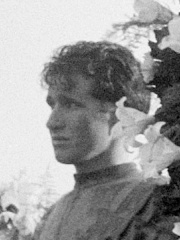
Arnaldo Pambianco
1935 - 2022
HPI: 55.50
Rank: 223
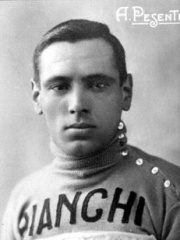
Antonio Pesenti
1908 - 1968
HPI: 55.50
Rank: 224

Mathieu van der Poel
1995 - Present
HPI: 55.45
Rank: 225
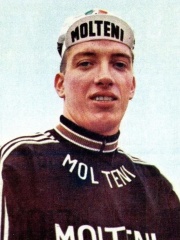
Joseph Bruyère
1948 - Present
HPI: 55.45
Rank: 226
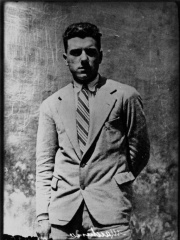
Luigi Marchisio
1909 - 1992
HPI: 55.39
Rank: 227
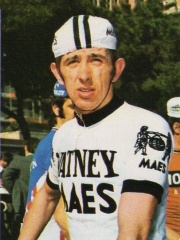
Frans Verbeeck
1941 - Present
HPI: 55.39
Rank: 228
Phil Anderson
1958 - Present
HPI: 55.38
Rank: 229
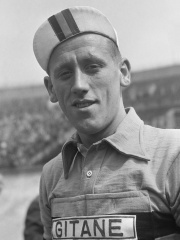
Jean Brankart
1930 - 2020
HPI: 55.37
Rank: 230
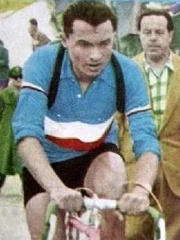
Jean Dotto
1928 - 2000
HPI: 55.33
Rank: 231
Louis Chaillot
1914 - 1998
HPI: 55.32
Rank: 232
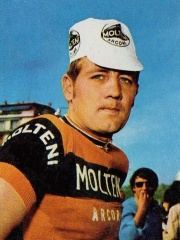
Roger Swerts
1942 - Present
HPI: 55.23
Rank: 233
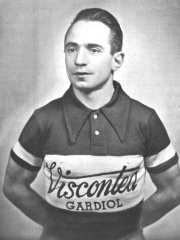
Franco Giorgetti
1902 - 1983
HPI: 55.20
Rank: 234
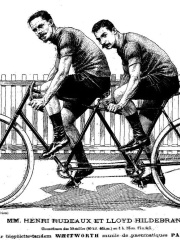
Lloyd Hildebrand
1870 - 1924
HPI: 55.17
Rank: 235

Contemporaries
Among people born in 1958, Phil Anderson ranks 290. Before him are Thomas Hearns, Wendy Makkena, Kevin Curren, Jaime Pacheco, Amanda Bearse, and Deon Meyer. After him are Brent W. Jett Jr., Yuli-Yoel Edelstein, Candace Bushnell, Alexander Nevzorov, Ján Kocian, and Susanna Thompson.
Others Born in 1958
Go to all Rankings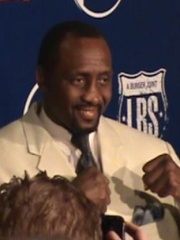
Thomas Hearns
BOXER
1958 - Present
HPI: 55.53
Rank: 284

Wendy Makkena
ACTOR
1958 - Present
HPI: 55.53
Rank: 285
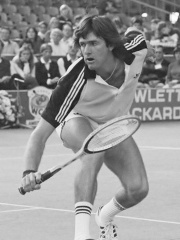
Kevin Curren
TENNIS PLAYER
1958 - Present
HPI: 55.51
Rank: 286

Jaime Pacheco
SOCCER PLAYER
1958 - Present
HPI: 55.47
Rank: 287
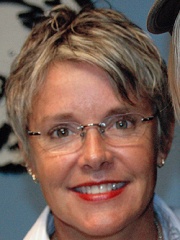
Amanda Bearse
ACTOR
1958 - Present
HPI: 55.43
Rank: 288
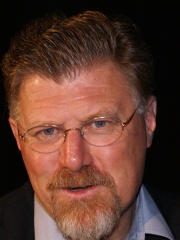
Deon Meyer
WRITER
1958 - Present
HPI: 55.41
Rank: 289
Phil Anderson
CYCLIST
1958 - Present
HPI: 55.38
Rank: 290
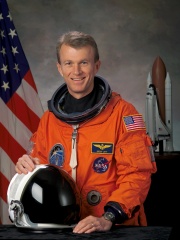
Brent W. Jett Jr.
ASTRONAUT
1958 - Present
HPI: 55.38
Rank: 291

Yuli-Yoel Edelstein
POLITICIAN
1958 - Present
HPI: 55.37
Rank: 292

Candace Bushnell
WRITER
1958 - Present
HPI: 55.36
Rank: 293

Alexander Nevzorov
FILM DIRECTOR
1958 - Present
HPI: 55.35
Rank: 294
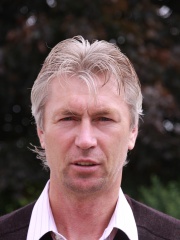
Ján Kocian
SOCCER PLAYER
1958 - Present
HPI: 55.33
Rank: 295
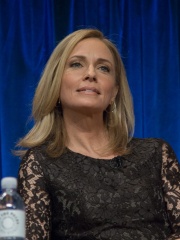
Susanna Thompson
ACTOR
1958 - Present
HPI: 55.33
Rank: 296
In United Kingdom
Among people born in United Kingdom, Phil Anderson ranks 4,069 out of NaN. Before him are George Galloway (1954), Dean Smith (1971), Hugh Edwin Strickland (1811), Robert Douglas (1909), Henrietta Godolphin, 2nd Duchess of Marlborough (1681), and Andrew Planche (1727). After him are Rupert Friend (1981), Dele Alli (1996), Clements Markham (1830), Jay Kay (1969), Stephen Spender (1909), and Kevin McKidd (1973).
Others born in United Kingdom
Go to all Rankings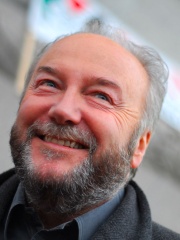
George Galloway
POLITICIAN
1954 - Present
HPI: 55.40
Rank: 4,063
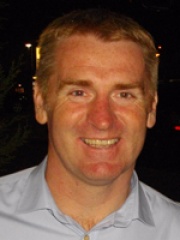
Dean Smith
COACH
1971 - Present
HPI: 55.39
Rank: 4,064
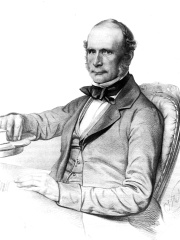
Hugh Edwin Strickland
BIOLOGIST
1811 - 1853
HPI: 55.39
Rank: 4,065
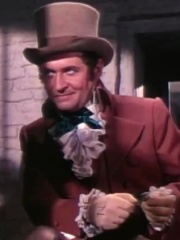
Robert Douglas
ACTOR
1909 - 1999
HPI: 55.39
Rank: 4,066
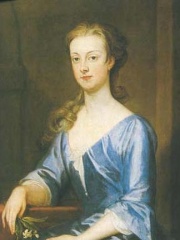
Henrietta Godolphin, 2nd Duchess of Marlborough
POLITICIAN
1681 - 1733
HPI: 55.39
Rank: 4,067

Andrew Planche
BUSINESSPERSON
1727 - 1809
HPI: 55.39
Rank: 4,068
Phil Anderson
CYCLIST
1958 - Present
HPI: 55.38
Rank: 4,069
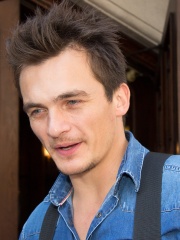
Rupert Friend
ACTOR
1981 - Present
HPI: 55.38
Rank: 4,070

Dele Alli
SOCCER PLAYER
1996 - Present
HPI: 55.38
Rank: 4,071
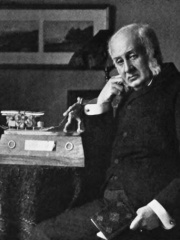
Clements Markham
EXPLORER
1830 - 1916
HPI: 55.37
Rank: 4,072
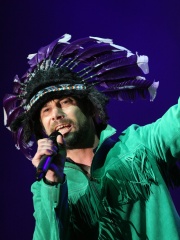
Jay Kay
MUSICIAN
1969 - Present
HPI: 55.37
Rank: 4,073
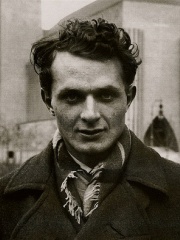
Stephen Spender
WRITER
1909 - 1995
HPI: 55.36
Rank: 4,074

Kevin McKidd
ACTOR
1973 - Present
HPI: 55.36
Rank: 4,075
Among Cyclists In United Kingdom
Among cyclists born in United Kingdom, Phil Anderson ranks 6. Before him are Tom Simpson (1937), Frederick Keeping (1867), Benjamin Jones (1882), Leonard Meredith (1882), and Georges Passerieu (1885). After him are Lloyd Hildebrand (1870), Charles Henry Bartlett (1885), Philippa York (1958), Harry Ryan (1893), Alan Newton (1931), and Gordon Thomas (1921).
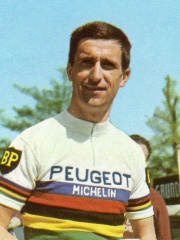
Tom Simpson
1937 - 1967
HPI: 66.06
Rank: 1

Frederick Keeping
1867 - 1950
HPI: 64.72
Rank: 2
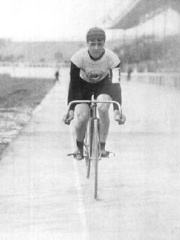
Benjamin Jones
1882 - 1963
HPI: 59.02
Rank: 3
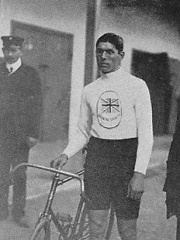
Leonard Meredith
1882 - 1930
HPI: 57.03
Rank: 4
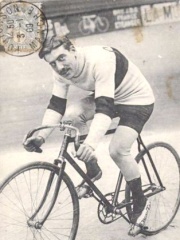
Georges Passerieu
1885 - 1928
HPI: 55.67
Rank: 5
Phil Anderson
1958 - Present
HPI: 55.38
Rank: 6
Lloyd Hildebrand
1870 - 1924
HPI: 55.17
Rank: 7
Charles Henry Bartlett
1885 - 1968
HPI: 55.09
Rank: 8
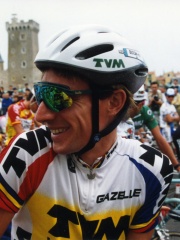
Philippa York
1958 - Present
HPI: 55.09
Rank: 9
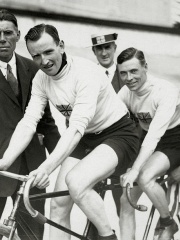
Harry Ryan
1893 - 1961
HPI: 54.88
Rank: 10

Alan Newton
1931 - 2023
HPI: 54.44
Rank: 11
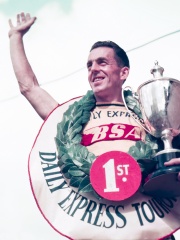
Gordon Thomas
1921 - 2013
HPI: 53.62
Rank: 12




