Politician
Dietmar Bartsch
German politician
1958 - today
EN.WIKIPEDIA PAGE VIEWS (PV)
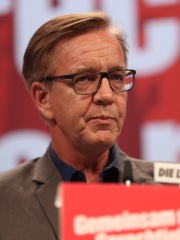

 Dietmar Bartsch
His biography is available in 20 different languages on Wikipedia. Dietmar Bartsch is the 16,219th most popular politician (down from 16,193rd in 2024), the 5,207th most popular biography from Germany (up from 5,297th in 2019) and the 1,243rd most popular German Politician.
Memorability Metrics
53k
Page Views
Past 12 months
53.81
HPI
Historical Popularity Index
Page views of Dietmar Bartsch by language
Among Politicians
Among politicians, Dietmar Bartsch ranks 16,212 out of 19,576. Before him are John W. Snow, Miina Sillanpää, Pantaleon, Ylva Johansson, Marielle de Sarnez, and Robert Hue. After him are Bob Menendez, Panagiotis Poulitsas, Teoctist Arăpașu, Gijsbert van Tienhoven, Michael Hayden, and Igor Plotnitsky.
Most Popular Politicians in Wikipedia
Go to all Rankings
John W. Snow
1939 - Present
HPI: 53.81
Rank: 16,213
Miina Sillanpää
1866 - 1952
HPI: 53.81
Rank: 16,214
Pantaleon
200 BC - 200 BC
HPI: 53.81
Rank: 16,215
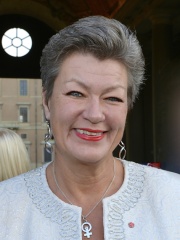
Ylva Johansson
1964 - Present
HPI: 53.81
Rank: 16,216
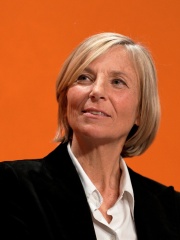
Marielle de Sarnez
1951 - 2021
HPI: 53.81
Rank: 16,217
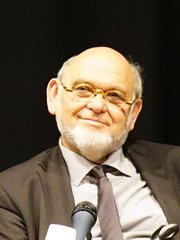
Robert Hue
1946 - Present
HPI: 53.81
Rank: 16,218
Dietmar Bartsch
1958 - Present
HPI: 53.81
Rank: 16,219
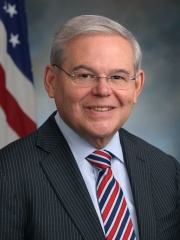
Bob Menendez
1954 - Present
HPI: 53.81
Rank: 16,220
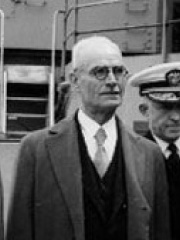
Panagiotis Poulitsas
1881 - 1968
HPI: 53.81
Rank: 16,221
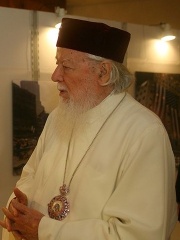
Teoctist Arăpașu
1915 - 2007
HPI: 53.80
Rank: 16,222
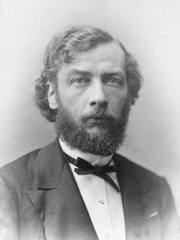
Gijsbert van Tienhoven
1841 - 1914
HPI: 53.80
Rank: 16,223

Michael Hayden
1945 - Present
HPI: 53.80
Rank: 16,224
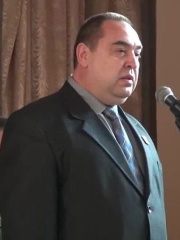
Igor Plotnitsky
1964 - Present
HPI: 53.80
Rank: 16,225

Contemporaries
Among people born in 1958, Dietmar Bartsch ranks 360. Before him are Juliano Mer-Khamis, Hiromi Hara, Feng Xiaogang, Miodrag Ješić, Gaétan Boucher, and Daniel Schneidermann. After him are Guillermo Fernández Vara, Giovanni Lavaggi, Curt Hennig, Salah Assad, Ryoichi Kawakatsu, and Hugo de León.
Others Born in 1958
Go to all Rankings
Juliano Mer-Khamis
ACTOR
1958 - 2011
HPI: 53.95
Rank: 354

Hiromi Hara
SOCCER PLAYER
1958 - Present
HPI: 53.94
Rank: 355

Feng Xiaogang
FILM DIRECTOR
1958 - Present
HPI: 53.94
Rank: 356
Miodrag Ješić
SOCCER PLAYER
1958 - 2022
HPI: 53.93
Rank: 357
Gaétan Boucher
POLITICIAN
1958 - Present
HPI: 53.86
Rank: 358
Daniel Schneidermann
JOURNALIST
1958 - Present
HPI: 53.83
Rank: 359
Dietmar Bartsch
POLITICIAN
1958 - Present
HPI: 53.81
Rank: 360
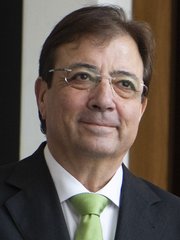
Guillermo Fernández Vara
POLITICIAN
1958 - 2025
HPI: 53.79
Rank: 361
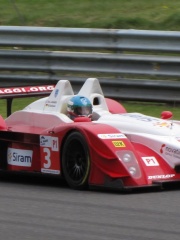
Giovanni Lavaggi
RACING DRIVER
1958 - Present
HPI: 53.77
Rank: 362
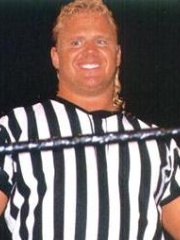
Curt Hennig
WRESTLER
1958 - 2003
HPI: 53.77
Rank: 363
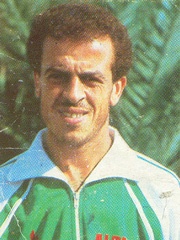
Salah Assad
SOCCER PLAYER
1958 - Present
HPI: 53.75
Rank: 364

Ryoichi Kawakatsu
SOCCER PLAYER
1958 - Present
HPI: 53.73
Rank: 365

Hugo de León
SOCCER PLAYER
1958 - Present
HPI: 53.68
Rank: 366
In Germany
Among people born in Germany, Dietmar Bartsch ranks 5,207 out of NaN. Before him are Ilona Gusenbauer (1947), Shantel (1968), Hans Pflügler (1960), Herbert Neumann (1953), Heinz Fütterer (1931), and Erwin Kremers (1949). After him are Manfred Wolke (1943), Ilia Topuria (1997), Tilly Edinger (1897), Erich Hamann (1944), Stefan Kießling (1984), and Hans Liesche (1891).
Others born in Germany
Go to all Rankings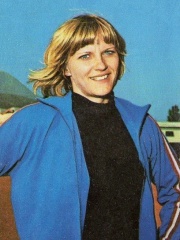
Ilona Gusenbauer
ATHLETE
1947 - Present
HPI: 53.82
Rank: 5,201

Shantel
MUSICIAN
1968 - Present
HPI: 53.82
Rank: 5,202

Hans Pflügler
SOCCER PLAYER
1960 - Present
HPI: 53.82
Rank: 5,203

Herbert Neumann
SOCCER PLAYER
1953 - Present
HPI: 53.81
Rank: 5,204
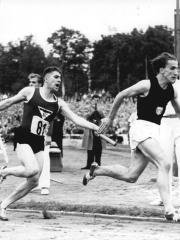
Heinz Fütterer
ATHLETE
1931 - 2019
HPI: 53.81
Rank: 5,205
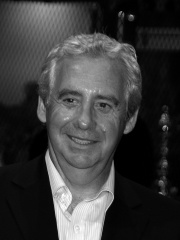
Erwin Kremers
SOCCER PLAYER
1949 - Present
HPI: 53.81
Rank: 5,206
Dietmar Bartsch
POLITICIAN
1958 - Present
HPI: 53.81
Rank: 5,207
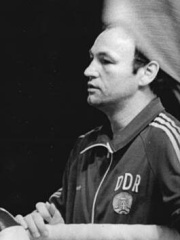
Manfred Wolke
BOXER
1943 - 2024
HPI: 53.81
Rank: 5,208

Ilia Topuria
MARTIAL ARTS
1997 - Present
HPI: 53.80
Rank: 5,209
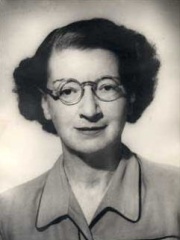
Tilly Edinger
BIOLOGIST
1897 - 1967
HPI: 53.79
Rank: 5,210
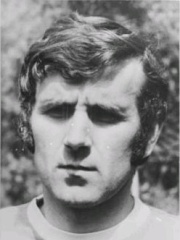
Erich Hamann
SOCCER PLAYER
1944 - Present
HPI: 53.77
Rank: 5,211

Stefan Kießling
SOCCER PLAYER
1984 - Present
HPI: 53.77
Rank: 5,212
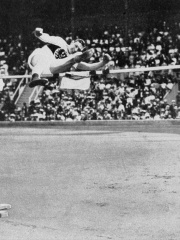
Hans Liesche
ATHLETE
1891 - 1979
HPI: 53.77
Rank: 5,213
Among Politicians In Germany
Among politicians born in Germany, Dietmar Bartsch ranks 1,243. Before him are Julia Klöckner (1972), Michael Glos (1944), Hanns Seidel (1901), Lothar Späth (1937), Bernd Mayländer (1971), and Karl-Theodor zu Guttenberg (1971). After him are Guido Knopp (1948), Reiner Haseloff (1954), Walther Schreiber (1884), Bärbel Bas (1968), Henriette Reker (1956), and Stephan Weil (1958).
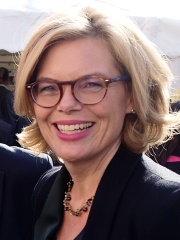
Julia Klöckner
1972 - Present
HPI: 54.07
Rank: 1,237
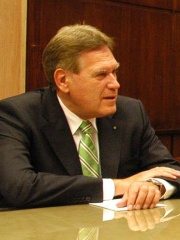
Michael Glos
1944 - Present
HPI: 54.05
Rank: 1,238
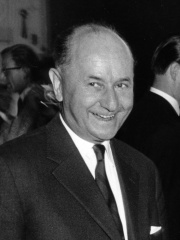
Hanns Seidel
1901 - 1961
HPI: 53.94
Rank: 1,239
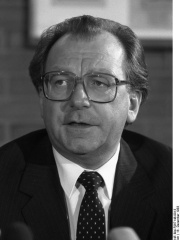
Lothar Späth
1937 - 2016
HPI: 53.89
Rank: 1,240

Bernd Mayländer
1971 - Present
HPI: 53.89
Rank: 1,241
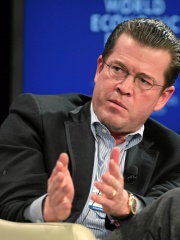
Karl-Theodor zu Guttenberg
1971 - Present
HPI: 53.85
Rank: 1,242
Dietmar Bartsch
1958 - Present
HPI: 53.81
Rank: 1,243
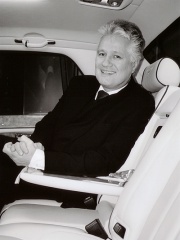
Guido Knopp
1948 - Present
HPI: 53.69
Rank: 1,244
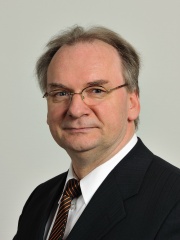
Reiner Haseloff
1954 - Present
HPI: 53.68
Rank: 1,245
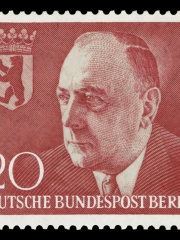
Walther Schreiber
1884 - 1958
HPI: 53.67
Rank: 1,246
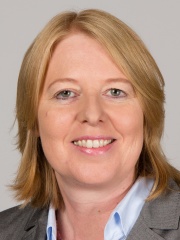
Bärbel Bas
1968 - Present
HPI: 53.66
Rank: 1,247
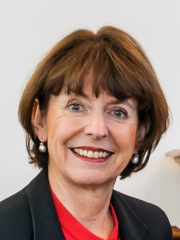
Henriette Reker
1956 - Present
HPI: 53.64
Rank: 1,248
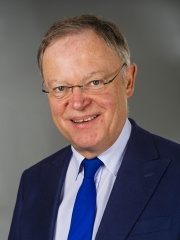
Stephan Weil
1958 - Present
HPI: 53.55
Rank: 1,249




