Politiker
Henriette Reker
1956 - heute
DE.WIKIPEDIA-SEITENAUFRUFE (PV)


 Henriette Reker
Ihre Biografie ist in 18 verschiedenen Sprachen auf Wikipedia verfügbar (gestiegen von 17 im Jahr 2024). Henriette Reker ist die 16,319th beliebteste Politiker (gesunken vom 15,622nd im Jahr 2024), die 5,252nd beliebteste Biografie aus Deutschland (gesunken vom 5,058th im Jahr 2019) und die 1,248th beliebteste aus Deutschland Politiker.
Bekanntheitsmetriken
110k
Seitenaufrufe
Letzte 12 Monate
53.64
HPI
Historischer Popularitätsindex
Daten-Einblicke
18
Die Biografie von Henriette Reker umfasst 18 Sprachversionen der Wikipedia und erreicht einen Historischen Popularitätsindex von 53.64.
Seitenaufrufe von Henriette Reker nach Sprache
Unter Politiker
Unter Politiker belegt Henriette Reker Rang 16,312 von 20,022. Vor ihr stehen Rita Sargsyan, John Prescott, Amina Bouayach, Isak Saba, Gaston Browne, und Ofer Cassif. Nach ihr folgen Nikolai Stepulov, Gordon B. Hinckley, Angus King, Eliodoro Villazón, Nikolaos Deligiannis, und Ariobarzanes II of Cius.
Die beliebtesten Politiker auf Wikipedia
Zu allen Ranglisten

Rita Sargsyan
1962 - 2020
HPI: 53.65
Rang: 16,313
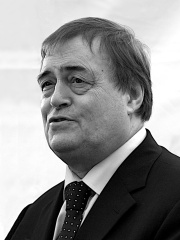
John Prescott
1938 - 2024
HPI: 53.65
Rang: 16,314

Amina Bouayach
1957 - heute
HPI: 53.65
Rang: 16,315
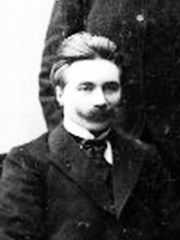
Isak Saba
1875 - 1921
HPI: 53.64
Rang: 16,316

Gaston Browne
1967 - heute
HPI: 53.64
Rang: 16,317

Ofer Cassif
1964 - heute
HPI: 53.64
Rang: 16,318
Henriette Reker
1956 - heute
HPI: 53.64
Rang: 16,319
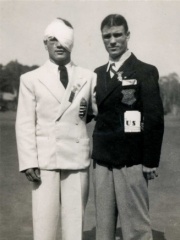
Nikolai Stepulov
1913 - 1968
HPI: 53.63
Rang: 16,320
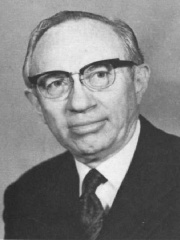
Gordon B. Hinckley
1910 - 2008
HPI: 53.62
Rang: 16,321
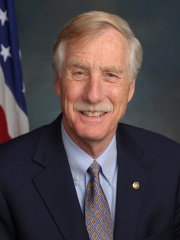
Angus King
1944 - heute
HPI: 53.62
Rang: 16,322
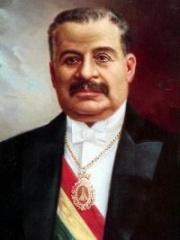
Eliodoro Villazón
1848 - 1939
HPI: 53.62
Rang: 16,323
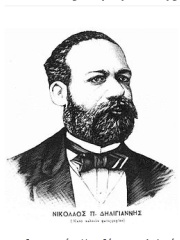
Nikolaos Deligiannis
1845 - 1910
HPI: 53.62
Rang: 16,324

Ariobarzanes II of Cius
400 BC - 337 BC
HPI: 53.62
Rang: 16,325

Zeitgenossen
Unter den im Jahr 1956 Geborenen belegt Henriette Reker Rang 447. Vor ihr stehen Ha Jin, Lee Ranaldo, Chloe Webb, Rashid Nurgaliyev, Zehava Gal-On, und Ray Wilkins. Nach ihr folgen Igor Talkov, Patricia Davies, Sharon Mitchell, Lisa Eilbacher, Dag Otto Lauritzen, und Wendy Crewson.
Weitere im Jahr 1956 Geborene
Zu allen Ranglisten
Ha Jin
WRITER
1956 - heute
HPI: 53.71
Rang: 441

Lee Ranaldo
MUSICIAN
1956 - heute
HPI: 53.70
Rang: 442

Chloe Webb
ACTOR
1956 - heute
HPI: 53.70
Rang: 443

Rashid Nurgaliyev
POLITICIAN
1956 - heute
HPI: 53.69
Rang: 444
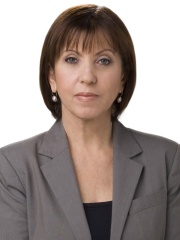
Zehava Gal-On
POLITICIAN
1956 - heute
HPI: 53.66
Rang: 445

Ray Wilkins
SOCCER PLAYER
1956 - 2018
HPI: 53.66
Rang: 446
Henriette Reker
POLITICIAN
1956 - heute
HPI: 53.64
Rang: 447

Igor Talkov
SINGER
1956 - 1991
HPI: 53.63
Rang: 448

Patricia Davies
POLITICIAN
1956 - heute
HPI: 53.60
Rang: 449
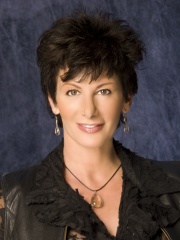
Sharon Mitchell
ACTOR
1956 - heute
HPI: 53.57
Rang: 450

Lisa Eilbacher
ACTOR
1956 - heute
HPI: 53.56
Rang: 451

Dag Otto Lauritzen
CYCLIST
1956 - heute
HPI: 53.55
Rang: 452

Wendy Crewson
ACTOR
1956 - heute
HPI: 53.52
Rang: 453
In Deutschland
Unter den in Deutschland Geborenen belegt Henriette Reker Rang 5,252 von 8,184. Vor ihr stehen Boris Gulko (1947), Jens Jeremies (1974), Gisela May (1924), Erwin Strittmatter (1912), Hans Theilig (1914), und Horst Faas (1933). Nach ihr folgen Georg Thoma (1937), Johannes Joachim Degenhardt (1926), Inge Keller (1923), Dieter Schubert (1943), Thomas Köhler (1940), und Hans-Jürgen Bäumler (1942).
Weitere in Deutschland geborene Personen
Zu allen Ranglisten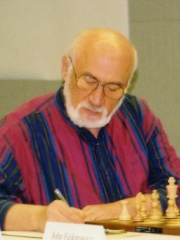
Boris Gulko
CHESS PLAYER
1947 - heute
HPI: 53.65
Rang: 5,246

Jens Jeremies
SOCCER PLAYER
1974 - heute
HPI: 53.65
Rang: 5,247
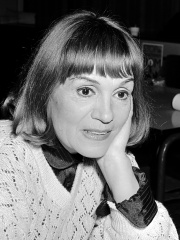
Gisela May
ACTOR
1924 - 2016
HPI: 53.65
Rang: 5,248
Erwin Strittmatter
WRITER
1912 - 1994
HPI: 53.64
Rang: 5,249

Hans Theilig
HANDBALL PLAYER
1914 - 1976
HPI: 53.64
Rang: 5,250
Horst Faas
WRITER
1933 - 2012
HPI: 53.64
Rang: 5,251
Henriette Reker
POLITICIAN
1956 - heute
HPI: 53.64
Rang: 5,252
Georg Thoma
SKIER
1937 - heute
HPI: 53.64
Rang: 5,253

Johannes Joachim Degenhardt
RELIGIOUS FIGURE
1926 - 2002
HPI: 53.62
Rang: 5,254
Inge Keller
ACTOR
1923 - 2017
HPI: 53.62
Rang: 5,255

Dieter Schubert
ATHLETE
1943 - heute
HPI: 53.62
Rang: 5,256
Thomas Köhler
ATHLETE
1940 - heute
HPI: 53.62
Rang: 5,257
Hans-Jürgen Bäumler
SKATER
1942 - heute
HPI: 53.61
Rang: 5,258
Unter Politiker in Deutschland
Unter den in Deutschland geborenen Politiker belegt Henriette Reker Rang 1,248. Vor ihr stehen Karl-Theodor zu Guttenberg (1971), Dietmar Bartsch (1958), Guido Knopp (1948), Reiner Haseloff (1954), Walther Schreiber (1884), und Bärbel Bas (1968). Nach ihr folgen Stephan Weil (1958), Brigitte Zypries (1953), Volker Bouffier (1951), Erwin Huber (1943), Heiko Maas (1966), und Max Streibl (1932).

Karl-Theodor zu Guttenberg
1971 - heute
HPI: 53.85
Rang: 1,242

Dietmar Bartsch
1958 - heute
HPI: 53.81
Rang: 1,243
Guido Knopp
1948 - heute
HPI: 53.69
Rang: 1,244

Reiner Haseloff
1954 - heute
HPI: 53.68
Rang: 1,245
Walther Schreiber
1884 - 1958
HPI: 53.67
Rang: 1,246

Bärbel Bas
1968 - heute
HPI: 53.66
Rang: 1,247
Henriette Reker
1956 - heute
HPI: 53.64
Rang: 1,248

Stephan Weil
1958 - heute
HPI: 53.55
Rang: 1,249

Brigitte Zypries
1953 - heute
HPI: 53.44
Rang: 1,250
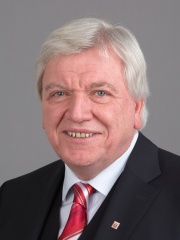
Volker Bouffier
1951 - heute
HPI: 53.39
Rang: 1,251
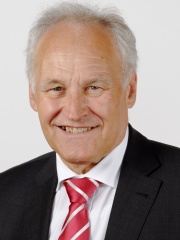
Erwin Huber
1943 - heute
HPI: 53.36
Rang: 1,252

Heiko Maas
1966 - heute
HPI: 53.35
Rang: 1,253
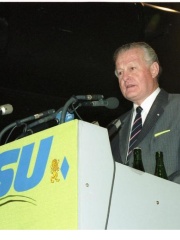
Max Streibl
1932 - 1998
HPI: 53.29
Rang: 1,254




