سياسي
راينر هاسيلوف
1954 - حتى اليوم
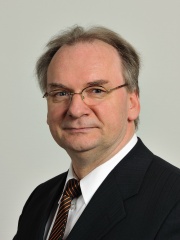

 راينر هاسيلوف
سيرته الذاتية متاحة بـ17 لغة مختلفة على ويكيبيديا. يحتل راينر هاسيلوف المرتبة 16,294 بين أكثر سياسي شعبيةً (تقدمًا من 16,477 في 2024)، والمرتبة 5,237 بين أكثر السير الذاتية شعبيةً في ألمانيا (تقدمًا من 5,405 في 2019)، كما يحتل المرتبة 1,245 بين أكثر سياسي من ألمانيا شعبيةً.
مقاييس الشهرة
190k
مشاهدات الصفحة
آخر 12 شهرًا
53.68
HPI
مؤشر الشعبية التاريخية
رؤى من البيانات
17
تمتد سيرة راينر هاسيلوف عبر 17 نسخة لغوية من ويكيبيديا وتبلغ قيمة مؤشر الشعبية التاريخية 53.68.
مشاهدات صفحة راينر هاسيلوف حسب اللغة
من بين سياسي
من بين سياسي، يحتل راينر هاسيلوف المرتبة 16,287 من أصل 20,022. قبله يأتي Rashid Nurgaliyev, Guido Knopp, Atef Sedky, Tommaso Padoa-Schioppa, Eardwulf of Northumbria, وPhilip Dimitrov. بعده يأتي George J. Mitchell, Faustin Twagiramungu, Daniel Akaka, Nikolaos Morakis, Walther Schreiber, وCathal Brugha.
أشهر سياسي على ويكيبيديا
عرض جميع التصنيفات

Rashid Nurgaliyev
1956 - حتى الآن
HPI: 53.69
المرتبة: 16,288
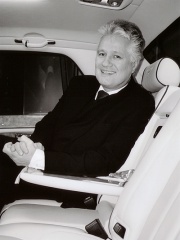
Guido Knopp
1948 - حتى الآن
HPI: 53.69
المرتبة: 16,289
Atef Sedky
1930 - 2005
HPI: 53.69
المرتبة: 16,290
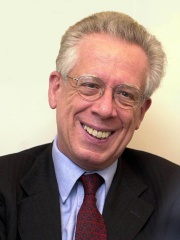
Tommaso Padoa-Schioppa
1940 - 2010
HPI: 53.69
المرتبة: 16,291

Eardwulf of Northumbria
800 - 810
HPI: 53.69
المرتبة: 16,292
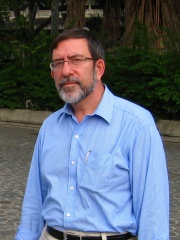
Philip Dimitrov
1955 - حتى الآن
HPI: 53.69
المرتبة: 16,293
Reiner Haseloff
1954 - حتى الآن
HPI: 53.68
المرتبة: 16,294
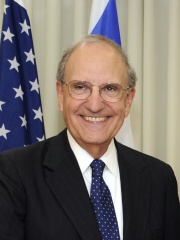
George J. Mitchell
1933 - حتى الآن
HPI: 53.68
المرتبة: 16,295
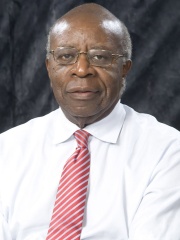
Faustin Twagiramungu
1945 - 2023
HPI: 53.68
المرتبة: 16,296
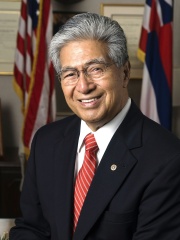
Daniel Akaka
1924 - 2018
HPI: 53.68
المرتبة: 16,297

Nikolaos Morakis
1900 - حتى الآن
HPI: 53.68
المرتبة: 16,298
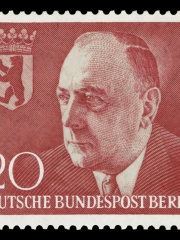
Walther Schreiber
1884 - 1958
HPI: 53.67
المرتبة: 16,299
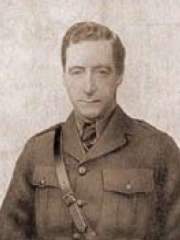
Cathal Brugha
1874 - 1922
HPI: 53.67
المرتبة: 16,300

معاصرون
من بين المولودين في عام 1954، يحتل راينر هاسيلوف المرتبة 460. قبله يأتي Louise Erdrich, Kurt Welzl, Fiorella Mannoia, Bob Menendez, Larry Van Kriedt, وBachendri Pal. بعده يأتي Paul Bearer, Robert Pastorelli, Ouhoumoudou Mahamadou, Sumi Shimamoto, Martin Strel, وJean Fernandez.
آخرون وُلدوا في عام 1954
عرض جميع التصنيفات
Louise Erdrich
WRITER
1954 - حتى الآن
HPI: 53.82
المرتبة: 454
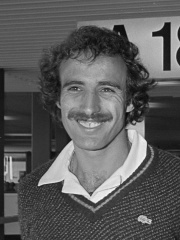
Kurt Welzl
SOCCER PLAYER
1954 - حتى الآن
HPI: 53.81
المرتبة: 455

Fiorella Mannoia
SINGER
1954 - حتى الآن
HPI: 53.81
المرتبة: 456
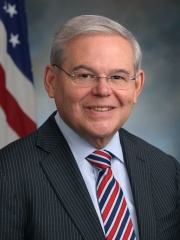
Bob Menendez
POLITICIAN
1954 - حتى الآن
HPI: 53.81
المرتبة: 457
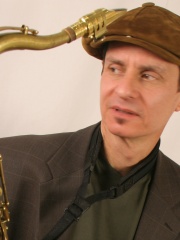
Larry Van Kriedt
MUSICIAN
1954 - حتى الآن
HPI: 53.80
المرتبة: 458

Bachendri Pal
MOUNTAINEER
1954 - حتى الآن
HPI: 53.77
المرتبة: 459
Reiner Haseloff
POLITICIAN
1954 - حتى الآن
HPI: 53.68
المرتبة: 460
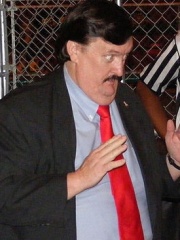
Paul Bearer
WRESTLER
1954 - 2013
HPI: 53.67
المرتبة: 461
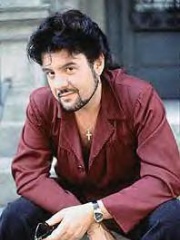
Robert Pastorelli
ACTOR
1954 - 2004
HPI: 53.67
المرتبة: 462
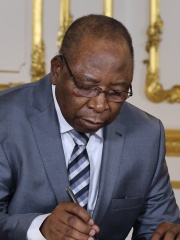
Ouhoumoudou Mahamadou
POLITICIAN
1954 - حتى الآن
HPI: 53.67
المرتبة: 463

Sumi Shimamoto
ACTOR
1954 - حتى الآن
HPI: 53.65
المرتبة: 464

Martin Strel
ATHLETE
1954 - حتى الآن
HPI: 53.64
المرتبة: 465

Jean Fernandez
COACH
1954 - حتى الآن
HPI: 53.59
المرتبة: 466
في ألمانيا
من بين المولودين في ألمانيا، يحتل راينر هاسيلوف المرتبة 5,237 من أصل 8,184. قبله يأتي Stephan Beckenbauer (1968), Manfred Schnelldorfer (1943), Guido Knopp (1948), Wolfgang Fahrian (1941), Helmut Hamann (1912), وH. A. Rey (1898). بعده يأتي Harry Benjamin (1885), Shkodran Mustafi (1992), Gerd Hornberger (1910), Walther Schreiber (1884), Johann Gottfried Zinn (1727), وBärbel Bas (1968).
آخرون وُلدوا في ألمانيا
عرض جميع التصنيفات
Stephan Beckenbauer
SOCCER PLAYER
1968 - 2015
HPI: 53.70
المرتبة: 5,231
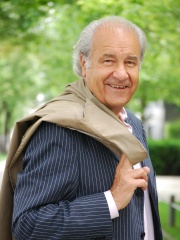
Manfred Schnelldorfer
SKATER
1943 - حتى الآن
HPI: 53.69
المرتبة: 5,232
Guido Knopp
POLITICIAN
1948 - حتى الآن
HPI: 53.69
المرتبة: 5,233

Wolfgang Fahrian
SOCCER PLAYER
1941 - 2022
HPI: 53.69
المرتبة: 5,234

Helmut Hamann
ATHLETE
1912 - 1941
HPI: 53.69
المرتبة: 5,235
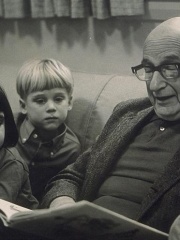
H. A. Rey
WRITER
1898 - 1977
HPI: 53.69
المرتبة: 5,236
Reiner Haseloff
POLITICIAN
1954 - حتى الآن
HPI: 53.68
المرتبة: 5,237
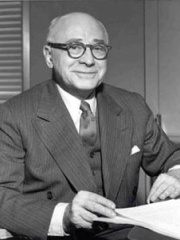
Harry Benjamin
PHYSICIAN
1885 - 1986
HPI: 53.68
المرتبة: 5,238

Shkodran Mustafi
SOCCER PLAYER
1992 - حتى الآن
HPI: 53.68
المرتبة: 5,239

Gerd Hornberger
ATHLETE
1910 - 1988
HPI: 53.67
المرتبة: 5,240
Walther Schreiber
POLITICIAN
1884 - 1958
HPI: 53.67
المرتبة: 5,241
Johann Gottfried Zinn
BIOLOGIST
1727 - 1759
HPI: 53.66
المرتبة: 5,242
Bärbel Bas
POLITICIAN
1968 - حتى الآن
HPI: 53.66
المرتبة: 5,243
من بين سياسي في ألمانيا
من بين سياسي المولودين في ألمانيا، يحتل راينر هاسيلوف المرتبة 1,245. قبله يأتي Hanns Seidel (1901), Lothar Späth (1937), Bernd Mayländer (1971), Karl-Theodor zu Guttenberg (1971), Dietmar Bartsch (1958), وGuido Knopp (1948). بعده يأتي Walther Schreiber (1884), Bärbel Bas (1968), Henriette Reker (1956), Stephan Weil (1958), Brigitte Zypries (1953), وVolker Bouffier (1951).
Hanns Seidel
1901 - 1961
HPI: 53.94
المرتبة: 1,239
Lothar Späth
1937 - 2016
HPI: 53.89
المرتبة: 1,240

Bernd Mayländer
1971 - حتى الآن
HPI: 53.89
المرتبة: 1,241

Karl-Theodor zu Guttenberg
1971 - حتى الآن
HPI: 53.85
المرتبة: 1,242
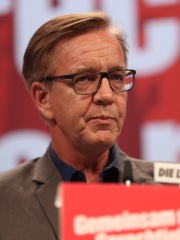
Dietmar Bartsch
1958 - حتى الآن
HPI: 53.81
المرتبة: 1,243
Guido Knopp
1948 - حتى الآن
HPI: 53.69
المرتبة: 1,244
Reiner Haseloff
1954 - حتى الآن
HPI: 53.68
المرتبة: 1,245
Walther Schreiber
1884 - 1958
HPI: 53.67
المرتبة: 1,246
Bärbel Bas
1968 - حتى الآن
HPI: 53.66
المرتبة: 1,247

Henriette Reker
1956 - حتى الآن
HPI: 53.64
المرتبة: 1,248
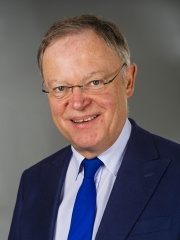
Stephan Weil
1958 - حتى الآن
HPI: 53.55
المرتبة: 1,249
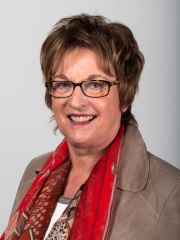
Brigitte Zypries
1953 - حتى الآن
HPI: 53.44
المرتبة: 1,250
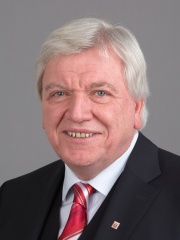
Volker Bouffier
1951 - حتى الآن
HPI: 53.39
المرتبة: 1,251




