Religious Figure
Cuthbert
7th-century Bishop of Lindisfarne, Bishop of Hexham, and saint
635 - 687
EN.WIKIPEDIA PAGE VIEWS (PV)
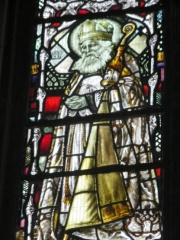
 Cuthbert
His biography is available in 26 different languages on Wikipedia (up from 24 in 2024). Cuthbert is the 2,024th most popular religious figure (down from 1,923rd in 2024), the 2,390th most popular biography from United Kingdom (down from 2,213th in 2019) and the 62nd most popular British Religious Figure.
Memorability Metrics
150k
Page Views
Past 12 months
60.65
HPI
Historical Popularity Index
Page views of Cuthbert by language
Among Religious Figures
Among religious figures, Cuthbert ranks 2,024 out of 3,187. Before him are Gershom ben Judah, Carlo Acutis, Alojs Andritzki, Peter Fourier, Serafino Vannutelli, and Myroslav Ivan Lubachivsky. After him are Taisen Deshimaru, Anatolius of Laodicea, Bernward of Hildesheim, Josef Beran, Eugenios Voulgaris, and Jeralean Talley.
Most Popular Religious Figures in Wikipedia
Go to all Rankings

Gershom ben Judah
960 - 1028
HPI: 60.67
Rank: 2,018

Carlo Acutis
1991 - 2006
HPI: 60.67
Rank: 2,019
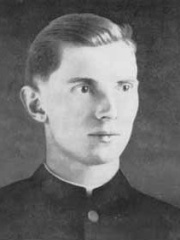
Alojs Andritzki
1914 - 1943
HPI: 60.67
Rank: 2,020
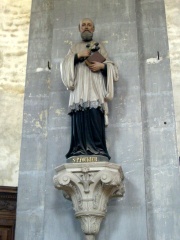
Peter Fourier
1565 - 1640
HPI: 60.66
Rank: 2,021
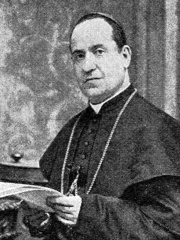
Serafino Vannutelli
1834 - 1915
HPI: 60.66
Rank: 2,022
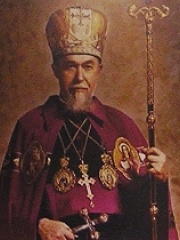
Myroslav Ivan Lubachivsky
1914 - 2000
HPI: 60.65
Rank: 2,023
Cuthbert
635 - 687
HPI: 60.65
Rank: 2,024
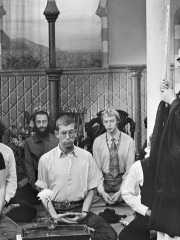
Taisen Deshimaru
1914 - 1982
HPI: 60.64
Rank: 2,025

Anatolius of Laodicea
201 - 283
HPI: 60.64
Rank: 2,026

Bernward of Hildesheim
960 - 1022
HPI: 60.63
Rank: 2,027
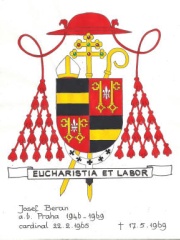
Josef Beran
1888 - 1969
HPI: 60.63
Rank: 2,028
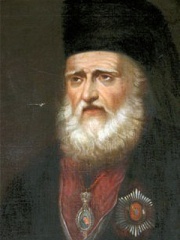
Eugenios Voulgaris
1716 - 1806
HPI: 60.63
Rank: 2,029
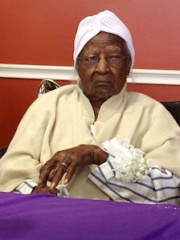
Jeralean Talley
1899 - 2015
HPI: 60.63
Rank: 2,030

Contemporaries
Among people born in 635, Cuthbert ranks 7. Before him are Pope Benedict II, Pope John V, Pepin of Herstal, Clovis II, Yijing, and Lambert of Maastricht. Among people deceased in 687, Cuthbert ranks 4. Before him are Pope Conon, Mukhtar al-Thaqafi, and Erwig.
Others Born in 635
Go to all Rankings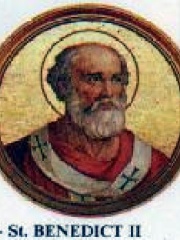
Pope Benedict II
RELIGIOUS FIGURE
635 - 685
HPI: 76.47
Rank: 1
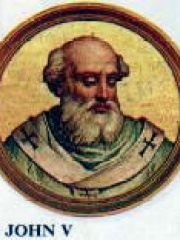
Pope John V
RELIGIOUS FIGURE
635 - 686
HPI: 75.30
Rank: 2
Pepin of Herstal
POLITICIAN
635 - 714
HPI: 74.84
Rank: 3
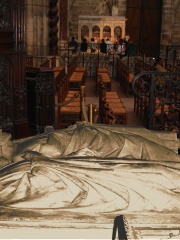
Clovis II
POLITICIAN
635 - 657
HPI: 72.77
Rank: 4
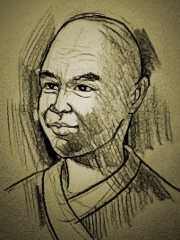
Yijing
RELIGIOUS FIGURE
635 - 713
HPI: 67.50
Rank: 5
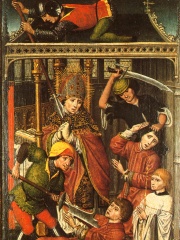
Lambert of Maastricht
RELIGIOUS FIGURE
635 - 705
HPI: 66.66
Rank: 6
Cuthbert
RELIGIOUS FIGURE
635 - 687
HPI: 60.65
Rank: 7
Others Deceased in 687
Go to all Rankings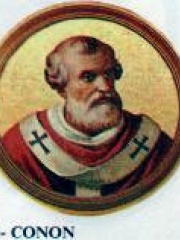
Pope Conon
RELIGIOUS FIGURE
630 - 687
HPI: 75.51
Rank: 1

Mukhtar al-Thaqafi
SOCIAL ACTIVIST
622 - 687
HPI: 69.44
Rank: 2
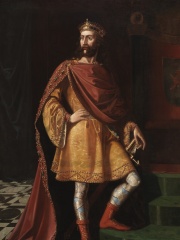
Erwig
POLITICIAN
642 - 687
HPI: 65.54
Rank: 3
Cuthbert
RELIGIOUS FIGURE
635 - 687
HPI: 60.65
Rank: 4
In United Kingdom
Among people born in United Kingdom, Cuthbert ranks 2,390 out of NaN. Before him are Angela Carter (1940), Ann Lee (1736), Thomas Howard, 3rd Duke of Norfolk (1473), Carlo Acutis (1991), T. H. Marshall (1893), and John Hughlings Jackson (1835). After him are Daisy, Princess of Pless (1873), Lorna Wing (1928), Michael Bond (1926), Catherine Carey (1523), James H. Wilkinson (1919), and Vera Brittain (1893).
Others born in United Kingdom
Go to all Rankings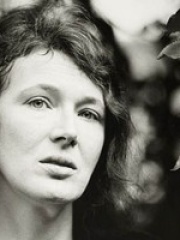
Angela Carter
WRITER
1940 - 1992
HPI: 60.68
Rank: 2,384
Ann Lee
RELIGIOUS FIGURE
1736 - 1784
HPI: 60.68
Rank: 2,385
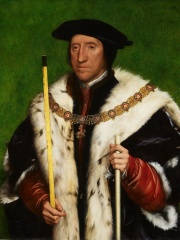
Thomas Howard, 3rd Duke of Norfolk
POLITICIAN
1473 - 1554
HPI: 60.67
Rank: 2,386
Carlo Acutis
RELIGIOUS FIGURE
1991 - 2006
HPI: 60.67
Rank: 2,387
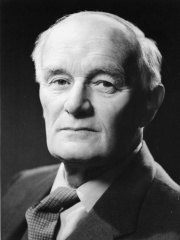
T. H. Marshall
SOCIOLOGIST
1893 - 1981
HPI: 60.67
Rank: 2,388
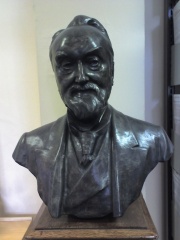
John Hughlings Jackson
BIOLOGIST
1835 - 1911
HPI: 60.65
Rank: 2,389
Cuthbert
RELIGIOUS FIGURE
635 - 687
HPI: 60.65
Rank: 2,390
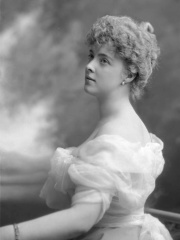
Daisy, Princess of Pless
CELEBRITY
1873 - 1943
HPI: 60.64
Rank: 2,391
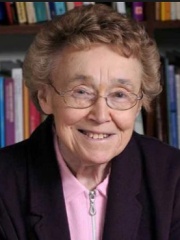
Lorna Wing
PHYSICIAN
1928 - 2014
HPI: 60.63
Rank: 2,392

Michael Bond
WRITER
1926 - 2017
HPI: 60.63
Rank: 2,393
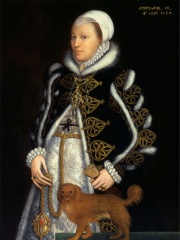
Catherine Carey
POLITICIAN
1523 - 1569
HPI: 60.63
Rank: 2,394
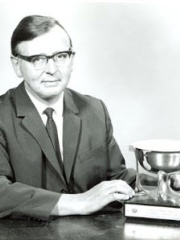
James H. Wilkinson
COMPUTER SCIENTIST
1919 - 1986
HPI: 60.63
Rank: 2,395
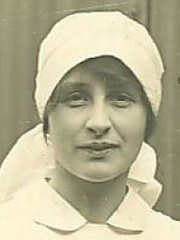
Vera Brittain
WRITER
1893 - 1970
HPI: 60.63
Rank: 2,396
Among Religious Figures In United Kingdom
Among religious figures born in United Kingdom, Cuthbert ranks 62. Before him are Saint Alban (300), William Allen (1532), Stephen Langton (1150), Thomas Byles (1870), Ann Lee (1736), and Carlo Acutis (1991). After him are Richard of Chichester (1197), Joseph Butler (1692), Agnes Baden-Powell (1858), Benedict Biscop (628), Charles Wesley (1707), and Jonathan Sacks (1948).
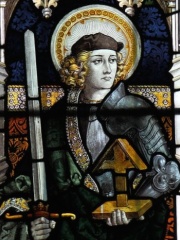
Saint Alban
300 - 305
HPI: 61.56
Rank: 56
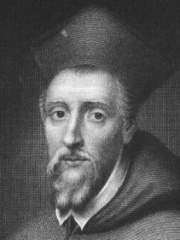
William Allen
1532 - 1594
HPI: 61.47
Rank: 57
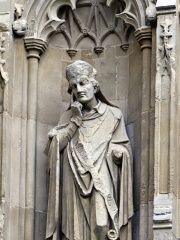
Stephen Langton
1150 - 1228
HPI: 61.22
Rank: 58
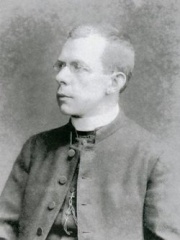
Thomas Byles
1870 - 1912
HPI: 61.22
Rank: 59
Ann Lee
1736 - 1784
HPI: 60.68
Rank: 60
Carlo Acutis
1991 - 2006
HPI: 60.67
Rank: 61
Cuthbert
635 - 687
HPI: 60.65
Rank: 62

Richard of Chichester
1197 - 1253
HPI: 60.61
Rank: 63
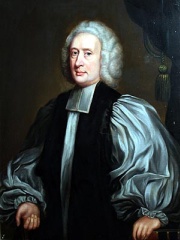
Joseph Butler
1692 - 1752
HPI: 60.44
Rank: 64
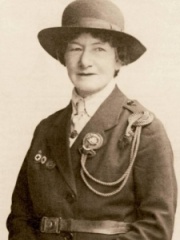
Agnes Baden-Powell
1858 - 1945
HPI: 60.42
Rank: 65
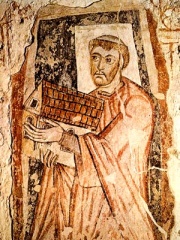
Benedict Biscop
628 - 690
HPI: 60.25
Rank: 66
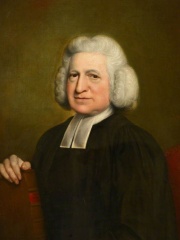
Charles Wesley
1707 - 1788
HPI: 59.67
Rank: 67
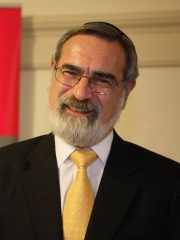
Jonathan Sacks
1948 - 2020
HPI: 59.67
Rank: 68




