Fußballspieler
Simão Sabrosa
1979 - heute
DE.WIKIPEDIA-SEITENAUFRUFE (PV)

 Simão Sabrosa
Seine Biografie ist in 47 verschiedenen Sprachen auf Wikipedia verfügbar (gestiegen von 46 im Jahr 2024). Simão Sabrosa ist der 954th beliebteste Fußballspieler (gestiegen vom 2,739th im Jahr 2024), die 204th beliebteste Biografie aus Portugal (gestiegen vom 334th im Jahr 2019) und der 20th beliebteste aus Portugal Fußballspieler.
Bekanntheitsmetriken
120k
Seitenaufrufe
Letzte 12 Monate
62.02
HPI
Historischer Popularitätsindex
Seitenaufrufe von Simão Sabrosa nach Sprache
Unter Fußballspieler
Unter Fußballspieler belegt Simão Sabrosa Rang 951 von 21,273. Vor ihm stehen Manuel Rosas, Masateru Akita, David Luiz, Jozef Vengloš, Alan Smith, und Antonio Di Natale. Nach ihm folgen Ariel Ortega, Joaquín Peiró, Moderato Wisintainer, Carlos Peucelle, Emiliano Martínez, und Danny Blind.
Die beliebtesten Fußballspieler auf Wikipedia
Zu allen Ranglisten

Manuel Rosas
1912 - 1989
HPI: 62.06
Rang: 948

Masateru Akita
1982 - heute
HPI: 62.05
Rang: 949

David Luiz
1987 - heute
HPI: 62.04
Rang: 950

Jozef Vengloš
1936 - 2021
HPI: 62.04
Rang: 951
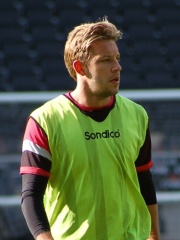
Alan Smith
1980 - heute
HPI: 62.04
Rang: 952
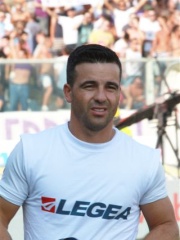
Antonio Di Natale
1977 - heute
HPI: 62.03
Rang: 953
Simão Sabrosa
1979 - heute
HPI: 62.02
Rang: 954

Ariel Ortega
1974 - heute
HPI: 62.02
Rang: 955
Joaquín Peiró
1936 - 2020
HPI: 62.00
Rang: 956
Moderato Wisintainer
1902 - 1986
HPI: 62.00
Rang: 957
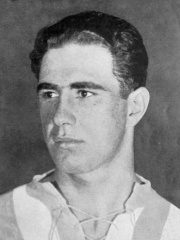
Carlos Peucelle
1908 - 1990
HPI: 61.99
Rang: 958

Emiliano Martínez
1992 - heute
HPI: 61.99
Rang: 959

Danny Blind
1961 - heute
HPI: 61.98
Rang: 960

Zeitgenossen
Unter den im Jahr 1979 Geborenen belegt Simão Sabrosa Rang 32. Vor ihm stehen Rosamund Pike, Stormy Daniels, Prabhas, Brandy Norwood, Miklós Fehér, und Vidya Balan. Nach ihm folgen James McAvoy, Jennifer Love Hewitt, Jawed Karim, Noomi Rapace, Pablo Aimar, und Adrian Mutu.
Weitere im Jahr 1979 Geborene
Zu allen Ranglisten
Rosamund Pike
ACTOR
1979 - heute
HPI: 63.16
Rang: 26

Stormy Daniels
PORNOGRAPHIC ACTOR
1979 - heute
HPI: 63.08
Rang: 27

Prabhas
ACTOR
1979 - heute
HPI: 63.07
Rang: 28

Brandy Norwood
SINGER
1979 - heute
HPI: 62.47
Rang: 29

Miklós Fehér
SOCCER PLAYER
1979 - 2004
HPI: 62.39
Rang: 30

Vidya Balan
ACTOR
1979 - heute
HPI: 62.13
Rang: 31
Simão Sabrosa
SOCCER PLAYER
1979 - heute
HPI: 62.02
Rang: 32

James McAvoy
ACTOR
1979 - heute
HPI: 61.88
Rang: 33

Jennifer Love Hewitt
ACTOR
1979 - heute
HPI: 61.48
Rang: 34

Jawed Karim
BUSINESSPERSON
1979 - heute
HPI: 61.47
Rang: 35

Noomi Rapace
ACTOR
1979 - heute
HPI: 61.38
Rang: 36

Pablo Aimar
SOCCER PLAYER
1979 - heute
HPI: 61.24
Rang: 37

Adrian Mutu
SOCCER PLAYER
1979 - heute
HPI: 61.21
Rang: 38
In Portugal
Unter den in Portugal Geborenen belegt Simão Sabrosa Rang 204 von NaN. Vor ihm stehen Joanna, Princess of Portugal (1452), Ricardo Carvalho (1978), Bartolomeu Perestrello (1400), José Carlos (1941), Isabel Luísa, Princess of Beira (1669), und Carlos Tavares (1958). Nach ihm folgen Teodósio II, Duke of Braganza (1568), Francisco de Sá Carneiro (1934), Duarte Pacheco Pereira (1460), Paulo Bento (1969), António Vieira (1608), und António de Andrade (1580).
Weitere in Portugal geborene Personen
Zu allen Ranglisten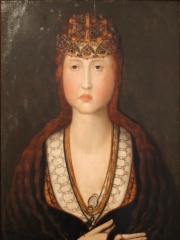
Joanna, Princess of Portugal
NOBLEMAN
1452 - 1490
HPI: 62.56
Rang: 198

Ricardo Carvalho
SOCCER PLAYER
1978 - heute
HPI: 62.44
Rang: 199

Bartolomeu Perestrello
EXPLORER
1400 - 1457
HPI: 62.33
Rang: 200

José Carlos
SOCCER PLAYER
1941 - 2025
HPI: 62.26
Rang: 201

Isabel Luísa, Princess of Beira
NOBLEMAN
1669 - 1690
HPI: 62.16
Rang: 202

Carlos Tavares
BUSINESSPERSON
1958 - heute
HPI: 62.08
Rang: 203
Simão Sabrosa
SOCCER PLAYER
1979 - heute
HPI: 62.02
Rang: 204
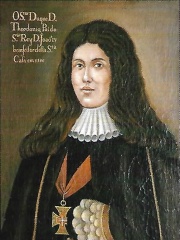
Teodósio II, Duke of Braganza
POLITICIAN
1568 - 1630
HPI: 61.98
Rang: 205
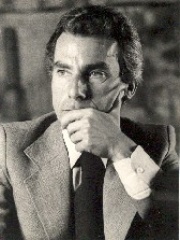
Francisco de Sá Carneiro
POLITICIAN
1934 - 1980
HPI: 61.90
Rang: 206
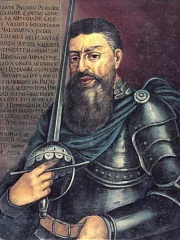
Duarte Pacheco Pereira
EXPLORER
1460 - 1533
HPI: 61.90
Rang: 207

Paulo Bento
SOCCER PLAYER
1969 - heute
HPI: 61.78
Rang: 208
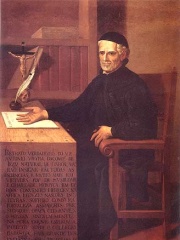
António Vieira
WRITER
1608 - 1697
HPI: 61.77
Rang: 209
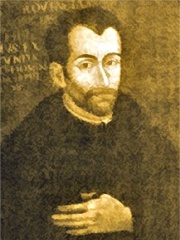
António de Andrade
RELIGIOUS FIGURE
1580 - 1634
HPI: 61.74
Rang: 210
Unter Fußballspieler in Portugal
Unter den in Portugal geborenen Fußballspieler belegt Simão Sabrosa Rang 20. Vor ihm stehen Paulo Futre (1966), Paulo Sousa (1970), Félix Mourinho (1938), Vítor Pereira (1968), Ricardo Carvalho (1978), und José Carlos (1941). Nach ihm folgen Paulo Bento (1969), José Torres (1938), Pauleta (1973), Nuno Gomes (1976), Manuel Bento (1948), und José Costa (1953).

Paulo Futre
1966 - heute
HPI: 63.09
Rang: 14

Paulo Sousa
1970 - heute
HPI: 62.98
Rang: 15

Félix Mourinho
1938 - 2017
HPI: 62.68
Rang: 16
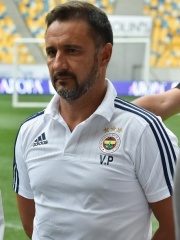
Vítor Pereira
1968 - heute
HPI: 62.60
Rang: 17
Ricardo Carvalho
1978 - heute
HPI: 62.44
Rang: 18
José Carlos
1941 - 2025
HPI: 62.26
Rang: 19
Simão Sabrosa
1979 - heute
HPI: 62.02
Rang: 20
Paulo Bento
1969 - heute
HPI: 61.78
Rang: 21

José Torres
1938 - 2010
HPI: 61.62
Rang: 22
Pauleta
1973 - heute
HPI: 61.39
Rang: 23

Nuno Gomes
1976 - heute
HPI: 61.25
Rang: 24

Manuel Bento
1948 - 2007
HPI: 61.09
Rang: 25

José Costa
1953 - heute
HPI: 60.82
Rang: 26




