Religiöse Persönlichkeit
Shah Nimatullah Wali
1330 - 1429

 Shah Nimatullah Wali
Seine Biografie ist in 13 verschiedenen Sprachen auf Wikipedia verfügbar. Shah Nimatullah Wali ist der 2,810th beliebteste Religiöse Persönlichkeit, die 176th beliebteste Biografie aus Syrien und der 24th beliebteste aus Syrien Religiöse Persönlichkeit.
Memorability Metrics
90k
Page Views
Past 12 months
55.73
HPI
Historical Popularity Index
Page views of Shah Nimatullah Wali by language
Among Religiöse Persönlichkeits
Among religiöse persönlichkeits, Shah Nimatullah Wali ranks 2,810 out of 3,187. Before him are Chad of Mercia, Uta Ranke-Heinemann, Oliver of Paderborn, Hilda of Whitby, Mullah Krekar, and Georg Sterzinsky. After him are Tadevuš Kandrusievič, Jānis Endzelīns, Emma Smith, Genesius of Rome, Francis Spellman, and Giacomo Capuzzi.
Most Popular Religiöse Persönlichkeits in Wikipedia
Go to all Rankings
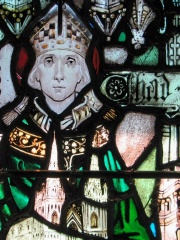
Chad of Mercia
634 - 672
HPI: 55.81
Rank: 2,804
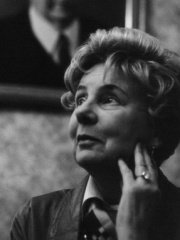
Uta Ranke-Heinemann
1927 - 2021
HPI: 55.81
Rank: 2,805

Oliver of Paderborn
1170 - 1227
HPI: 55.78
Rank: 2,806
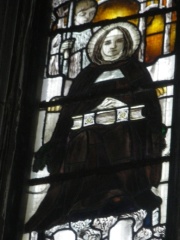
Hilda of Whitby
614 - 680
HPI: 55.77
Rank: 2,807
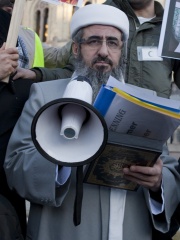
Mullah Krekar
1956 - Present
HPI: 55.76
Rank: 2,808
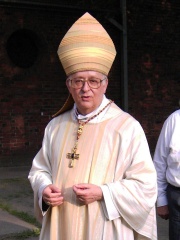
Georg Sterzinsky
1936 - 2011
HPI: 55.74
Rank: 2,809
Shah Nimatullah Wali
1330 - 1429
HPI: 55.73
Rank: 2,810
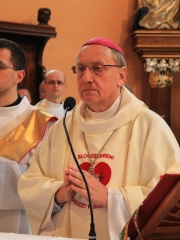
Tadevuš Kandrusievič
1946 - Present
HPI: 55.72
Rank: 2,811
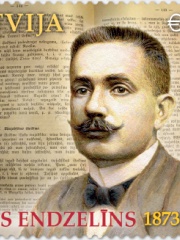
Jānis Endzelīns
1873 - 1961
HPI: 55.72
Rank: 2,812
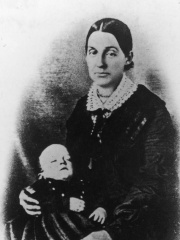
Emma Smith
1804 - 1879
HPI: 55.70
Rank: 2,813
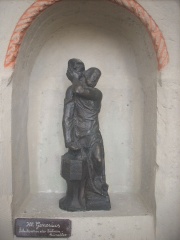
Genesius of Rome
250 - 303
HPI: 55.68
Rank: 2,814
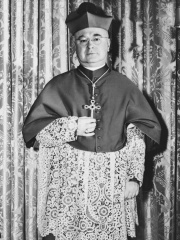
Francis Spellman
1889 - 1967
HPI: 55.67
Rank: 2,815
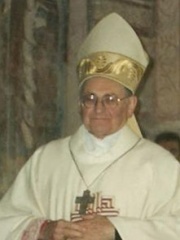
Giacomo Capuzzi
1929 - 2021
HPI: 55.66
Rank: 2,816

Contemporaries
Among people born in 1330, Shah Nimatullah Wali ranks 20. Before him are Ashikaga Yoshiakira, André Beauneveu, Bartolo di Fredi, Antonio Venier, Giusto de' Menabuoi, and John Gower. Among people deceased in 1429, Shah Nimatullah Wali ranks 9. Before him are Cymburgis of Masovia, Jean Gerson, Heinrich von Plauen, Alexios IV of Trebizond, Margaret of Prades, and Carlo I Tocco.
Others Born in 1330
Go to all Rankings
Ashikaga Yoshiakira
POLITICIAN
1330 - 1367
HPI: 61.27
Rank: 14
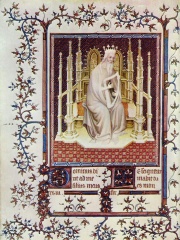
André Beauneveu
PAINTER
1330 - 1400
HPI: 61.21
Rank: 15
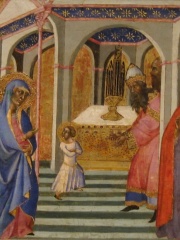
Bartolo di Fredi
PAINTER
1330 - 1410
HPI: 58.84
Rank: 16
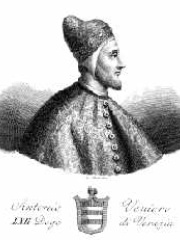
Antonio Venier
POLITICIAN
1330 - 1400
HPI: 58.20
Rank: 17

Giusto de' Menabuoi
PAINTER
1330 - 1390
HPI: 57.80
Rank: 18

John Gower
WRITER
1330 - 1408
HPI: 57.54
Rank: 19
Shah Nimatullah Wali
RELIGIOUS FIGURE
1330 - 1429
HPI: 55.73
Rank: 20
Others Deceased in 1429
Go to all Rankings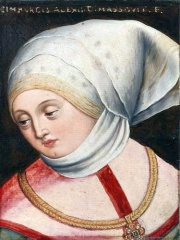
Cymburgis of Masovia
NOBLEMAN
1394 - 1429
HPI: 69.01
Rank: 3
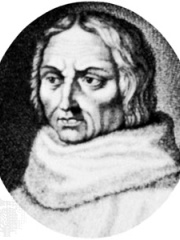
Jean Gerson
PHILOSOPHER
1363 - 1429
HPI: 68.00
Rank: 4
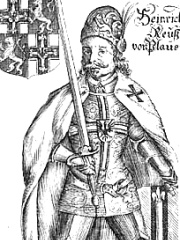
Heinrich von Plauen
MILITARY PERSONNEL
1370 - 1429
HPI: 63.20
Rank: 5
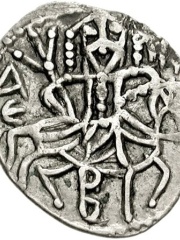
Alexios IV of Trebizond
POLITICIAN
1382 - 1429
HPI: 63.12
Rank: 6

Margaret of Prades
COMPANION
1395 - 1429
HPI: 61.12
Rank: 7

Carlo I Tocco
POLITICIAN
1301 - 1429
HPI: 58.28
Rank: 8
Shah Nimatullah Wali
RELIGIOUS FIGURE
1330 - 1429
HPI: 55.73
Rank: 9
In Syrien
Among people born in Syrien, Shah Nimatullah Wali ranks 176 out of NaN. Before him are Suheil al-Hassan (1970), Abu'l-Hasan al-Uqlidisi (920), Zakaria Tamer (1931), Ila-kabkabu (-1850), George Wassouf (1961), and Ali Farzat (1951). After him are Suat Hayri Ürgüplü (1903), Mohammed al-Bashir (null), Abu Shama (1203), Mazloum Abdi (1967), Wafa Sultan (1958), and Moaz al-Khatib (1960).
Others born in Syrien
Go to all Rankings
Suheil al-Hassan
MILITARY PERSONNEL
1970 - Present
HPI: 56.66
Rank: 170

Abu'l-Hasan al-Uqlidisi
MATHEMATICIAN
920 - 980
HPI: 56.34
Rank: 171

Zakaria Tamer
WRITER
1931 - Present
HPI: 56.20
Rank: 172

Ila-kabkabu
POLITICIAN
1850 BC - 1815 BC
HPI: 55.97
Rank: 173

George Wassouf
SINGER
1961 - Present
HPI: 55.84
Rank: 174

Ali Farzat
POLITICIAN
1951 - Present
HPI: 55.75
Rank: 175
Shah Nimatullah Wali
RELIGIOUS FIGURE
1330 - 1429
HPI: 55.73
Rank: 176
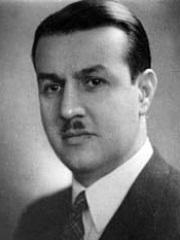
Suat Hayri Ürgüplü
POLITICIAN
1903 - 1981
HPI: 55.69
Rank: 177

Mohammed al-Bashir
POLITICIAN
HPI: 55.64
Rank: 178

Abu Shama
HISTORIAN
1203 - 1267
HPI: 55.55
Rank: 179
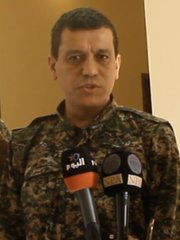
Mazloum Abdi
MILITARY PERSONNEL
1967 - Present
HPI: 55.26
Rank: 180
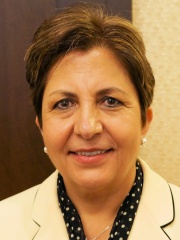
Wafa Sultan
WRITER
1958 - Present
HPI: 55.18
Rank: 181
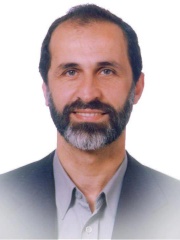
Moaz al-Khatib
POLITICIAN
1960 - Present
HPI: 54.99
Rank: 182
Among Religiöse Persönlichkeits In Syrien
Among religiöse persönlichkeits born in Syrien, Shah Nimatullah Wali ranks 24. Before him are Ignatius Moses I Daoud (1930), Ignatius Joseph III Yonan (1944), Ignatius Aphrem II (1965), Cosmas of Maiuma (675), Hilarion Capucci (1922), and Ibas of Edessa (400). After him are Maximos IV Sayegh (1878), and Abu Mohammad al-Adnani (1977).

Ignatius Moses I Daoud
1930 - 2012
HPI: 62.37
Rank: 18
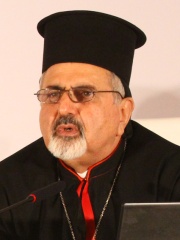
Ignatius Joseph III Yonan
1944 - Present
HPI: 61.18
Rank: 19
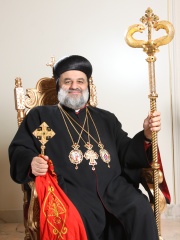
Ignatius Aphrem II
1965 - Present
HPI: 60.08
Rank: 20
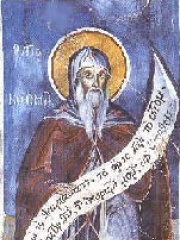
Cosmas of Maiuma
675 - 760
HPI: 59.94
Rank: 21
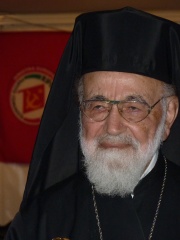
Hilarion Capucci
1922 - 2017
HPI: 59.09
Rank: 22

Ibas of Edessa
400 - 457
HPI: 57.89
Rank: 23
Shah Nimatullah Wali
1330 - 1429
HPI: 55.73
Rank: 24

Maximos IV Sayegh
1878 - 1967
HPI: 54.40
Rank: 25

Abu Mohammad al-Adnani
1977 - 2016
HPI: 54.06
Rank: 26




