Schriftsteller
Saint Gall
550 - 645
DE.WIKIPEDIA-SEITENAUFRUFE (PV)
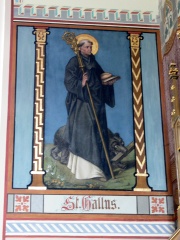
 Saint Gall
Seine Biografie ist in 28 verschiedenen Sprachen auf Wikipedia verfügbar (gestiegen von 26 im Jahr 2024). Saint Gall ist der 1,273rd beliebteste Schriftsteller (gesunken vom 1,134th im Jahr 2024), die 69th beliebteste Biografie aus Irland (gesunken vom 46th im Jahr 2019) und der 12th beliebteste aus Irland Schriftsteller.
Bekanntheitsmetriken
59k
Seitenaufrufe
Letzte 12 Monate
66.51
HPI
Historischer Popularitätsindex
Daten-Einblicke
#15,474
Mehr als 13 Jahrhunderte nach dem Tod belegt Saint Gall noch immer Platz 15,474 unter allen Persönlichkeiten in Pantheon.
1. Jan.
Saint Gall hat am selben Tag Geburtstag (1. Januar) wie Mary, mother of Jesus, Saint Peter und Laozi.
Seitenaufrufe von Saint Gall nach Sprache
Unter Schriftsteller
Unter Schriftsteller belegt Saint Gall Rang 1,273 von 7,302. Vor ihm stehen Agrippa d'Aubigné, Eiji Yoshikawa, Vinicius de Moraes, Nikolaus Lenau, Gottfried Benn, und Anton Praetorius. Nach ihm folgen Nathalie Sarraute, Bāṇabhaṭṭa, Ephraim Kishon, Alfred Thayer Mahan, Ivan Gundulić, und Theodor Storm.
Die beliebtesten Schriftsteller auf Wikipedia
Zu allen Ranglisten
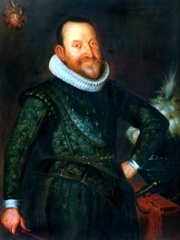
Agrippa d'Aubigné
1552 - 1630
HPI: 66.54
Rang: 1,267
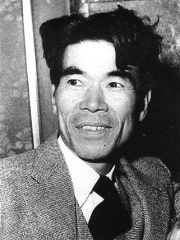
Eiji Yoshikawa
1892 - 1962
HPI: 66.54
Rang: 1,268
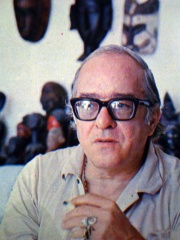
Vinicius de Moraes
1913 - 1980
HPI: 66.51
Rang: 1,269
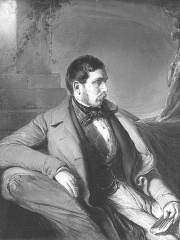
Nikolaus Lenau
1802 - 1850
HPI: 66.51
Rang: 1,270
Gottfried Benn
1886 - 1956
HPI: 66.51
Rang: 1,271
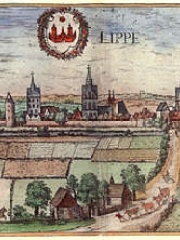
Anton Praetorius
1560 - 1613
HPI: 66.51
Rang: 1,272
Saint Gall
550 - 645
HPI: 66.51
Rang: 1,273
Nathalie Sarraute
1900 - 1999
HPI: 66.51
Rang: 1,274

Bāṇabhaṭṭa
601 - 700
HPI: 66.50
Rang: 1,275
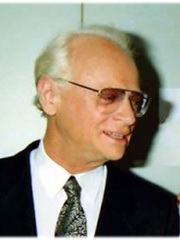
Ephraim Kishon
1924 - 2005
HPI: 66.48
Rang: 1,276
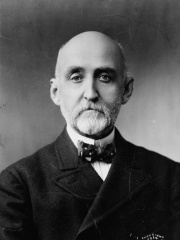
Alfred Thayer Mahan
1840 - 1914
HPI: 66.48
Rang: 1,277
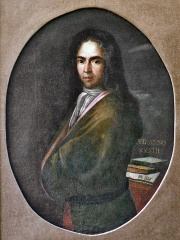
Ivan Gundulić
1589 - 1638
HPI: 66.48
Rang: 1,278
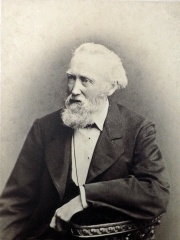
Theodor Storm
1817 - 1888
HPI: 66.47
Rang: 1,279

Zeitgenossen
Unter den im Jahr 550 Geborenen belegt Saint Gall Rang 9. Vor ihm stehen Halimah bint Abi Dhuayb, Teia, Armah, Anastasius of Persia, John the Merciful, und Abdullah ibn Salam. Nach ihm folgen Liuva I, Cleph, Menander Protector, Arioald, Garibald I of Bavaria, und Tardu. Unter den im Jahr 645 Verstorbenen belegt Saint Gall Rang 1. Nach ihm folgen Al-Khansa, und Soga no Iruka.
Weitere im Jahr 550 Geborene
Zu allen Ranglisten
Halimah bint Abi Dhuayb
RELIGIOUS FIGURE
550 - 629
HPI: 72.96
Rang: 3
Teia
POLITICIAN
550 - 552
HPI: 70.16
Rang: 4
Armah
POLITICIAN
550 - 630
HPI: 68.97
Rang: 5
Anastasius of Persia
RELIGIOUS FIGURE
550 - 628
HPI: 67.53
Rang: 6
John the Merciful
RELIGIOUS FIGURE
550 - 619
HPI: 66.86
Rang: 7

Abdullah ibn Salam
RELIGIOUS FIGURE
550 - 643
HPI: 66.65
Rang: 8
Saint Gall
WRITER
550 - 645
HPI: 66.51
Rang: 9
Liuva I
POLITICIAN
550 - 573
HPI: 65.78
Rang: 10

Cleph
POLITICIAN
550 - 574
HPI: 64.41
Rang: 11

Menander Protector
WRITER
550 - heute
HPI: 64.09
Rang: 12

Arioald
POLITICIAN
550 - 636
HPI: 64.03
Rang: 13
Garibald I of Bavaria
POLITICIAN
550 - 593
HPI: 63.89
Rang: 14

Tardu
POLITICIAN
550 - 603
HPI: 63.52
Rang: 15
Weitere im Jahr 645 Verstorbene
Zu allen RanglistenSaint Gall
WRITER
550 - 645
HPI: 66.51
Rang: 1
Al-Khansa
WRITER
575 - 645
HPI: 64.95
Rang: 2
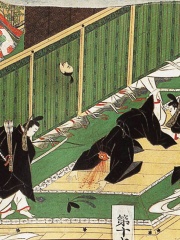
Soga no Iruka
POLITICIAN
700 - 645
HPI: 59.04
Rang: 3
In Irland
Unter den in Irland Geborenen belegt Saint Gall Rang 69 von 549. Vor ihm stehen Rory Gallagher (1948), Maureen O'Hara (1920), John Tyndall (1820), Eileen Gray (1878), Larry Mullen Jr. (1961), und Dolores O'Riordan (1971). Nach ihm folgen Vergilius of Salzburg (700), Ethel Voynich (1864), William C. Campbell (1930), Colin Farrell (1976), Mary Robinson (1944), und James Ussher (1581).
Weitere in Irland geborene Personen
Zu allen Ranglisten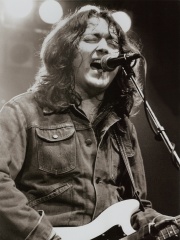
Rory Gallagher
MUSICIAN
1948 - 1995
HPI: 67.26
Rang: 63

Maureen O'Hara
ACTOR
1920 - 2015
HPI: 67.19
Rang: 64
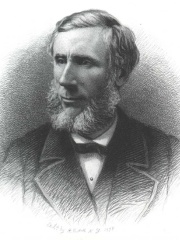
John Tyndall
PHYSICIST
1820 - 1893
HPI: 66.93
Rang: 65
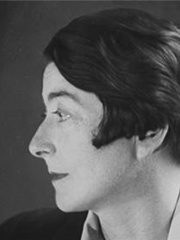
Eileen Gray
ARCHITECT
1878 - 1976
HPI: 66.88
Rang: 66

Larry Mullen Jr.
MUSICIAN
1961 - heute
HPI: 66.55
Rang: 67

Dolores O'Riordan
MUSICIAN
1971 - 2018
HPI: 66.52
Rang: 68
Saint Gall
WRITER
550 - 645
HPI: 66.51
Rang: 69
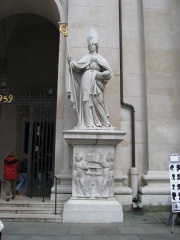
Vergilius of Salzburg
MATHEMATICIAN
700 - 784
HPI: 66.25
Rang: 70
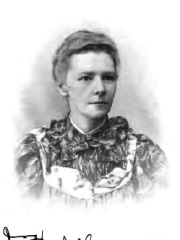
Ethel Voynich
WRITER
1864 - 1960
HPI: 65.98
Rang: 71
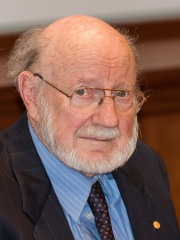
William C. Campbell
CHEMIST
1930 - heute
HPI: 65.97
Rang: 72

Colin Farrell
ACTOR
1976 - heute
HPI: 65.59
Rang: 73
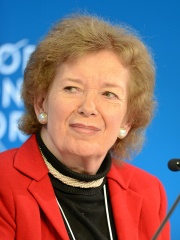
Mary Robinson
POLITICIAN
1944 - heute
HPI: 65.32
Rang: 74

James Ussher
PHILOSOPHER
1581 - 1656
HPI: 65.28
Rang: 75
Unter Schriftsteller in Irland
Unter den in Irland geborenen Schriftsteller belegt Saint Gall Rang 12. Vor ihm stehen Bram Stoker (1847), W. B. Yeats (1865), Augusta, Lady Gregory (1852), Laurence Sterne (1713), Joseph Murphy (1898), und Iris Murdoch (1919). Nach ihm folgen Ethel Voynich (1864), Sheridan Le Fanu (1814), Thomas Moore (1779), Oliver Goldsmith (1728), John Banville (1945), und Christy Brown (1932).
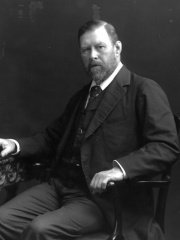
Bram Stoker
1847 - 1912
HPI: 75.89
Rang: 6
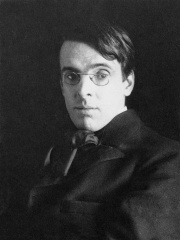
W. B. Yeats
1865 - 1939
HPI: 73.92
Rang: 7
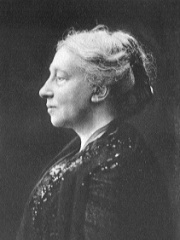
Augusta, Lady Gregory
1852 - 1932
HPI: 72.21
Rang: 8
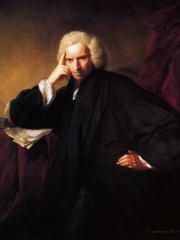
Laurence Sterne
1713 - 1768
HPI: 71.11
Rang: 9
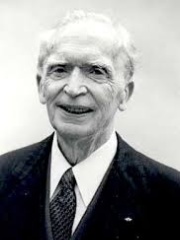
Joseph Murphy
1898 - 1981
HPI: 70.78
Rang: 10
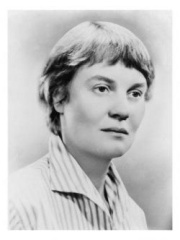
Iris Murdoch
1919 - 1999
HPI: 70.25
Rang: 11
Saint Gall
550 - 645
HPI: 66.51
Rang: 12
Ethel Voynich
1864 - 1960
HPI: 65.98
Rang: 13

Sheridan Le Fanu
1814 - 1873
HPI: 64.75
Rang: 14
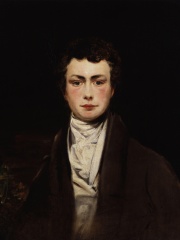
Thomas Moore
1779 - 1852
HPI: 64.70
Rang: 15
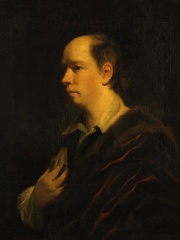
Oliver Goldsmith
1728 - 1774
HPI: 63.85
Rang: 16
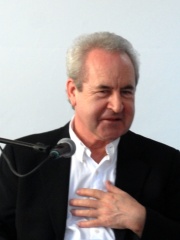
John Banville
1945 - heute
HPI: 63.46
Rang: 17

Christy Brown
1932 - 1981
HPI: 63.30
Rang: 18




