Politiker
Gwanggaeto the Great
374 - 413
DE.WIKIPEDIA PAGE VIEWS (PV)

 Gwanggaeto the Great
Seine Biografie ist in 32 verschiedenen Sprachen auf Wikipedia verfügbar. Gwanggaeto the Great ist der 2,188th beliebteste Politiker (gestiegen vom 2,515th im Jahr 2024), die 128th beliebteste Biografie aus China (gestiegen vom 191st im Jahr 2019) und der 79th beliebteste aus China Politiker.
Memorability Metrics
160k
Page Views
Past 12 months
71.69
HPI
Historical Popularity Index
Page views of Gwanggaeto the Great by language
Among Politikers
Among politikers, Gwanggaeto the Great ranks 2,187 out of 19,576. Before him are Yakov Sverdlov, Mike Pence, Leopoldo Galtieri, Helenus, Antiochus II Theos, and Jingtai Emperor. After him are Tancred, Prince of Galilee, Louis I, Duke of Anjou, Mentuhotep II, August Bebel, Arthur Liebehenschel, and Risto Ryti.
Most Popular Politikers in Wikipedia
Go to all Rankings
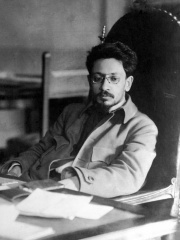
Yakov Sverdlov
1885 - 1919
HPI: 71.71
Rank: 2,182
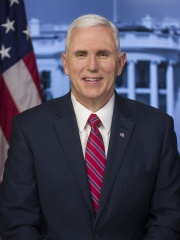
Mike Pence
1959 - Present
HPI: 71.71
Rank: 2,183
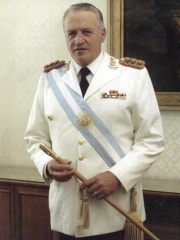
Leopoldo Galtieri
1926 - 2003
HPI: 71.70
Rank: 2,184

Helenus
HPI: 71.70
Rank: 2,185
Antiochus II Theos
286 BC - 246 BC
HPI: 71.70
Rank: 2,186
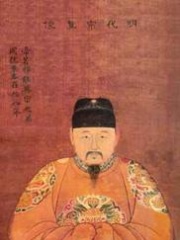
Jingtai Emperor
1428 - 1457
HPI: 71.69
Rank: 2,187
Gwanggaeto the Great
374 - 413
HPI: 71.69
Rank: 2,188
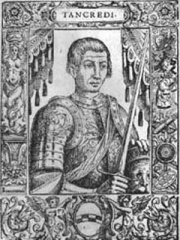
Tancred, Prince of Galilee
1072 - 1112
HPI: 71.69
Rank: 2,189
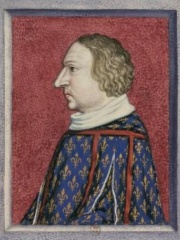
Louis I, Duke of Anjou
1339 - 1384
HPI: 71.68
Rank: 2,190
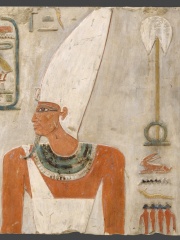
Mentuhotep II
2100 BC - 2013 BC
HPI: 71.68
Rank: 2,191
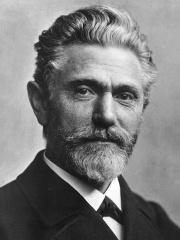
August Bebel
1840 - 1913
HPI: 71.68
Rank: 2,192
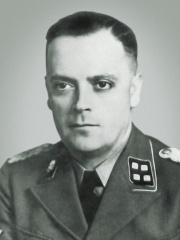
Arthur Liebehenschel
1901 - 1948
HPI: 71.68
Rank: 2,193
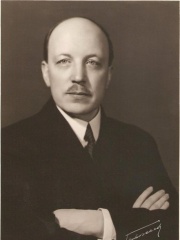
Risto Ryti
1889 - 1956
HPI: 71.68
Rank: 2,194

Contemporaries
Among people born in 374, Gwanggaeto the Great ranks 2. Before him is Athaulf. After him is Galla. Among people deceased in 413, Gwanggaeto the Great ranks 1. After him are Kumārajīva, Synesius, Prudentius, Jovinus, Sebastianus, and Heraclianus.
Others Born in 374
Go to all Rankings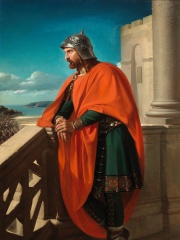
Athaulf
POLITICIAN
374 - 415
HPI: 74.57
Rank: 1
Gwanggaeto the Great
POLITICIAN
374 - 413
HPI: 71.69
Rank: 2

Galla
POLITICIAN
374 - 394
HPI: 60.78
Rank: 3
Others Deceased in 413
Go to all RankingsGwanggaeto the Great
POLITICIAN
374 - 413
HPI: 71.69
Rank: 1
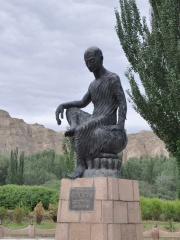
Kumārajīva
WRITER
343 - 413
HPI: 71.30
Rank: 2
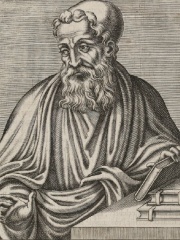
Synesius
PHILOSOPHER
370 - 413
HPI: 70.59
Rank: 3
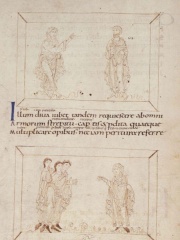
Prudentius
WRITER
348 - 413
HPI: 68.49
Rank: 4
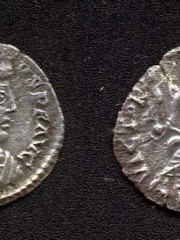
Jovinus
POLITICIAN
310 - 413
HPI: 63.89
Rank: 5
Sebastianus
POLITICIAN
400 - 413
HPI: 59.45
Rank: 6

Heraclianus
POLITICIAN
370 - 413
HPI: 57.22
Rank: 7
In China
Among people born in China, Gwanggaeto the Great ranks 128 out of NaN. Before him are Emperor Yingzong of Ming (1427), Yue Fei (1142), Bai Juyi (772), Yuan Shao (154), Su Shi (1037), and Jingtai Emperor (1428). After him are Lin Biao (1907), Chiang Ching-kuo (1910), Sun Ce (175), Gegeen Khan (1302), Tang of Shang (-1601), and Wang Jingwei (1883).
Others born in China
Go to all Rankings
Emperor Yingzong of Ming
POLITICIAN
1427 - 1464
HPI: 71.85
Rank: 122
Yue Fei
MILITARY PERSONNEL
1142 - 1142
HPI: 71.84
Rank: 123
Bai Juyi
WRITER
772 - 846
HPI: 71.81
Rank: 124
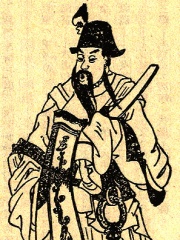
Yuan Shao
POLITICIAN
154 - 202
HPI: 71.75
Rank: 125
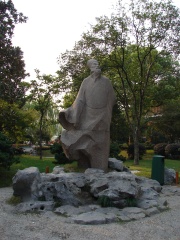
Su Shi
WRITER
1037 - 1101
HPI: 71.71
Rank: 126
Jingtai Emperor
POLITICIAN
1428 - 1457
HPI: 71.69
Rank: 127
Gwanggaeto the Great
POLITICIAN
374 - 413
HPI: 71.69
Rank: 128
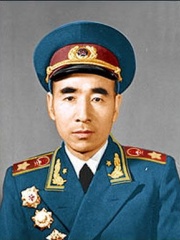
Lin Biao
POLITICIAN
1907 - 1971
HPI: 71.62
Rank: 129
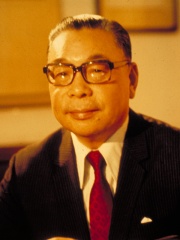
Chiang Ching-kuo
POLITICIAN
1910 - 1988
HPI: 71.59
Rank: 130
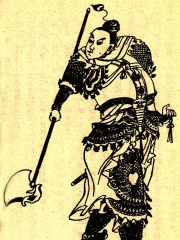
Sun Ce
MILITARY PERSONNEL
175 - 200
HPI: 71.59
Rank: 131
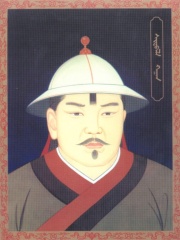
Gegeen Khan
POLITICIAN
1302 - 1323
HPI: 71.58
Rank: 132
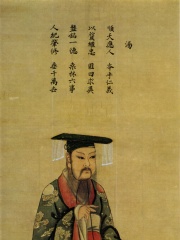
Tang of Shang
POLITICIAN
1601 BC - 1646 BC
HPI: 71.55
Rank: 133
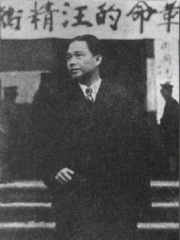
Wang Jingwei
POLITICIAN
1883 - 1944
HPI: 71.51
Rank: 134
Among Politikers In China
Among politikers born in China, Gwanggaeto the Great ranks 79. Before him are Emperor Xian of Han (181), Li Zicheng (1606), Khorloogiin Choibalsan (1895), Emperor Yingzong of Ming (1427), Yuan Shao (154), and Jingtai Emperor (1428). After him are Lin Biao (1907), Chiang Ching-kuo (1910), Gegeen Khan (1302), Tang of Shang (-1601), Wang Jingwei (1883), and Dorgon (1612).
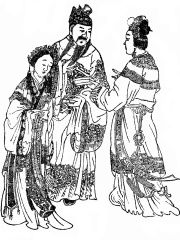
Emperor Xian of Han
181 - 234
HPI: 72.15
Rank: 73
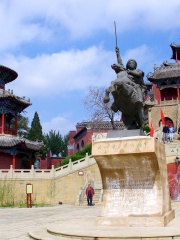
Li Zicheng
1606 - 1645
HPI: 72.12
Rank: 74
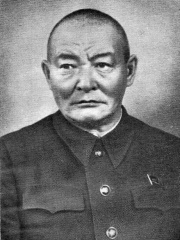
Khorloogiin Choibalsan
1895 - 1952
HPI: 71.97
Rank: 75
Emperor Yingzong of Ming
1427 - 1464
HPI: 71.85
Rank: 76
Yuan Shao
154 - 202
HPI: 71.75
Rank: 77
Jingtai Emperor
1428 - 1457
HPI: 71.69
Rank: 78
Gwanggaeto the Great
374 - 413
HPI: 71.69
Rank: 79
Lin Biao
1907 - 1971
HPI: 71.62
Rank: 80
Chiang Ching-kuo
1910 - 1988
HPI: 71.59
Rank: 81
Gegeen Khan
1302 - 1323
HPI: 71.58
Rank: 82
Tang of Shang
1601 BC - 1646 BC
HPI: 71.55
Rank: 83
Wang Jingwei
1883 - 1944
HPI: 71.51
Rank: 84
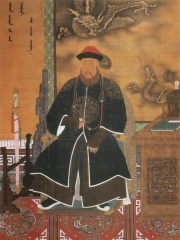
Dorgon
1612 - 1650
HPI: 71.48
Rank: 85




