Politician
Jangsu of Goguryeo
the king of the Goguryeo dynasty of Korea
394 - 491
EN.WIKIPEDIA PAGE VIEWS (PV)
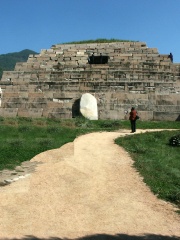
 Jangsu of Goguryeo
His biography is available in 25 different languages on Wikipedia (up from 24 in 2024). Jangsu of Goguryeo is the 4,768th most popular politician (down from 4,640th in 2024), the 316th most popular biography from China (up from 357th in 2019) and the 194th most popular Chinese Politician.
Jangsu of Goguryeo is most famous for its elaborate tombs. Goguryeo was one of the three kingdoms in Korea, and its capital was Pyongyang. The tombs of Goguryeo are some of the most well-preserved ones in the world.
Memorability Metrics
65k
Page Views
Past 12 months
66.86
HPI
Historical Popularity Index
Page views of Jangsu of Goguryeo by language
Among Politicians
Among politicians, Jangsu of Goguryeo ranks 4,766 out of 19,576. Before him are Gesalec, Emperor Toba, Abd al-Aziz ibn Musa, Marie-Louise Coleiro Preca, Barthold Georg Niebuhr, and Manfred Rommel. After him are Antonio I, Prince of Monaco, Emperor Xiaozong of Song, Ibrahim ibn al-Walid, Habibullah Khan, Thomas Francis, Prince of Carignano, and Francesco Maria I della Rovere, Duke of Urbino.
Most Popular Politicians in Wikipedia
Go to all Rankings
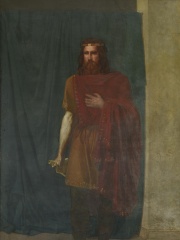
Gesalec
450 - 512
HPI: 66.86
Rank: 4,762
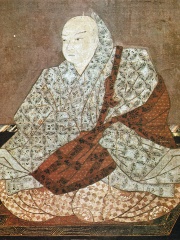
Emperor Toba
1103 - 1156
HPI: 66.86
Rank: 4,763

Abd al-Aziz ibn Musa
700 - 716
HPI: 66.86
Rank: 4,764
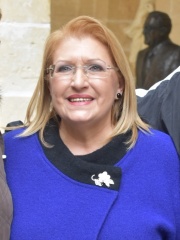
Marie-Louise Coleiro Preca
1958 - Present
HPI: 66.86
Rank: 4,765
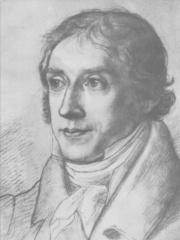
Barthold Georg Niebuhr
1776 - 1831
HPI: 66.86
Rank: 4,766
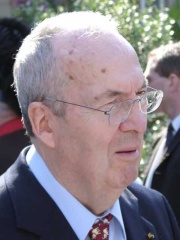
Manfred Rommel
1928 - 2013
HPI: 66.86
Rank: 4,767
Jangsu of Goguryeo
394 - 491
HPI: 66.86
Rank: 4,768
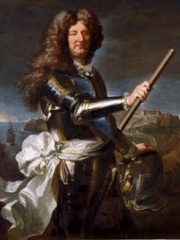
Antonio I, Prince of Monaco
1661 - 1731
HPI: 66.85
Rank: 4,769
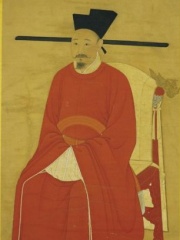
Emperor Xiaozong of Song
1127 - 1194
HPI: 66.85
Rank: 4,770
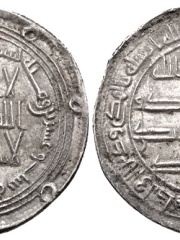
Ibrahim ibn al-Walid
700 - 750
HPI: 66.85
Rank: 4,771
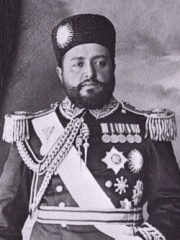
Habibullah Khan
1872 - 1919
HPI: 66.85
Rank: 4,772
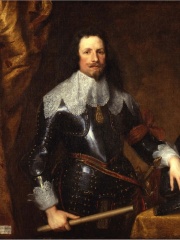
Thomas Francis, Prince of Carignano
1596 - 1656
HPI: 66.85
Rank: 4,773
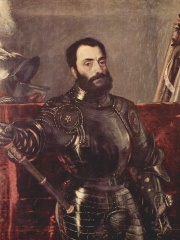
Francesco Maria I della Rovere, Duke of Urbino
1490 - 1538
HPI: 66.85
Rank: 4,774

Contemporaries
Among people born in 394, Jangsu of Goguryeo ranks 2. Before him is Vortigern. Among people deceased in 491, Jangsu of Goguryeo ranks 2. Before him is Zeno. After him are Peter the Iberian, and Chilperic II of Burgundy.
Others Born in 394
Go to all Rankings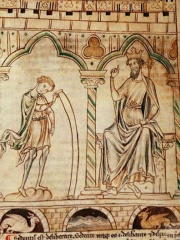
Others Deceased in 491
Go to all Rankings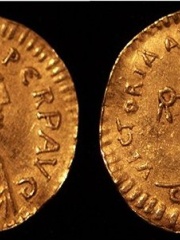
Zeno
POLITICIAN
425 - 491
HPI: 76.57
Rank: 1
Jangsu of Goguryeo
POLITICIAN
394 - 491
HPI: 66.86
Rank: 2
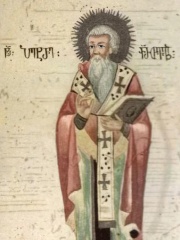
Peter the Iberian
PHILOSOPHER
411 - 491
HPI: 64.53
Rank: 3

Chilperic II of Burgundy
POLITICIAN
450 - 491
HPI: 63.30
Rank: 4
In China
Among people born in China, Jangsu of Goguryeo ranks 316 out of NaN. Before him are Yoshiko Kawashima (1907), Uskhal Khan Tögüs Temür (1342), Xiahou Yuan (200), Seiji Ozawa (1935), Mao Anying (1922), and Xu Huang (169). After him are Emperor Xiaozong of Song (1127), Shi Nai'an (1296), Wei Zhongxian (1568), Emperor Hui of Jin (259), Zhao Tuo (-230), and Yuan Chonghuan (1584).
Others born in China
Go to all Rankings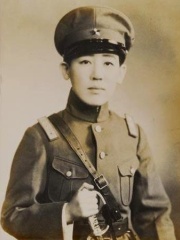
Yoshiko Kawashima
MILITARY PERSONNEL
1907 - 1948
HPI: 66.95
Rank: 310
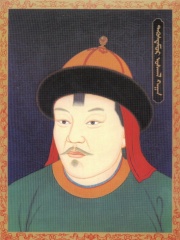
Uskhal Khan Tögüs Temür
POLITICIAN
1342 - 1388
HPI: 66.93
Rank: 311
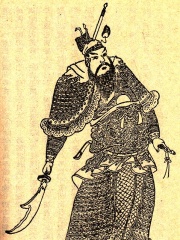
Xiahou Yuan
MILITARY PERSONNEL
200 - 219
HPI: 66.91
Rank: 312
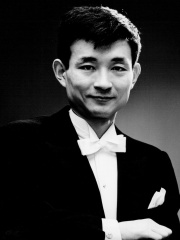
Seiji Ozawa
CONDUCTOR
1935 - 2024
HPI: 66.90
Rank: 313
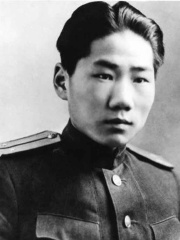
Mao Anying
POLITICIAN
1922 - 1950
HPI: 66.88
Rank: 314
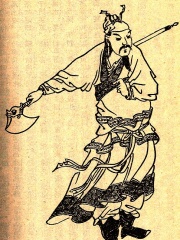
Xu Huang
MILITARY PERSONNEL
169 - 227
HPI: 66.87
Rank: 315
Jangsu of Goguryeo
POLITICIAN
394 - 491
HPI: 66.86
Rank: 316
Emperor Xiaozong of Song
POLITICIAN
1127 - 1194
HPI: 66.85
Rank: 317
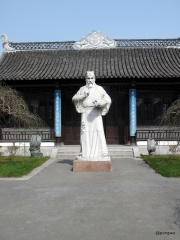
Shi Nai'an
WRITER
1296 - 1372
HPI: 66.84
Rank: 318

Wei Zhongxian
POLITICIAN
1568 - 1627
HPI: 66.81
Rank: 319
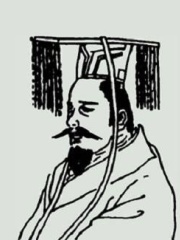
Emperor Hui of Jin
POLITICIAN
259 - 307
HPI: 66.80
Rank: 320
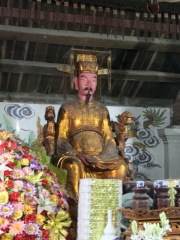
Zhao Tuo
POLITICIAN
230 BC - 137 BC
HPI: 66.79
Rank: 321
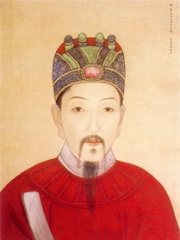
Yuan Chonghuan
POLITICIAN
1584 - 1630
HPI: 66.74
Rank: 322
Among Politicians In China
Among politicians born in China, Jangsu of Goguryeo ranks 194. Before him are Trisong Detsen (742), Wu Zixu (-526), Feng Yuxiang (1882), Lu Xun (183), Uskhal Khan Tögüs Temür (1342), and Mao Anying (1922). After him are Emperor Xiaozong of Song (1127), Wei Zhongxian (1568), Emperor Hui of Jin (259), Zhao Tuo (-230), Yuan Chonghuan (1584), and Empress Dowager Ci'an (1837).
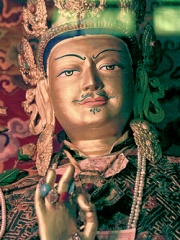
Trisong Detsen
742 - 798
HPI: 67.04
Rank: 188
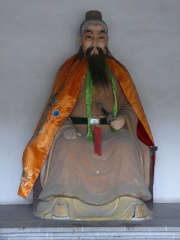
Wu Zixu
526 BC - 483 BC
HPI: 67.02
Rank: 189
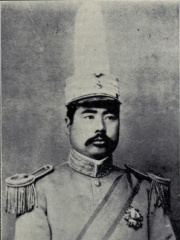
Feng Yuxiang
1882 - 1948
HPI: 66.98
Rank: 190
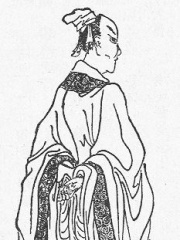
Lu Xun
183 - 245
HPI: 66.97
Rank: 191
Uskhal Khan Tögüs Temür
1342 - 1388
HPI: 66.93
Rank: 192
Mao Anying
1922 - 1950
HPI: 66.88
Rank: 193
Jangsu of Goguryeo
394 - 491
HPI: 66.86
Rank: 194
Emperor Xiaozong of Song
1127 - 1194
HPI: 66.85
Rank: 195
Wei Zhongxian
1568 - 1627
HPI: 66.81
Rank: 196
Emperor Hui of Jin
259 - 307
HPI: 66.80
Rank: 197
Zhao Tuo
230 BC - 137 BC
HPI: 66.79
Rank: 198
Yuan Chonghuan
1584 - 1630
HPI: 66.74
Rank: 199
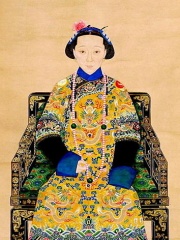
Empress Dowager Ci'an
1837 - 1881
HPI: 66.73
Rank: 200




