Schriftsteller
Guillaume Musso
1974 - heute
DE.WIKIPEDIA-SEITENAUFRUFE (PV)


 Guillaume Musso
Seine Biografie ist in 28 verschiedenen Sprachen auf Wikipedia verfügbar. Guillaume Musso ist der 4,656th beliebteste Schriftsteller (gesunken vom 3,655th im Jahr 2024), die 4,346th beliebteste Biografie aus Frankreich (gesunken vom 3,661st im Jahr 2019) und der 546th beliebteste aus Frankreich Schriftsteller.
Bekanntheitsmetriken
190k
Seitenaufrufe
Letzte 12 Monate
56.51
HPI
Historischer Popularitätsindex
Daten-Einblicke
28
Die Biografie von Guillaume Musso umfasst 28 Sprachversionen der Wikipedia und erreicht einen Historischen Popularitätsindex von 56.51.
Seitenaufrufe von Guillaume Musso nach Sprache
Unter Schriftsteller
Unter Schriftsteller belegt Guillaume Musso Rang 4,656 von 7,707. Vor ihm stehen E. Marlitt, Laurence J. Peter, Jaroslav Pelikan, Thomas Nashe, Elizabeth Goudge, und Ramón J. Sender. Nach ihm folgen Alexander Volkov, Christian Matras, Isaac Watts, Urs Widmer, Levon Shant, und Pierre Mac Orlan.
Die beliebtesten Schriftsteller auf Wikipedia
Zu allen Ranglisten
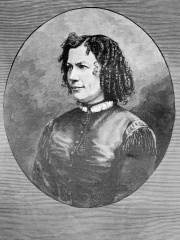
E. Marlitt
1825 - 1887
HPI: 56.51
Rang: 4,650
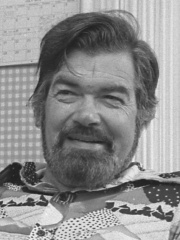
Laurence J. Peter
1919 - 1990
HPI: 56.51
Rang: 4,651
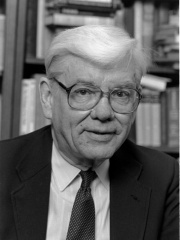
Jaroslav Pelikan
1923 - 2006
HPI: 56.51
Rang: 4,652
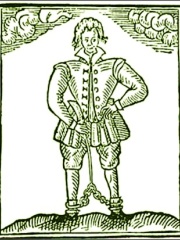
Thomas Nashe
1567 - 1601
HPI: 56.51
Rang: 4,653
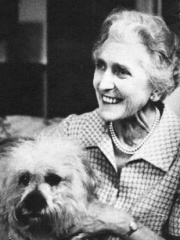
Elizabeth Goudge
1900 - 1984
HPI: 56.51
Rang: 4,654
Ramón J. Sender
1901 - 1982
HPI: 56.51
Rang: 4,655
Guillaume Musso
1974 - heute
HPI: 56.51
Rang: 4,656

Alexander Volkov
1891 - 1977
HPI: 56.50
Rang: 4,657
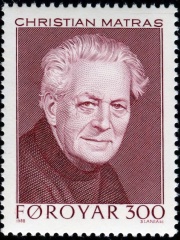
Christian Matras
1900 - 1988
HPI: 56.50
Rang: 4,658
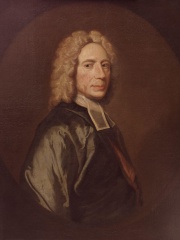
Isaac Watts
1674 - 1748
HPI: 56.50
Rang: 4,659
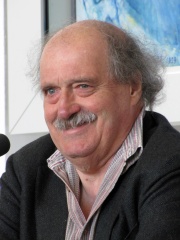
Urs Widmer
1938 - 2014
HPI: 56.50
Rang: 4,660
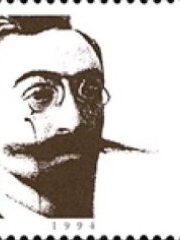
Levon Shant
1869 - 1951
HPI: 56.49
Rang: 4,661
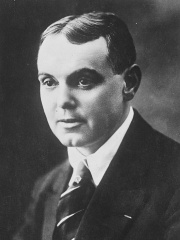
Pierre Mac Orlan
1882 - 1970
HPI: 56.49
Rang: 4,662

Zeitgenossen
Unter den im Jahr 1974 Geborenen belegt Guillaume Musso Rang 121. Vor ihm stehen Angela Gossow, Mr Lordi, Josh Radnor, Matthew Macfadyen, Julio Ricardo Cruz, und Alexander Pichushkin. Nach ihm folgen Tosca Musk, Sylvinho, Dado Pršo, Hidetaka Miyazaki, Aneela Mirza, und Petter Solberg.
Weitere im Jahr 1974 Geborene
Zu allen Ranglisten
Angela Gossow
SINGER
1974 - heute
HPI: 56.63
Rang: 115

Mr Lordi
MUSICIAN
1974 - heute
HPI: 56.62
Rang: 116
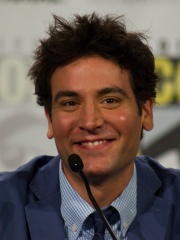
Josh Radnor
ACTOR
1974 - heute
HPI: 56.60
Rang: 117
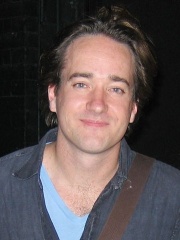
Matthew Macfadyen
ACTOR
1974 - heute
HPI: 56.59
Rang: 118

Julio Ricardo Cruz
SOCCER PLAYER
1974 - heute
HPI: 56.54
Rang: 119

Alexander Pichushkin
EXTREMIST
1974 - heute
HPI: 56.52
Rang: 120
Guillaume Musso
WRITER
1974 - heute
HPI: 56.51
Rang: 121
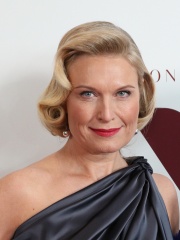
Tosca Musk
FILM DIRECTOR
1974 - heute
HPI: 56.49
Rang: 122

Sylvinho
SOCCER PLAYER
1974 - heute
HPI: 56.48
Rang: 123

Dado Pršo
SOCCER PLAYER
1974 - heute
HPI: 56.42
Rang: 124

Hidetaka Miyazaki
GAME DESIGNER
1974 - heute
HPI: 56.40
Rang: 125

Aneela Mirza
SINGER
1974 - heute
HPI: 56.37
Rang: 126

Petter Solberg
RACING DRIVER
1974 - heute
HPI: 56.36
Rang: 127
In Frankreich
Unter den in Frankreich Geborenen belegt Guillaume Musso Rang 4,346 von 7,658. Vor ihm stehen Léon Sée (1877), Louis Daquin (1908), Marc Fumaroli (1932), Pierre Chaunu (1923), Émile Lemoine (1840), und Roger Lapébie (1911). Nach ihm folgen Gabrielle Réjane (1856), Aimée Antoinette Camus (1879), Georg von Rosen (1843), Jacques Martin (1921), Ferdinand Monoyer (1836), und François Remetter (1928).
Weitere in Frankreich geborene Personen
Zu allen Ranglisten
Léon Sée
FENCER
1877 - 1960
HPI: 56.52
Rang: 4,340

Louis Daquin
FILM DIRECTOR
1908 - 1980
HPI: 56.52
Rang: 4,341
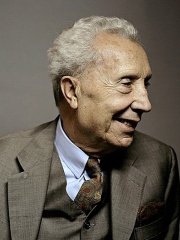
Marc Fumaroli
HISTORIAN
1932 - 2020
HPI: 56.51
Rang: 4,342

Pierre Chaunu
HISTORIAN
1923 - 2009
HPI: 56.51
Rang: 4,343
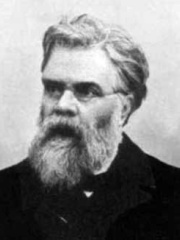
Émile Lemoine
ENGINEER
1840 - 1912
HPI: 56.51
Rang: 4,344
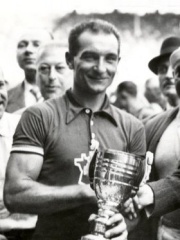
Roger Lapébie
CYCLIST
1911 - 1996
HPI: 56.51
Rang: 4,345
Guillaume Musso
WRITER
1974 - heute
HPI: 56.51
Rang: 4,346
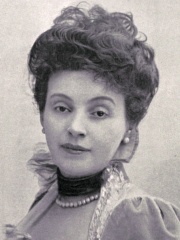
Gabrielle Réjane
ACTOR
1856 - 1920
HPI: 56.51
Rang: 4,347

Aimée Antoinette Camus
BIOLOGIST
1879 - 1965
HPI: 56.51
Rang: 4,348
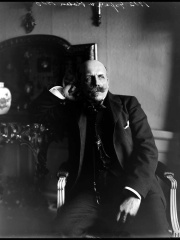
Georg von Rosen
PAINTER
1843 - 1923
HPI: 56.50
Rang: 4,349
Jacques Martin
COMIC ARTIST
1921 - 2010
HPI: 56.50
Rang: 4,350
Ferdinand Monoyer
PHYSICIST
1836 - 1912
HPI: 56.49
Rang: 4,351
François Remetter
SOCCER PLAYER
1928 - 2022
HPI: 56.49
Rang: 4,352
Unter Schriftsteller in Frankreich
Unter den in Frankreich geborenen Schriftsteller belegt Guillaume Musso Rang 546. Vor ihm stehen Olivier de Serres (1539), Francis de Miomandre (1880), Ernst Stadler (1883), Jean-Richard Bloch (1884), Pierre Michon (1945), und Paul Déroulède (1846). Nach ihm folgen Pierre Mac Orlan (1882), Patrick Poivre d'Arvor (1947), Jean-Baptiste-Louis Gresset (1709), François Tristan l'Hermite (1601), Benoîte Groult (1920), und Hervé Le Tellier (1957).
Olivier de Serres
1539 - 1619
HPI: 56.78
Rang: 540
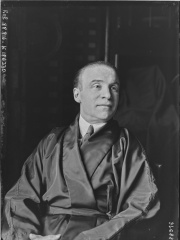
Francis de Miomandre
1880 - 1959
HPI: 56.72
Rang: 541
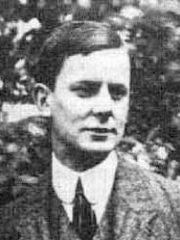
Ernst Stadler
1883 - 1914
HPI: 56.71
Rang: 542
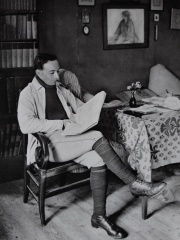
Jean-Richard Bloch
1884 - 1947
HPI: 56.66
Rang: 543

Pierre Michon
1945 - heute
HPI: 56.64
Rang: 544
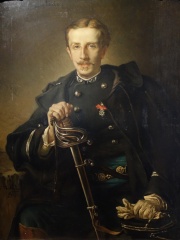
Paul Déroulède
1846 - 1914
HPI: 56.63
Rang: 545
Guillaume Musso
1974 - heute
HPI: 56.51
Rang: 546
Pierre Mac Orlan
1882 - 1970
HPI: 56.49
Rang: 547
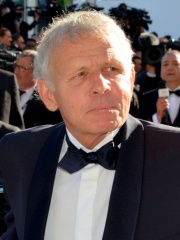
Patrick Poivre d'Arvor
1947 - heute
HPI: 56.48
Rang: 548
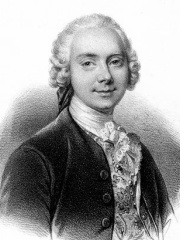
Jean-Baptiste-Louis Gresset
1709 - 1777
HPI: 56.43
Rang: 549
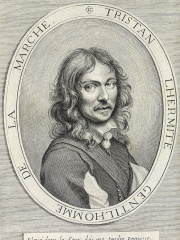
François Tristan l'Hermite
1601 - 1655
HPI: 56.36
Rang: 550
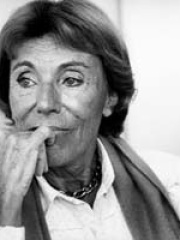
Benoîte Groult
1920 - 2016
HPI: 56.35
Rang: 551
Hervé Le Tellier
1957 - heute
HPI: 56.35
Rang: 552




