Fußballspieler
Gabriele Oriali
1952 - heute
DE.WIKIPEDIA-SEITENAUFRUFE (PV)
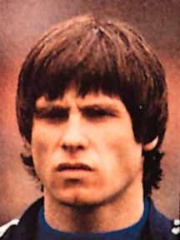
 Gabriele Oriali
Seine Biografie ist in 36 verschiedenen Sprachen auf Wikipedia verfügbar. Gabriele Oriali ist der 1,820th beliebteste Fußballspieler (gesunken vom 1,566th im Jahr 2024), die 3,145th beliebteste Biografie aus Italien (gesunken vom 2,994th im Jahr 2019) und der 128th beliebteste aus Italien Fußballspieler.
Bekanntheitsmetriken
140k
Seitenaufrufe
Letzte 12 Monate
58.59
HPI
Historischer Popularitätsindex
Seitenaufrufe von Gabriele Oriali nach Sprache
Unter Fußballspieler
Unter Fußballspieler belegt Gabriele Oriali Rang 1,816 von 21,273. Vor ihm stehen Zinho, Thomas Bickel, Ado, Dominique Baratelli, Dimitri Payet, und Horst Blankenburg. Nach ihm folgen Hiroyuki Sakashita, Jesús Garay, José Peseiro, Rafael Martín Vázquez, Diego López, und Ljubiša Spajić.
Die beliebtesten Fußballspieler auf Wikipedia
Zu allen Ranglisten
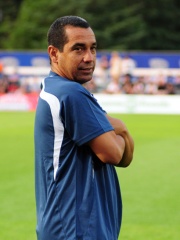
Zinho
1967 - heute
HPI: 58.60
Rang: 1,814
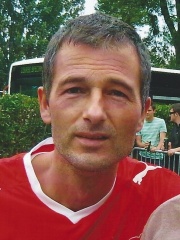
Thomas Bickel
1963 - heute
HPI: 58.60
Rang: 1,815
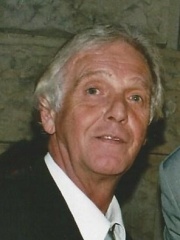
Ado
1946 - heute
HPI: 58.60
Rang: 1,816
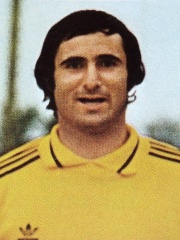
Dominique Baratelli
1947 - heute
HPI: 58.59
Rang: 1,817
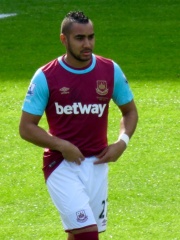
Dimitri Payet
1987 - heute
HPI: 58.59
Rang: 1,818
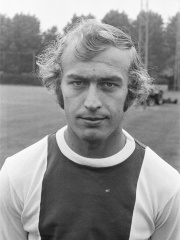
Horst Blankenburg
1947 - heute
HPI: 58.59
Rang: 1,819
Gabriele Oriali
1952 - heute
HPI: 58.59
Rang: 1,820

Hiroyuki Sakashita
1959 - heute
HPI: 58.59
Rang: 1,821
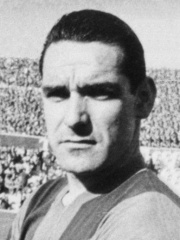
Jesús Garay
1930 - 1995
HPI: 58.58
Rang: 1,822
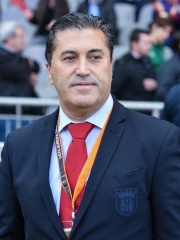
José Peseiro
1960 - heute
HPI: 58.58
Rang: 1,823
Rafael Martín Vázquez
1965 - heute
HPI: 58.58
Rang: 1,824
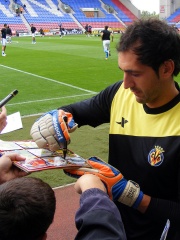
Diego López
1981 - heute
HPI: 58.58
Rang: 1,825

Ljubiša Spajić
1926 - 2004
HPI: 58.58
Rang: 1,826

Zeitgenossen
Unter den im Jahr 1952 Geborenen belegt Gabriele Oriali Rang 276. Vor ihm stehen Roseanne Barr, Mohamed Abu al-Qasim al-Zwai, Ed Lee, Kim Stanley Robinson, Benito Floro, und Jan Raas. Nach ihm folgen Robledo Puch, Delroy Lindo, John Lurie, Clayton Christensen, Bora Đorđević, und Dumitru Prunariu.
Weitere im Jahr 1952 Geborene
Zu allen Ranglisten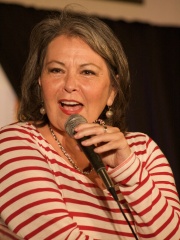
Roseanne Barr
ACTOR
1952 - heute
HPI: 58.74
Rang: 270

Mohamed Abu al-Qasim al-Zwai
POLITICIAN
1952 - heute
HPI: 58.74
Rang: 271
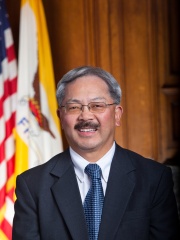
Ed Lee
POLITICIAN
1952 - 2017
HPI: 58.71
Rang: 272
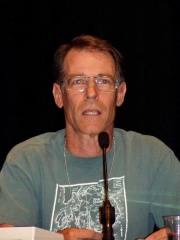
Kim Stanley Robinson
WRITER
1952 - heute
HPI: 58.70
Rang: 273
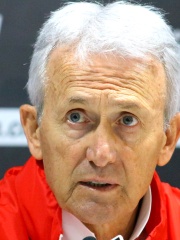
Benito Floro
COACH
1952 - heute
HPI: 58.60
Rang: 274
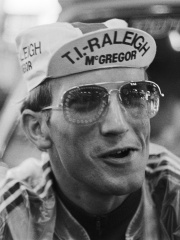
Jan Raas
CYCLIST
1952 - heute
HPI: 58.60
Rang: 275
Gabriele Oriali
SOCCER PLAYER
1952 - heute
HPI: 58.59
Rang: 276
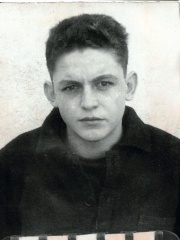
Robledo Puch
EXTREMIST
1952 - heute
HPI: 58.59
Rang: 277
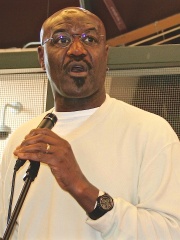
Delroy Lindo
ACTOR
1952 - heute
HPI: 58.58
Rang: 278
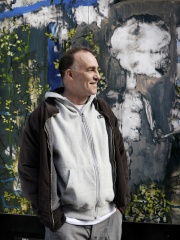
John Lurie
MUSICIAN
1952 - heute
HPI: 58.58
Rang: 279
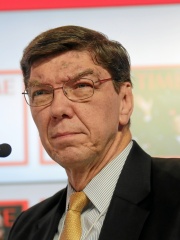
Clayton Christensen
BUSINESSPERSON
1952 - 2020
HPI: 58.52
Rang: 280
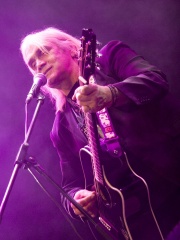
Bora Đorđević
SINGER
1952 - 2024
HPI: 58.51
Rang: 281
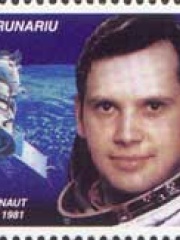
Dumitru Prunariu
ASTRONAUT
1952 - heute
HPI: 58.49
Rang: 282
In Italien
Unter den in Italien Geborenen belegt Gabriele Oriali Rang 3,145 von NaN. Vor ihm stehen Piero Cappuccilli (1929), Teresa de Lauretis (1938), Orio Mastropiero (1150), Antonio Beccadelli (1394), Lorenzo Celsi (1310), und Giovanni Brunero (1895). Nach ihm folgen Francesco Provenzale (1632), Domenico Tintoretto (1560), Pino Donaggio (1941), Vittorio Ambrosio (1879), Marcus Plautius Silvanus (null), und Clyde Geronimi (1901).
Weitere in Italien geborene Personen
Zu allen Ranglisten
Piero Cappuccilli
SINGER
1929 - 2005
HPI: 58.62
Rang: 3,139
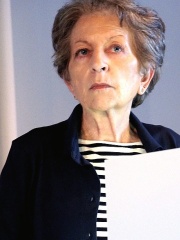
Teresa de Lauretis
WRITER
1938 - 2026
HPI: 58.62
Rang: 3,140
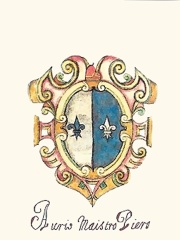
Orio Mastropiero
POLITICIAN
1150 - 1192
HPI: 58.62
Rang: 3,141
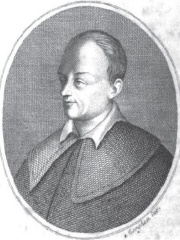
Antonio Beccadelli
WRITER
1394 - 1471
HPI: 58.62
Rang: 3,142
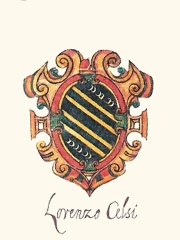
Lorenzo Celsi
POLITICIAN
1310 - 1365
HPI: 58.62
Rang: 3,143
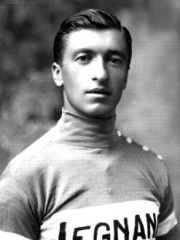
Giovanni Brunero
CYCLIST
1895 - 1934
HPI: 58.62
Rang: 3,144
Gabriele Oriali
SOCCER PLAYER
1952 - heute
HPI: 58.59
Rang: 3,145

Francesco Provenzale
COMPOSER
1632 - 1704
HPI: 58.59
Rang: 3,146
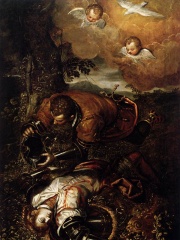
Domenico Tintoretto
PAINTER
1560 - 1635
HPI: 58.58
Rang: 3,147
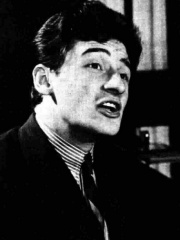
Pino Donaggio
MUSICIAN
1941 - heute
HPI: 58.58
Rang: 3,148
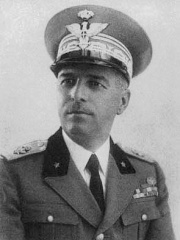
Vittorio Ambrosio
MILITARY PERSONNEL
1879 - 1958
HPI: 58.57
Rang: 3,149

Marcus Plautius Silvanus
POLITICIAN
HPI: 58.56
Rang: 3,150

Clyde Geronimi
FILM DIRECTOR
1901 - 1989
HPI: 58.56
Rang: 3,151
Unter Fußballspieler in Italien
Unter den in Italien geborenen Fußballspieler belegt Gabriele Oriali Rang 128. Vor ihm stehen Renato Cesarini (1906), Giorgio Ferrini (1939), Mario Pizziolo (1909), Giovanni Galli (1958), Antonio Juliano (1943), und Aldo Boffi (1915). Nach ihm folgen Giancarlo De Sisti (1943), Ottavio Bianchi (1943), Luigi Di Biagio (1971), Carlo Ceresoli (1910), Mario Bertini (1944), und Marcus Thuram (1997).
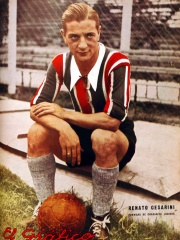
Renato Cesarini
1906 - 1969
HPI: 58.91
Rang: 122
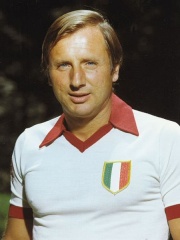
Giorgio Ferrini
1939 - 1976
HPI: 58.82
Rang: 123
Mario Pizziolo
1909 - 1990
HPI: 58.79
Rang: 124
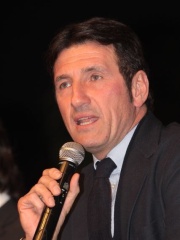
Giovanni Galli
1958 - heute
HPI: 58.76
Rang: 125
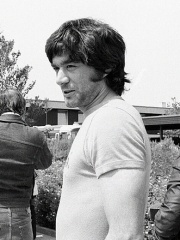
Antonio Juliano
1943 - 2023
HPI: 58.76
Rang: 126
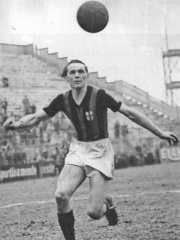
Aldo Boffi
1915 - 1987
HPI: 58.75
Rang: 127
Gabriele Oriali
1952 - heute
HPI: 58.59
Rang: 128
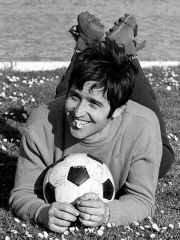
Giancarlo De Sisti
1943 - heute
HPI: 58.42
Rang: 129
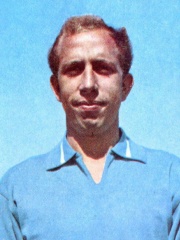
Ottavio Bianchi
1943 - heute
HPI: 58.38
Rang: 130
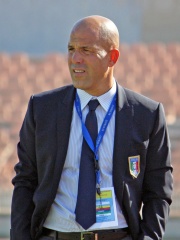
Luigi Di Biagio
1971 - heute
HPI: 58.19
Rang: 131
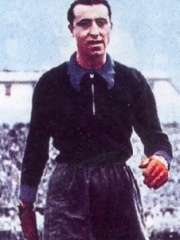
Carlo Ceresoli
1910 - 1995
HPI: 58.18
Rang: 132
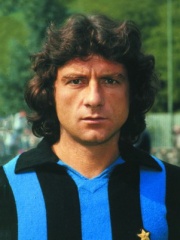
Mario Bertini
1944 - heute
HPI: 58.15
Rang: 133
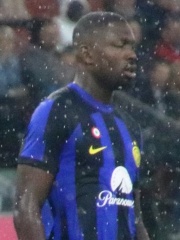
Marcus Thuram
1997 - heute
HPI: 58.12
Rang: 134




