Politiker
Aguila Saleh Issa
1944 - heute
DE.WIKIPEDIA-SEITENAUFRUFE (PV)
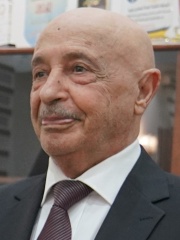
 Aguila Saleh Issa
Seine Biografie ist in 18 verschiedenen Sprachen auf Wikipedia verfügbar (gestiegen von 16 im Jahr 2024). Aguila Saleh Issa ist der 5,468th beliebteste Politiker (gestiegen vom 8,580th im Jahr 2024), die 21st beliebteste Biografie aus Libyen (gestiegen vom 30th im Jahr 2019) und der 6th beliebteste aus Libyen Politiker.
Bekanntheitsmetriken
70k
Seitenaufrufe
Letzte 12 Monate
65.96
HPI
Historischer Popularitätsindex
Seitenaufrufe von Aguila Saleh Issa nach Sprache
Unter Politiker
Unter Politiker belegt Aguila Saleh Issa Rang 5,466 von 19,576. Vor ihm stehen Gyula Gömbös, Valdis Zatlers, William the Lion, Hans Martin Sutermeister, Liu Xiang, und Nikolay Bobrikov. Nach ihm folgen Princess Milica of Serbia, Momčilo Krajišnik, Quintus Hortensius, Wolfgang Kapp, Princess Maria Antonia of Naples and Sicily, und Philip of Sweden.
Die beliebtesten Politiker auf Wikipedia
Zu allen Ranglisten
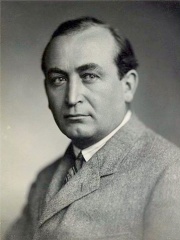
Gyula Gömbös
1886 - 1936
HPI: 65.96
Rang: 5,462

Valdis Zatlers
1955 - heute
HPI: 65.96
Rang: 5,463
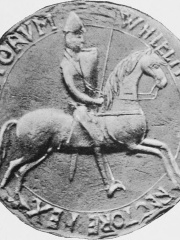
William the Lion
1142 - 1214
HPI: 65.96
Rang: 5,464
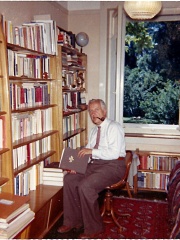
Hans Martin Sutermeister
1907 - 1977
HPI: 65.96
Rang: 5,465
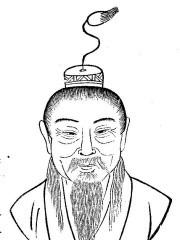
Liu Xiang
77 BC - 6 BC
HPI: 65.96
Rang: 5,466
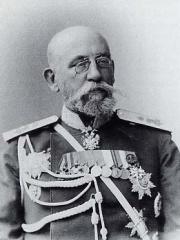
Nikolay Bobrikov
1839 - 1904
HPI: 65.96
Rang: 5,467
Aguila Saleh Issa
1944 - heute
HPI: 65.96
Rang: 5,468
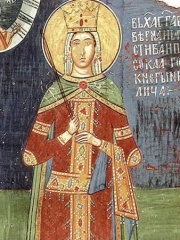
Princess Milica of Serbia
1335 - 1405
HPI: 65.95
Rang: 5,469
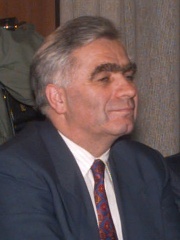
Momčilo Krajišnik
1945 - 2020
HPI: 65.95
Rang: 5,470

Quintus Hortensius
114 BC - 50 BC
HPI: 65.95
Rang: 5,471
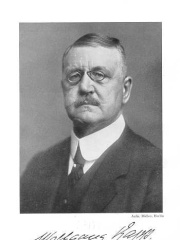
Wolfgang Kapp
1858 - 1922
HPI: 65.95
Rang: 5,472
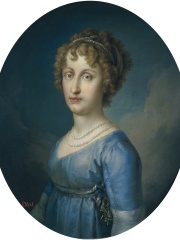
Princess Maria Antonia of Naples and Sicily
1784 - 1806
HPI: 65.95
Rang: 5,473
Philip of Sweden
1105 - 1118
HPI: 65.95
Rang: 5,474

Zeitgenossen
Unter den im Jahr 1944 Geborenen belegt Aguila Saleh Issa Rang 137. Vor ihm stehen Chico Buarque, Francis Lee, Robert Powell, Luis Ladaria Ferrer, Roger Daltrey, und Patrice Chéreau. Nach ihm folgen Chico Mendes, James Heckman, Norodom Ranariddh, Lucía Topolansky, Agnes Baltsa, und Gary Busey.
Weitere im Jahr 1944 Geborene
Zu allen Ranglisten
Chico Buarque
MUSICIAN
1944 - heute
HPI: 66.34
Rang: 131
Francis Lee
SOCCER PLAYER
1944 - 2023
HPI: 66.21
Rang: 132

Robert Powell
ACTOR
1944 - heute
HPI: 66.16
Rang: 133
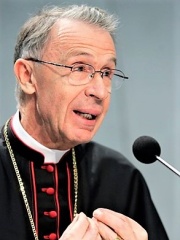
Luis Ladaria Ferrer
RELIGIOUS FIGURE
1944 - heute
HPI: 66.10
Rang: 134
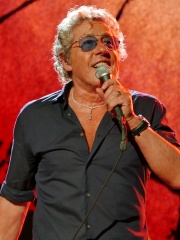
Roger Daltrey
MUSICIAN
1944 - heute
HPI: 66.08
Rang: 135
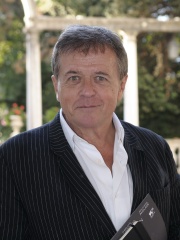
Patrice Chéreau
FILM DIRECTOR
1944 - 2013
HPI: 65.99
Rang: 136
Aguila Saleh Issa
POLITICIAN
1944 - heute
HPI: 65.96
Rang: 137
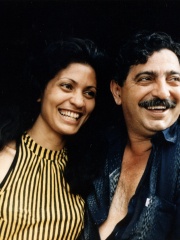
Chico Mendes
SOCIAL ACTIVIST
1944 - 1988
HPI: 65.85
Rang: 138
James Heckman
ECONOMIST
1944 - heute
HPI: 65.84
Rang: 139

Norodom Ranariddh
POLITICIAN
1944 - 2021
HPI: 65.77
Rang: 140
Lucía Topolansky
POLITICIAN
1944 - heute
HPI: 65.74
Rang: 141
Agnes Baltsa
SINGER
1944 - heute
HPI: 65.63
Rang: 142

Gary Busey
ACTOR
1944 - heute
HPI: 65.61
Rang: 143
In Libyen
Unter den in Libyen Geborenen belegt Aguila Saleh Issa Rang 21 von NaN. Vor ihm stehen Synesius (370), Mustafa Abdul Jalil (1952), Hegesias of Cyrene (-400), Theodorus the Atheist (-340), Lorenzo Bandini (1935), und Theodorus of Cyrene (-465). Nach ihm folgen Rossana Podestà (1934), Mahmoud Jibril (1952), Claudio Gentile (1953), Arete of Cyrene (-400), Fayez al-Sarraj (1960), und Ali Zeidan (1950).
Weitere in Libyen geborene Personen
Zu allen Ranglisten
Synesius
PHILOSOPHER
370 - 413
HPI: 70.59
Rang: 15
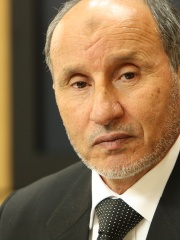
Mustafa Abdul Jalil
POLITICIAN
1952 - heute
HPI: 68.78
Rang: 16

Hegesias of Cyrene
PHILOSOPHER
400 BC - 300 BC
HPI: 67.07
Rang: 17

Theodorus the Atheist
PHILOSOPHER
340 BC - 250 BC
HPI: 67.02
Rang: 18
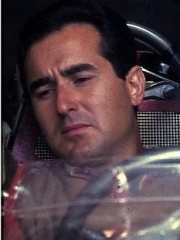
Lorenzo Bandini
RACING DRIVER
1935 - 1967
HPI: 66.44
Rang: 19

Theodorus of Cyrene
MATHEMATICIAN
465 BC - 398 BC
HPI: 66.16
Rang: 20
Aguila Saleh Issa
POLITICIAN
1944 - heute
HPI: 65.96
Rang: 21
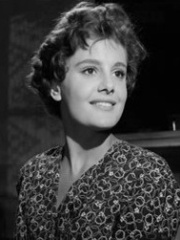
Rossana Podestà
ACTOR
1934 - 2013
HPI: 65.76
Rang: 22
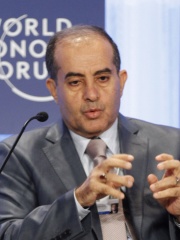
Mahmoud Jibril
POLITICIAN
1952 - 2020
HPI: 65.66
Rang: 23
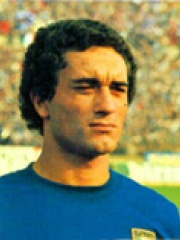
Claudio Gentile
SOCCER PLAYER
1953 - heute
HPI: 65.65
Rang: 24

Arete of Cyrene
PHILOSOPHER
400 BC - 340 BC
HPI: 65.25
Rang: 25
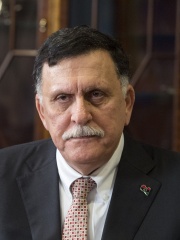
Fayez al-Sarraj
POLITICIAN
1960 - heute
HPI: 64.89
Rang: 26
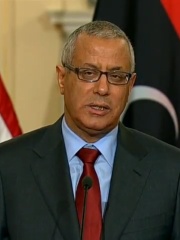
Ali Zeidan
POLITICIAN
1950 - heute
HPI: 63.50
Rang: 27
Unter Politiker in Libyen
Unter den in Libyen geborenen Politiker belegt Aguila Saleh Issa Rang 6. Vor ihm stehen Muammar Gaddafi (1942), Septimius Severus (145), Simon of Cyrene (-100), Idris of Libya (1889), und Mustafa Abdul Jalil (1952). Nach ihm folgen Mahmoud Jibril (1952), Fayez al-Sarraj (1960), Ali Zeidan (1950), Baghdadi Mahmudi (1945), Hodierna of Jerusalem (1110), und Gaius Fulvius Plautianus (150).
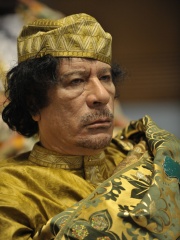
Muammar Gaddafi
1942 - 2011
HPI: 85.50
Rang: 1
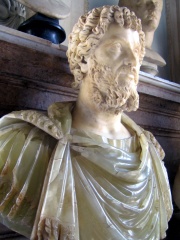
Septimius Severus
145 - 211
HPI: 82.04
Rang: 2
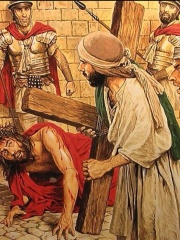
Simon of Cyrene
100 BC - 100
HPI: 76.33
Rang: 3
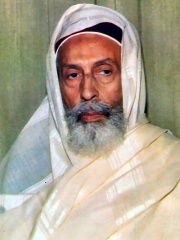
Idris of Libya
1889 - 1983
HPI: 73.19
Rang: 4
Mustafa Abdul Jalil
1952 - heute
HPI: 68.78
Rang: 5
Aguila Saleh Issa
1944 - heute
HPI: 65.96
Rang: 6
Mahmoud Jibril
1952 - 2020
HPI: 65.66
Rang: 7
Fayez al-Sarraj
1960 - heute
HPI: 64.89
Rang: 8
Ali Zeidan
1950 - heute
HPI: 63.50
Rang: 9
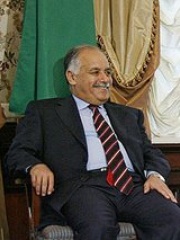
Baghdadi Mahmudi
1945 - heute
HPI: 63.43
Rang: 10
Hodierna of Jerusalem
1110 - 1164
HPI: 63.38
Rang: 11
Gaius Fulvius Plautianus
150 - 205
HPI: 63.26
Rang: 12




