سياسي
Umar II
682 - 720
مشاهدات AR.WIKIPEDIA (PV)

 Umar II
سيرته الذاتية متاحة بـ55 لغة مختلفة على ويكيبيديا (زيادة من 52 في 2024). يحتل Umar II المرتبة 963 بين أكثر سياسي شعبيةً (تراجعًا من 762 في 2024)، والمرتبة 36 بين أكثر السير الذاتية شعبيةً في المملكة العربية السعودية (تقدمًا من 39 في 2019)، كما يحتل المرتبة 14 بين أكثر سياسي من المملكة العربية السعودية شعبيةً.
مقاييس الشهرة
460k
مشاهدات الصفحة
آخر 12 شهرًا
76.00
HPI
مؤشر الشعبية التاريخية
رؤى من البيانات
مشاهدات صفحة Umar II حسب اللغة
من بين سياسي
من بين سياسي، يحتل Umar II المرتبة 963 من أصل 20,022. قبله يأتي Ptolemy XII Auletes, Vladislaus II of Hungary, Anwar Ibrahim, Michael III, Henry V, Holy Roman Emperor, وRadu cel Frumos. بعده يأتي Lucius Caesar, Richard I of Normandy, Lazar of Serbia, Maumoon Abdul Gayoom, Shunzhi Emperor, وAnna of Austria, Queen of Spain.
أشهر سياسي على ويكيبيديا
عرض جميع التصنيفات
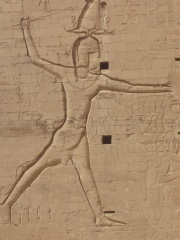
Ptolemy XII Auletes
117 BC - 51 BC
HPI: 76.02
المرتبة: 957
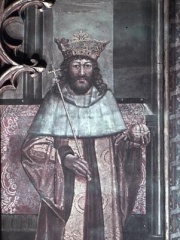
Vladislaus II of Hungary
1456 - 1516
HPI: 76.02
المرتبة: 958

Anwar Ibrahim
1947 - حتى الآن
HPI: 76.01
المرتبة: 959
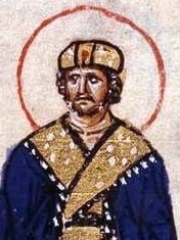
Michael III
840 - 867
HPI: 76.01
المرتبة: 960
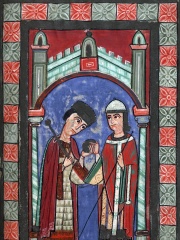
Henry V, Holy Roman Emperor
1086 - 1125
HPI: 76.01
المرتبة: 961
Radu cel Frumos
1438 - 1475
HPI: 76.00
المرتبة: 962
Umar II
682 - 720
HPI: 76.00
المرتبة: 963
Lucius Caesar
17 BC - 2
HPI: 76.00
المرتبة: 964

Richard I of Normandy
933 - 996
HPI: 76.00
المرتبة: 965

Lazar of Serbia
1329 - 1389
HPI: 75.99
المرتبة: 966
Maumoon Abdul Gayoom
1937 - حتى الآن
HPI: 75.99
المرتبة: 967

Shunzhi Emperor
1638 - 1661
HPI: 75.98
المرتبة: 968

Anna of Austria, Queen of Spain
1549 - 1580
HPI: 75.98
المرتبة: 969

معاصرون
من بين المولودين في عام 682، يحتل Umar II المرتبة 1. من بين المتوفين في عام 720، يحتل Umar II المرتبة 2. قبله يأتي Tariq ibn Ziyad. بعده يأتي Odile of Alsace, Yazid ibn al-Muhallab, وFujiwara no Fuhito.
آخرون وُلدوا في عام 682
عرض جميع التصنيفاتآخرون توفوا في عام 720
عرض جميع التصنيفات
Tariq ibn Ziyad
MILITARY PERSONNEL
670 - 720
HPI: 79.15
المرتبة: 1
Umar II
POLITICIAN
682 - 720
HPI: 76.00
المرتبة: 2

Odile of Alsace
RELIGIOUS FIGURE
662 - 720
HPI: 67.48
المرتبة: 3

Yazid ibn al-Muhallab
MILITARY PERSONNEL
673 - 720
HPI: 62.31
المرتبة: 4

Fujiwara no Fuhito
POLITICIAN
659 - 720
HPI: 61.14
المرتبة: 5
في المملكة العربية السعودية
من بين المولودين في المملكة العربية السعودية، يحتل Umar II المرتبة 36 من أصل 419. قبله يأتي Abū Lahab (549), Abu Sufyan ibn Harb (580), Abu Hurairah (600), Zaynab bint Jahsh (592), Ali ibn Husayn Zayn al-Abidin (659), وFahd of Saudi Arabia (1921). بعده يأتي Abd Allah ibn al-Zubayr (624), Marwan I (623), Zainab bint Muhammad (600), Zayd ibn Harithah (581), Khalid of Saudi Arabia (1912), وAbd Allah ibn Abbas (619).
آخرون وُلدوا في المملكة العربية السعودية
عرض جميع التصنيفات
Abū Lahab
POLITICIAN
549 - 624
HPI: 77.13
المرتبة: 30

Abu Sufyan ibn Harb
POLITICIAN
580 - 641
HPI: 76.78
المرتبة: 31

Abu Hurairah
RELIGIOUS FIGURE
600 - 676
HPI: 76.62
المرتبة: 32

Zaynab bint Jahsh
RELIGIOUS FIGURE
592 - 641
HPI: 76.60
المرتبة: 33

Ali ibn Husayn Zayn al-Abidin
RELIGIOUS FIGURE
659 - 713
HPI: 76.32
المرتبة: 34
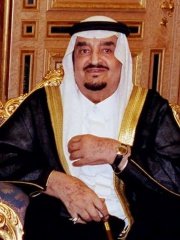
Fahd of Saudi Arabia
POLITICIAN
1921 - 2005
HPI: 76.14
المرتبة: 35
Umar II
POLITICIAN
682 - 720
HPI: 76.00
المرتبة: 36
Abd Allah ibn al-Zubayr
RELIGIOUS FIGURE
624 - 692
HPI: 75.77
المرتبة: 37
Marwan I
POLITICIAN
623 - 685
HPI: 75.70
المرتبة: 38

Zainab bint Muhammad
COMPANION
600 - 629
HPI: 75.61
المرتبة: 39

Zayd ibn Harithah
COMPANION
581 - 629
HPI: 75.45
المرتبة: 40
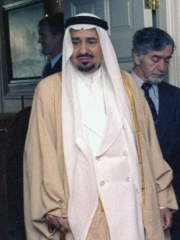
Khalid of Saudi Arabia
POLITICIAN
1912 - 1982
HPI: 75.27
المرتبة: 41

Abd Allah ibn Abbas
RELIGIOUS FIGURE
619 - 688
HPI: 75.27
المرتبة: 42
من بين سياسي في المملكة العربية السعودية
من بين سياسي المولودين في المملكة العربية السعودية، يحتل Umar II المرتبة 14. قبله يأتي Faisal I of Iraq (1885), Hamza ibn Abdul-Muttalib (570), Abd al-Malik ibn Marwan (646), Abū Lahab (549), Abu Sufyan ibn Harb (580), وFahd of Saudi Arabia (1921). بعده يأتي Marwan I (623), Khalid of Saudi Arabia (1912), Abul Kalam Azad (1888), Al-Walid I (668), Abdullah I of Jordan (1882), وZubayr ibn al-Awam (594).
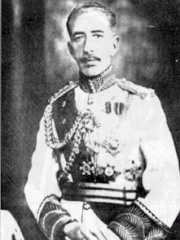
Faisal I of Iraq
1885 - 1933
HPI: 77.93
المرتبة: 8
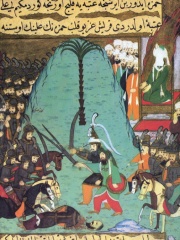
Hamza ibn Abdul-Muttalib
570 - 625
HPI: 77.55
المرتبة: 9
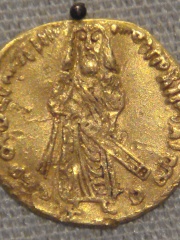
Abd al-Malik ibn Marwan
646 - 705
HPI: 77.44
المرتبة: 10
Abū Lahab
549 - 624
HPI: 77.13
المرتبة: 11
Abu Sufyan ibn Harb
580 - 641
HPI: 76.78
المرتبة: 12
Fahd of Saudi Arabia
1921 - 2005
HPI: 76.14
المرتبة: 13
Umar II
682 - 720
HPI: 76.00
المرتبة: 14
Marwan I
623 - 685
HPI: 75.70
المرتبة: 15
Khalid of Saudi Arabia
1912 - 1982
HPI: 75.27
المرتبة: 16
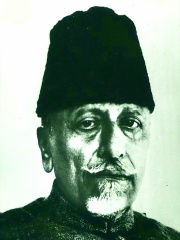
Abul Kalam Azad
1888 - 1958
HPI: 75.21
المرتبة: 17
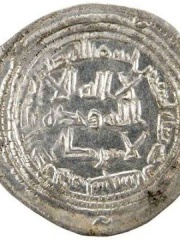
Al-Walid I
668 - 715
HPI: 75.10
المرتبة: 18
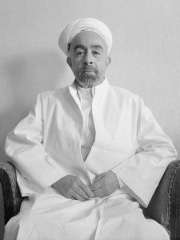
Abdullah I of Jordan
1882 - 1951
HPI: 75.10
المرتبة: 19

Zubayr ibn al-Awam
594 - 656
HPI: 75.02
المرتبة: 20




