سياسي
Phriapatius
290 BC - 176 BC
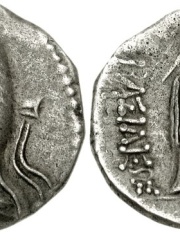
 Phriapatius
سيرته الذاتية متاحة بـ37 لغة مختلفة على ويكيبيديا (زيادة من 35 في 2024). يحتل Phriapatius المرتبة 8,064 بين أكثر سياسي شعبيةً (تراجعًا من 6,639 في 2024)، والمرتبة 220 بين أكثر السير الذاتية شعبيةً في إيران (تراجعًا من 197 في 2019)، كما يحتل المرتبة 120 بين أكثر سياسي من إيران شعبيةً.
Memorability Metrics
24k
Page Views
Past 12 months
63.12
HPI
Historical Popularity Index
Page views of Phriapatius by language
Among سياسي
Among سياسي, Phriapatius ranks 8,061 out of 19,576. Before him are Rostislav Mikhailovich, Alexios IV of Trebizond, Zidanta I, Hedwig Jagiellon, Electress of Brandenburg, Gaius Claudius Nero, and John Hancock. After him are Karl Leopold, Duke of Mecklenburg-Schwerin, Minamoto no Yoriie, Emperor Xizong of Jin, Emperor Xingzong of Liao, Leo I, Prince of Armenia, and Christos Sartzetakis.
Most Popular سياسي in Wikipedia
Go to all Rankings
Rostislav Mikhailovich
1227 - 1264
HPI: 63.12
Rank: 8,058
Alexios IV of Trebizond
1382 - 1429
HPI: 63.12
Rank: 8,059
Zidanta I
1600 BC - 1600 BC
HPI: 63.12
Rank: 8,060
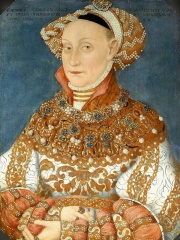
Hedwig Jagiellon, Electress of Brandenburg
1513 - 1573
HPI: 63.12
Rank: 8,061
Gaius Claudius Nero
300 BC - 260 BC
HPI: 63.12
Rank: 8,062
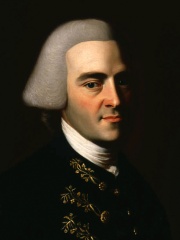
John Hancock
1737 - 1793
HPI: 63.12
Rank: 8,063
Phriapatius
290 BC - 176 BC
HPI: 63.12
Rank: 8,064
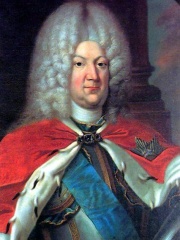
Karl Leopold, Duke of Mecklenburg-Schwerin
1678 - 1747
HPI: 63.12
Rank: 8,065
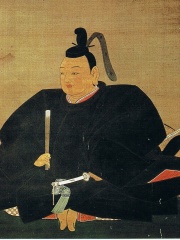
Minamoto no Yoriie
1182 - 1204
HPI: 63.12
Rank: 8,066

Emperor Xizong of Jin
1119 - 1150
HPI: 63.12
Rank: 8,067

Emperor Xingzong of Liao
1016 - 1055
HPI: 63.12
Rank: 8,068

Leo I, Prince of Armenia
1100 - 1140
HPI: 63.12
Rank: 8,069

Christos Sartzetakis
1929 - 2022
HPI: 63.11
Rank: 8,070

Contemporaries
Among people born in 290 BC, Phriapatius ranks 5. Before him are Teuta, Sostratus of Cnidus, Menippus, and Zhang Liang. After him are Anyte of Tegea, Antigonus of Carystus, Titus Manlius Torquatus, and Lucius Caecilius Metellus. Among people deceased in 176 BC, Phriapatius ranks 2. Before him is Cleopatra I Syra.
Others Born in 290 BC
Go to all Rankings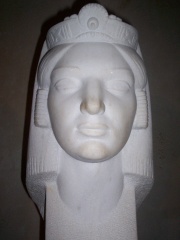
Teuta
POLITICIAN
290 BC - Present
HPI: 71.05
Rank: 1

Sostratus of Cnidus
ARCHITECT
290 BC - 260 BC
HPI: 70.20
Rank: 2
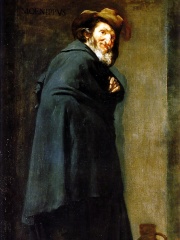
Menippus
WRITER
290 BC - 260 BC
HPI: 69.12
Rank: 3
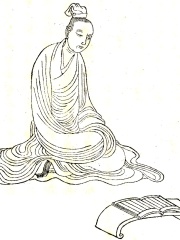
Zhang Liang
POLITICIAN
290 BC - 186 BC
HPI: 68.73
Rank: 4
Phriapatius
POLITICIAN
290 BC - 176 BC
HPI: 63.12
Rank: 5

Anyte of Tegea
WRITER
290 BC - 300 BC
HPI: 62.81
Rank: 6

Antigonus of Carystus
WRITER
290 BC - 197 BC
HPI: 61.66
Rank: 7

Titus Manlius Torquatus
POLITICIAN
290 BC - 202 BC
HPI: 60.68
Rank: 8

Lucius Caecilius Metellus
POLITICIAN
290 BC - 221 BC
HPI: 59.35
Rank: 9
Others Deceased in 176 BC
Go to all Rankings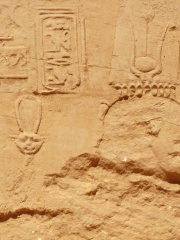
Cleopatra I Syra
POLITICIAN
204 BC - 176 BC
HPI: 69.70
Rank: 1
Phriapatius
POLITICIAN
290 BC - 176 BC
HPI: 63.12
Rank: 2
In إيران
Among people born in إيران, Phriapatius ranks 220 out of NaN. Before him are Aga Khan I (1800), Ashraf Pahlavi (1919), Gotarzes I (-200), Ali ibn Sahl Rabban al-Tabari (838), Gotarzes II of Parthia (10), and Narges Mohammadi (1972). After him are Hamdallah Mustawfi (1281), Shutruk-Nakhunte (-1300), Fazlollah Zahedi (1897), Al-Hakim al-Nishapuri (933), Safi al-Din al-Urmawi (1216), and Shaul Mofaz (1948).
Others born in إيران
Go to all Rankings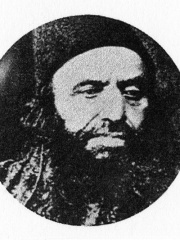
Aga Khan I
POLITICIAN
1800 - 1881
HPI: 63.36
Rank: 214

Ashraf Pahlavi
POLITICIAN
1919 - 2016
HPI: 63.31
Rank: 215
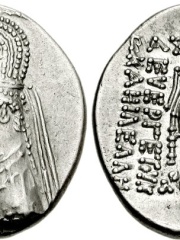
Gotarzes I
POLITICIAN
200 BC - 90 BC
HPI: 63.24
Rank: 216

Ali ibn Sahl Rabban al-Tabari
PHYSICIAN
838 - 870
HPI: 63.16
Rank: 217
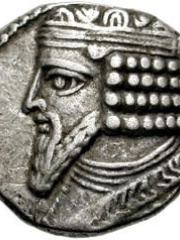
Gotarzes II of Parthia
POLITICIAN
10 - 51
HPI: 63.14
Rank: 218

Narges Mohammadi
SOCIAL ACTIVIST
1972 - Present
HPI: 63.13
Rank: 219
Phriapatius
POLITICIAN
290 BC - 176 BC
HPI: 63.12
Rank: 220
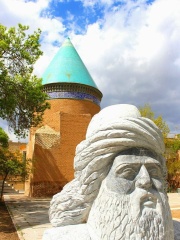
Hamdallah Mustawfi
WRITER
1281 - 1349
HPI: 63.06
Rank: 221
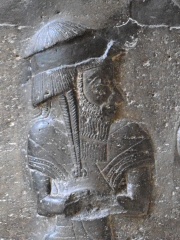
Shutruk-Nakhunte
POLITICIAN
1300 BC - 1155 BC
HPI: 63.00
Rank: 222
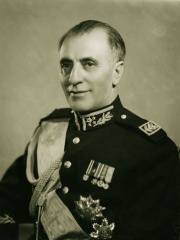
Fazlollah Zahedi
POLITICIAN
1897 - 1963
HPI: 62.98
Rank: 223

Al-Hakim al-Nishapuri
RELIGIOUS FIGURE
933 - 1014
HPI: 62.95
Rank: 224
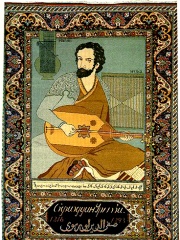
Safi al-Din al-Urmawi
MUSICIAN
1216 - 1294
HPI: 62.94
Rank: 225

Shaul Mofaz
POLITICIAN
1948 - Present
HPI: 62.87
Rank: 226
Among سياسي In إيران
Among سياسي born in إيران, Phriapatius ranks 120. Before him are Vardanes I (10), Azarmidokht (null), Aga Khan I (1800), Ashraf Pahlavi (1919), Gotarzes I (-200), and Gotarzes II of Parthia (10). After him are Shutruk-Nakhunte (-1300), Fazlollah Zahedi (1897), Shaul Mofaz (1948), Shahrokh Shah (1734), Amir Kabir (1807), and Amir-Abbas Hoveyda (1919).
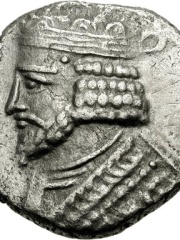
Vardanes I
10 - 47
HPI: 63.63
Rank: 114
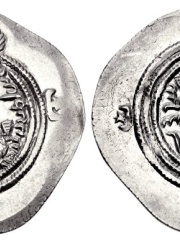
Azarmidokht
HPI: 63.60
Rank: 115
Aga Khan I
1800 - 1881
HPI: 63.36
Rank: 116
Ashraf Pahlavi
1919 - 2016
HPI: 63.31
Rank: 117
Gotarzes I
200 BC - 90 BC
HPI: 63.24
Rank: 118
Gotarzes II of Parthia
10 - 51
HPI: 63.14
Rank: 119
Phriapatius
290 BC - 176 BC
HPI: 63.12
Rank: 120
Shutruk-Nakhunte
1300 BC - 1155 BC
HPI: 63.00
Rank: 121
Fazlollah Zahedi
1897 - 1963
HPI: 62.98
Rank: 122
Shaul Mofaz
1948 - Present
HPI: 62.87
Rank: 123
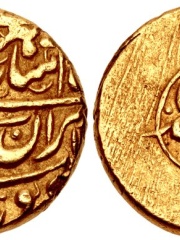
Shahrokh Shah
1734 - 1796
HPI: 62.62
Rank: 124
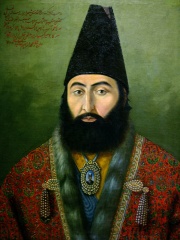
Amir Kabir
1807 - 1852
HPI: 62.51
Rank: 125
Amir-Abbas Hoveyda
1919 - 1979
HPI: 62.45
Rank: 126




