رسام
Muqi
1210 - 1270

 Muqi
Muqi
سيرته الذاتية متاحة بـ17 لغة مختلفة على ويكيبيديا. يحتل Muqi المرتبة 1,127 بين أكثر رسام شعبيةً (تراجعًا من 913 في 2024)، والمرتبة 707 بين أكثر السير الذاتية شعبيةً في الصين (تراجعًا من 628 في 2019)، كما يحتل المرتبة 24 بين أكثر رسام من الصين شعبيةً.
مقاييس الشهرة
25k
مشاهدات الصفحة
آخر 12 شهرًا
60.47
HPI
مؤشر الشعبية التاريخية
رؤى من البيانات
17
تمتد سيرة Muqi عبر 17 نسخة لغوية من ويكيبيديا وتبلغ قيمة مؤشر الشعبية التاريخية 60.47.
مشاهدات صفحة Muqi حسب اللغة
من بين رسام
من بين رسام، يحتل Muqi المرتبة 1,127 من أصل 2,055. قبله يأتي Carl-Henning Pedersen, Gabriel von Max, Eugène Emmanuel Amaury Duval, Ephraim Moses Lilien, Joos de Momper, وMica Todorović. بعده يأتي Albrecht Adam, Jean-François Raffaëlli, Huang Gongwang, Wilhelm von Kaulbach, Zao Wou-Ki, وNicolas Froment.
أشهر رسام على ويكيبيديا
عرض جميع التصنيفات

Carl-Henning Pedersen
1913 - 2007
HPI: 60.53
المرتبة: 1,121
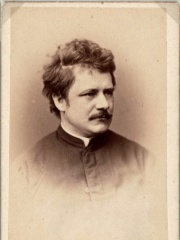
Gabriel von Max
1840 - 1915
HPI: 60.51
المرتبة: 1,122
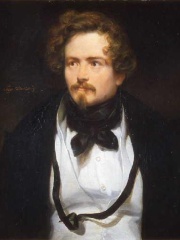
Eugène Emmanuel Amaury Duval
1808 - 1885
HPI: 60.50
المرتبة: 1,123
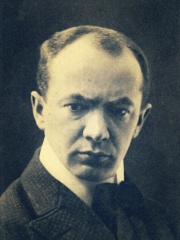
Ephraim Moses Lilien
1874 - 1925
HPI: 60.48
المرتبة: 1,124
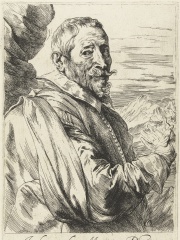
Joos de Momper
1564 - 1635
HPI: 60.48
المرتبة: 1,125
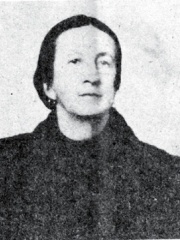
Mica Todorović
1900 - 1981
HPI: 60.47
المرتبة: 1,126
Muqi
1210 - 1270
HPI: 60.47
المرتبة: 1,127
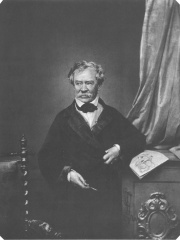
Albrecht Adam
1786 - 1862
HPI: 60.45
المرتبة: 1,128

Jean-François Raffaëlli
1850 - 1924
HPI: 60.45
المرتبة: 1,129
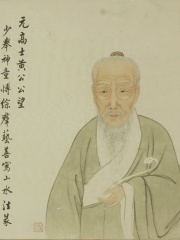
Huang Gongwang
1269 - 1354
HPI: 60.45
المرتبة: 1,130
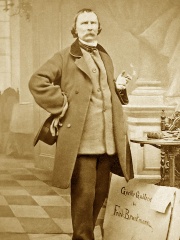
Wilhelm von Kaulbach
1805 - 1874
HPI: 60.44
المرتبة: 1,131
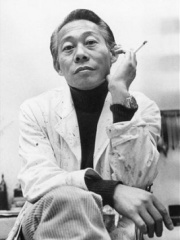
Zao Wou-Ki
1920 - 2013
HPI: 60.44
المرتبة: 1,132

Nicolas Froment
1430 - 1484
HPI: 60.43
المرتبة: 1,133

معاصرون
من بين المولودين في عام 1210، يحتل Muqi المرتبة 14. قبله يأتي Chaka of Bulgaria, Guan Hanqing, Toros Roslin, Campanus of Novara, Giacomo da Lentini, وBonaventura Berlinghieri. بعده يأتي Guido Bonatti, Joan of England, Queen of Scotland, Henry de Bracton, Barnim I, Duke of Pomerania, وMorta. من بين المتوفين في عام 1270، يحتل Muqi المرتبة 17. قبله يأتي John Tristan, Count of Valois, Toros Roslin, Mécia Lopes de Haro, Margaret of Sicily, David VII of Georgia, وAlfonso of Brienne. بعده يأتي Si Inthrathit, وMargaret, Marchioness of Namur.
آخرون وُلدوا في عام 1210
عرض جميع التصنيفات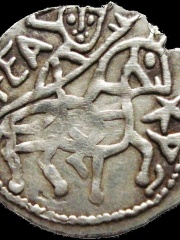
Chaka of Bulgaria
POLITICIAN
1210 - 1300
HPI: 63.40
المرتبة: 8
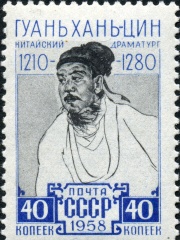
Guan Hanqing
WRITER
1210 - 1280
HPI: 62.86
المرتبة: 9
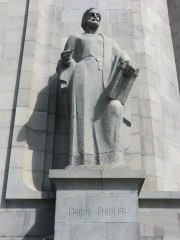
Toros Roslin
PAINTER
1210 - 1270
HPI: 62.22
المرتبة: 10
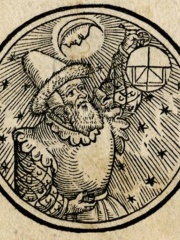
Campanus of Novara
MATHEMATICIAN
1210 - 1296
HPI: 61.13
المرتبة: 11
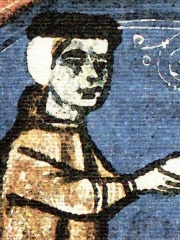
Giacomo da Lentini
WRITER
1210 - 1260
HPI: 60.97
المرتبة: 12
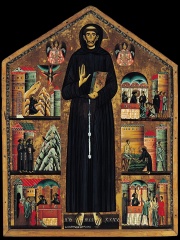
Bonaventura Berlinghieri
PAINTER
1210 - 1287
HPI: 60.91
المرتبة: 13
Muqi
PAINTER
1210 - 1270
HPI: 60.47
المرتبة: 14
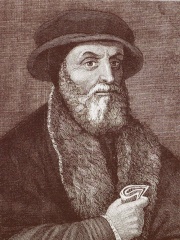
Guido Bonatti
ASTRONOMER
1210 - 1296
HPI: 60.05
المرتبة: 15
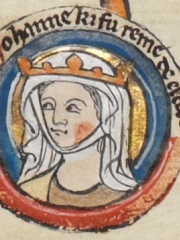
Joan of England, Queen of Scotland
COMPANION
1210 - 1238
HPI: 59.94
المرتبة: 16

Henry de Bracton
LAWYER
1210 - 1268
HPI: 59.38
المرتبة: 17
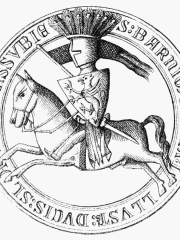
Barnim I, Duke of Pomerania
POLITICIAN
1210 - 1278
HPI: 58.94
المرتبة: 18
Morta
POLITICIAN
1210 - 1260
HPI: 58.84
المرتبة: 19
آخرون توفوا في عام 1270
عرض جميع التصنيفات
John Tristan, Count of Valois
POLITICIAN
1250 - 1270
HPI: 64.09
المرتبة: 11
Toros Roslin
PAINTER
1210 - 1270
HPI: 62.22
المرتبة: 12
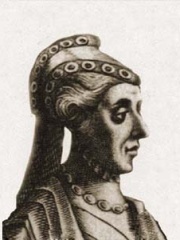
Mécia Lopes de Haro
COMPANION
1215 - 1270
HPI: 61.55
المرتبة: 13
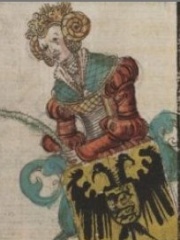
Margaret of Sicily
NOBLEMAN
1237 - 1270
HPI: 61.11
المرتبة: 14
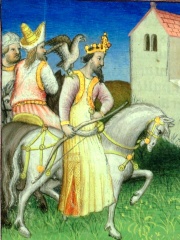
David VII of Georgia
POLITICIAN
1215 - 1270
HPI: 61.10
المرتبة: 15

Alfonso of Brienne
NOBLEMAN
1227 - 1270
HPI: 60.47
المرتبة: 16
Muqi
PAINTER
1210 - 1270
HPI: 60.47
المرتبة: 17
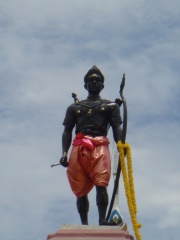
Si Inthrathit
POLITICIAN
1188 - 1270
HPI: 60.30
المرتبة: 18

Margaret, Marchioness of Namur
NOBLEMAN
1194 - 1270
HPI: 57.75
المرتبة: 19
في الصين
من بين المولودين في الصين، يحتل Muqi المرتبة 707 من أصل 2,131. قبله يأتي Thonmi Sambhota (618), Yang Liwei (1965), Li Yuanchao (1950), Zhao Leji (1957), Lei Jun (1969), وLiu Yuxi (772). بعده يأتي Andrew Yao (1946), Huang Gongwang (1269), Li Bingbing (1973), Zao Wou-Ki (1920), Li Na (1982), وCharlie Soong (1861).
آخرون وُلدوا في الصين
عرض جميع التصنيفات
Thonmi Sambhota
INVENTOR
618 - 658
HPI: 60.59
المرتبة: 701

Yang Liwei
ASTRONAUT
1965 - حتى الآن
HPI: 60.55
المرتبة: 702
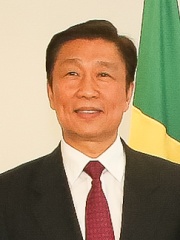
Li Yuanchao
POLITICIAN
1950 - حتى الآن
HPI: 60.55
المرتبة: 703
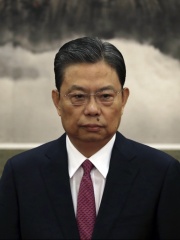
Zhao Leji
POLITICIAN
1957 - حتى الآن
HPI: 60.53
المرتبة: 704

Lei Jun
BUSINESSPERSON
1969 - حتى الآن
HPI: 60.51
المرتبة: 705
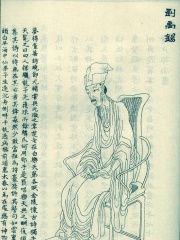
Liu Yuxi
PHILOSOPHER
772 - 842
HPI: 60.50
المرتبة: 706
Muqi
PAINTER
1210 - 1270
HPI: 60.47
المرتبة: 707

Andrew Yao
PHYSICIAN
1946 - حتى الآن
HPI: 60.46
المرتبة: 708
Huang Gongwang
PAINTER
1269 - 1354
HPI: 60.45
المرتبة: 709

Li Bingbing
ACTOR
1973 - حتى الآن
HPI: 60.45
المرتبة: 710
Zao Wou-Ki
PAINTER
1920 - 2013
HPI: 60.44
المرتبة: 711

Li Na
TENNIS PLAYER
1982 - حتى الآن
HPI: 60.43
المرتبة: 712
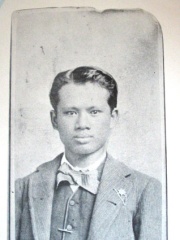
Charlie Soong
POLITICIAN
1861 - 1918
HPI: 60.42
المرتبة: 713
من بين رسام في الصين
من بين رسام المولودين في الصين، يحتل Muqi المرتبة 24. قبله يأتي Pan Yuliang (1895), Zhang Zeduan (1085), Xu Beihong (1895), Xu Wei (1521), Li Cheng (919), وLi Tang (1050). بعده يأتي Huang Gongwang (1269), Zao Wou-Ki (1920), Wang Meng (1308), Wu Zhen (1280), Dong Yuan (932), وDai Jin (1388).
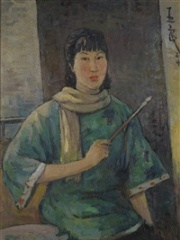
Pan Yuliang
1895 - 1977
HPI: 61.68
المرتبة: 18
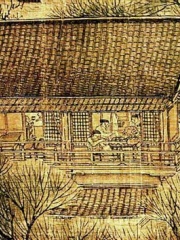
Zhang Zeduan
1085 - 1145
HPI: 61.59
المرتبة: 19
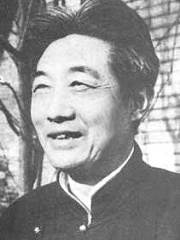
Xu Beihong
1895 - 1953
HPI: 61.17
المرتبة: 20
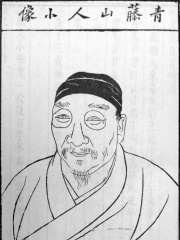
Xu Wei
1521 - 1593
HPI: 61.07
المرتبة: 21

Li Cheng
919 - 967
HPI: 60.85
المرتبة: 22

Li Tang
1050 - 1130
HPI: 60.63
المرتبة: 23
Muqi
1210 - 1270
HPI: 60.47
المرتبة: 24
Huang Gongwang
1269 - 1354
HPI: 60.45
المرتبة: 25
Zao Wou-Ki
1920 - 2013
HPI: 60.44
المرتبة: 26
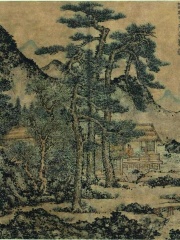
Wang Meng
1308 - 1385
HPI: 60.03
المرتبة: 27
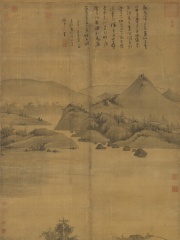
Wu Zhen
1280 - 1354
HPI: 59.67
المرتبة: 28
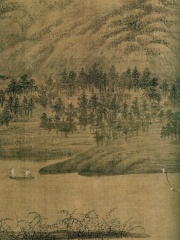
Dong Yuan
932 - 962
HPI: 59.65
المرتبة: 29
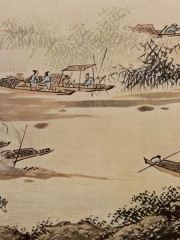
Dai Jin
1388 - 1462
HPI: 59.24
المرتبة: 30




