نحات
لورنزو جبرتي
1378 - 1455
مشاهدات AR.WIKIPEDIA (PV)
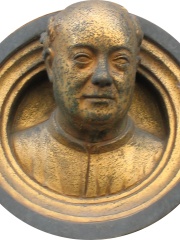
 لورنزو جبرتي
سيرته الذاتية متاحة بـ48 لغة مختلفة على ويكيبيديا. يحتل لورنزو جبرتي المرتبة 7 بين أكثر نحات شعبيةً (تقدمًا من 8 في 2024)، والمرتبة 382 بين أكثر السير الذاتية شعبيةً في إيطاليا (تراجعًا من 320 في 2019)، كما يحتل المرتبة 2 بين أكثر نحات من إيطاليا شعبيةً.
مقاييس الشهرة
93k
مشاهدات الصفحة
آخر 12 شهرًا
76.50
HPI
مؤشر الشعبية التاريخية
رؤى من البيانات
مشاهدات صفحة لورنزو جبرتي حسب اللغة
من بين نحات
من بين نحات، يحتل لورنزو جبرتي المرتبة 7 من أصل 263. قبله يأتي Auguste Rodin, Phidias, Praxiteles, Camille Claudel, Benvenuto Cellini, وPolykleitos. بعده يأتي Antonio Canova, Lysippos, Alberto Giacometti, Constantin Brâncuși, Frédéric Auguste Bartholdi, وLouise Bourgeois.
أشهر نحات على ويكيبيديا
عرض جميع التصنيفات
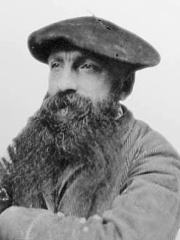
Auguste Rodin
1840 - 1917
HPI: 83.07
المرتبة: 1
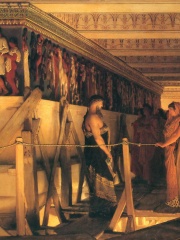
Phidias
490 ق.م. - 430 ق.م.
HPI: 82.85
المرتبة: 2
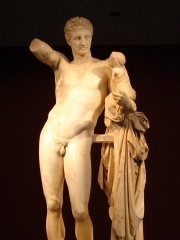
Praxiteles
395 ق.م. - 330 ق.م.
HPI: 78.31
المرتبة: 3
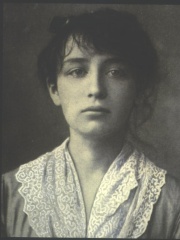
Camille Claudel
1864 - 1943
HPI: 77.75
المرتبة: 4
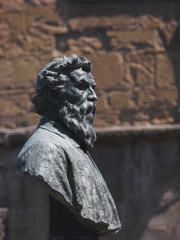
Benvenuto Cellini
1500 - 1571
HPI: 76.99
المرتبة: 5
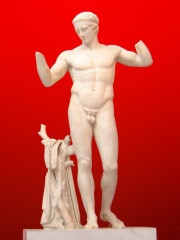
Polykleitos
450 ق.م. - 500 ق.م.
HPI: 76.82
المرتبة: 6
Lorenzo Ghiberti
1378 - 1455
HPI: 76.50
المرتبة: 7
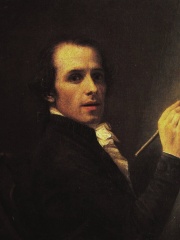
Antonio Canova
1757 - 1822
HPI: 76.37
المرتبة: 8
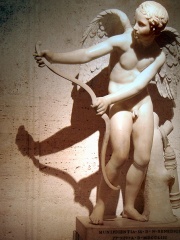
Lysippos
390 ق.م. - 300 ق.م.
HPI: 75.87
المرتبة: 9
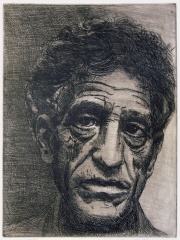
Alberto Giacometti
1901 - 1966
HPI: 75.32
المرتبة: 10
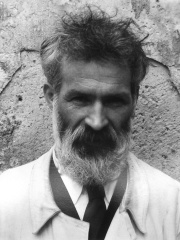
Constantin Brâncuși
1876 - 1957
HPI: 75.32
المرتبة: 11
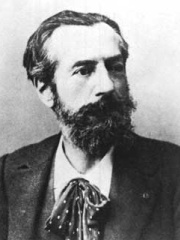
Frédéric Auguste Bartholdi
1834 - 1904
HPI: 74.94
المرتبة: 12
Louise Bourgeois
1911 - 2010
HPI: 74.77
المرتبة: 13

معاصرون
من بين المولودين في عام 1378، يحتل لورنزو جبرتي المرتبة 1. بعده يأتي Hongxi Emperor, Vittorino da Feltre, Ostoja of Bosnia, Louis III, Elector Palatine, Catherine of Burgundy, وDavid Stewart, Duke of Rothesay. من بين المتوفين في عام 1455، يحتل لورنزو جبرتي المرتبة 3. قبله يأتي Pope Nicholas V, وFra Angelico. بعده يأتي Pisanello, Isabel of Coimbra, Edmund Beaufort, 2nd Duke of Somerset, Zbigniew Oleśnicki, وHenry Percy, 2nd Earl of Northumberland.
آخرون وُلدوا في عام 1378
عرض جميع التصنيفاتLorenzo Ghiberti
SCULPTOR
1378 - 1455
HPI: 76.50
المرتبة: 1
Hongxi Emperor
POLITICIAN
1378 - 1425
HPI: 73.57
المرتبة: 2

Vittorino da Feltre
PHILOSOPHER
1378 - 1446
HPI: 65.89
المرتبة: 3

Ostoja of Bosnia
POLITICIAN
1378 - 1418
HPI: 63.57
المرتبة: 4
Louis III, Elector Palatine
POLITICIAN
1378 - 1436
HPI: 62.95
المرتبة: 5
Catherine of Burgundy
POLITICIAN
1378 - 1425
HPI: 62.45
المرتبة: 6

David Stewart, Duke of Rothesay
NOBLEMAN
1378 - 1402
HPI: 55.57
المرتبة: 7
آخرون توفوا في عام 1455
عرض جميع التصنيفات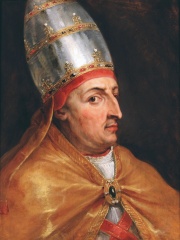
Pope Nicholas V
RELIGIOUS FIGURE
1397 - 1455
HPI: 81.49
المرتبة: 1
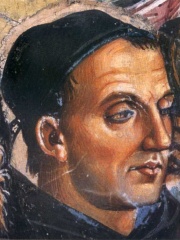
Fra Angelico
PAINTER
1400 - 1455
HPI: 80.15
المرتبة: 2
Lorenzo Ghiberti
SCULPTOR
1378 - 1455
HPI: 76.50
المرتبة: 3
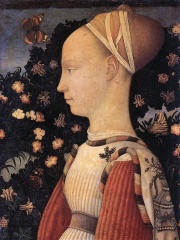
Pisanello
PAINTER
1395 - 1455
HPI: 71.06
المرتبة: 4
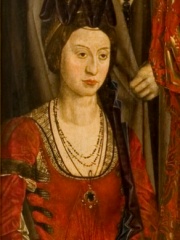
Isabel of Coimbra
COMPANION
1432 - 1455
HPI: 65.88
المرتبة: 5
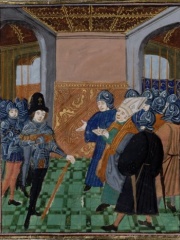
Edmund Beaufort, 2nd Duke of Somerset
POLITICIAN
1406 - 1455
HPI: 58.31
المرتبة: 6
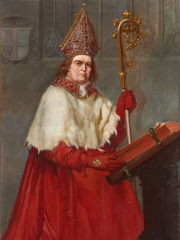
Zbigniew Oleśnicki
RELIGIOUS FIGURE
1389 - 1455
HPI: 58.28
المرتبة: 7

Henry Percy, 2nd Earl of Northumberland
POLITICIAN
1393 - 1455
HPI: 53.59
المرتبة: 8
في إيطاليا
من بين المولودين في إيطاليا، يحتل لورنزو جبرتي المرتبة 382 من أصل 5,905. قبله يأتي Primo Levi (1919), Atia (-85), Pope Clement III (1130), Pope Marinus I (830), Sofonisba Anguissola (1535), وPope Pelagius I (505). بعده يأتي Charles Borromeo (1538), Pope Benedict II (635), Philip Neri (1515), Catiline (-109), Maxentius (278), وSallust (-86).
آخرون وُلدوا في إيطاليا
عرض جميع التصنيفات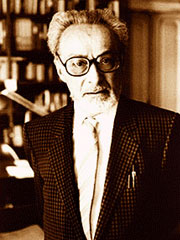
Primo Levi
WRITER
1919 - 1987
HPI: 76.62
المرتبة: 376
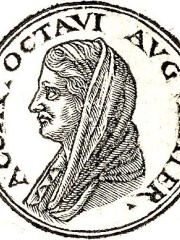
Atia
POLITICIAN
85 ق.م. - 43 ق.م.
HPI: 76.61
المرتبة: 377
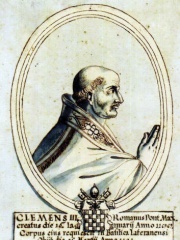
Pope Clement III
RELIGIOUS FIGURE
1130 - 1191
HPI: 76.61
المرتبة: 378
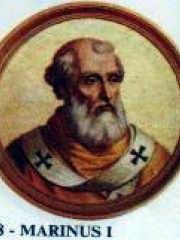
Pope Marinus I
RELIGIOUS FIGURE
830 - 884
HPI: 76.60
المرتبة: 379
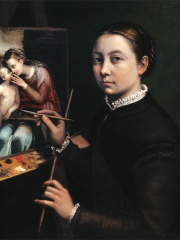
Sofonisba Anguissola
PAINTER
1535 - 1625
HPI: 76.60
المرتبة: 380
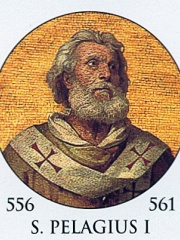
Pope Pelagius I
RELIGIOUS FIGURE
505 - 561
HPI: 76.56
المرتبة: 381
Lorenzo Ghiberti
SCULPTOR
1378 - 1455
HPI: 76.50
المرتبة: 382
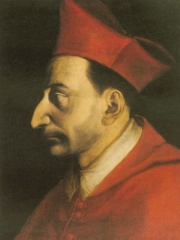
Charles Borromeo
RELIGIOUS FIGURE
1538 - 1584
HPI: 76.50
المرتبة: 383
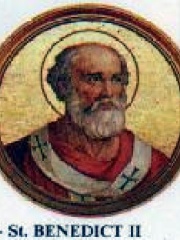
Pope Benedict II
RELIGIOUS FIGURE
635 - 685
HPI: 76.47
المرتبة: 384

Philip Neri
RELIGIOUS FIGURE
1515 - 1595
HPI: 76.47
المرتبة: 385
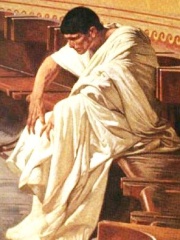
Catiline
POLITICIAN
109 ق.م. - 62 ق.م.
HPI: 76.46
المرتبة: 386
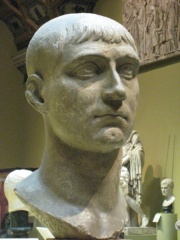
Maxentius
POLITICIAN
278 - 312
HPI: 76.43
المرتبة: 387
Sallust
WRITER
86 ق.م. - 34 ق.م.
HPI: 76.43
المرتبة: 388
من بين نحات في إيطاليا
من بين نحات المولودين في إيطاليا، يحتل لورنزو جبرتي المرتبة 2. قبله يأتي Benvenuto Cellini (1500). بعده يأتي Antonio Canova (1757), Jacopo Sansovino (1486), Nicola Pisano (1225), Luca della Robbia (1399), Andrea Pisano (1290), Alessandro Algardi (1595), Giovanni Pisano (1248), Jacopo della Quercia (1374), Andrea della Robbia (1435), وBonanno Pisano (1150).
Benvenuto Cellini
1500 - 1571
HPI: 76.99
المرتبة: 1
Lorenzo Ghiberti
1378 - 1455
HPI: 76.50
المرتبة: 2
Antonio Canova
1757 - 1822
HPI: 76.37
المرتبة: 3
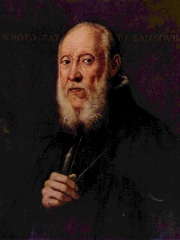
Jacopo Sansovino
1486 - 1570
HPI: 71.91
المرتبة: 4
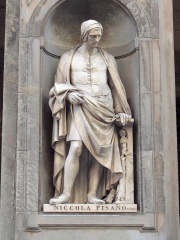
Nicola Pisano
1225 - 1284
HPI: 71.85
المرتبة: 5
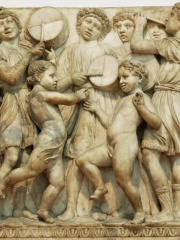
Luca della Robbia
1399 - 1482
HPI: 71.48
المرتبة: 6
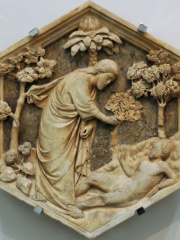
Andrea Pisano
1290 - 1348
HPI: 71.40
المرتبة: 7
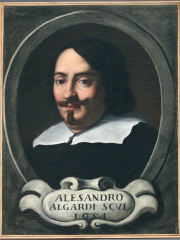
Alessandro Algardi
1595 - 1654
HPI: 70.95
المرتبة: 8
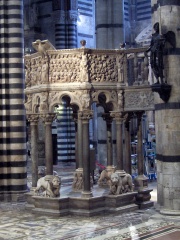
Giovanni Pisano
1248 - 1315
HPI: 70.18
المرتبة: 9
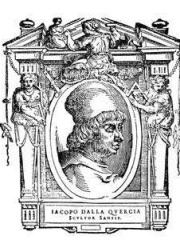
Jacopo della Quercia
1374 - 1438
HPI: 68.13
المرتبة: 10
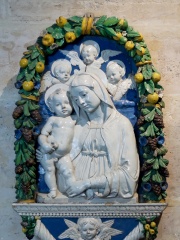
Andrea della Robbia
1435 - 1525
HPI: 66.69
المرتبة: 11

Bonanno Pisano
1150 - 1150
HPI: 65.74
المرتبة: 12




