رسام
جوتو دي بوندوني
1267 - 1337
مشاهدات AR.WIKIPEDIA (PV)
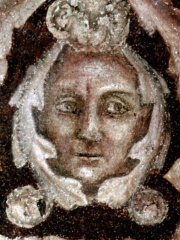
 جوتو دي بوندوني
سيرته الذاتية متاحة بـ90 لغة مختلفة على ويكيبيديا (زيادة من 89 في 2024). يحتل جوتو دي بوندوني المرتبة 22 بين أكثر رسام شعبيةً (تقدمًا من 36 في 2024)، والمرتبة 49 بين أكثر السير الذاتية شعبيةً في إيطاليا (تقدمًا من 78 في 2019)، كما يحتل المرتبة 5 بين أكثر رسام من إيطاليا شعبيةً.
مقاييس الشهرة
720k
مشاهدات الصفحة
آخر 12 شهرًا
85.03
HPI
مؤشر الشعبية التاريخية
مشاهدات صفحة جوتو دي بوندوني حسب اللغة
من بين رسام
من بين رسام، يحتل جوتو دي بوندوني المرتبة 22 من أصل 2,023. قبله يأتي Diego Velázquez, Henri Matisse, Pierre-Auguste Renoir, Jean-Auguste-Dominique Ingres, Paul Cézanne, وPaul Gauguin. بعده يأتي Donatello, Titian, Gustav Klimt, El Greco, Wassily Kandinsky, وPiet Mondrian.
أشهر رسام على ويكيبيديا
عرض جميع التصنيفات
Diego Velázquez
1599 - 1660
HPI: 86.97
المرتبة: 16
Henri Matisse
1869 - 1954
HPI: 86.28
المرتبة: 17
Pierre-Auguste Renoir
1841 - 1919
HPI: 86.02
المرتبة: 18
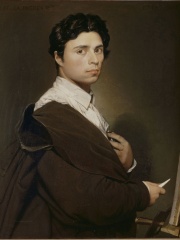
Jean-Auguste-Dominique Ingres
1780 - 1867
HPI: 85.42
المرتبة: 19
Paul Cézanne
1839 - 1906
HPI: 85.32
المرتبة: 20
Paul Gauguin
1848 - 1903
HPI: 85.15
المرتبة: 21
Giotto
1267 - 1337
HPI: 85.03
المرتبة: 22
Donatello
1386 - 1466
HPI: 84.83
المرتبة: 23
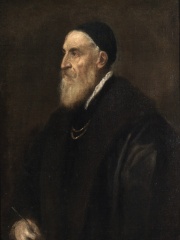
Titian
1488 - 1576
HPI: 84.62
المرتبة: 24
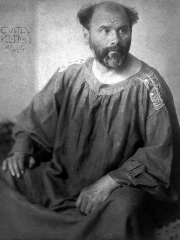
Gustav Klimt
1862 - 1918
HPI: 84.52
المرتبة: 25
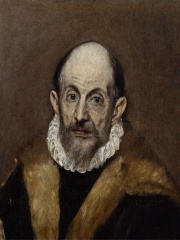
El Greco
1541 - 1614
HPI: 84.26
المرتبة: 26
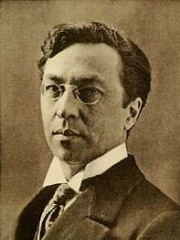
Wassily Kandinsky
1866 - 1944
HPI: 84.16
المرتبة: 27
Piet Mondrian
1872 - 1944
HPI: 84.15
المرتبة: 28

معاصرون
من بين المولودين في عام 1267، يحتل جوتو دي بوندوني المرتبة 1. بعده يأتي James II of Aragon, Roger de Flor, Rainier I of Monaco, Lord of Cagnes, Emperor Go-Uda, وHenry I, Duke of Brunswick-Grubenhagen. من بين المتوفين في عام 1337، يحتل جوتو دي بوندوني المرتبة 2. قبله يأتي Mansa Musa. بعده يأتي Frederick III of Sicily, William I, Count of Hainaut, وTino di Camaino.
آخرون وُلدوا في عام 1267
عرض جميع التصنيفاتGiotto
PAINTER
1267 - 1337
HPI: 85.03
المرتبة: 1
James II of Aragon
POLITICIAN
1267 - 1327
HPI: 72.09
المرتبة: 2
Roger de Flor
MILITARY PERSONNEL
1267 - 1305
HPI: 69.59
المرتبة: 3
Rainier I of Monaco, Lord of Cagnes
POLITICIAN
1267 - 1314
HPI: 67.32
المرتبة: 4
Emperor Go-Uda
POLITICIAN
1267 - 1324
HPI: 66.53
المرتبة: 5

Henry I, Duke of Brunswick-Grubenhagen
NOBLEMAN
1267 - 1322
HPI: 61.56
المرتبة: 6
آخرون توفوا في عام 1337
عرض جميع التصنيفات
Mansa Musa
POLITICIAN
1280 - 1337
HPI: 87.24
المرتبة: 1
Giotto
PAINTER
1267 - 1337
HPI: 85.03
المرتبة: 2
Frederick III of Sicily
POLITICIAN
1272 - 1337
HPI: 71.24
المرتبة: 3
William I, Count of Hainaut
POLITICIAN
1287 - 1337
HPI: 65.92
المرتبة: 4
Tino di Camaino
SCULPTOR
1285 - 1337
HPI: 58.95
المرتبة: 5
في إيطاليا
من بين المولودين في إيطاليا، يحتل جوتو دي بوندوني المرتبة 49 من أصل NaN. قبله يأتي Pope Benedict XV (1854), Giacomo Puccini (1858), Alessandro Volta (1745), Brutus the Younger (-85), Ötzi (-3345), وPope Urban VII (1521). بعده يأتي Pope Clement VII (1478), Juan Carlos I of Spain (1938), Donatello (1386), Tiberius (-42), Horace (-65), وPope Gregory XVI (1765).
آخرون وُلدوا في إيطاليا
عرض جميع التصنيفات
Pope Benedict XV
RELIGIOUS FIGURE
1854 - 1922
HPI: 85.96
المرتبة: 43
Giacomo Puccini
COMPOSER
1858 - 1924
HPI: 85.72
المرتبة: 44
Alessandro Volta
PHYSICIST
1745 - 1827
HPI: 85.34
المرتبة: 45
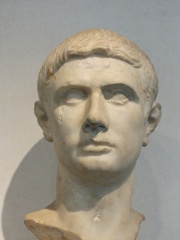
Brutus the Younger
POLITICIAN
85 BC - 42 BC
HPI: 85.32
المرتبة: 46
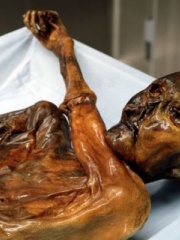
Ötzi
CELEBRITY
3345 BC - 3255 BC
HPI: 85.20
المرتبة: 47
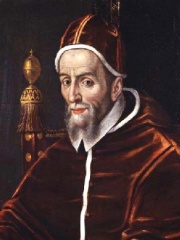
Pope Urban VII
RELIGIOUS FIGURE
1521 - 1590
HPI: 85.06
المرتبة: 48
Giotto
PAINTER
1267 - 1337
HPI: 85.03
المرتبة: 49
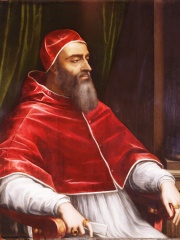
Pope Clement VII
RELIGIOUS FIGURE
1478 - 1534
HPI: 84.95
المرتبة: 50
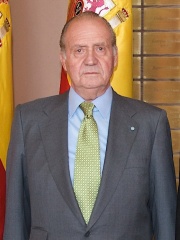
Juan Carlos I of Spain
NOBLEMAN
1938 - حتى الآن
HPI: 84.83
المرتبة: 51
Donatello
PAINTER
1386 - 1466
HPI: 84.83
المرتبة: 52
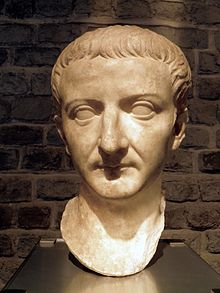
Tiberius
POLITICIAN
42 BC - 37
HPI: 84.83
المرتبة: 53
Horace
WRITER
65 BC - 8 BC
HPI: 84.80
المرتبة: 54
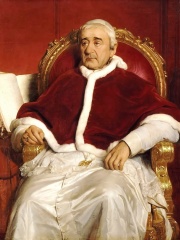
Pope Gregory XVI
RELIGIOUS FIGURE
1765 - 1846
HPI: 84.71
المرتبة: 55
من بين رسام في إيطاليا
من بين رسام المولودين في إيطاليا، يحتل جوتو دي بوندوني المرتبة 5. قبله يأتي Michelangelo (1475), Raphael (1483), Caravaggio (1571), وSandro Botticelli (1445). بعده يأتي Donatello (1386), Titian (1488), Amedeo Modigliani (1884), Masaccio (1401), Tintoretto (1518), Paolo Veronese (1528), وGiuseppe Arcimboldo (1526).
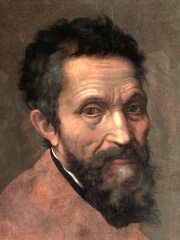
Michelangelo
1475 - 1564
HPI: 93.54
المرتبة: 1
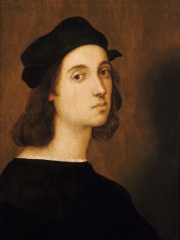
Raphael
1483 - 1520
HPI: 90.99
المرتبة: 2
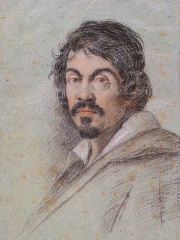
Caravaggio
1571 - 1610
HPI: 87.57
المرتبة: 3
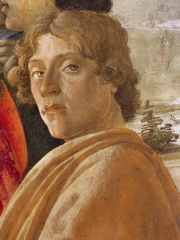
Sandro Botticelli
1445 - 1510
HPI: 87.24
المرتبة: 4
Giotto
1267 - 1337
HPI: 85.03
المرتبة: 5
Donatello
1386 - 1466
HPI: 84.83
المرتبة: 6
Titian
1488 - 1576
HPI: 84.62
المرتبة: 7
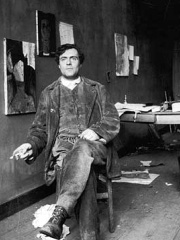
Amedeo Modigliani
1884 - 1920
HPI: 82.99
المرتبة: 8
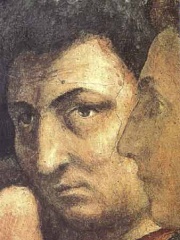
Masaccio
1401 - 1428
HPI: 82.16
المرتبة: 9
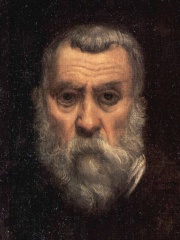
Tintoretto
1518 - 1594
HPI: 81.96
المرتبة: 10
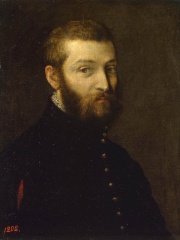
Paolo Veronese
1528 - 1588
HPI: 81.44
المرتبة: 11
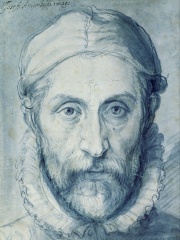
Giuseppe Arcimboldo
1526 - 1593
HPI: 80.96
المرتبة: 12




