سياسي
Amastrine
400 BC - 284 BC
AR.WIKIPEDIA PAGE VIEWS (PV)
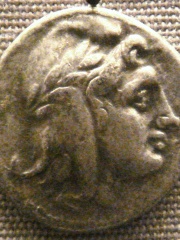
 Amastrine
سيرتها الذاتية متاحة بـ17 لغة مختلفة على ويكيبيديا. يحتل Amastrine المرتبة 7,017 بين أكثر سياسي شعبيةً (تقدمًا من 11,164 في 2024)، والمرتبة 200 بين أكثر السير الذاتية شعبيةً في إيران (تقدمًا من 300 في 2019)، كما يحتل المرتبة 111 بين أكثر سياسي من إيران شعبيةً.
Memorability Metrics
13k
Page Views
Past 12 months
64.17
HPI
Historical Popularity Index
Page views of Amastrine by language
Among سياسي
Among سياسي, Amastrine ranks 7,014 out of 19,576. Before her are Camille Chautemps, George Wallace, Publius Cornelius Lentulus Sura, Jacques Thibaud, Peter II, Count of Savoy, and Orodes III of Parthia. After her are Johann Ernst III, Duke of Saxe-Weimar, Manuel Marrero Cruz, Francis II, Duke of Lorraine, Saitō Makoto, Michael I Komnenos Doukas, and Sadyr Japarov.
Most Popular سياسي in Wikipedia
Go to all Rankings
Camille Chautemps
1885 - 1963
HPI: 64.18
Rank: 7,011
George Wallace
1919 - 1998
HPI: 64.18
Rank: 7,012

Publius Cornelius Lentulus Sura
114 BC - 63 BC
HPI: 64.18
Rank: 7,013

Jacques Thibaud
1880 - 1953
HPI: 64.18
Rank: 7,014
Peter II, Count of Savoy
1203 - 1268
HPI: 64.18
Rank: 7,015
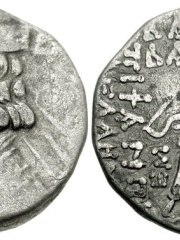
Orodes III of Parthia
100 BC - 6
HPI: 64.17
Rank: 7,016
Amastrine
400 BC - 284 BC
HPI: 64.17
Rank: 7,017
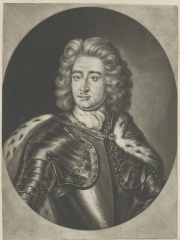
Johann Ernst III, Duke of Saxe-Weimar
1664 - 1707
HPI: 64.17
Rank: 7,018

Manuel Marrero Cruz
1963 - Present
HPI: 64.17
Rank: 7,019
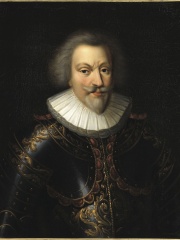
Francis II, Duke of Lorraine
1572 - 1632
HPI: 64.17
Rank: 7,020
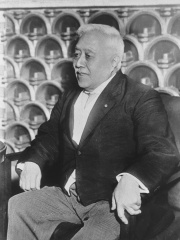
Saitō Makoto
1858 - 1936
HPI: 64.17
Rank: 7,021
Michael I Komnenos Doukas
1200 - 1215
HPI: 64.17
Rank: 7,022
Sadyr Japarov
1968 - Present
HPI: 64.17
Rank: 7,023

Contemporaries
Among people born in 400 BC, Amastrine ranks 37. Before her are Crantor, Arete of Cyrene, Attalus, Dinocrates, Zoilus, and Gan De. After her are Eurydice of Egypt, Acrotatus II, Campaspe, King Nan of Zhou, Nepherites II, and Gnaeus Flavius. Among people deceased in 284 BC, Amastrine ranks 1.
Others Born in 400 BC
Go to all Rankings
Crantor
PHILOSOPHER
400 BC - 276 BC
HPI: 65.35
Rank: 31

Arete of Cyrene
PHILOSOPHER
400 BC - 340 BC
HPI: 65.25
Rank: 32

Attalus
POLITICIAN
400 BC - 336 BC
HPI: 65.15
Rank: 33

Dinocrates
ARCHITECT
400 BC - 360 BC
HPI: 64.98
Rank: 34
Zoilus
PHILOSOPHER
400 BC - 320 BC
HPI: 64.73
Rank: 35

Gan De
ASTRONOMER
400 BC - 400 BC
HPI: 64.54
Rank: 36
Amastrine
POLITICIAN
400 BC - 284 BC
HPI: 64.17
Rank: 37

Eurydice of Egypt
POLITICIAN
400 BC - 300 BC
HPI: 64.07
Rank: 38

Acrotatus II
POLITICIAN
400 BC - 262 BC
HPI: 64.07
Rank: 39
Campaspe
SOCIAL ACTIVIST
400 BC - 360 BC
HPI: 63.75
Rank: 40

King Nan of Zhou
POLITICIAN
400 BC - Present
HPI: 63.60
Rank: 41

Nepherites II
POLITICIAN
400 BC - 380 BC
HPI: 63.60
Rank: 42

Gnaeus Flavius
POLITICIAN
400 BC - 300 BC
HPI: 63.44
Rank: 43
Others Deceased in 284 BC
Go to all RankingsIn إيران
Among people born in إيران, Amastrine ranks 200 out of NaN. Before her are Sati Beg (1300), Simko Shikak (1887), Quli Qutb Shah (1470), Mithridates IV of Parthia (null), Googoosh (1950), and Orodes III of Parthia (-100). After her are Baba Tahir (947), Muhammad ibn Ya'qub al-Kulayni (864), Barbet Schroeder (1941), 'Ali ibn al-'Abbas al-Majusi (930), Aga Khan II (1830), and Mandane of Media (-584).
Others born in إيران
Go to all Rankings
Sati Beg
POLITICIAN
1300 - 1345
HPI: 64.39
Rank: 194
Simko Shikak
POLITICIAN
1887 - 1930
HPI: 64.38
Rank: 195
Quli Qutb Shah
POLITICIAN
1470 - 1543
HPI: 64.24
Rank: 196
Mithridates IV of Parthia
POLITICIAN
HPI: 64.23
Rank: 197

Googoosh
SINGER
1950 - Present
HPI: 64.22
Rank: 198
Orodes III of Parthia
POLITICIAN
100 BC - 6
HPI: 64.17
Rank: 199
Amastrine
POLITICIAN
400 BC - 284 BC
HPI: 64.17
Rank: 200
Baba Tahir
WRITER
947 - 1032
HPI: 64.12
Rank: 201

Muhammad ibn Ya'qub al-Kulayni
RELIGIOUS FIGURE
864 - 941
HPI: 64.07
Rank: 202

Barbet Schroeder
FILM DIRECTOR
1941 - Present
HPI: 64.03
Rank: 203

'Ali ibn al-'Abbas al-Majusi
PHYSICIAN
930 - 994
HPI: 63.96
Rank: 204
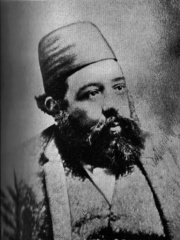
Aga Khan II
RELIGIOUS FIGURE
1830 - 1885
HPI: 63.88
Rank: 205

Mandane of Media
POLITICIAN
584 BC - 559 BC
HPI: 63.76
Rank: 206
Among سياسي In إيران
Among سياسي born in إيران, Amastrine ranks 111. Before her are Abdullah Mirza (1433), Sati Beg (1300), Simko Shikak (1887), Quli Qutb Shah (1470), Mithridates IV of Parthia (null), and Orodes III of Parthia (-100). After her are Mandane of Media (-584), Kiya Buzurg-Ummid (1062), Vardanes I (10), Azarmidokht (null), Aga Khan I (1800), and Ashraf Pahlavi (1919).
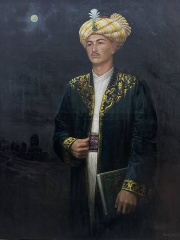
Abdullah Mirza
1433 - 1451
HPI: 64.55
Rank: 105
Sati Beg
1300 - 1345
HPI: 64.39
Rank: 106
Simko Shikak
1887 - 1930
HPI: 64.38
Rank: 107
Quli Qutb Shah
1470 - 1543
HPI: 64.24
Rank: 108
Mithridates IV of Parthia
HPI: 64.23
Rank: 109
Orodes III of Parthia
100 BC - 6
HPI: 64.17
Rank: 110
Amastrine
400 BC - 284 BC
HPI: 64.17
Rank: 111
Mandane of Media
584 BC - 559 BC
HPI: 63.76
Rank: 112

Kiya Buzurg-Ummid
1062 - 1138
HPI: 63.64
Rank: 113
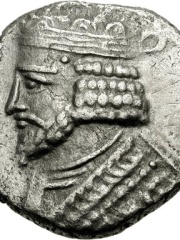
Vardanes I
10 - 47
HPI: 63.63
Rank: 114
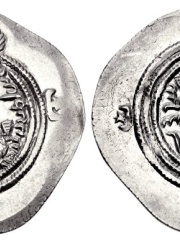
Azarmidokht
HPI: 63.60
Rank: 115
Aga Khan I
1800 - 1881
HPI: 63.36
Rank: 116

Ashraf Pahlavi
1919 - 2016
HPI: 63.31
Rank: 117




