政治家
Vazul
1000 - 1037
ZH.WIKIPEDIA 页面浏览量 (PV)
 Vazul
Vazul知名度指标
24k
页面浏览量
过去12个月
64.94
HPI
历史知名度指数
数据洞察
#19,408
逝世 9 个多世纪后,Vazul在 Pantheon 全部人物中仍排名第 19,408。
Vazul的各语言页面浏览量
在政治家中
在政治家中,Vazul排名第6,320位(共19,576人)。 排在他之前的有:Wolfgang Schüssel, Hethum II, King of Armenia, Bo Xilai, Christian Schmidt, Mirwais Hotak, 和Witteric. 排在他之后的有:Charles Frederick, Grand Duke of Saxe-Weimar-Eisenach, Christian III, Count Palatine of Zweibrücken, Prince Charles of Prussia, Günther Quandt, Countess Palatine Caroline of Zweibrücken, 和Joseph Nasi.
维基百科上最受欢迎的政治家
查看全部排名
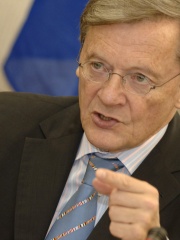
Wolfgang Schüssel
1945 - 至今
HPI: 64.95
排名: 6,316
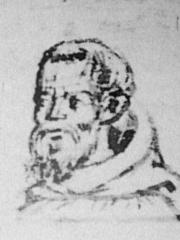
Hethum II, King of Armenia
1266 - 1307
HPI: 64.94
排名: 6,317

Bo Xilai
1949 - 至今
HPI: 64.94
排名: 6,318
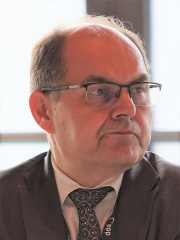
Christian Schmidt
1957 - 至今
HPI: 64.94
排名: 6,319
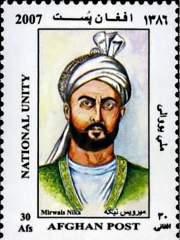
Mirwais Hotak
1673 - 1715
HPI: 64.94
排名: 6,320
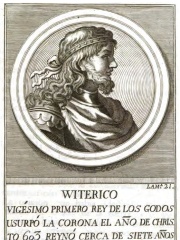
Witteric
570 - 610
HPI: 64.94
排名: 6,321
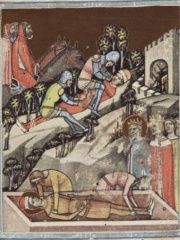
Vazul
1000 - 1037
HPI: 64.94
排名: 6,322
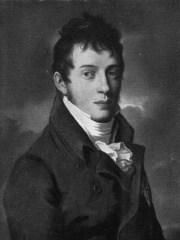
Charles Frederick, Grand Duke of Saxe-Weimar-Eisenach
1783 - 1853
HPI: 64.94
排名: 6,323
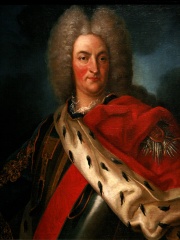
Christian III, Count Palatine of Zweibrücken
1674 - 1735
HPI: 64.94
排名: 6,324
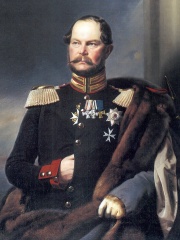
Prince Charles of Prussia
1801 - 1883
HPI: 64.94
排名: 6,325
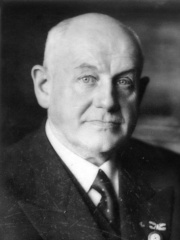
Günther Quandt
1881 - 1954
HPI: 64.94
排名: 6,326
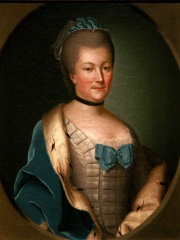
Countess Palatine Caroline of Zweibrücken
1721 - 1774
HPI: 64.94
排名: 6,327

Joseph Nasi
1524 - 1579
HPI: 64.94
排名: 6,328

同时代人物
在1000年出生的人中,Vazul排名第25位。 排在他之前的有:Ibn al-Nadim, Antipope Gregory VI, Ivan Vladislav of Bulgaria, Sulayman ibn al-Hakam, Gruffydd ap Llywelyn, 和Rozala of Italy. 排在他之后的有:Jaromír, Duke of Bohemia, Bardas Skleros, Suryavarman I, Lambert I, Count of Louvain, Ad-Darazi, 和John the Orphanotrophos. 在1037年去世的人中,Vazul排名第4位。 排在他之前的有:Avicenna, Bermudo III of León, 和Boleslaus III, Duke of Bohemia. 排在他之后的有:Odo II, Count of Blois, Abu Mansur al-Baghdadi, Farrukhi Sistani, 和Robert II.
其他1000年出生的人
查看全部排名
Ibn al-Nadim
WRITER
1000 - 995
HPI: 66.44
排名: 19

Antipope Gregory VI
RELIGIOUS FIGURE
1000 - 1018
HPI: 65.89
排名: 20
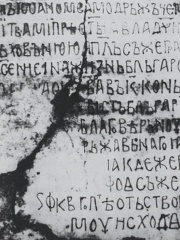
Ivan Vladislav of Bulgaria
POLITICIAN
1000 - 1018
HPI: 65.62
排名: 21

Sulayman ibn al-Hakam
POLITICIAN
1000 - 1016
HPI: 65.34
排名: 22

Gruffydd ap Llywelyn
POLITICIAN
1000 - 1063
HPI: 65.08
排名: 23
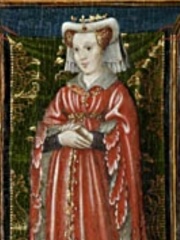
Rozala of Italy
POLITICIAN
1000 - 1003
HPI: 65.01
排名: 24
Vazul
POLITICIAN
1000 - 1037
HPI: 64.94
排名: 25
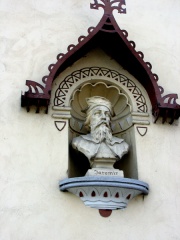
Jaromír, Duke of Bohemia
POLITICIAN
1000 - 1038
HPI: 64.90
排名: 26
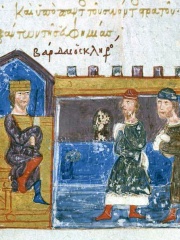
Bardas Skleros
MILITARY PERSONNEL
1000 - 991
HPI: 64.84
排名: 27

Suryavarman I
POLITICIAN
1000 - 1050
HPI: 64.43
排名: 28
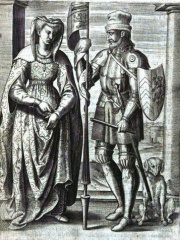
Lambert I, Count of Louvain
NOBLEMAN
1000 - 1015
HPI: 64.05
排名: 29

Ad-Darazi
RELIGIOUS FIGURE
1000 - 1018
HPI: 63.94
排名: 30

John the Orphanotrophos
POLITICIAN
1000 - 1043
HPI: 63.85
排名: 31
其他1037年去世的人
查看全部排名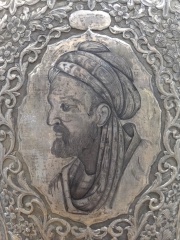
Avicenna
PHILOSOPHER
980 - 1037
HPI: 92.05
排名: 1
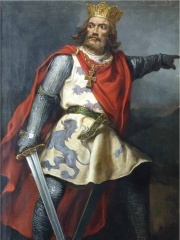
Bermudo III of León
POLITICIAN
1017 - 1037
HPI: 66.17
排名: 2
Boleslaus III, Duke of Bohemia
POLITICIAN
950 - 1037
HPI: 65.34
排名: 3
Vazul
POLITICIAN
1000 - 1037
HPI: 64.94
排名: 4
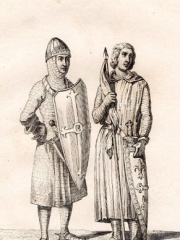
Odo II, Count of Blois
NOBLEMAN
983 - 1037
HPI: 62.29
排名: 5

Abu Mansur al-Baghdadi
MATHEMATICIAN
980 - 1037
HPI: 60.86
排名: 6
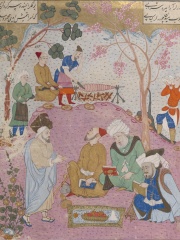
Farrukhi Sistani
WRITER
980 - 1037
HPI: 58.50
排名: 7
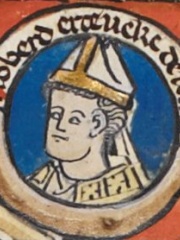
Robert II
POLITICIAN
1000 - 1037
HPI: 58.46
排名: 8
在斯洛伐克
在出生于斯洛伐克的人中,Vazul排名第51位(共418人)。 排在他之前的有:Ferdinand Daučík (1910), Andrej Kiska (1963), Pál Maléter (1917), Lucia Popp (1939), Rudolf Vrba (1924), 和Iveta Radičová (1956). 排在他之后的有:Franz Schmidt (1874), Ján Popluhár (1935), Peter Pellegrini (1975), Jan Kupecký (1667), Archduke Joseph Karl of Austria (1833), 和Alajos Szokolyi (1871).

Ferdinand Daučík
SOCCER PLAYER
1910 - 1986
HPI: 65.86
排名: 45
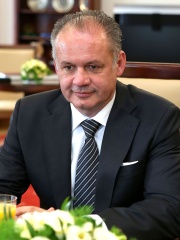
Andrej Kiska
POLITICIAN
1963 - 至今
HPI: 65.70
排名: 46
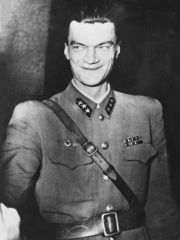
Pál Maléter
MILITARY PERSONNEL
1917 - 1958
HPI: 65.69
排名: 47
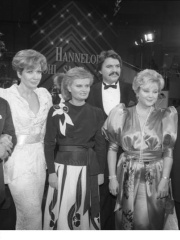
Lucia Popp
SINGER
1939 - 1993
HPI: 65.64
排名: 48
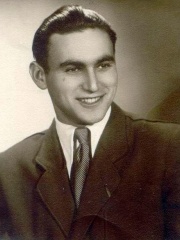
Rudolf Vrba
BIOLOGIST
1924 - 2006
HPI: 65.50
排名: 49

Iveta Radičová
POLITICIAN
1956 - 至今
HPI: 65.15
排名: 50
Vazul
POLITICIAN
1000 - 1037
HPI: 64.94
排名: 51
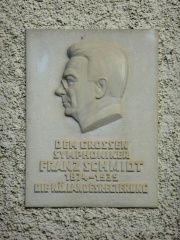
Franz Schmidt
COMPOSER
1874 - 1939
HPI: 64.87
排名: 52
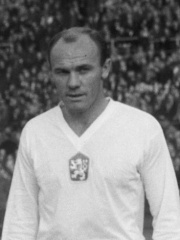
Ján Popluhár
SOCCER PLAYER
1935 - 2011
HPI: 64.76
排名: 53
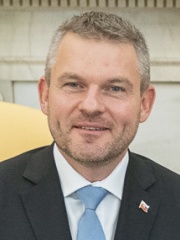
Peter Pellegrini
POLITICIAN
1975 - 至今
HPI: 64.69
排名: 54
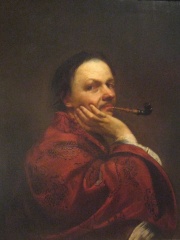
Jan Kupecký
PAINTER
1667 - 1740
HPI: 64.45
排名: 55
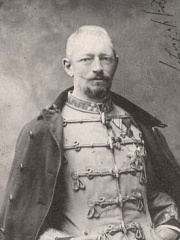
Archduke Joseph Karl of Austria
MILITARY PERSONNEL
1833 - 1905
HPI: 64.32
排名: 56
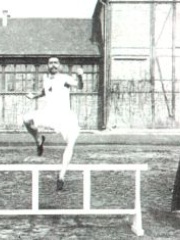
Alajos Szokolyi
ATHLETE
1871 - 1932
HPI: 64.27
排名: 57
在斯洛伐克的政治家中
在出生于斯洛伐克的政治家中,Vazul排名第28位。 排在他之前的有:Michal Kováč (1930), András Hadik (1710), Gyula Andrássy the Younger (1860), Ernő Gerő (1898), Andrej Kiska (1963), 和Iveta Radičová (1956). 排在他之后的有:Peter Pellegrini (1975), Mikuláš Dzurinda (1956), Stefan Vojislav (990), Teréz Brunszvik (1775), Alexander Mach (1902), 和Marián Čalfa (1946).
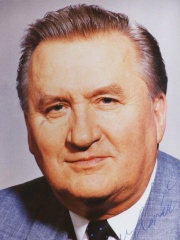
Michal Kováč
1930 - 2016
HPI: 66.55
排名: 22
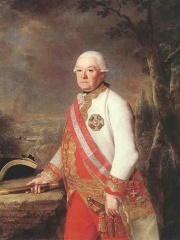
András Hadik
1710 - 1790
HPI: 66.42
排名: 23
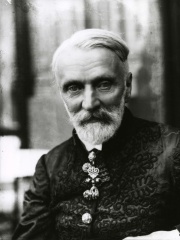
Gyula Andrássy the Younger
1860 - 1929
HPI: 66.27
排名: 24
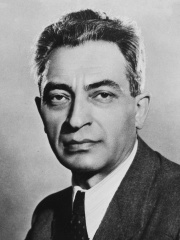
Ernő Gerő
1898 - 1980
HPI: 66.10
排名: 25
Andrej Kiska
1963 - 至今
HPI: 65.70
排名: 26
Iveta Radičová
1956 - 至今
HPI: 65.15
排名: 27
Vazul
1000 - 1037
HPI: 64.94
排名: 28
Peter Pellegrini
1975 - 至今
HPI: 64.69
排名: 29
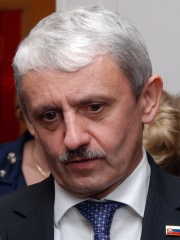
Mikuláš Dzurinda
1956 - 至今
HPI: 63.48
排名: 30
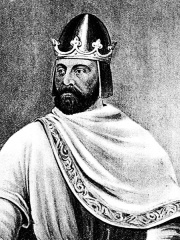
Stefan Vojislav
990 - 1043
HPI: 62.65
排名: 31
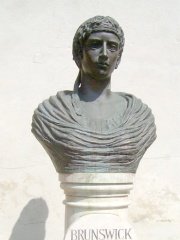
Teréz Brunszvik
1775 - 1861
HPI: 62.53
排名: 32
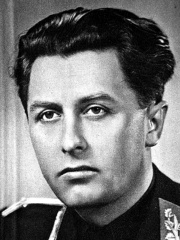
Alexander Mach
1902 - 1980
HPI: 61.85
排名: 33
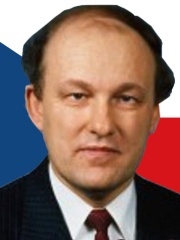
Marián Čalfa
1946 - 至今
HPI: 61.64
排名: 34




