宗教人物
Simon Pimenta
1920 - 2013
 Simon Pimenta
知名度指标
3.5k
页面浏览量
过去12个月
52.25
HPI
历史知名度指数
数据洞察
3月1日
Simon Pimenta与Sandro Botticelli、Hasan ibn Ali和Yitzhak Rabin同一天生日(3月1日)。
Simon Pimenta的各语言页面浏览量
在宗教人物中
在宗教人物中,Simon Pimenta排名第3,044位(共3,187人)。 排在他之前的有:Chris Gueffroy, Philippe Jourdan, Æthelwold of Winchester, Symeon of Durham, Francisco and Jacinta Marto, 和Petar Rajič. 排在他之后的有:Mirza Masroor Ahmad, Charles Coughlin, Paolo Magnani, Conall mac Comgaill, Katharine Drexel, 和John T. Scopes.
维基百科上最受欢迎的宗教人物
查看全部排名
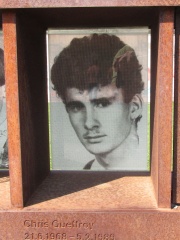
Chris Gueffroy
1968 - 1989
HPI: 52.42
排名: 3,038
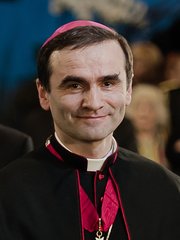
Philippe Jourdan
1960 - 至今
HPI: 52.37
排名: 3,039

Æthelwold of Winchester
900 - 984
HPI: 52.36
排名: 3,040

Symeon of Durham
1060 - 1130
HPI: 52.34
排名: 3,041
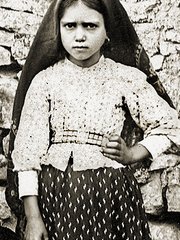
Francisco and Jacinta Marto
1908 - 1919
HPI: 52.31
排名: 3,042
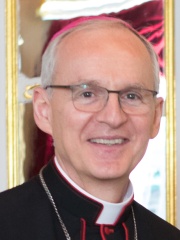
Petar Rajič
1959 - 至今
HPI: 52.30
排名: 3,043
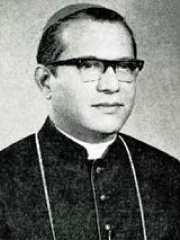
Simon Pimenta
1920 - 2013
HPI: 52.25
排名: 3,044
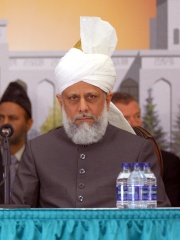
Mirza Masroor Ahmad
1950 - 至今
HPI: 52.23
排名: 3,045
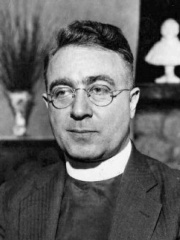
Charles Coughlin
1891 - 1979
HPI: 52.20
排名: 3,046
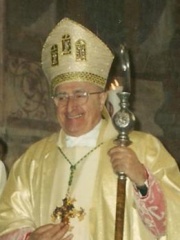
Paolo Magnani
1926 - 2023
HPI: 52.20
排名: 3,047

Conall mac Comgaill
501 - 574
HPI: 52.13
排名: 3,048
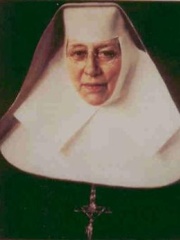
Katharine Drexel
1858 - 1955
HPI: 52.12
排名: 3,049
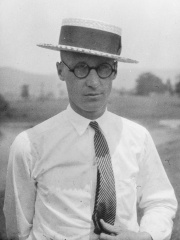
John T. Scopes
1900 - 1970
HPI: 52.08
排名: 3,050

同时代人物
在1920年出生的人中,Simon Pimenta排名第411位。 排在他之前的有:Jack Rowley, Ella Raines, Arthur Wint, Lamberto Dalla Costa, Wolfdietrich Schnurre, 和Man Mohan Adhikari. 排在他之后的有:Michael Bates, Errol Barrow, Paul Scott, Jean Dutourd, Lewis Wilson, 和G. D. Spradlin. 在2013年去世的人中,Simon Pimenta排名第444位。 排在他之前的有:Yvonne Brill, Antonio Jasso, Valdis Muižnieks, Kauko Hänninen, Elías Querejeta, 和Gene Mako. 排在他之后的有:Dieter Hildebrandt, Bryan Forbes, James Herbert, Hugh Huxley, Annette Funicello, 和Aisha Rateb.
其他1920年出生的人
查看全部排名
Jack Rowley
SOCCER PLAYER
1920 - 1998
HPI: 52.54
排名: 405

Ella Raines
ACTOR
1920 - 1988
HPI: 52.52
排名: 406
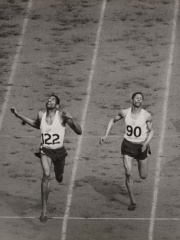
Arthur Wint
ATHLETE
1920 - 1992
HPI: 52.52
排名: 407
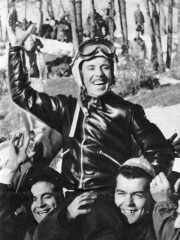
Lamberto Dalla Costa
ATHLETE
1920 - 1982
HPI: 52.39
排名: 408
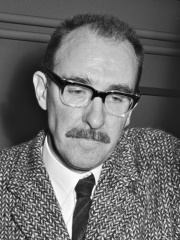
Wolfdietrich Schnurre
WRITER
1920 - 1989
HPI: 52.37
排名: 409

Man Mohan Adhikari
POLITICIAN
1920 - 1999
HPI: 52.27
排名: 410
Simon Pimenta
RELIGIOUS FIGURE
1920 - 2013
HPI: 52.25
排名: 411

Michael Bates
ACTOR
1920 - 1978
HPI: 52.22
排名: 412

Errol Barrow
POLITICIAN
1920 - 1987
HPI: 52.17
排名: 413
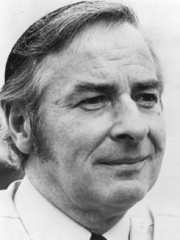
Paul Scott
WRITER
1920 - 1978
HPI: 52.15
排名: 414

Jean Dutourd
WRITER
1920 - 2011
HPI: 52.15
排名: 415

Lewis Wilson
ACTOR
1920 - 2000
HPI: 52.14
排名: 416
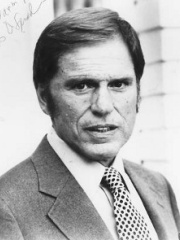
G. D. Spradlin
ACTOR
1920 - 2011
HPI: 52.11
排名: 417
其他2013年去世的人
查看全部排名
Yvonne Brill
INVENTOR
1924 - 2013
HPI: 52.54
排名: 438

Antonio Jasso
SOCCER PLAYER
1935 - 2013
HPI: 52.43
排名: 439

Valdis Muižnieks
BASKETBALL PLAYER
1935 - 2013
HPI: 52.42
排名: 440

Kauko Hänninen
ATHLETE
1930 - 2013
HPI: 52.37
排名: 441

Elías Querejeta
PRODUCER
1934 - 2013
HPI: 52.35
排名: 442

Gene Mako
TENNIS PLAYER
1916 - 2013
HPI: 52.28
排名: 443
Simon Pimenta
RELIGIOUS FIGURE
1920 - 2013
HPI: 52.25
排名: 444
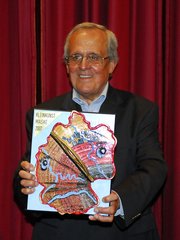
Dieter Hildebrandt
COMEDIAN
1927 - 2013
HPI: 52.25
排名: 445
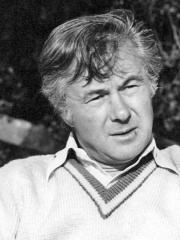
Bryan Forbes
FILM DIRECTOR
1926 - 2013
HPI: 52.17
排名: 446

James Herbert
WRITER
1943 - 2013
HPI: 52.12
排名: 447

Hugh Huxley
BIOLOGIST
1924 - 2013
HPI: 52.02
排名: 448
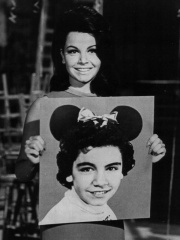
Annette Funicello
ACTOR
1942 - 2013
HPI: 52.00
排名: 449
Aisha Rateb
LAWYER
1928 - 2013
HPI: 51.99
排名: 450
在印度
在出生于印度的人中,Simon Pimenta排名第869位(共1,861人)。 排在他之前的有:Jaipal Singh Munda (1903), Nalini Bala Devi (1898), George Caridia (1869), Mrinalini Sarabhai (1918), George Fernandes (1930), 和Soumitra Chatterjee (1935). 排在他之后的有:Neerja Bhanot (1963), Michael Bates (1920), Rameshbabu Praggnanandhaa (2005), Shatrughan Sinha (1945), Yash (1986), 和Juhi Chawla (1967).

Jaipal Singh Munda
POLITICIAN
1903 - 1970
HPI: 52.36
排名: 863
Nalini Bala Devi
WRITER
1898 - 1977
HPI: 52.30
排名: 864
George Caridia
TENNIS PLAYER
1869 - 1937
HPI: 52.29
排名: 865

Mrinalini Sarabhai
DANCER
1918 - 2016
HPI: 52.26
排名: 866
George Fernandes
POLITICIAN
1930 - 2019
HPI: 52.26
排名: 867
Soumitra Chatterjee
ACTOR
1935 - 2020
HPI: 52.25
排名: 868
Simon Pimenta
RELIGIOUS FIGURE
1920 - 2013
HPI: 52.25
排名: 869

Neerja Bhanot
SOCIAL ACTIVIST
1963 - 1986
HPI: 52.25
排名: 870
Michael Bates
ACTOR
1920 - 1978
HPI: 52.22
排名: 871
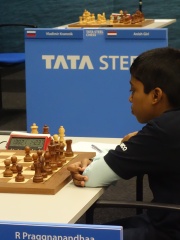
Rameshbabu Praggnanandhaa
CHESS PLAYER
2005 - 至今
HPI: 52.18
排名: 872

Shatrughan Sinha
ACTOR
1945 - 至今
HPI: 52.18
排名: 873

Yash
ACTOR
1986 - 至今
HPI: 52.15
排名: 874

Juhi Chawla
ACTOR
1967 - 至今
HPI: 52.14
排名: 875
在印度的宗教人物中
在出生于印度的宗教人物中,Simon Pimenta排名第59位。 排在他之前的有:Baselios Cleemis (1959), Antony Padiyara (1921), Roberto de Nobili (1577), Chandramukhi Basu (1860), Mohan Bhagwat (1950), 和Mirza Tahir Ahmad (1928). 排在他之后的有:Joseph Parecattil (1912), Anthony Poola (1961), Ravi Zacharias (1946), George Koovakad (1973), 和Begum Samru (1746).
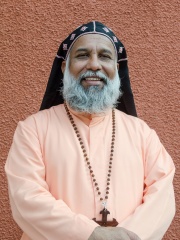
Baselios Cleemis
1959 - 至今
HPI: 57.28
排名: 53

Antony Padiyara
1921 - 2000
HPI: 56.88
排名: 54
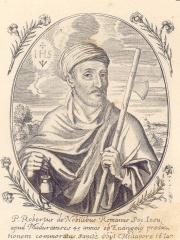
Roberto de Nobili
1577 - 1656
HPI: 56.62
排名: 55
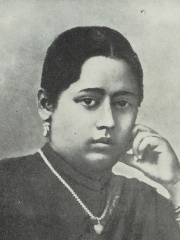
Chandramukhi Basu
1860 - 1944
HPI: 55.64
排名: 56
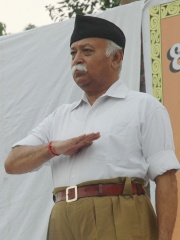
Mohan Bhagwat
1950 - 至今
HPI: 53.27
排名: 57
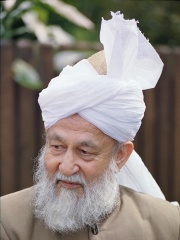
Mirza Tahir Ahmad
1928 - 2003
HPI: 52.76
排名: 58
Simon Pimenta
1920 - 2013
HPI: 52.25
排名: 59
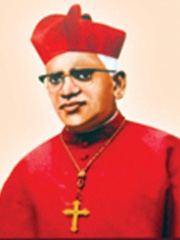
Joseph Parecattil
1912 - 1987
HPI: 51.04
排名: 60

Anthony Poola
1961 - 至今
HPI: 51.01
排名: 61
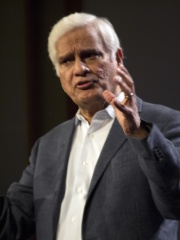
Ravi Zacharias
1946 - 2020
HPI: 50.99
排名: 62
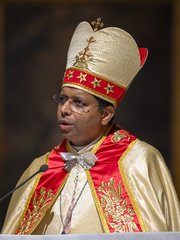
George Koovakad
1973 - 至今
HPI: 49.37
排名: 63
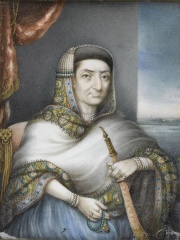
Begum Samru
1746 - 1836
HPI: 48.59
排名: 64




