Религиозный деятель
George Alencherry
1945 - настоящее время
ПРОСМОТРЫ RU.WIKIPEDIA (PV)
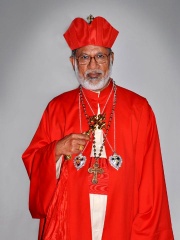
 George Alencherry
Его биография доступна на 28 различных языках в Википедии (рост с 25 в 2024 году). George Alencherry занимает 930-е место среди самых популярных религиозный деятель (рост с 1087-е места в 2024 году), занимает 165-е место среди самых популярных биографий из Индии (рост с 189-е места в 2019 году) и занимает 18-е место среди религиозный деятель Индия.
Метрики памятности
24k
Просмотры страниц
За последние 12 месяцев
67.56
HPI
Индекс исторической популярности
Интересные факты
+4,222
George Alencherry поднялся на 4,222 позиций в мировом рейтинге HPI Pantheon, с 17,361-го на 13,151-е место.
#165 / 2,312
George Alencherry занимает 165-е место среди 2,312 личностей Pantheon, родившихся в стране Индия, входя в лучшие 8 % этой группы.
Просмотры страницы George Alencherry по языкам
Среди представителей профессии «Религиозный деятель»
Среди представителей профессии «Религиозный деятель» George Alencherry занимает 930-е место из 3,189. Перед ним идут Ravi Shankar, Angela of Foligno, Raniero Cantalamessa, Lucian of Antioch, Hélder Câmara, и Angelo Amato. После него идут Abd Manaf ibn Qusai, Reginald Lee, Al-Qurtubi, Anastasius of Persia, Antipope Gregory VIII, и Pierre Cauchon.
Самые популярные в Википедии: Религиозный деятель
Все рейтинги
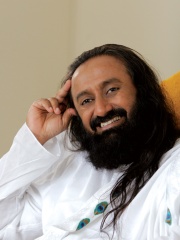
Ravi Shankar
1956 - наст. время
HPI: 67.60
Место: 924
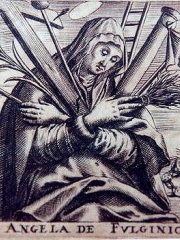
Angela of Foligno
1248 - 1309
HPI: 67.58
Место: 925

Raniero Cantalamessa
1934 - наст. время
HPI: 67.58
Место: 926

Lucian of Antioch
240 - 312
HPI: 67.57
Место: 927
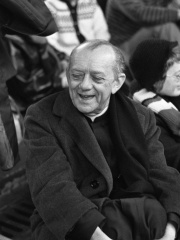
Hélder Câmara
1909 - 1999
HPI: 67.57
Место: 928
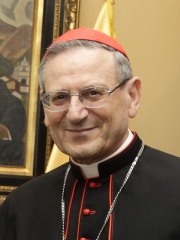
Angelo Amato
1938 - 2024
HPI: 67.57
Место: 929
George Alencherry
1945 - наст. время
HPI: 67.56
Место: 930

Abd Manaf ibn Qusai
430 - 600
HPI: 67.54
Место: 931
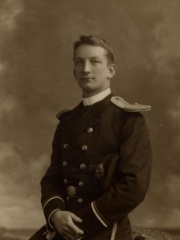
Reginald Lee
1870 - 1913
HPI: 67.54
Место: 932

Al-Qurtubi
1214 - 1273
HPI: 67.54
Место: 933

Anastasius of Persia
550 - 628
HPI: 67.53
Место: 934
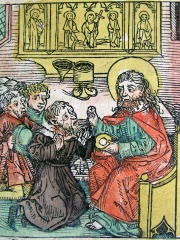
Antipope Gregory VIII
1100 - 1137
HPI: 67.53
Место: 935
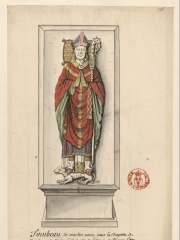
Pierre Cauchon
1371 - 1442
HPI: 67.53
Место: 936

Современники
Среди людей, родившихся в 1945 году, George Alencherry занимает 89-е место. Перед ним идут Linda Lee Cadwell, Ken Hensley, Haris Silajdžić, Joseph Kosuth, Dennis Rader, и Linda Harrison. После него идут Joël Robuchon, Eizo Yuguchi, Türkan Şoray, Frans Sammut, Svetlana Gerasimenko, и Dirk Benedict.
Другие люди, родившиеся в 1945 году
Все рейтинги
Linda Lee Cadwell
MARTIAL ARTS
1945 - наст. время
HPI: 68.01
Место: 83
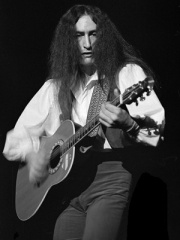
Ken Hensley
MUSICIAN
1945 - 2020
HPI: 67.96
Место: 84

Haris Silajdžić
POLITICIAN
1945 - наст. время
HPI: 67.96
Место: 85
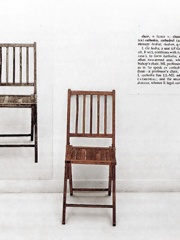
Joseph Kosuth
PAINTER
1945 - наст. время
HPI: 67.69
Место: 86

Dennis Rader
EXTREMIST
1945 - наст. время
HPI: 67.62
Место: 87
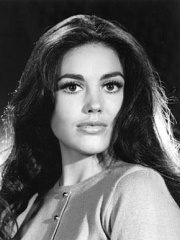
Linda Harrison
ACTOR
1945 - наст. время
HPI: 67.56
Место: 88
George Alencherry
RELIGIOUS FIGURE
1945 - наст. время
HPI: 67.56
Место: 89
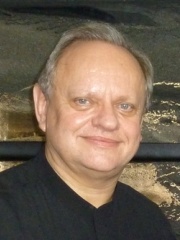
Joël Robuchon
CHEF
1945 - 2018
HPI: 67.49
Место: 90

Eizo Yuguchi
SOCCER PLAYER
1945 - 2003
HPI: 67.43
Место: 91

Türkan Şoray
ACTOR
1945 - наст. время
HPI: 67.23
Место: 92
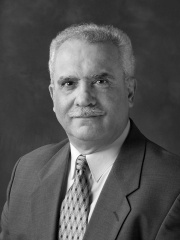
Frans Sammut
WRITER
1945 - 2011
HPI: 67.23
Место: 93

Svetlana Gerasimenko
ASTRONOMER
1945 - 2025
HPI: 67.19
Место: 94

Dirk Benedict
ACTOR
1945 - наст. время
HPI: 67.18
Место: 95
В стране Индия
Среди людей, родившихся в стране Индия, George Alencherry занимает 165-е место из 2,312. Перед ним идут Abdul Qadeer Khan (1936), Wilfred Bion (1897), Ashok Kumar (1911), Guru Angad (1504), Vikramaditya (-102), и Ravi Shankar (1956). После него идут Anna Mani (1918), Jayalalithaa (1948), Julia Margaret Cameron (1815), Shah Waliullah Dehlawi (1703), Mukesh (1923), и Anthony de Mello (1931).
Другие люди, родившиеся в стране Индия
Все рейтинги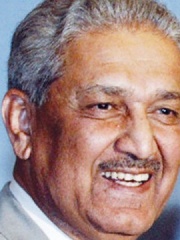
Abdul Qadeer Khan
PHYSICIST
1936 - 2021
HPI: 67.90
Место: 159
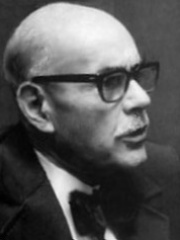
Wilfred Bion
PSYCHOLOGIST
1897 - 1979
HPI: 67.76
Место: 160
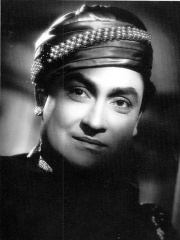
Ashok Kumar
ACTOR
1911 - 2001
HPI: 67.74
Место: 161
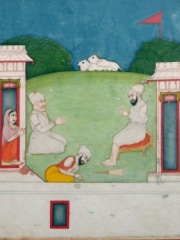
Guru Angad
RELIGIOUS FIGURE
1504 - 1552
HPI: 67.61
Место: 162

Vikramaditya
POLITICIAN
102 BC - наст. время
HPI: 67.61
Место: 163
Ravi Shankar
RELIGIOUS FIGURE
1956 - наст. время
HPI: 67.60
Место: 164
George Alencherry
RELIGIOUS FIGURE
1945 - наст. время
HPI: 67.56
Место: 165
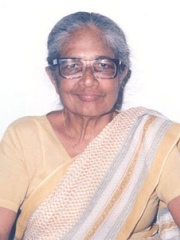
Anna Mani
PHYSICIST
1918 - 2001
HPI: 67.54
Место: 166
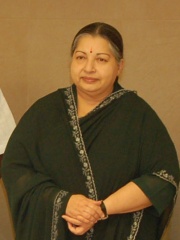
Jayalalithaa
POLITICIAN
1948 - 2016
HPI: 67.48
Место: 167
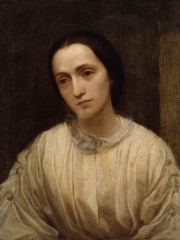
Julia Margaret Cameron
PHOTOGRAPHER
1815 - 1879
HPI: 67.46
Место: 168

Shah Waliullah Dehlawi
PHILOSOPHER
1703 - 1762
HPI: 67.42
Место: 169
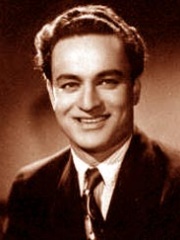
Mukesh
ACTOR
1923 - 1976
HPI: 67.41
Место: 170
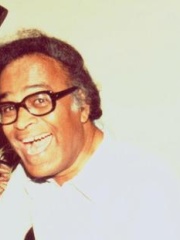
Anthony de Mello
RELIGIOUS FIGURE
1931 - 1987
HPI: 67.38
Место: 171
Среди представителей профессии «Религиозный деятель» в стране Индия
Среди представителей профессии «Религиозный деятель», родившихся в стране Индия, George Alencherry занимает 18-е место. Перед ним идут Radha (null), Mahinda (-285), Sadhu Sundar Singh (1889), Guru Arjan (1563), Guru Angad (1504), и Ravi Shankar (1956). После него идут Anthony de Mello (1931), Maharishi Mahesh Yogi (1918), Mata Amritanandamayi (1953), Mahavatar Babaji (1900), Nirmala Joshi (1934), и Parshvanatha (-872).
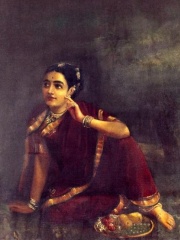
Radha
HPI: 69.21
Место: 12

Mahinda
285 BC - 205 BC
HPI: 69.02
Место: 13
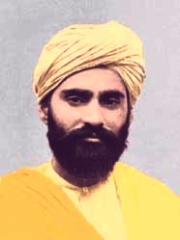
Sadhu Sundar Singh
1889 - 1929
HPI: 68.61
Место: 14

Guru Arjan
1563 - 1606
HPI: 68.56
Место: 15
Guru Angad
1504 - 1552
HPI: 67.61
Место: 16
Ravi Shankar
1956 - наст. время
HPI: 67.60
Место: 17
George Alencherry
1945 - наст. время
HPI: 67.56
Место: 18
Anthony de Mello
1931 - 1987
HPI: 67.38
Место: 19
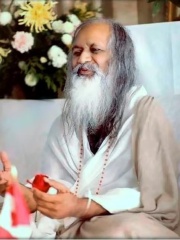
Maharishi Mahesh Yogi
1918 - 2008
HPI: 67.27
Место: 20

Mata Amritanandamayi
1953 - наст. время
HPI: 67.10
Место: 21
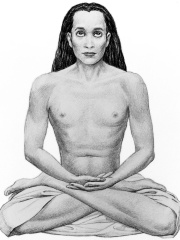
Mahavatar Babaji
1900 - наст. время
HPI: 66.55
Место: 22

Nirmala Joshi
1934 - 2015
HPI: 66.47
Место: 23
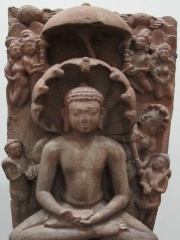
Parshvanatha
872 BC - 772 BC
HPI: 65.82
Место: 24




