化学家
Mathieu Orfila
1787 - 1853
 Mathieu Orfila
知名度指标
18k
页面浏览量
过去12个月
60.97
HPI
历史知名度指数
Mathieu Orfila的各语言页面浏览量
在化学家中
在化学家中,Mathieu Orfila排名第390位(共602人)。 排在他之前的有:Agnes Pockels, Joseph Achille Le Bel, Edward Calvin Kendall, Isabella Karle, Charles Frédéric Gerhardt, 和George Sarton. 排在他之后的有:Heinrich Rose, Nicolas Lemery, Fausto Elhuyar, Maclyn McCarty, Adolph Frank, 和Ferdinand Reich.
维基百科上最受欢迎的化学家
查看全部排名
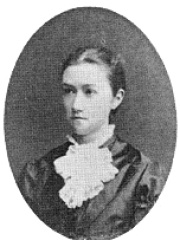
Agnes Pockels
1862 - 1935
HPI: 61.17
排名: 384
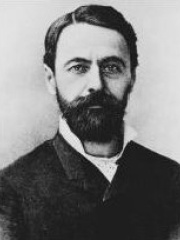
Joseph Achille Le Bel
1847 - 1930
HPI: 61.11
排名: 385
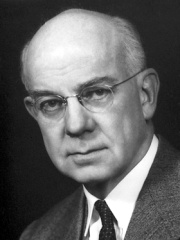
Edward Calvin Kendall
1972 - 1972
HPI: 61.08
排名: 386
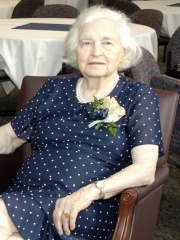
Isabella Karle
1921 - 2017
HPI: 61.07
排名: 387
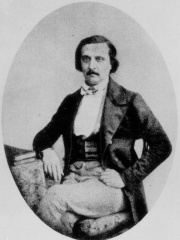
Charles Frédéric Gerhardt
1816 - 1856
HPI: 61.01
排名: 388
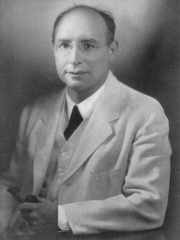
George Sarton
1884 - 1956
HPI: 61.01
排名: 389
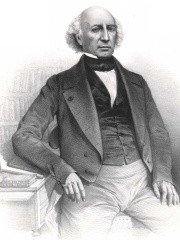
Mathieu Orfila
1787 - 1853
HPI: 60.97
排名: 390
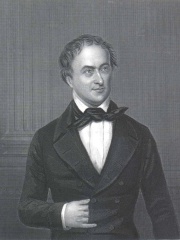
Heinrich Rose
1795 - 1864
HPI: 60.94
排名: 391
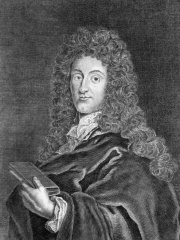
Nicolas Lemery
1645 - 1715
HPI: 60.87
排名: 392
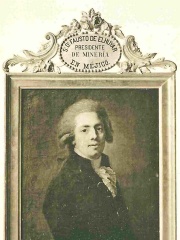
Fausto Elhuyar
1755 - 1833
HPI: 60.81
排名: 393
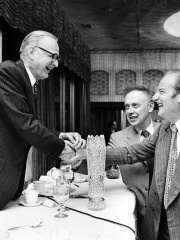
Maclyn McCarty
1911 - 2005
HPI: 60.79
排名: 394
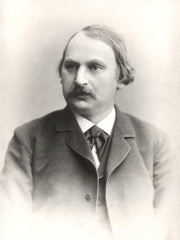
Adolph Frank
1834 - 1916
HPI: 60.68
排名: 395
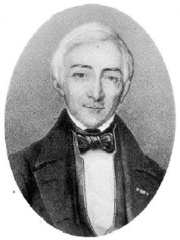
Ferdinand Reich
1799 - 1882
HPI: 60.64
排名: 396

同时代人物
在1787年出生的人中,Mathieu Orfila排名第28位。 排在他之前的有:Delphine LaLaurie, Friedrich Krupp, François Sudre, Muhammad ibn Ali as-Senussi, Eliza Poe, 和Francisco de Paula Martínez de la Rosa y Berdejo. 排在他之后的有:Princess Charlotte of Saxe-Hildburghausen, William Etty, Josef Ludwig von Armansperg, Alexander Alyabyev, Ramón Freire, 和Pellegrino Rossi. 在1853年去世的人中,Mathieu Orfila排名第30位。 排在他之前的有:Andries Pretorius, Anastasio Bustamante, Lionel Kieseritzky, Hyacinth, Adrien-Henri de Jussieu, 和Juan Antonio Lavalleja. 排在他之后的有:Branko Radičević, George Onslow, Abigail Fillmore, Josef Ludwig von Armansperg, Georg, Duke of Saxe-Altenburg, 和Pierre-François-Léonard Fontaine.
其他1787年出生的人
查看全部排名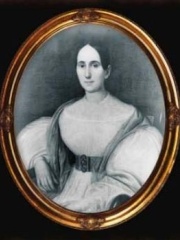
Delphine LaLaurie
EXTREMIST
1787 - 1849
HPI: 62.63
排名: 22
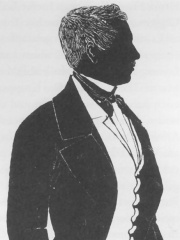
Friedrich Krupp
BUSINESSPERSON
1787 - 1826
HPI: 61.82
排名: 23
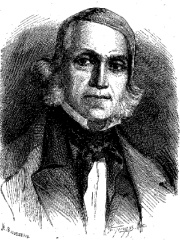
François Sudre
COMPOSER
1787 - 1862
HPI: 61.81
排名: 24
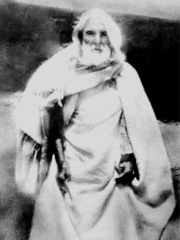
Muhammad ibn Ali as-Senussi
POLITICIAN
1787 - 1859
HPI: 61.65
排名: 25
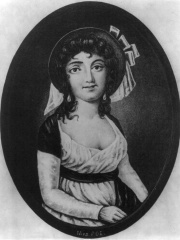
Eliza Poe
ACTOR
1787 - 1811
HPI: 61.50
排名: 26
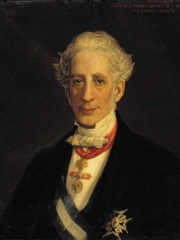
Francisco de Paula Martínez de la Rosa y Berdejo
POLITICIAN
1787 - 1862
HPI: 61.30
排名: 27
Mathieu Orfila
CHEMIST
1787 - 1853
HPI: 60.97
排名: 28
Princess Charlotte of Saxe-Hildburghausen
POLITICIAN
1787 - 1847
HPI: 60.42
排名: 29
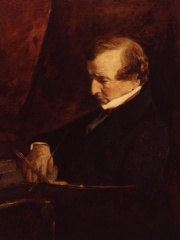
William Etty
ARTIST
1787 - 1849
HPI: 60.22
排名: 30
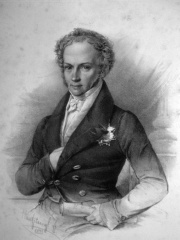
Josef Ludwig von Armansperg
POLITICIAN
1787 - 1853
HPI: 60.17
排名: 31
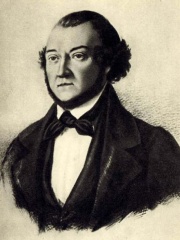
Alexander Alyabyev
COMPOSER
1787 - 1851
HPI: 59.75
排名: 32

Ramón Freire
POLITICIAN
1787 - 1851
HPI: 59.43
排名: 33
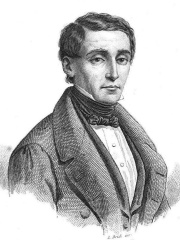
Pellegrino Rossi
POLITICIAN
1787 - 1848
HPI: 59.08
排名: 34
其他1853年去世的人
查看全部排名
Andries Pretorius
POLITICIAN
1798 - 1853
HPI: 62.04
排名: 24
Anastasio Bustamante
POLITICIAN
1780 - 1853
HPI: 62.03
排名: 25
Lionel Kieseritzky
CHESS PLAYER
1806 - 1853
HPI: 61.41
排名: 26
Hyacinth
RELIGIOUS FIGURE
1777 - 1853
HPI: 61.18
排名: 27
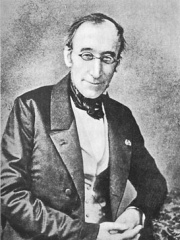
Adrien-Henri de Jussieu
BIOLOGIST
1797 - 1853
HPI: 61.18
排名: 28
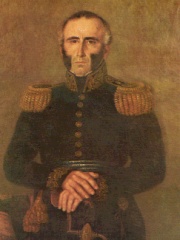
Juan Antonio Lavalleja
POLITICIAN
1784 - 1853
HPI: 61.08
排名: 29
Mathieu Orfila
CHEMIST
1787 - 1853
HPI: 60.97
排名: 30
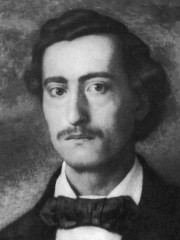
Branko Radičević
WRITER
1824 - 1853
HPI: 60.88
排名: 31
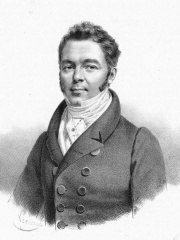
George Onslow
COMPOSER
1784 - 1853
HPI: 60.59
排名: 32
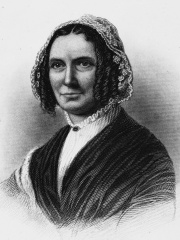
Abigail Fillmore
POLITICIAN
1798 - 1853
HPI: 60.29
排名: 33
Josef Ludwig von Armansperg
POLITICIAN
1787 - 1853
HPI: 60.17
排名: 34
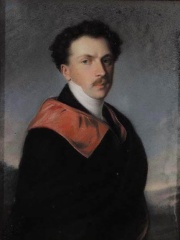
Georg, Duke of Saxe-Altenburg
POLITICIAN
1796 - 1853
HPI: 60.00
排名: 35
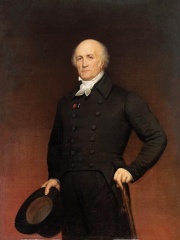
Pierre-François-Léonard Fontaine
ARCHITECT
1762 - 1853
HPI: 59.93
排名: 36
在西班牙
在出生于西班牙的人中,Mathieu Orfila排名第929位(共NaN人)。 排在他之前的有:Jaume Huguet (1412), Gaspar de Borja y Velasco (1580), Juan Carlos Ferrero (1980), Luis Cernuda (1902), Toda of Pamplona (876), 和Rodrigo de Jerez (1350). 排在他之后的有:Pelagius of Córdoba (912), Miguel Cabanellas (1872), Jimena Díaz (1046), Domènec Balmanya (1914), Francisco Herrera the Younger (1622), 和Antonio Maura (1853).
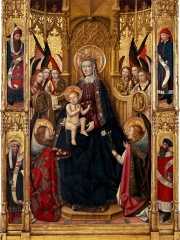
Jaume Huguet
PAINTER
1412 - 1492
HPI: 61.03
排名: 923
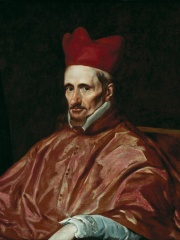
Gaspar de Borja y Velasco
POLITICIAN
1580 - 1645
HPI: 61.02
排名: 924
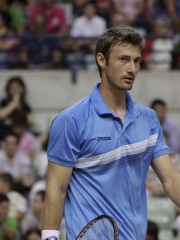
Juan Carlos Ferrero
TENNIS PLAYER
1980 - 至今
HPI: 61.01
排名: 925
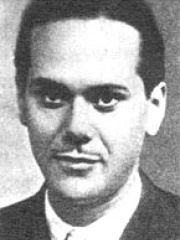
Luis Cernuda
WRITER
1902 - 1963
HPI: 61.00
排名: 926
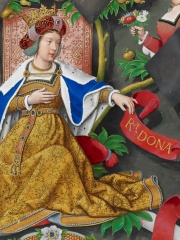
Toda of Pamplona
COMPANION
876 - 958
HPI: 60.98
排名: 927

Rodrigo de Jerez
EXPLORER
1350 - 至今
HPI: 60.97
排名: 928
Mathieu Orfila
CHEMIST
1787 - 1853
HPI: 60.97
排名: 929
Pelagius of Córdoba
RELIGIOUS FIGURE
912 - 926
HPI: 60.97
排名: 930
Miguel Cabanellas
MILITARY PERSONNEL
1872 - 1938
HPI: 60.96
排名: 931
Jimena Díaz
POLITICIAN
1046 - 1116
HPI: 60.95
排名: 932

Domènec Balmanya
SOCCER PLAYER
1914 - 2002
HPI: 60.94
排名: 933
Francisco Herrera the Younger
PAINTER
1622 - 1685
HPI: 60.93
排名: 934
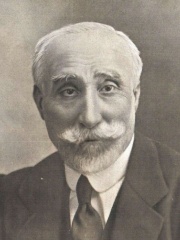
Antonio Maura
POLITICIAN
1853 - 1925
HPI: 60.93
排名: 935
在西班牙的化学家中
在出生于西班牙的化学家中,Mathieu Orfila排名第2位。 排在他之前的有:Andrés Manuel del Río (1764). 排在他之后的有:Fausto Elhuyar (1755), Alexandre-Émile Béguyer de Chancourtois (1820), 和Juan José Elhuyar (1754).
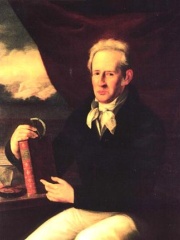
Andrés Manuel del Río
1764 - 1849
HPI: 61.66
排名: 1
Mathieu Orfila
1787 - 1853
HPI: 60.97
排名: 2
Fausto Elhuyar
1755 - 1833
HPI: 60.81
排名: 3
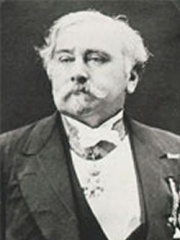
Alexandre-Émile Béguyer de Chancourtois
1820 - 1886
HPI: 59.81
排名: 4

Juan José Elhuyar
1754 - 1796
HPI: 59.02
排名: 5




