画家
József Rippl-Rónai
1861 - 1927
 József Rippl-Rónai
知名度指标
18k
页面浏览量
过去12个月
59.53
HPI
历史知名度指数
József Rippl-Rónai的各语言页面浏览量
在画家中
在画家中,József Rippl-Rónai排名第1,272位(共2,023人)。 排在他之前的有:Euphranor, Julie Manet, George Dawe, Karl Friedrich Lessing, Orlan, 和Joachim Wtewael. 排在他之后的有:Carl Moll, Petr Brandl, Johannes Lingelbach, Caesar van Everdingen, Charles Laval, 和Antonio Saura.
维基百科上最受欢迎的画家
查看全部排名
Euphranor
301 BC - 400 BC
HPI: 59.54
排名: 1,266
Julie Manet
1878 - 1966
HPI: 59.54
排名: 1,267
George Dawe
1781 - 1829
HPI: 59.54
排名: 1,268
Karl Friedrich Lessing
1808 - 1880
HPI: 59.54
排名: 1,269

Orlan
1947 - 至今
HPI: 59.54
排名: 1,270
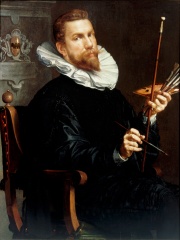
Joachim Wtewael
1566 - 1638
HPI: 59.53
排名: 1,271
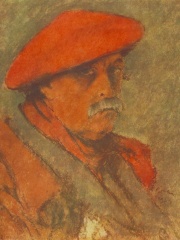
József Rippl-Rónai
1861 - 1927
HPI: 59.53
排名: 1,272
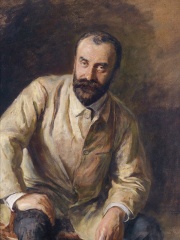
Carl Moll
1861 - 1945
HPI: 59.53
排名: 1,273
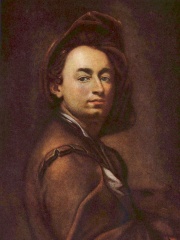
Petr Brandl
1668 - 1735
HPI: 59.52
排名: 1,274
Johannes Lingelbach
1622 - 1674
HPI: 59.52
排名: 1,275
Caesar van Everdingen
1616 - 1678
HPI: 59.51
排名: 1,276
Charles Laval
1862 - 1894
HPI: 59.51
排名: 1,277
Antonio Saura
1930 - 1998
HPI: 59.51
排名: 1,278

同时代人物
在1861年出生的人中,József Rippl-Rónai排名第91位。 排在他之前的有:Curt von Bardeleben, Lucien Simon, Paul Ranson, E. Pauline Johnson, Prince Francis Joseph of Battenberg, 和Katō Tomosaburō. 排在他之后的有:Carl Moll, Émile Grumiaux, Fanny Brate, Ernest Renshaw, Karl Groos, 和Nikola Ivanov. 在1927年去世的人中,József Rippl-Rónai排名第82位。 排在他之前的有:Émile Coste, Erik Ivar Fredholm, Francis Lane, Carl Graebe, Khalid bin Barghash of Zanzibar, 和Jurgis Matulaitis-Matulevičius. 排在他之后的有:Hermann von Stein, Georg Ossian Sars, Ernest Starling, Ram Prasad Bismil, Franz Rohr von Denta, 和Borisav Stanković.
其他1861年出生的人
查看全部排名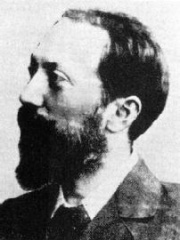
Curt von Bardeleben
WRITER
1861 - 1924
HPI: 59.96
排名: 85
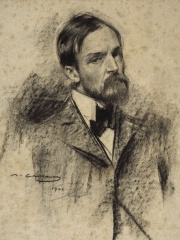
Lucien Simon
PAINTER
1861 - 1945
HPI: 59.74
排名: 86
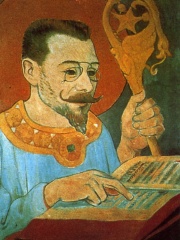
Paul Ranson
PAINTER
1861 - 1909
HPI: 59.67
排名: 87
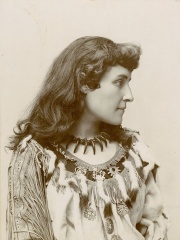
E. Pauline Johnson
WRITER
1861 - 1913
HPI: 59.65
排名: 88
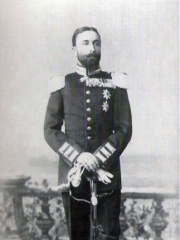
Prince Francis Joseph of Battenberg
POLITICIAN
1861 - 1924
HPI: 59.63
排名: 89
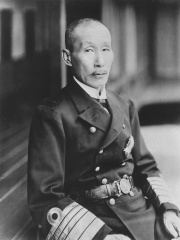
Katō Tomosaburō
POLITICIAN
1861 - 1923
HPI: 59.55
排名: 90
József Rippl-Rónai
PAINTER
1861 - 1927
HPI: 59.53
排名: 91
Carl Moll
PAINTER
1861 - 1945
HPI: 59.53
排名: 92

Émile Grumiaux
ATHLETE
1861 - 1932
HPI: 59.39
排名: 93
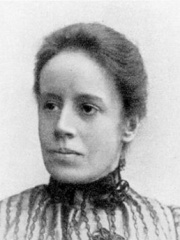
Fanny Brate
PAINTER
1861 - 1940
HPI: 58.99
排名: 94
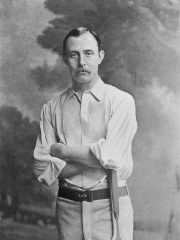
Ernest Renshaw
TENNIS PLAYER
1861 - 1899
HPI: 58.77
排名: 95

Karl Groos
PHILOSOPHER
1861 - 1946
HPI: 58.55
排名: 96
Nikola Ivanov
MILITARY PERSONNEL
1861 - 1940
HPI: 58.38
排名: 97
其他1927年去世的人
查看全部排名
Émile Coste
FENCER
1862 - 1927
HPI: 60.16
排名: 76
Erik Ivar Fredholm
MATHEMATICIAN
1866 - 1927
HPI: 60.02
排名: 77
Francis Lane
ATHLETE
1874 - 1927
HPI: 60.02
排名: 78
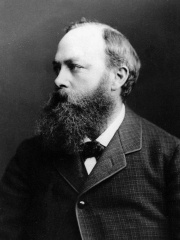
Carl Graebe
CHEMIST
1841 - 1927
HPI: 59.82
排名: 79
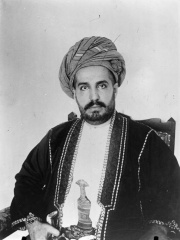
Khalid bin Barghash of Zanzibar
POLITICIAN
1874 - 1927
HPI: 59.68
排名: 80
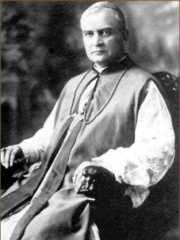
Jurgis Matulaitis-Matulevičius
RELIGIOUS FIGURE
1871 - 1927
HPI: 59.56
排名: 81
József Rippl-Rónai
PAINTER
1861 - 1927
HPI: 59.53
排名: 82
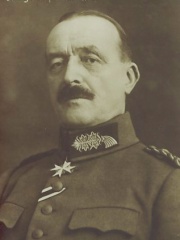
Hermann von Stein
POLITICIAN
1854 - 1927
HPI: 59.27
排名: 83
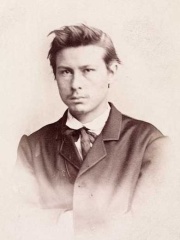
Georg Ossian Sars
BIOLOGIST
1837 - 1927
HPI: 59.05
排名: 84
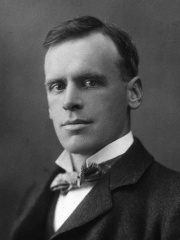
Ernest Starling
PHYSICIAN
1866 - 1927
HPI: 58.88
排名: 85
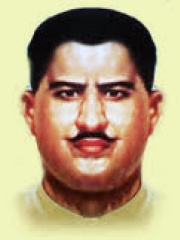
Ram Prasad Bismil
WRITER
1897 - 1927
HPI: 58.80
排名: 86
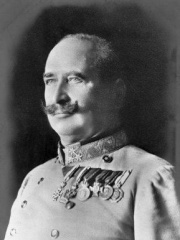
Franz Rohr von Denta
MILITARY PERSONNEL
1854 - 1927
HPI: 58.64
排名: 87
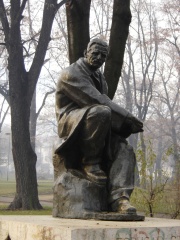
Borisav Stanković
WRITER
1876 - 1927
HPI: 58.40
排名: 88
在匈牙利
在出生于匈牙利的人中,József Rippl-Rónai排名第382位(共NaN人)。 排在他之前的有:László Paskai (1927), Gyula Zsivótzky (1937), Győző Kulcsár (1940), Béla Kiss (1877), Andrew G. Vajna (1944), 和Sándor Tarics (1913). 排在他之后的有:Pál Turán (1910), Eva Gabor (1919), Vilmos Zsigmond (1930), Otto Ferdinand von Abensperg und Traun (1677), Dénes Kőnig (1884), 和Joseph Böhm (1795).

László Paskai
RELIGIOUS FIGURE
1927 - 2015
HPI: 59.65
排名: 376
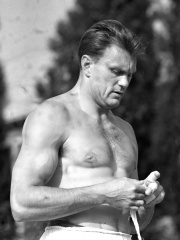
Gyula Zsivótzky
ATHLETE
1937 - 2007
HPI: 59.65
排名: 377
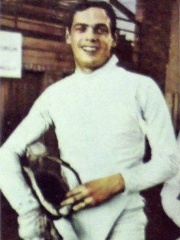
Győző Kulcsár
FENCER
1940 - 2018
HPI: 59.59
排名: 378
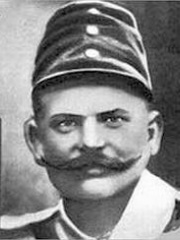
Béla Kiss
EXTREMIST
1877 - 1915
HPI: 59.59
排名: 379
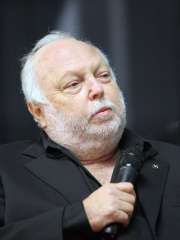
Andrew G. Vajna
PRODUCER
1944 - 2019
HPI: 59.58
排名: 380
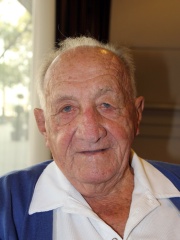
Sándor Tarics
ARCHITECT
1913 - 2016
HPI: 59.56
排名: 381
József Rippl-Rónai
PAINTER
1861 - 1927
HPI: 59.53
排名: 382
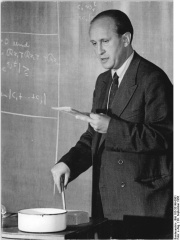
Pál Turán
MATHEMATICIAN
1910 - 1976
HPI: 59.53
排名: 383

Eva Gabor
ACTOR
1919 - 1995
HPI: 59.51
排名: 384
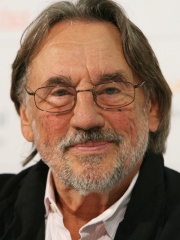
Vilmos Zsigmond
RELIGIOUS FIGURE
1930 - 2016
HPI: 59.47
排名: 385
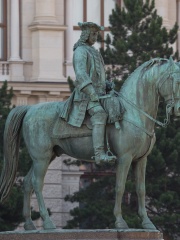
Otto Ferdinand von Abensperg und Traun
NOBLEMAN
1677 - 1748
HPI: 59.44
排名: 386
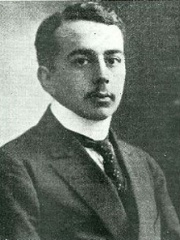
Dénes Kőnig
MATHEMATICIAN
1884 - 1944
HPI: 59.44
排名: 387
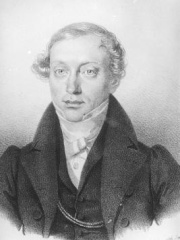
Joseph Böhm
MUSICIAN
1795 - 1876
HPI: 59.43
排名: 388
在匈牙利的画家中
在出生于匈牙利的画家中,József Rippl-Rónai排名第9位。 排在他之前的有:Mihály Zichy (1827), Amrita Sher-Gil (1913), Gyula Benczúr (1844), Philip de László (1869), László Mednyánszky (1852), 和Vilmos Aba-Novák (1894). 排在他之后的有:Igor Grabar (1871), Dóra Maurer (1937), Lajos Tihanyi (1885), Katarina Ivanović (1811), 和Ilka Gedő (1921).
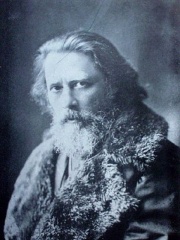
Mihály Zichy
1827 - 1906
HPI: 63.90
排名: 3
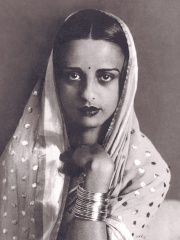
Amrita Sher-Gil
1913 - 1941
HPI: 62.46
排名: 4
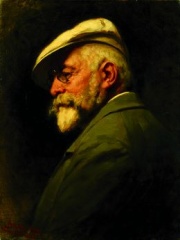
Gyula Benczúr
1844 - 1920
HPI: 61.66
排名: 5
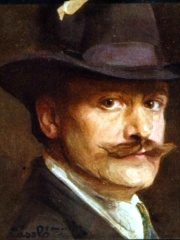
Philip de László
1869 - 1937
HPI: 61.63
排名: 6
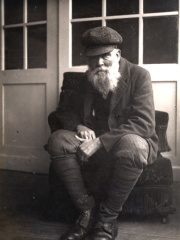
László Mednyánszky
1852 - 1919
HPI: 61.17
排名: 7
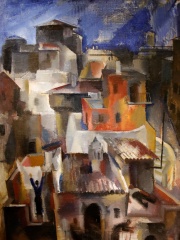
Vilmos Aba-Novák
1894 - 1941
HPI: 60.02
排名: 8
József Rippl-Rónai
1861 - 1927
HPI: 59.53
排名: 9
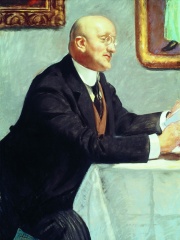
Igor Grabar
1871 - 1960
HPI: 58.35
排名: 10

Dóra Maurer
1937 - 2026
HPI: 57.96
排名: 11
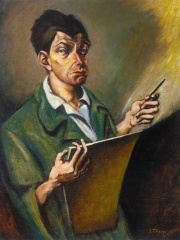
Lajos Tihanyi
1885 - 1938
HPI: 57.26
排名: 12
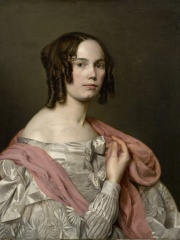
Katarina Ivanović
1811 - 1882
HPI: 56.42
排名: 13
Ilka Gedő
1921 - 1985
HPI: 55.74
排名: 14




