政治家
Benjamin Sheares
1907 - 1981
ZH.WIKIPEDIA 页面浏览量 (PV)
 Benjamin Sheares
知名度指标
69k
页面浏览量
过去12个月
67.29
HPI
历史知名度指数
Benjamin Sheares的各语言页面浏览量
在政治家中
在政治家中,Benjamin Sheares排名第4,419位(共19,576人)。 排在他之前的有:André Maginot, Konstantinos Stephanopoulos, Maia Sandu, Sporus, Princess Cecilie of Greece and Denmark, 和Sibylle of Cleves. 排在他之后的有:Andris Bērziņš, George Clinton, Sabinianus, Emil Jellinek, Khutulun, 和Luitgard.
维基百科上最受欢迎的政治家
查看全部排名
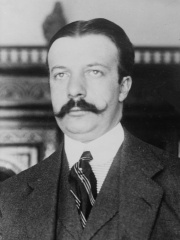
André Maginot
1877 - 1932
HPI: 67.30
排名: 4,415
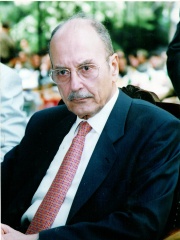
Konstantinos Stephanopoulos
1926 - 2016
HPI: 67.30
排名: 4,416

Maia Sandu
1972 - 至今
HPI: 67.30
排名: 4,417

Sporus
49 - 69
HPI: 67.29
排名: 4,418
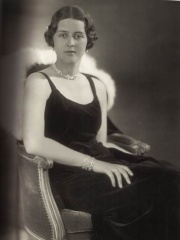
Princess Cecilie of Greece and Denmark
1911 - 1937
HPI: 67.29
排名: 4,419

Sibylle of Cleves
1512 - 1554
HPI: 67.29
排名: 4,420
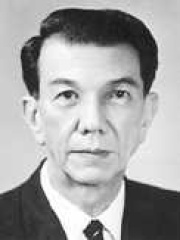
Benjamin Sheares
1907 - 1981
HPI: 67.29
排名: 4,421

Andris Bērziņš
1944 - 至今
HPI: 67.29
排名: 4,422
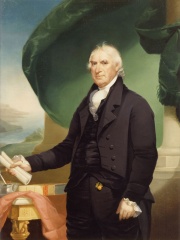
George Clinton
1739 - 1812
HPI: 67.29
排名: 4,423

Sabinianus
200 - 240
HPI: 67.29
排名: 4,424
Emil Jellinek
1853 - 1918
HPI: 67.29
排名: 4,425

Khutulun
1260 - 1306
HPI: 67.29
排名: 4,426

Luitgard
776 - 800
HPI: 67.29
排名: 4,427

同时代人物
在1907年出生的人中,Benjamin Sheares排名第68位。 排在他之前的有:Ko Takamoro, Ernesto Geisel, James Meade, Lê Duẩn, Sigvard Bernadotte, 和Shiro Teshima. 排在他之后的有:Junji Nishikawa, Yoshiko Kawashima, Ramon Magsaysay, H. L. A. Hart, Horia Sima, 和Leonor Fini. 在1981年去世的人中,Benjamin Sheares排名第41位。 排在他之前的有:Mohammad-Ali Rajai, Abel Gance, Stefan Wyszyński, Mehmet Shehu, Will Durant, 和David Wechsler. 排在他之后的有:Leo Kanner, Princess Margarita of Greece and Denmark, Lobsang Rampa, Karl Richter, Frances Yates, 和Alberto Suppici.
其他1907年出生的人
查看全部排名
Ko Takamoro
SOCCER PLAYER
1907 - 1995
HPI: 67.77
排名: 62
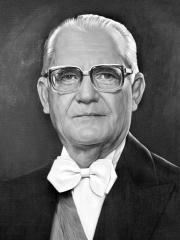
Ernesto Geisel
POLITICIAN
1907 - 1996
HPI: 67.71
排名: 63
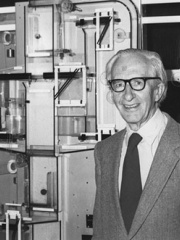
James Meade
ECONOMIST
1907 - 1995
HPI: 67.62
排名: 64
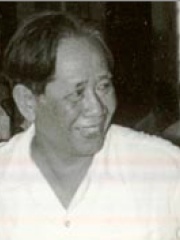
Lê Duẩn
POLITICIAN
1907 - 1986
HPI: 67.62
排名: 65
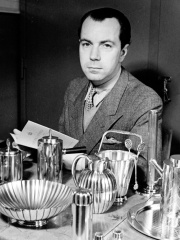
Sigvard Bernadotte
POLITICIAN
1907 - 2002
HPI: 67.43
排名: 66

Shiro Teshima
SOCCER PLAYER
1907 - 1982
HPI: 67.39
排名: 67
Benjamin Sheares
POLITICIAN
1907 - 1981
HPI: 67.29
排名: 68

Junji Nishikawa
SOCCER PLAYER
1907 - 至今
HPI: 67.09
排名: 69

Yoshiko Kawashima
MILITARY PERSONNEL
1907 - 1948
HPI: 66.95
排名: 70
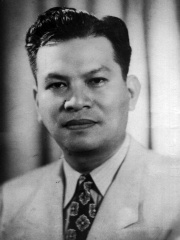
Ramon Magsaysay
POLITICIAN
1907 - 1957
HPI: 66.92
排名: 71
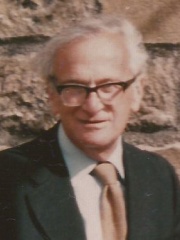
H. L. A. Hart
PHILOSOPHER
1907 - 1992
HPI: 66.86
排名: 72
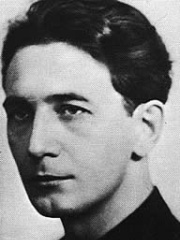
Horia Sima
POLITICIAN
1907 - 1993
HPI: 66.56
排名: 73

Leonor Fini
PAINTER
1907 - 1996
HPI: 66.19
排名: 74
其他1981年去世的人
查看全部排名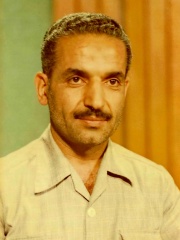
Mohammad-Ali Rajai
POLITICIAN
1933 - 1981
HPI: 68.50
排名: 35
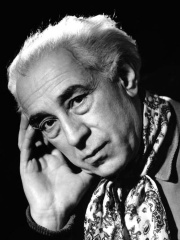
Abel Gance
FILM DIRECTOR
1889 - 1981
HPI: 68.48
排名: 36
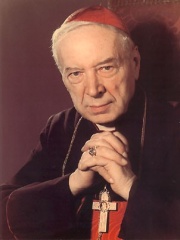
Stefan Wyszyński
RELIGIOUS FIGURE
1901 - 1981
HPI: 68.15
排名: 37
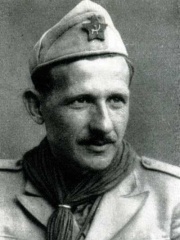
Mehmet Shehu
POLITICIAN
1913 - 1981
HPI: 67.95
排名: 38
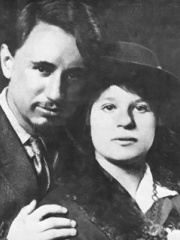
Will Durant
WRITER
1885 - 1981
HPI: 67.35
排名: 39
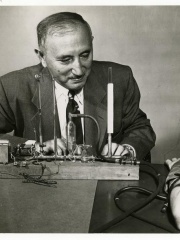
David Wechsler
PSYCHOLOGIST
1896 - 1981
HPI: 67.34
排名: 40
Benjamin Sheares
POLITICIAN
1907 - 1981
HPI: 67.29
排名: 41
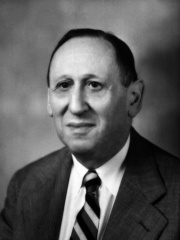
Leo Kanner
POLITICIAN
1894 - 1981
HPI: 66.98
排名: 42
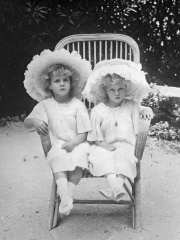
Princess Margarita of Greece and Denmark
POLITICIAN
1905 - 1981
HPI: 66.24
排名: 43
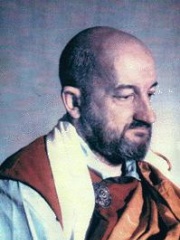
Lobsang Rampa
WRITER
1910 - 1981
HPI: 66.23
排名: 44
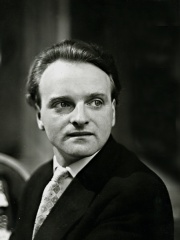
Karl Richter
COMPOSER
1926 - 1981
HPI: 65.56
排名: 45
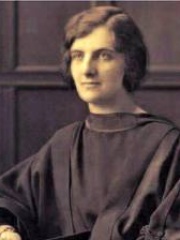
Frances Yates
HISTORIAN
1899 - 1981
HPI: 65.54
排名: 46
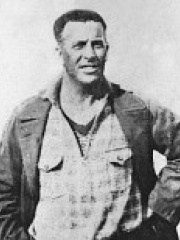
Alberto Suppici
SOCCER PLAYER
1898 - 1981
HPI: 65.16
排名: 47
在新加坡
在出生于新加坡的人中,Benjamin Sheares排名第5位(共NaN人)。 排在他之前的有:Lee Kuan Yew (1923), S. R. Nathan (1924), Tony Tan (1940), 和Halimah Yacob (1954). 排在他之后的有:Lee Hsien Loong (1952), Parameswara (1344), Goh Chok Tong (1941), Tharman Shanmugaratnam (1957), David Marshall (1908), Julia Nickson (1958), 和Vanessa-Mae (1978).
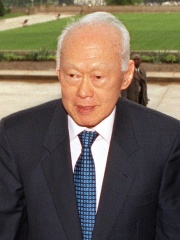
Lee Kuan Yew
POLITICIAN
1923 - 2015
HPI: 83.27
排名: 1
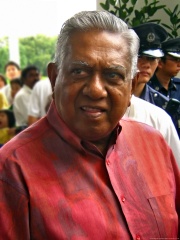
S. R. Nathan
POLITICIAN
1924 - 2016
HPI: 72.59
排名: 2
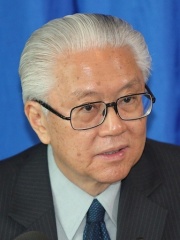
Tony Tan
POLITICIAN
1940 - 至今
HPI: 72.37
排名: 3

Halimah Yacob
POLITICIAN
1954 - 至今
HPI: 68.11
排名: 4
Benjamin Sheares
POLITICIAN
1907 - 1981
HPI: 67.29
排名: 5
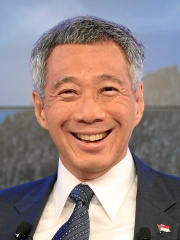
Lee Hsien Loong
POLITICIAN
1952 - 至今
HPI: 67.14
排名: 6
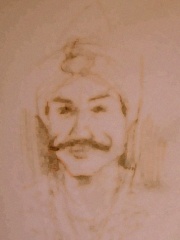
Parameswara
POLITICIAN
1344 - 1414
HPI: 65.39
排名: 7
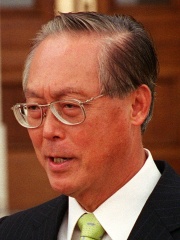
Goh Chok Tong
POLITICIAN
1941 - 至今
HPI: 65.03
排名: 8

Tharman Shanmugaratnam
POLITICIAN
1957 - 至今
HPI: 63.04
排名: 9
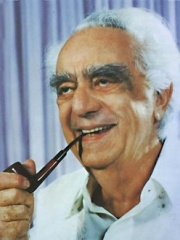
David Marshall
POLITICIAN
1908 - 1995
HPI: 61.69
排名: 10

Julia Nickson
ACTOR
1958 - 至今
HPI: 61.33
排名: 11

Vanessa-Mae
MUSICIAN
1978 - 至今
HPI: 60.03
排名: 12
在新加坡的政治家中
在出生于新加坡的政治家中,Benjamin Sheares排名第5位。 排在他之前的有:Lee Kuan Yew (1923), S. R. Nathan (1924), Tony Tan (1940), 和Halimah Yacob (1954). 排在他之后的有:Lee Hsien Loong (1952), Parameswara (1344), Goh Chok Tong (1941), Tharman Shanmugaratnam (1957), David Marshall (1908), Wee Kim Wee (1915), 和Abu Bakar of Johor (1833).
Lee Kuan Yew
1923 - 2015
HPI: 83.27
排名: 1
S. R. Nathan
1924 - 2016
HPI: 72.59
排名: 2
Tony Tan
1940 - 至今
HPI: 72.37
排名: 3
Halimah Yacob
1954 - 至今
HPI: 68.11
排名: 4
Benjamin Sheares
1907 - 1981
HPI: 67.29
排名: 5
Lee Hsien Loong
1952 - 至今
HPI: 67.14
排名: 6
Parameswara
1344 - 1414
HPI: 65.39
排名: 7
Goh Chok Tong
1941 - 至今
HPI: 65.03
排名: 8
Tharman Shanmugaratnam
1957 - 至今
HPI: 63.04
排名: 9
David Marshall
1908 - 1995
HPI: 61.69
排名: 10
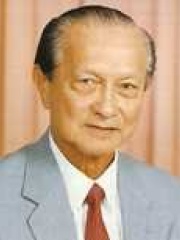
Wee Kim Wee
1915 - 2005
HPI: 59.79
排名: 11
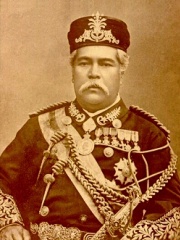
Abu Bakar of Johor
1833 - 1895
HPI: 58.60
排名: 12




