Политик
Francesco Rutelli
1954 - настоящее время
ПРОСМОТРЫ RU.WIKIPEDIA (PV)
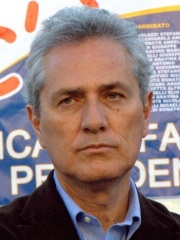
 Francesco Rutelli
Его биография доступна на 21 различных языках в Википедии. Francesco Rutelli занимает 16076-е место среди самых популярных политик (рост с 16186-е места в 2024 году), занимает 3985-е место среди самых популярных биографий из Италии (рост с 4021-е места в 2019 году) и занимает 881-е место среди политик Италия.
Метрики памятности
97k
Просмотры страниц
За последние 12 месяцев
54.07
HPI
Индекс исторической популярности
Интересные факты
21
Биография Francesco Rutelli представлена в 21 языковых разделах Википедии, а Индекс исторической популярности составляет 54.07.
Просмотры страницы Francesco Rutelli по языкам
Среди представителей профессии «Политик»
Среди представителей профессии «Политик» Francesco Rutelli занимает 16,069-е место из 20,022. Перед ним идут Belisario Porras Barahona, Einar Arnórsson, Dimitrij Rupel, Noël Milarew Odingar, Joe Torre, и Yacouba Isaac Zida. После него идут Denis Bećirović, Julia Klöckner, Karin Söder, Alphonso Taft, Michael Glos, и Francisco Ruiz-Tagle.
Самые популярные в Википедии: Политик
Все рейтинги
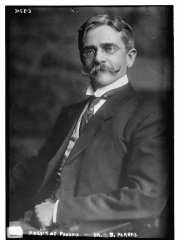
Belisario Porras Barahona
1856 - 1942
HPI: 54.08
Место: 16,070
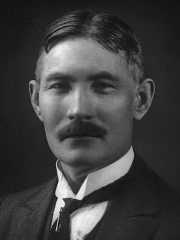
Einar Arnórsson
1880 - 1955
HPI: 54.08
Место: 16,071
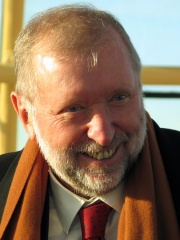
Dimitrij Rupel
1946 - наст. время
HPI: 54.08
Место: 16,072

Noël Milarew Odingar
1932 - 2007
HPI: 54.07
Место: 16,073

Joe Torre
1940 - наст. время
HPI: 54.07
Место: 16,074
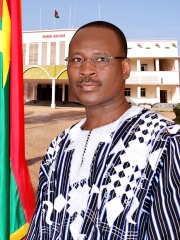
Yacouba Isaac Zida
1965 - наст. время
HPI: 54.07
Место: 16,075
Francesco Rutelli
1954 - наст. время
HPI: 54.07
Место: 16,076
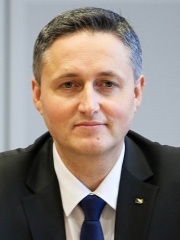
Denis Bećirović
1975 - наст. время
HPI: 54.07
Место: 16,077
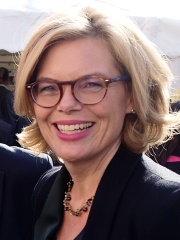
Julia Klöckner
1972 - наст. время
HPI: 54.07
Место: 16,078

Karin Söder
1928 - 2015
HPI: 54.06
Место: 16,079
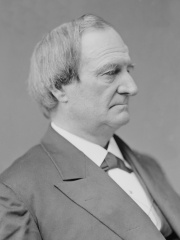
Alphonso Taft
1810 - 1891
HPI: 54.06
Место: 16,080
Michael Glos
1944 - наст. время
HPI: 54.05
Место: 16,081
Francisco Ruiz-Tagle
1790 - 1860
HPI: 54.05
Место: 16,082

Современники
Среди людей, родившихся в 1954 году, Francesco Rutelli занимает 437-е место. Перед ним идут Wolfgang Schmidt, Takao Doi, Idrissa Ouédraogo, Guy Gavriel Kay, Pichi Alonso, и Uli Stein. После него идут Josefa Francisco, Corbin Bernsen, Serra Yılmaz, Antonio Resines, Robert Van de Walle, и Bruno Manser.
Другие люди, родившиеся в 1954 году
Все рейтинги
Wolfgang Schmidt
ATHLETE
1954 - наст. время
HPI: 54.13
Место: 431
Takao Doi
ASTRONAUT
1954 - наст. время
HPI: 54.13
Место: 432
Idrissa Ouédraogo
FILM DIRECTOR
1954 - 2018
HPI: 54.12
Место: 433
Guy Gavriel Kay
WRITER
1954 - наст. время
HPI: 54.11
Место: 434

Pichi Alonso
SOCCER PLAYER
1954 - наст. время
HPI: 54.11
Место: 435
Uli Stein
SOCCER PLAYER
1954 - наст. время
HPI: 54.08
Место: 436
Francesco Rutelli
POLITICIAN
1954 - наст. время
HPI: 54.07
Место: 437

Josefa Francisco
SOCIAL ACTIVIST
1954 - 2015
HPI: 54.05
Место: 438
Corbin Bernsen
ACTOR
1954 - наст. время
HPI: 54.05
Место: 439
Serra Yılmaz
ACTOR
1954 - наст. время
HPI: 54.03
Место: 440
Antonio Resines
ACTOR
1954 - наст. время
HPI: 54.03
Место: 441
Robert Van de Walle
WRESTLER
1954 - наст. время
HPI: 54.02
Место: 442
Bruno Manser
SOCIAL ACTIVIST
1954 - 2005
HPI: 54.00
Место: 443
В стране Италия
Среди людей, родившихся в стране Италия, Francesco Rutelli занимает 3,985-е место из 5,905. Перед ним идут Guido Crosetto (1963), Paolo Cannavaro (1981), Andrew Viterbi (1935), Salvatore Morale (1938), Salvatore Sirigu (1987), и Simona Brambilla (1965). После него идут Morgan De Sanctis (1977), Sergio Gori (1946), Mauro Maur (1958), Paride Tumburus (1939), Silvia Dionisio (1951), и Agostino Di Bartolomei (1955).
Другие люди, родившиеся в стране Италия
Все рейтинги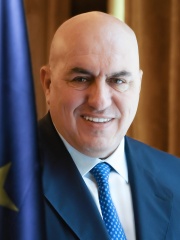
Guido Crosetto
POLITICIAN
1963 - наст. время
HPI: 54.11
Место: 3,979
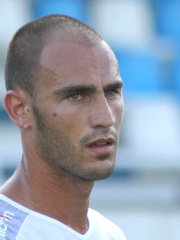
Paolo Cannavaro
SOCCER PLAYER
1981 - наст. время
HPI: 54.10
Место: 3,980
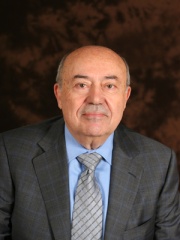
Andrew Viterbi
INVENTOR
1935 - наст. время
HPI: 54.10
Место: 3,981
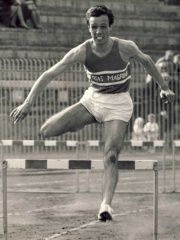
Salvatore Morale
ATHLETE
1938 - наст. время
HPI: 54.07
Место: 3,982
Salvatore Sirigu
SOCCER PLAYER
1987 - наст. время
HPI: 54.07
Место: 3,983
Simona Brambilla
RELIGIOUS FIGURE
1965 - наст. время
HPI: 54.07
Место: 3,984
Francesco Rutelli
POLITICIAN
1954 - наст. время
HPI: 54.07
Место: 3,985

Morgan De Sanctis
SOCCER PLAYER
1977 - наст. время
HPI: 54.07
Место: 3,986
Sergio Gori
SOCCER PLAYER
1946 - 2023
HPI: 54.07
Место: 3,987
Mauro Maur
MUSICIAN
1958 - наст. время
HPI: 54.07
Место: 3,988

Paride Tumburus
SOCCER PLAYER
1939 - 2015
HPI: 54.06
Место: 3,989
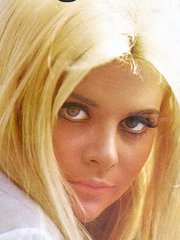
Silvia Dionisio
ACTOR
1951 - наст. время
HPI: 54.06
Место: 3,990
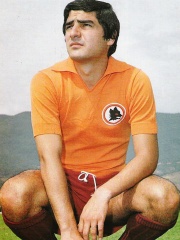
Agostino Di Bartolomei
SOCCER PLAYER
1955 - 1994
HPI: 54.05
Место: 3,991
Среди представителей профессии «Политик» в стране Италия
Среди представителей профессии «Политик», родившихся в стране Италия, Francesco Rutelli занимает 881-е место. Перед ним идут Antonio Martino (1942), Eugenio Scalfari (1924), Cesare Merzagora (1898), Manuela Di Centa (1963), Franco Frattini (1957), и Guido Crosetto (1963). После него идут Gianuario Carta (1931), Quintino Sella (1827), Giulio Terzi di Sant'Agata (1946), Pietro Ingrao (1915), Lucius Valerius Flaccus (-300), и Roberto Gualtieri (1966).
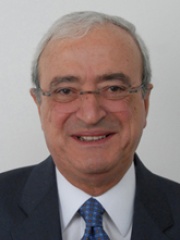
Antonio Martino
1942 - 2022
HPI: 54.41
Место: 875
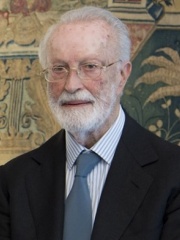
Eugenio Scalfari
1924 - 2022
HPI: 54.41
Место: 876
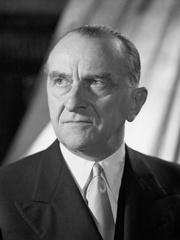
Cesare Merzagora
1898 - 1991
HPI: 54.38
Место: 877
Manuela Di Centa
1963 - наст. время
HPI: 54.27
Место: 878
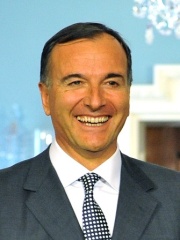
Franco Frattini
1957 - 2022
HPI: 54.21
Место: 879
Guido Crosetto
1963 - наст. время
HPI: 54.11
Место: 880
Francesco Rutelli
1954 - наст. время
HPI: 54.07
Место: 881
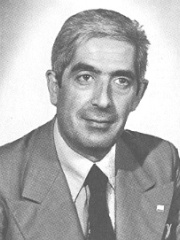
Gianuario Carta
1931 - 2017
HPI: 53.97
Место: 882
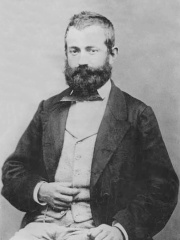
Quintino Sella
1827 - 1884
HPI: 53.96
Место: 883
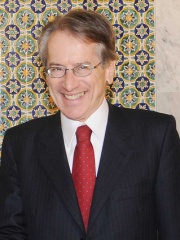
Giulio Terzi di Sant'Agata
1946 - наст. время
HPI: 53.91
Место: 884
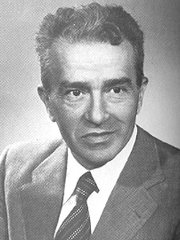
Pietro Ingrao
1915 - 2015
HPI: 53.87
Место: 885

Lucius Valerius Flaccus
300 BC - 300 BC
HPI: 53.85
Место: 886
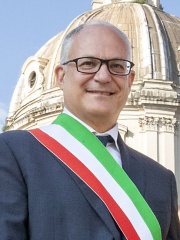
Roberto Gualtieri
1966 - наст. время
HPI: 53.84
Место: 887




