Político
Octar
350 - 430
VISUALIZAÇÕES EM PT.WIKIPEDIA (PV)

 Octar
Octar
Sua biografia está disponível em 18 idiomas na Wikipédia (aumento em relação a 17 em 2024). Octar é o 8290º político mais popular (caiu do 7863º em 2024), a 560ª biografia mais popular da China (subiu do 575ª em 2019) e o 311º político mais popular da China.
Métricas de memorabilidade
23k
Visualizações
Últimos 12 meses
62.89
HPI
Índice de Popularidade Histórica
Visualizações da página de Octar por idioma
Entre Político
Entre Político, Octar ocupa a posição 8,286 de 19,576. Antes dele vêm William Lyon Mackenzie King, Malik Ghulam Muhammad, Eugene Maurice, Count of Soissons, Thoros of Edessa, Jaswant Singh, e Prince Robert, Duke of Chartres. Depois dele vêm Laurentino Cortizo, Louis V, Landgrave of Hesse-Darmstadt, Hantili I, Dirk V, Count of Holland, Vasile Milea, e Neidhart von Reuental.
Político mais populares na Wikipédia
Ver todas as classificações
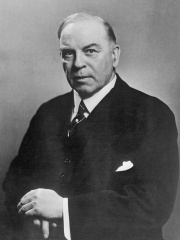
William Lyon Mackenzie King
1874 - 1950
HPI: 62.90
Posição: 8,284
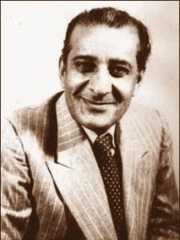
Malik Ghulam Muhammad
1895 - 1956
HPI: 62.90
Posição: 8,285

Eugene Maurice, Count of Soissons
1635 - 1673
HPI: 62.90
Posição: 8,286

Thoros of Edessa
1100 - 1098
HPI: 62.89
Posição: 8,287
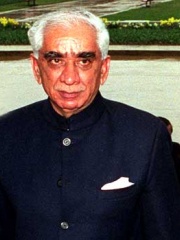
Jaswant Singh
1938 - 2020
HPI: 62.89
Posição: 8,288
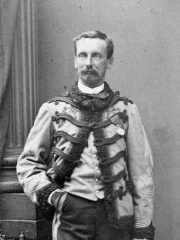
Prince Robert, Duke of Chartres
1840 - 1910
HPI: 62.89
Posição: 8,289
Octar
350 - 430
HPI: 62.89
Posição: 8,290

Laurentino Cortizo
1953 - presente
HPI: 62.89
Posição: 8,291
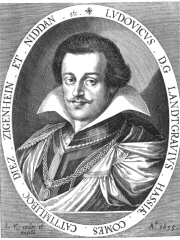
Louis V, Landgrave of Hesse-Darmstadt
1577 - 1626
HPI: 62.89
Posição: 8,292
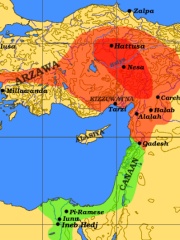
Hantili I
1550 BC - 1560 BC
HPI: 62.89
Posição: 8,293

Dirk V, Count of Holland
1053 - 1091
HPI: 62.89
Posição: 8,294
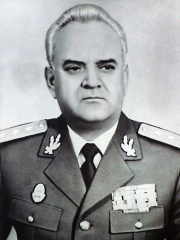
Vasile Milea
1927 - 1989
HPI: 62.89
Posição: 8,295
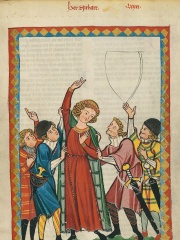
Neidhart von Reuental
1180 - 1247
HPI: 62.89
Posição: 8,296

Contemporâneos
Entre as pessoas nascidas em 350, Octar ocupa a posição 10. Antes dele vêm Ardashir II, Dalmatius, Thaïs, Theodore of Mopsuestia, Hermeric, e Shemon Bar Sabbae. Depois dele vêm Pope Timothy I of Alexandria, Sosurim of Goguryeo, Thiruvalluvar, John I of Antioch, Richomeres, e Naemul of Silla. Entre as pessoas falecidas em 430, Octar ocupa a posição 3. Antes dele vêm Augustine of Hippo, e Macrobius. Depois dele vêm Saint Aurelius, Honoratus, e Nilus of Sinai.
Outras pessoas nascidas em 350
Ver todas as classificações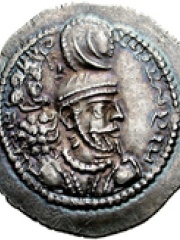
Ardashir II
POLITICIAN
350 - 383
HPI: 67.81
Posição: 4
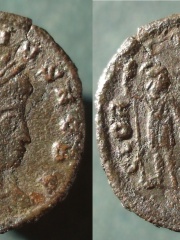
Dalmatius
POLITICIAN
350 - 337
HPI: 66.71
Posição: 5

Thaïs
RELIGIOUS FIGURE
350 - 400
HPI: 66.44
Posição: 6

Theodore of Mopsuestia
RELIGIOUS FIGURE
350 - 428
HPI: 65.64
Posição: 7

Hermeric
POLITICIAN
350 - 441
HPI: 65.49
Posição: 8
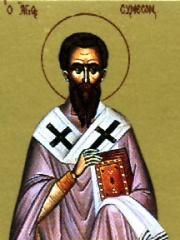
Shemon Bar Sabbae
RELIGIOUS FIGURE
350 - 344
HPI: 65.48
Posição: 9
Octar
POLITICIAN
350 - 430
HPI: 62.89
Posição: 10

Pope Timothy I of Alexandria
RELIGIOUS FIGURE
350 - 384
HPI: 62.88
Posição: 11
Sosurim of Goguryeo
POLITICIAN
350 - 384
HPI: 62.73
Posição: 12
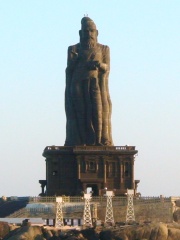
Thiruvalluvar
PHILOSOPHER
350 - 351
HPI: 62.34
Posição: 13

John I of Antioch
RELIGIOUS FIGURE
350 - 500
HPI: 62.09
Posição: 14

Richomeres
POLITICIAN
350 - 393
HPI: 62.03
Posição: 15
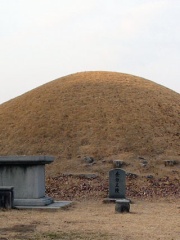
Naemul of Silla
POLITICIAN
350 - 402
HPI: 61.99
Posição: 16
Outras pessoas falecidas em 430
Ver todas as classificações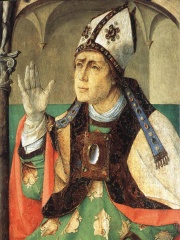
Augustine of Hippo
PHILOSOPHER
354 - 430
HPI: 90.39
Posição: 1
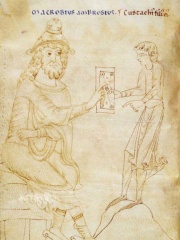
Macrobius
PHILOSOPHER
370 - 430
HPI: 68.81
Posição: 2
Octar
POLITICIAN
350 - 430
HPI: 62.89
Posição: 3

Saint Aurelius
RELIGIOUS FIGURE
301 - 430
HPI: 62.85
Posição: 4
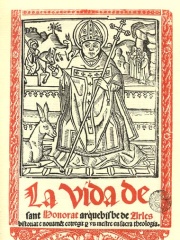
Honoratus
RELIGIOUS FIGURE
365 - 430
HPI: 62.46
Posição: 5
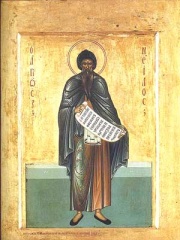
Nilus of Sinai
RELIGIOUS FIGURE
400 - 430
HPI: 59.20
Posição: 6
Em China
Entre as pessoas nascidas em China, Octar ocupa a posição 560 de NaN. Antes dele vêm Deng Yingchao (1904), Ouyang Xun (557), Cheng Pei-pei (1946), Zheng Zhilong (1604), Go Seigen (1914), e Bian Que (-401). Depois dele vêm Li Zhi (1527), Zhou Yongkang (1942), Guan Hanqing (1210), Ma Bufang (1903), Wang Fuzhi (1619), e Fan Zhongyan (989).
Outras pessoas nascidas em China
Ver todas as classificações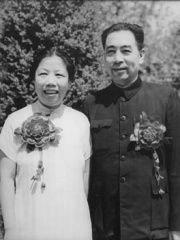
Deng Yingchao
POLITICIAN
1904 - 1992
HPI: 62.97
Posição: 554
Ouyang Xun
POLITICIAN
557 - 641
HPI: 62.96
Posição: 555

Cheng Pei-pei
ACTOR
1946 - 2024
HPI: 62.96
Posição: 556
Zheng Zhilong
POLITICIAN
1604 - 1661
HPI: 62.94
Posição: 557

Go Seigen
GO PLAYER
1914 - 2014
HPI: 62.94
Posição: 558
Bian Que
PHYSICIAN
401 BC - 310 BC
HPI: 62.93
Posição: 559
Octar
POLITICIAN
350 - 430
HPI: 62.89
Posição: 560
Li Zhi
PHILOSOPHER
1527 - 1602
HPI: 62.89
Posição: 561
Zhou Yongkang
POLITICIAN
1942 - presente
HPI: 62.87
Posição: 562
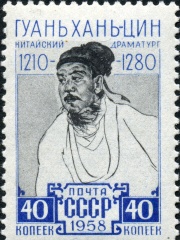
Guan Hanqing
WRITER
1210 - 1280
HPI: 62.86
Posição: 563
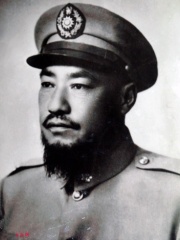
Ma Bufang
POLITICIAN
1903 - 1975
HPI: 62.86
Posição: 564
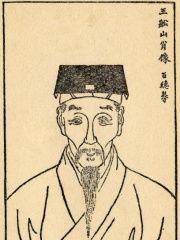
Wang Fuzhi
PHILOSOPHER
1619 - 1692
HPI: 62.86
Posição: 565
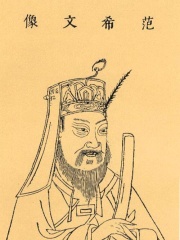
Fan Zhongyan
WRITER
989 - 1052
HPI: 62.85
Posição: 566
Entre Político em China
Entre Político nascidos em China, Octar ocupa a posição 311. Antes dele vêm Emperor Shizong of Jin (1123), Zhong Yao (151), Fang Xuanling (578), Deng Yingchao (1904), Ouyang Xun (557), e Zheng Zhilong (1604). Depois dele vêm Zhou Yongkang (1942), Ma Bufang (1903), Prince Gong (1833), Chen Yi (1901), Xu Shichang (1855), e Zhang Xun (1854).

Emperor Shizong of Jin
1123 - 1189
HPI: 63.13
Posição: 305
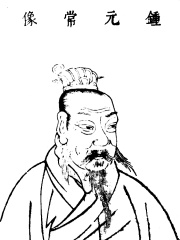
Zhong Yao
151 - presente
HPI: 63.09
Posição: 306
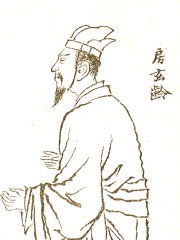
Fang Xuanling
578 - 648
HPI: 63.03
Posição: 307
Deng Yingchao
1904 - 1992
HPI: 62.97
Posição: 308
Ouyang Xun
557 - 641
HPI: 62.96
Posição: 309
Zheng Zhilong
1604 - 1661
HPI: 62.94
Posição: 310
Octar
350 - 430
HPI: 62.89
Posição: 311
Zhou Yongkang
1942 - presente
HPI: 62.87
Posição: 312
Ma Bufang
1903 - 1975
HPI: 62.86
Posição: 313
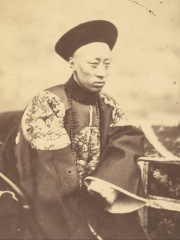
Prince Gong
1833 - 1898
HPI: 62.84
Posição: 314
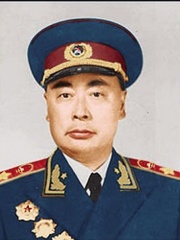
Chen Yi
1901 - 1972
HPI: 62.83
Posição: 315
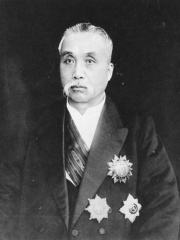
Xu Shichang
1855 - 1939
HPI: 62.82
Posição: 316
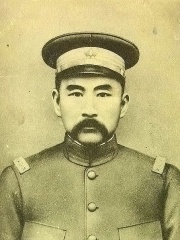
Zhang Xun
1854 - 1923
HPI: 62.77
Posição: 317




