Figura religiosa
Giovanni Lajolo
1935 - presente
VISUALIZAÇÕES EM PT.WIKIPEDIA (PV)
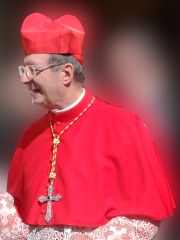
 Giovanni Lajolo
Sua biografia está disponível em 28 idiomas na Wikipédia (aumento em relação a 24 em 2024). Giovanni Lajolo é o 1162º figura religiosa mais popular (subiu do 1689º em 2024), a 1571ª biografia mais popular da Itália (subiu do 2461ª em 2019) e o 344º figura religiosa mais popular da Itália.
Métricas de memorabilidade
17k
Visualizações
Últimos 12 meses
65.56
HPI
Índice de Popularidade Histórica
Destaques dos dados
+12k
Giovanni Lajolo subiu 12,223 posições no ranking global de HPI do Pantheon, da posição nº 29,988 para a nº 17,779.
Visualizações da página de Giovanni Lajolo por idioma
Entre Figura religiosa
Entre Figura religiosa, Giovanni Lajolo ocupa a posição 1,162 de 3,189. Antes dele vêm Theodore of Mopsuestia, George Müller, Pat Garrett, Jean-Pierre Kutwa, Nicholas of Tolentino, e Theophylact of Constantinople. Depois dele vêm Julian Cesarini, Yves Congar, Arsenius the Great, Jakob Ammann, Sai Baba of Shirdi, e Jeanne Guyon.
Figura religiosa mais populares na Wikipédia
Ver todas as classificações

Theodore of Mopsuestia
350 - 428
HPI: 65.64
Posição: 1,156
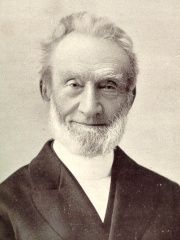
George Müller
1805 - 1898
HPI: 65.62
Posição: 1,157
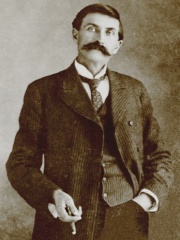
Pat Garrett
1850 - 1908
HPI: 65.62
Posição: 1,158
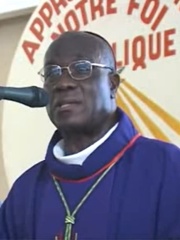
Jean-Pierre Kutwa
1945 - presente
HPI: 65.58
Posição: 1,159
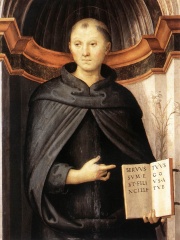
Nicholas of Tolentino
1245 - 1305
HPI: 65.58
Posição: 1,160

Theophylact of Constantinople
917 - 956
HPI: 65.57
Posição: 1,161
Giovanni Lajolo
1935 - presente
HPI: 65.56
Posição: 1,162
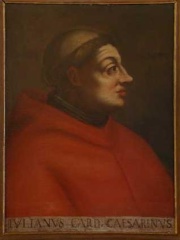
Julian Cesarini
1398 - 1444
HPI: 65.56
Posição: 1,163
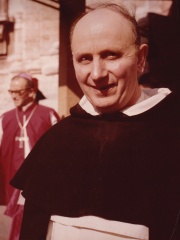
Yves Congar
1904 - 1995
HPI: 65.56
Posição: 1,164
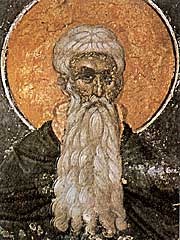
Arsenius the Great
354 - 449
HPI: 65.55
Posição: 1,165

Jakob Ammann
1644 - 1730
HPI: 65.51
Posição: 1,166
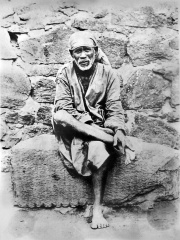
Sai Baba of Shirdi
1835 - 1918
HPI: 65.49
Posição: 1,167
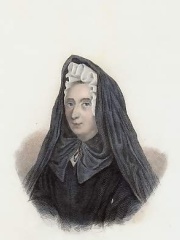
Jeanne Guyon
1648 - 1717
HPI: 65.49
Posição: 1,168

Contemporâneos
Entre as pessoas nascidas em 1935, Giovanni Lajolo ocupa a posição 78. Antes dele vêm Mohammad Hussein Fadlallah, Friðrik Ólafsson, Pepe, Lajos Tichy, Bent Larsen, e Lee Remick. Depois dele vêm António Ramalho Eanes, Toni Sailer, Sonny Bono, Roger B. Chaffee, Maj Sjöwall, e Ken Kesey.
Outras pessoas nascidas em 1935
Ver todas as classificações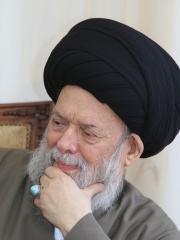
Mohammad Hussein Fadlallah
RELIGIOUS FIGURE
1935 - 2010
HPI: 65.96
Posição: 72
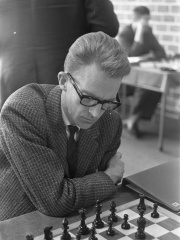
Friðrik Ólafsson
CHESS PLAYER
1935 - 2025
HPI: 65.92
Posição: 73
Pepe
SOCCER PLAYER
1935 - presente
HPI: 65.83
Posição: 74
Lajos Tichy
SOCCER PLAYER
1935 - 1999
HPI: 65.83
Posição: 75
Bent Larsen
CHESS PLAYER
1935 - 2010
HPI: 65.77
Posição: 76

Lee Remick
ACTOR
1935 - 1991
HPI: 65.57
Posição: 77
Giovanni Lajolo
RELIGIOUS FIGURE
1935 - presente
HPI: 65.56
Posição: 78
António Ramalho Eanes
POLITICIAN
1935 - presente
HPI: 65.56
Posição: 79
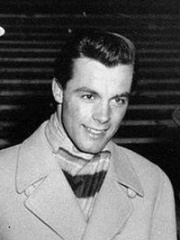
Toni Sailer
SKIER
1935 - 2009
HPI: 65.55
Posição: 80
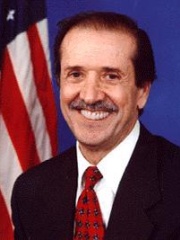
Sonny Bono
SINGER
1935 - 1998
HPI: 65.53
Posição: 81
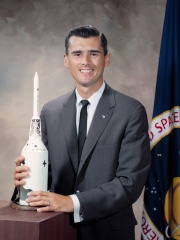
Roger B. Chaffee
ASTRONAUT
1935 - 1967
HPI: 65.48
Posição: 82
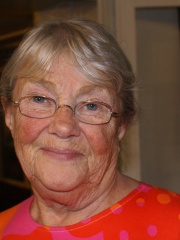
Maj Sjöwall
WRITER
1935 - 2020
HPI: 65.32
Posição: 83
Ken Kesey
WRITER
1935 - 2001
HPI: 65.21
Posição: 84
Em Itália
Entre as pessoas nascidas em Itália, Giovanni Lajolo ocupa a posição 1,571 de 5,905. Antes dele vêm Myia (-600), Nicholas of Tolentino (1245), Giovanni Legrenzi (1626), Francesco Maria Piave (1810), Cecilia Gallerani (1473), e Amy Adams (1974). Depois dele vêm Julian Cesarini (1398), Arsenius the Great (354), Pier Luigi Nervi (1891), Gian Maria Visconti (1388), Licio Gelli (1919), e Mondino de Luzzi (1275).
Outras pessoas nascidas em Itália
Ver todas as classificações
Myia
PHILOSOPHER
600 BC - 560 BC
HPI: 65.59
Posição: 1,565
Nicholas of Tolentino
RELIGIOUS FIGURE
1245 - 1305
HPI: 65.58
Posição: 1,566
Giovanni Legrenzi
COMPOSER
1626 - 1690
HPI: 65.58
Posição: 1,567
Francesco Maria Piave
WRITER
1810 - 1876
HPI: 65.57
Posição: 1,568
Cecilia Gallerani
CELEBRITY
1473 - 1536
HPI: 65.57
Posição: 1,569

Amy Adams
ACTOR
1974 - presente
HPI: 65.56
Posição: 1,570
Giovanni Lajolo
RELIGIOUS FIGURE
1935 - presente
HPI: 65.56
Posição: 1,571
Julian Cesarini
RELIGIOUS FIGURE
1398 - 1444
HPI: 65.56
Posição: 1,572
Arsenius the Great
RELIGIOUS FIGURE
354 - 449
HPI: 65.55
Posição: 1,573
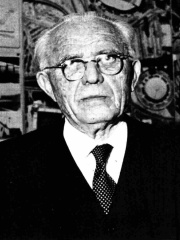
Pier Luigi Nervi
ARCHITECT
1891 - 1979
HPI: 65.55
Posição: 1,574
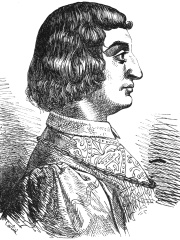
Gian Maria Visconti
POLITICIAN
1388 - 1412
HPI: 65.54
Posição: 1,575
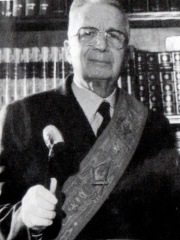
Licio Gelli
POLITICIAN
1919 - 2015
HPI: 65.54
Posição: 1,576
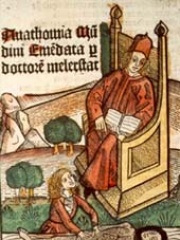
Mondino de Luzzi
PHYSICIAN
1275 - 1326
HPI: 65.53
Posição: 1,577
Entre Figura religiosa em Itália
Entre Figura religiosa nascidos em Itália, Giovanni Lajolo ocupa a posição 344. Antes dele vêm Pierbattista Pizzaballa (1965), Henry Benedict Stuart (1725), Felix of Cantalice (1515), Catherine of Ricci (1522), Antipope Honorius II (1010), e Nicholas of Tolentino (1245). Depois dele vêm Julian Cesarini (1398), Arsenius the Great (354), Rose of Viterbo (1233), Maria Domenica Mazzarello (1837), Raffaele Riario (1461), e Angelo Comastri (1943).
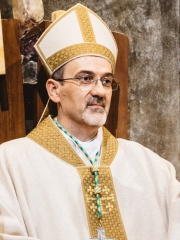
Pierbattista Pizzaballa
1965 - presente
HPI: 65.85
Posição: 338
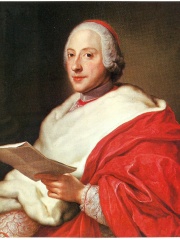
Henry Benedict Stuart
1725 - 1807
HPI: 65.79
Posição: 339
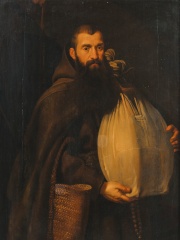
Felix of Cantalice
1515 - 1587
HPI: 65.76
Posição: 340
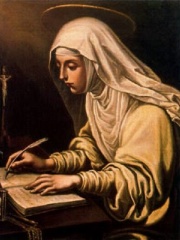
Catherine of Ricci
1522 - 1590
HPI: 65.68
Posição: 341

Antipope Honorius II
1010 - 1072
HPI: 65.67
Posição: 342
Nicholas of Tolentino
1245 - 1305
HPI: 65.58
Posição: 343
Giovanni Lajolo
1935 - presente
HPI: 65.56
Posição: 344
Julian Cesarini
1398 - 1444
HPI: 65.56
Posição: 345
Arsenius the Great
354 - 449
HPI: 65.55
Posição: 346

Rose of Viterbo
1233 - 1252
HPI: 65.45
Posição: 347
Maria Domenica Mazzarello
1837 - 1881
HPI: 65.40
Posição: 348
Raffaele Riario
1461 - 1521
HPI: 65.29
Posição: 349
Angelo Comastri
1943 - presente
HPI: 65.20
Posição: 350




