Nobre
Basilina
300 - 332
VISUALIZAÇÕES EM PT.WIKIPEDIA (PV)

 Basilina
Sua biografia está disponível em 16 idiomas na Wikipédia. Basilina é a 1080ª nobre mais popular (caiu do 890ª em 2024), a 964ª biografia mais popular da Turquia (caiu do 877ª em 2019) e a 13ª nobre mais popular da Turquia.
Métricas de memorabilidade
7.5k
Visualizações
Últimos 12 meses
59.07
HPI
Índice de Popularidade Histórica
Visualizações da página de Basilina por idioma
Entre Nobre
Entre Nobre, Basilina ocupa a posição 1,080 de 1,415. Antes dela vêm Elimar II, Count of Oldenburg, Theobald I, Duke of Lorraine, Goi of Baekje, Duchess Sabine of Württemberg, Duchess Marie of Württemberg, e Zeid bin Hussein. Depois dela vêm Eutropia, Anselm, Duke of Friuli, Princess Vera Constantinovna of Russia, Rabia Sultan, Louis I, Count of Montpensier, e Louis Frederick, Duke of Württemberg-Montbéliard.
Nobre mais populares na Wikipédia
Ver todas as classificações

Elimar II, Count of Oldenburg
1000 - 1142
HPI: 59.13
Posição: 1,074

Theobald I, Duke of Lorraine
1191 - 1220
HPI: 59.11
Posição: 1,075

Goi of Baekje
HPI: 59.11
Posição: 1,076

Duchess Sabine of Württemberg
1549 - 1581
HPI: 59.10
Posição: 1,077
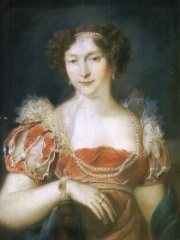
Duchess Marie of Württemberg
1799 - 1860
HPI: 59.10
Posição: 1,078
Zeid bin Hussein
1898 - 1970
HPI: 59.07
Posição: 1,079
Basilina
300 - 332
HPI: 59.07
Posição: 1,080

Eutropia
HPI: 59.05
Posição: 1,081

Anselm, Duke of Friuli
720 - 803
HPI: 59.04
Posição: 1,082
Princess Vera Constantinovna of Russia
1906 - 2001
HPI: 59.03
Posição: 1,083
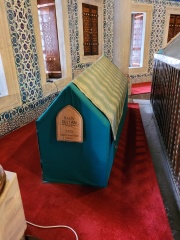
Rabia Sultan
HPI: 59.03
Posição: 1,084

Louis I, Count of Montpensier
1406 - 1486
HPI: 59.03
Posição: 1,085

Louis Frederick, Duke of Württemberg-Montbéliard
1586 - 1631
HPI: 59.03
Posição: 1,086

Contemporâneos
Entre as pessoas nascidas em 300, Basilina ocupa a posição 71. Antes dela vêm Nagasena, Hypatius of Gangra, Maternus of Cologne, Proculus, Jacob of Nisibis, e Pope Theonas of Alexandria. Depois dela vêm Pope Achillas of Alexandria, Nonius Marcellus, Aphthonius of Antioch, Metrophanes of Byzantium, Julia Cornelia Paula, e Austromoine. Entre as pessoas falecidas em 332, Basilina ocupa a posição 1.
Outras pessoas nascidas em 300
Ver todas as classificações
Nagasena
RELIGIOUS FIGURE
300 - presente
HPI: 59.95
Posição: 65

Hypatius of Gangra
RELIGIOUS FIGURE
300 - 350
HPI: 59.31
Posição: 66
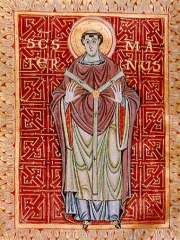
Maternus of Cologne
RELIGIOUS FIGURE
300 - 328
HPI: 59.31
Posição: 67
Proculus
POLITICIAN
300 - 281
HPI: 59.30
Posição: 68
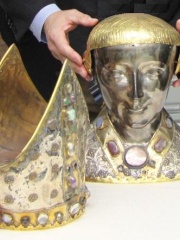
Jacob of Nisibis
RELIGIOUS FIGURE
300 - 338
HPI: 59.27
Posição: 69

Pope Theonas of Alexandria
RELIGIOUS FIGURE
300 - 300
HPI: 59.26
Posição: 70
Basilina
NOBLEMAN
300 - 332
HPI: 59.07
Posição: 71

Pope Achillas of Alexandria
RELIGIOUS FIGURE
300 - 313
HPI: 58.86
Posição: 72

Nonius Marcellus
WRITER
300 - 350
HPI: 58.83
Posição: 73

Aphthonius of Antioch
WRITER
300 - 400
HPI: 58.67
Posição: 74
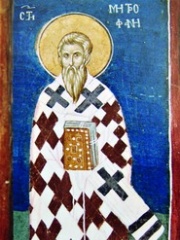
Metrophanes of Byzantium
RELIGIOUS FIGURE
300 - 326
HPI: 58.66
Posição: 75
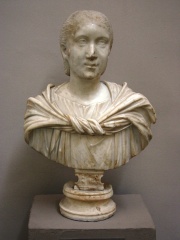
Julia Cornelia Paula
COMPANION
300 - 300
HPI: 58.45
Posição: 76

Austromoine
RELIGIOUS FIGURE
300 - 300
HPI: 57.73
Posição: 77
Outras pessoas falecidas em 332
Ver todas as classificaçõesEm Turquia
Entre as pessoas nascidas em Turquia, Basilina ocupa a posição 964 de NaN. Antes dela vêm Nilus of Sinai (400), Yervant Odian (1869), Polemon of Laodicea (200), Zeno of Tarsus (-250), Hegesias of Magnesia (-200), e Zeid bin Hussein (1898). Depois dela vêm Sophronius IV of Alexandria (1798), Selda Bağcan (1948), Charles Barbier de Meynard (1826), Nihal Atsız (1905), Nihat Erim (1912), e Musine Kokalari (1917).
Outras pessoas nascidas em Turquia
Ver todas as classificações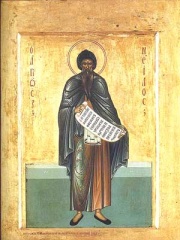
Nilus of Sinai
RELIGIOUS FIGURE
400 - 430
HPI: 59.20
Posição: 958
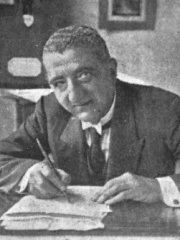
Yervant Odian
WRITER
1869 - 1926
HPI: 59.19
Posição: 959
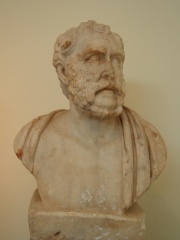
Polemon of Laodicea
POLITICIAN
200 - 200
HPI: 59.13
Posição: 960

Zeno of Tarsus
PHILOSOPHER
250 BC - 200 BC
HPI: 59.11
Posição: 961

Hegesias of Magnesia
PHILOSOPHER
200 BC - 170 BC
HPI: 59.07
Posição: 962
Zeid bin Hussein
NOBLEMAN
1898 - 1970
HPI: 59.07
Posição: 963
Basilina
NOBLEMAN
300 - 332
HPI: 59.07
Posição: 964
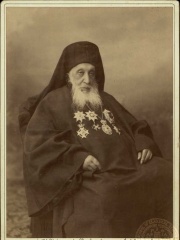
Sophronius IV of Alexandria
RELIGIOUS FIGURE
1798 - 1899
HPI: 59.05
Posição: 965

Selda Bağcan
MUSICIAN
1948 - presente
HPI: 59.04
Posição: 966
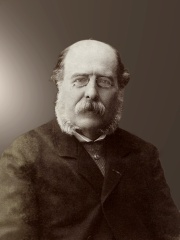
Charles Barbier de Meynard
HISTORIAN
1826 - 1908
HPI: 59.03
Posição: 967
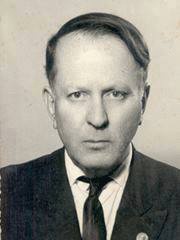
Nihal Atsız
WRITER
1905 - 1975
HPI: 59.02
Posição: 968

Nihat Erim
POLITICIAN
1912 - 1980
HPI: 59.01
Posição: 969

Musine Kokalari
WRITER
1917 - 1983
HPI: 58.98
Posição: 970
Entre Nobre em Turquia
Entre Nobre nascidos em Turquia, Basilina ocupa a posição 13. Antes dela vêm Sittişah Hatun (1435), Leontia Porphyrogenita (457), Simonida (1294), Nilufer Hanımsultan (1916), Maria of Amnia (770), e Zeid bin Hussein (1898). Depois dela vêm Anna of Trebizond, Queen of Georgia (1357), e Ayşe Sultan (1887).
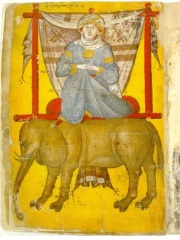
Sittişah Hatun
1435 - 1486
HPI: 62.50
Posição: 7

Leontia Porphyrogenita
457 - 500
HPI: 62.24
Posição: 8

Simonida
1294 - 1340
HPI: 62.01
Posição: 9

Nilufer Hanımsultan
1916 - 1989
HPI: 60.02
Posição: 10

Maria of Amnia
770 - 823
HPI: 59.93
Posição: 11
Zeid bin Hussein
1898 - 1970
HPI: 59.07
Posição: 12
Basilina
300 - 332
HPI: 59.07
Posição: 13

Anna of Trebizond, Queen of Georgia
1357 - presente
HPI: 57.21
Posição: 14
Ayşe Sultan
1887 - 1960
HPI: 57.16
Posição: 15




