 Simpsonville, South Carolina
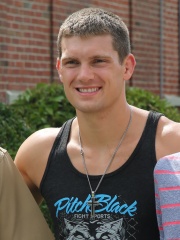
Simpsonville, South Carolina ranks 13,019th in number of biographies on Pantheon, behind Winnsboro, South Carolina, Lake City, South Carolina, and Timmonsville, South Carolina. The most famous people from Simpsonville, South Carolina are Stephen Thompson. Simpsonville, South Carolina has been the birth place of many martial arts. Simpsonville, South Carolina is located in United States.
Simpsonville is a city in Greenville County, South Carolina, United States. It is part of the Greenville, SC Metropolitan Statistical Area. The population is 23,354, according to the 2020 census, up from 18,238 in the 2010 census. The city's 2024 Annual Financial Audit estimates the population to be about 27,500. Independent data site DataCommons estimates the population of Simpsonville to be about 28,078. Simpsonville is part of the "Golden Strip", along with the cities of Mauldin and Fountain Inn, an area which is noted for having low unemployment due to a diversity of industries that include H.B. Fuller, KEMET, Sealed Air and Milliken. The unemployment rate is about 3.1 percent, according to 2023 census estimates. It is the 23rd-most populous city in South Carolina. Read more on Wikipedia
People
In 1983, Simpsonville, South Carolina was the birth place of 1 globally memorable people, including Stephen Thompson.
People Born in Simpsonville, South Carolina
Go to all Rankings

Occupations
Most individuals born in present day Simpsonville, South Carolina were martial arts (1), while most who died were .
Occupational Trends
Over the past 100 years, martial arts have been the top profession of globally memorable people born in Simpsonville, South Carolina, including Stephen Thompson. Whereas, throughout history, martial arts have been the profession with the most memorable people born in present day Simpsonville, South Carolina, including Stephen Thompson.
Places
Overlapping Lives
Below is a visual represetation of the lifespans of the top 0 globally memorable people born in Simpsonville, South Carolina since 1700.




