作曲家
Zoltán Kodály
1882 - 1967
ZH.WIKIPEDIA 页面浏览量 (PV)
 Zoltán Kodály
知名度指标
140k
页面浏览量
过去12个月
74.36
HPI
历史知名度指数
数据洞察
Zoltán Kodály的各语言页面浏览量
在作曲家中
在作曲家中,Zoltán Kodály排名第111位(共1,493人)。 排在他之前的有:Arthur Honegger, Léo Delibes, Giacomo Meyerbeer, Alma Mahler, Domenico Cimarosa, 和Mikhail Glinka. 排在他之后的有:Mily Balakirev, Muzio Clementi, Francisco Tárrega, Paul Hindemith, György Ligeti, 和Carlo Gesualdo.
维基百科上最受欢迎的作曲家
查看全部排名
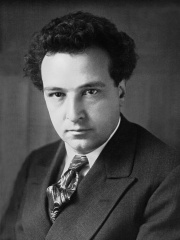
Arthur Honegger
1892 - 1955
HPI: 74.62
排名: 105
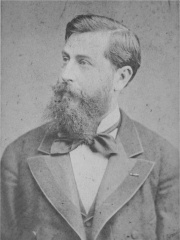
Léo Delibes
1836 - 1891
HPI: 74.61
排名: 106
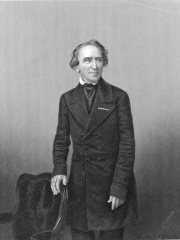
Giacomo Meyerbeer
1791 - 1864
HPI: 74.51
排名: 107
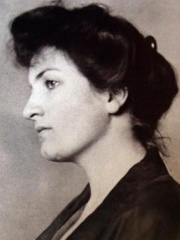
Alma Mahler
1879 - 1964
HPI: 74.46
排名: 108
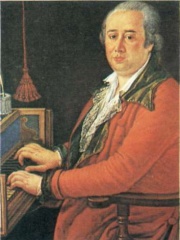
Domenico Cimarosa
1749 - 1801
HPI: 74.39
排名: 109
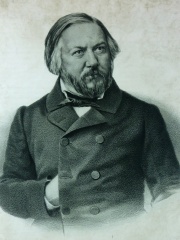
Mikhail Glinka
1804 - 1857
HPI: 74.38
排名: 110
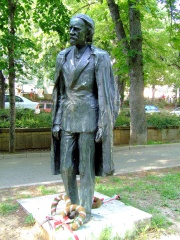
Zoltán Kodály
1882 - 1967
HPI: 74.36
排名: 111
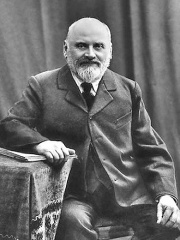
Mily Balakirev
1837 - 1910
HPI: 74.24
排名: 112
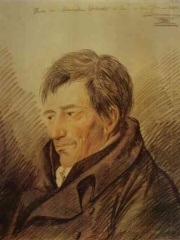
Muzio Clementi
1752 - 1832
HPI: 74.24
排名: 113
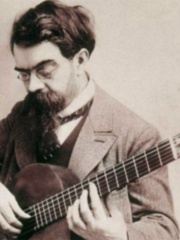
Francisco Tárrega
1852 - 1909
HPI: 74.17
排名: 114
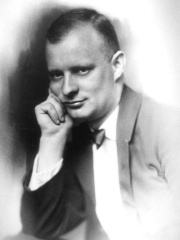
Paul Hindemith
1895 - 1963
HPI: 74.17
排名: 115
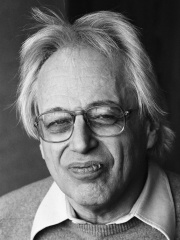
György Ligeti
1923 - 2006
HPI: 74.05
排名: 116
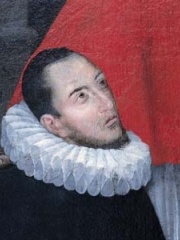
Carlo Gesualdo
1566 - 1613
HPI: 74.03
排名: 117

同时代人物
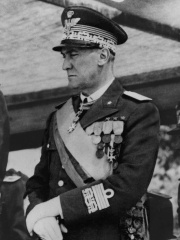
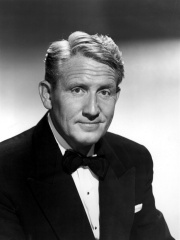
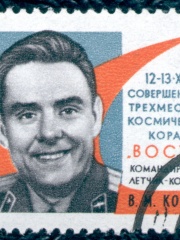
在1882年出生的人中,Zoltán Kodály排名第24位。 排在他之前的有:Mohammad Mosaddegh, Melanie Klein, Abd el-Krim, James Franck, Fiorello La Guardia, 和Edward Hopper. 排在他之后的有:Lili Elbe, Getúlio Vargas, Emmerich Kálmán, Umberto Boccioni, Princess Marie Bonaparte, 和Rodolfo Graziani. 在1967年去世的人中,Zoltán Kodály排名第15位。 排在他之前的有:Cyril Norman Hinshelwood, Ed White, Spencer Tracy, Mohammad Mosaddegh, Vladimir Komarov, 和Edward Hopper. 排在他之后的有:Mir Osman Ali Khan, Clement Attlee, Claude Rains, Ilse Koch, André Maurois, 和Jack Ruby.
其他1882年出生的人
查看全部排名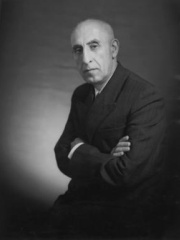
Mohammad Mosaddegh
POLITICIAN
1882 - 1967
HPI: 74.80
排名: 18
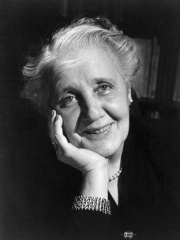
Melanie Klein
PSYCHOLOGIST
1882 - 1960
HPI: 74.73
排名: 19
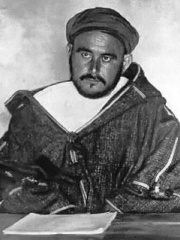
Abd el-Krim
POLITICIAN
1882 - 1963
HPI: 74.67
排名: 20
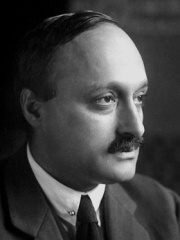
James Franck
PHYSICIST
1882 - 1964
HPI: 74.48
排名: 21
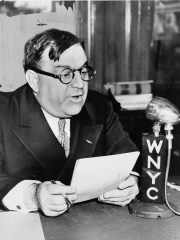
Fiorello La Guardia
POLITICIAN
1882 - 1947
HPI: 74.46
排名: 22
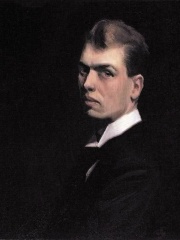
Edward Hopper
PAINTER
1882 - 1967
HPI: 74.40
排名: 23
Zoltán Kodály
COMPOSER
1882 - 1967
HPI: 74.36
排名: 24
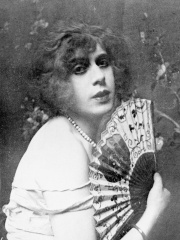
Lili Elbe
PAINTER
1882 - 1931
HPI: 74.30
排名: 25
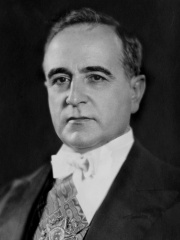
Getúlio Vargas
POLITICIAN
1882 - 1954
HPI: 74.28
排名: 26
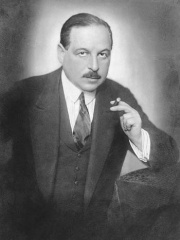
Emmerich Kálmán
COMPOSER
1882 - 1953
HPI: 73.97
排名: 27
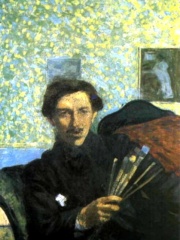
Umberto Boccioni
PAINTER
1882 - 1916
HPI: 73.13
排名: 28
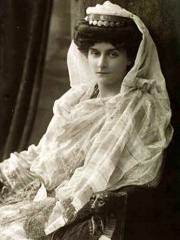
Princess Marie Bonaparte
PSYCHOLOGIST
1882 - 1962
HPI: 73.08
排名: 29
Rodolfo Graziani
POLITICIAN
1882 - 1955
HPI: 72.49
排名: 30
其他1967年去世的人
查看全部排名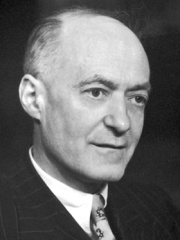
Cyril Norman Hinshelwood
CHEMIST
1897 - 1967
HPI: 76.52
排名: 9

Ed White
ASTRONAUT
1930 - 1967
HPI: 75.22
排名: 10
Spencer Tracy
ACTOR
1900 - 1967
HPI: 75.18
排名: 11
Mohammad Mosaddegh
POLITICIAN
1882 - 1967
HPI: 74.80
排名: 12
Vladimir Komarov
ASTRONAUT
1927 - 1967
HPI: 74.67
排名: 13
Edward Hopper
PAINTER
1882 - 1967
HPI: 74.40
排名: 14
Zoltán Kodály
COMPOSER
1882 - 1967
HPI: 74.36
排名: 15
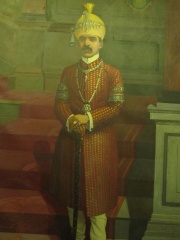
Mir Osman Ali Khan
POLITICIAN
1886 - 1967
HPI: 74.11
排名: 16
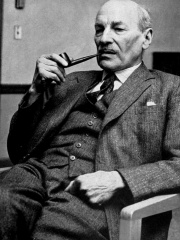
Clement Attlee
POLITICIAN
1883 - 1967
HPI: 74.05
排名: 17
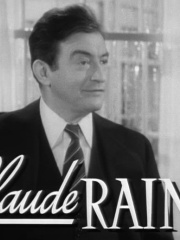
Claude Rains
ACTOR
1889 - 1967
HPI: 73.72
排名: 18
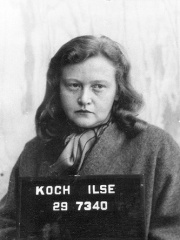
Ilse Koch
EXTREMIST
1906 - 1967
HPI: 73.63
排名: 19
André Maurois
WRITER
1885 - 1967
HPI: 73.14
排名: 20
Jack Ruby
MAFIOSO
1911 - 1967
HPI: 72.96
排名: 21
在匈牙利
在出生于匈牙利的人中,Zoltán Kodály排名第40位(共1,306人)。 排在他之前的有:Andrew II of Hungary (1175), Viktor Orbán (1963), Ernő Rubik (1944), Mary, Queen of Hungary (1371), Victor Vasarely (1906), 和Lajos Kossuth (1802). 排在他之后的有:László Bíró (1899), Johnny Weissmuller (1904), Gabor Maté (1944), Emmerich Kálmán (1882), Sándor Petőfi (1823), 和Sándor Kocsis (1929).
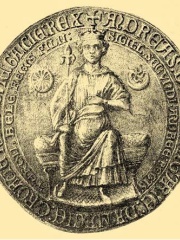
Andrew II of Hungary
POLITICIAN
1175 - 1235
HPI: 75.37
排名: 34
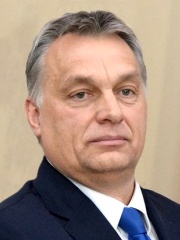
Viktor Orbán
POLITICIAN
1963 - 至今
HPI: 75.10
排名: 35
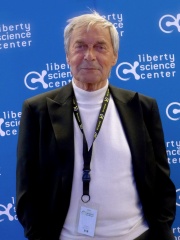
Ernő Rubik
INVENTOR
1944 - 至今
HPI: 75.03
排名: 36
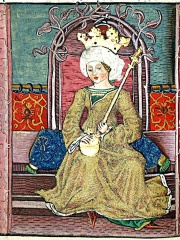
Mary, Queen of Hungary
POLITICIAN
1371 - 1395
HPI: 74.81
排名: 37
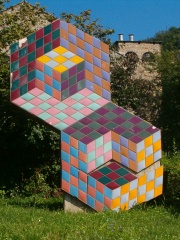
Victor Vasarely
ARTIST
1906 - 1997
HPI: 74.76
排名: 38
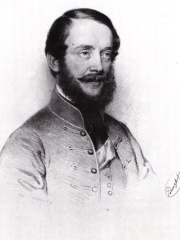
Lajos Kossuth
POLITICIAN
1802 - 1894
HPI: 74.74
排名: 39
Zoltán Kodály
COMPOSER
1882 - 1967
HPI: 74.36
排名: 40
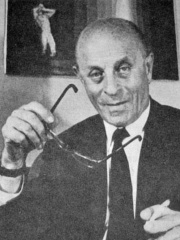
László Bíró
INVENTOR
1899 - 1985
HPI: 74.34
排名: 41
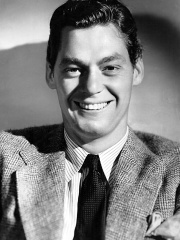
Johnny Weissmuller
SWIMMER
1904 - 1984
HPI: 74.19
排名: 42
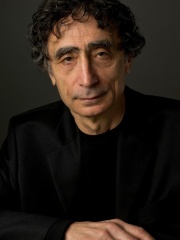
Gabor Maté
PHYSICIAN
1944 - 至今
HPI: 73.99
排名: 43
Emmerich Kálmán
COMPOSER
1882 - 1953
HPI: 73.97
排名: 44
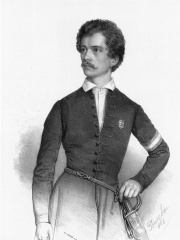
Sándor Petőfi
WRITER
1823 - 1849
HPI: 73.87
排名: 45
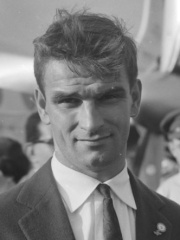
Sándor Kocsis
SOCCER PLAYER
1929 - 1979
HPI: 73.82
排名: 46
在匈牙利的作曲家中
在出生于匈牙利的作曲家中,Zoltán Kodály排名第2位。 排在他之前的有:Franz Lehár (1870). 排在他之后的有:Emmerich Kálmán (1882), Miklós Rózsa (1907), Princess Maria Antonia Koháry (1797), Hans Richter (1843), Karl Goldmark (1830), Ferenc Erkel (1810), Joseph Kosma (1905), Hans Swarowsky (1899), Joseph Szigeti (1892), 和Dora Pejačević (1885).
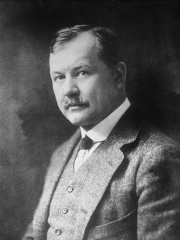
Franz Lehár
1870 - 1948
HPI: 76.92
排名: 1
Zoltán Kodály
1882 - 1967
HPI: 74.36
排名: 2
Emmerich Kálmán
1882 - 1953
HPI: 73.97
排名: 3
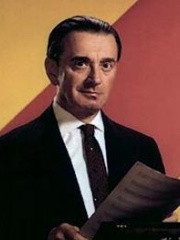
Miklós Rózsa
1907 - 1995
HPI: 67.91
排名: 4
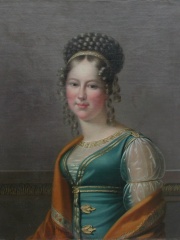
Princess Maria Antonia Koháry
1797 - 1862
HPI: 67.58
排名: 5
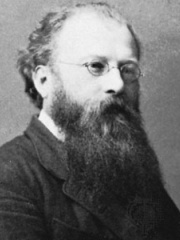
Hans Richter
1843 - 1916
HPI: 66.11
排名: 6
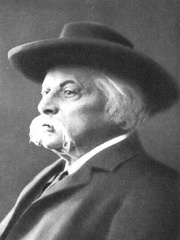
Karl Goldmark
1830 - 1915
HPI: 65.37
排名: 7
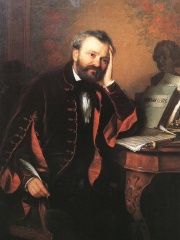
Ferenc Erkel
1810 - 1893
HPI: 64.38
排名: 8
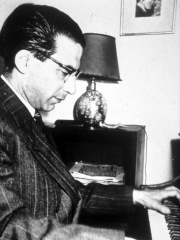
Joseph Kosma
1905 - 1969
HPI: 63.81
排名: 9
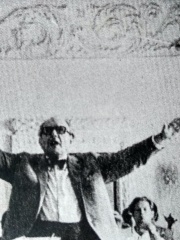
Hans Swarowsky
1899 - 1975
HPI: 63.41
排名: 10
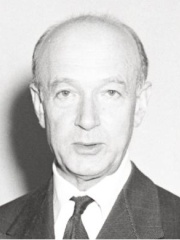
Joseph Szigeti
1892 - 1973
HPI: 63.05
排名: 11
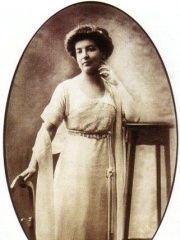
Dora Pejačević
1885 - 1923
HPI: 62.98
排名: 12




