作家
Zenta Mauriņa
1897 - 1978
 Zenta Mauriņa
Memorability Metrics
12k
Page Views
Past 12 months
58.27
HPI
Historical Popularity Index
Page views of Zenta Mauriņa by language
Among 作家
Among 作家, Zenta Mauriņa ranks 3,903 out of 7,302. Before her are Berdi Kerbabayev, Þjóðólfr of Hvinir, Gennadius of Massilia, Veniamin Kaverin, Eiko Kadono, and Leopold Zunz. After her are Gertrude Jekyll, Angel Wagenstein, Kjartan Fløgstad, Javier Cercas, Aboul-Qacem Echebbi, and Voltairine de Cleyre.
Most Popular 作家 in Wikipedia
Go to all Rankings
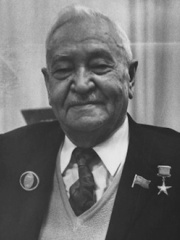
Berdi Kerbabayev
1894 - 1974
HPI: 58.29
Rank: 3,897

Þjóðólfr of Hvinir
900 - 930
HPI: 58.29
Rank: 3,898

Gennadius of Massilia
450 - 496
HPI: 58.29
Rank: 3,899
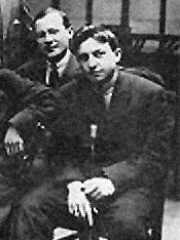
Veniamin Kaverin
1902 - 1989
HPI: 58.28
Rank: 3,900

Eiko Kadono
1935 - Present
HPI: 58.28
Rank: 3,901
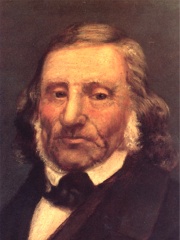
Leopold Zunz
1794 - 1886
HPI: 58.27
Rank: 3,902
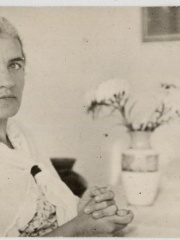
Zenta Mauriņa
1897 - 1978
HPI: 58.27
Rank: 3,903
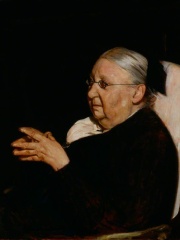
Gertrude Jekyll
1843 - 1932
HPI: 58.27
Rank: 3,904
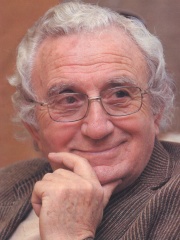
Angel Wagenstein
1922 - 2023
HPI: 58.27
Rank: 3,905
Kjartan Fløgstad
1944 - Present
HPI: 58.27
Rank: 3,906
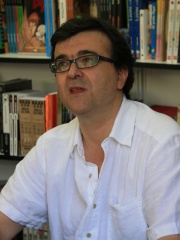
Javier Cercas
1962 - Present
HPI: 58.26
Rank: 3,907
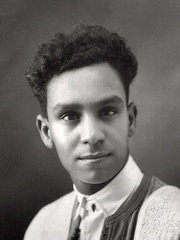
Aboul-Qacem Echebbi
1909 - 1934
HPI: 58.26
Rank: 3,908
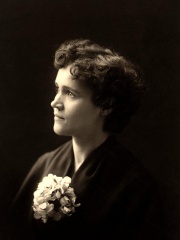
Voltairine de Cleyre
1866 - 1912
HPI: 58.26
Rank: 3,909

Contemporaries
Among people born in 1897, Zenta Mauriņa ranks 199. Before her are Lya De Putti, Johannes Winkler, Héctor Méndez, Evsei Liberman, Werner Voss, and Douglas Hartree. After her are Lya Mara, Rosa Ponselle, Isabelino Gradín, Marion Davies, Ardito Desio, and Géza von Bolváry. Among people deceased in 1978, Zenta Mauriņa ranks 141. Before her are Liane Augustin, Jean Nicolas, Georges Speicher, Federico Chávez, Germain Derycke, and Rubén Morán. After her are Lon L. Fuller, Toivo Hyytiäinen, Joseph Colombo, John D. Rockefeller III, Robert Menzies, and Roman Karmen.
Others Born in 1897
Go to all Rankings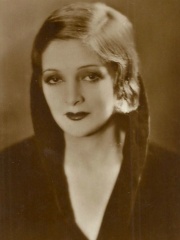
Lya De Putti
ACTOR
1897 - 1931
HPI: 58.34
Rank: 193
Johannes Winkler
ENGINEER
1897 - 1947
HPI: 58.34
Rank: 194
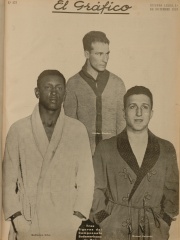
Héctor Méndez
BOXER
1897 - 1977
HPI: 58.31
Rank: 195
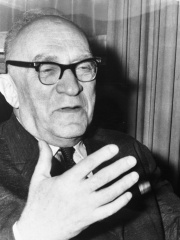
Evsei Liberman
ECONOMIST
1897 - 1981
HPI: 58.30
Rank: 196
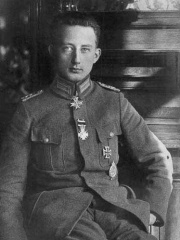
Werner Voss
MILITARY PERSONNEL
1897 - 1917
HPI: 58.30
Rank: 197
Douglas Hartree
MATHEMATICIAN
1897 - 1958
HPI: 58.29
Rank: 198
Zenta Mauriņa
WRITER
1897 - 1978
HPI: 58.27
Rank: 199

Lya Mara
ACTOR
1897 - 1960
HPI: 58.27
Rank: 200
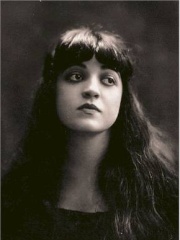
Rosa Ponselle
SINGER
1897 - 1981
HPI: 58.23
Rank: 201
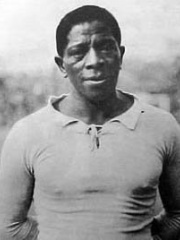
Isabelino Gradín
SOCCER PLAYER
1897 - 1944
HPI: 58.19
Rank: 202
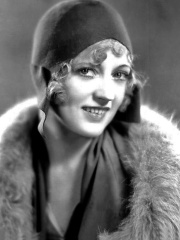
Marion Davies
ACTOR
1897 - 1961
HPI: 58.18
Rank: 203
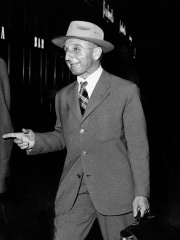
Ardito Desio
MOUNTAINEER
1897 - 2001
HPI: 57.90
Rank: 204
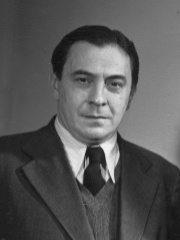
Géza von Bolváry
ACTOR
1897 - 1961
HPI: 57.89
Rank: 205
Others Deceased in 1978
Go to all Rankings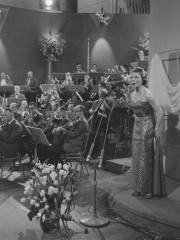
Liane Augustin
SINGER
1927 - 1978
HPI: 58.85
Rank: 135
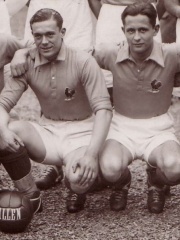
Jean Nicolas
SOCCER PLAYER
1913 - 1978
HPI: 58.69
Rank: 136
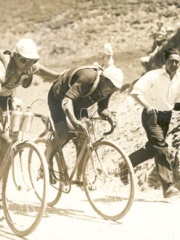
Georges Speicher
CYCLIST
1907 - 1978
HPI: 58.67
Rank: 137
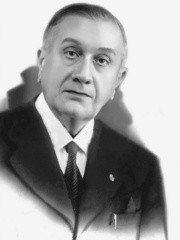
Federico Chávez
POLITICIAN
1882 - 1978
HPI: 58.61
Rank: 138
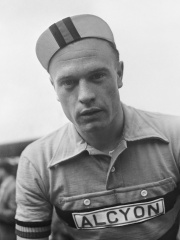
Germain Derycke
CYCLIST
1929 - 1978
HPI: 58.59
Rank: 139

Rubén Morán
SOCCER PLAYER
1930 - 1978
HPI: 58.51
Rank: 140
Zenta Mauriņa
WRITER
1897 - 1978
HPI: 58.27
Rank: 141

Lon L. Fuller
PHILOSOPHER
1902 - 1978
HPI: 58.20
Rank: 142
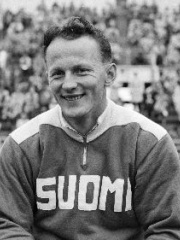
Toivo Hyytiäinen
ATHLETE
1925 - 1978
HPI: 58.18
Rank: 143
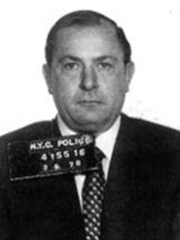
Joseph Colombo
MAFIOSO
1923 - 1978
HPI: 58.15
Rank: 144
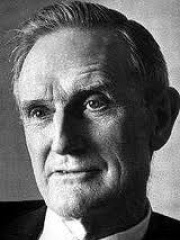
John D. Rockefeller III
BUSINESSPERSON
1906 - 1978
HPI: 58.04
Rank: 145
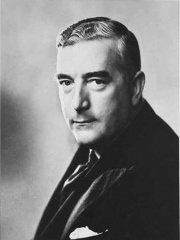
Robert Menzies
POLITICIAN
1894 - 1978
HPI: 58.04
Rank: 146
Roman Karmen
FILM DIRECTOR
1906 - 1978
HPI: 58.02
Rank: 147
In ラトビア
Among people born in ラトビア, Zenta Mauriņa ranks 110 out of NaN. Before her are Vija Artmane (1929), Arkady Raikin (1911), Jacob W. Davis (1831), Zigfrīds Anna Meierovics (1887), Arvīds Pelše (1899), and Balys Dvarionas (1904). After her are Lya Mara (1897), Ernst von Bergmann (1836), Andris Bērziņš (1951), Duchess Elisabeth Alexandrine of Württemberg (1802), Heinz Christian Pander (1794), and Elīna Garanča (1976).
Others born in ラトビア
Go to all Rankings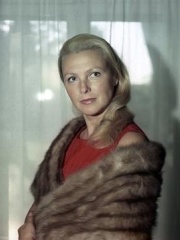
Vija Artmane
ACTOR
1929 - 2008
HPI: 58.68
Rank: 104
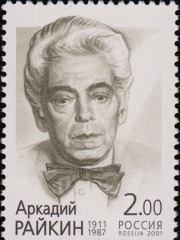
Arkady Raikin
ACTOR
1911 - 1987
HPI: 58.68
Rank: 105
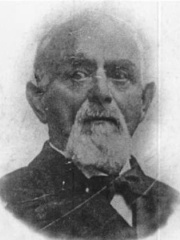
Jacob W. Davis
INVENTOR
1831 - 1908
HPI: 58.66
Rank: 106
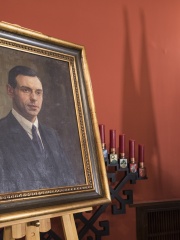
Zigfrīds Anna Meierovics
POLITICIAN
1887 - 1925
HPI: 58.47
Rank: 107
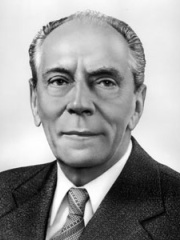
Arvīds Pelše
POLITICIAN
1899 - 1983
HPI: 58.30
Rank: 108
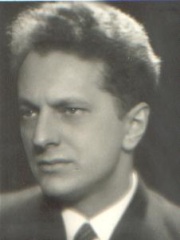
Balys Dvarionas
COMPOSER
1904 - 1972
HPI: 58.27
Rank: 109
Zenta Mauriņa
WRITER
1897 - 1978
HPI: 58.27
Rank: 110
Lya Mara
ACTOR
1897 - 1960
HPI: 58.27
Rank: 111
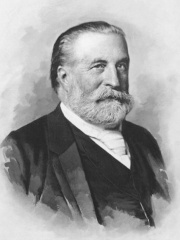
Ernst von Bergmann
PHYSICIAN
1836 - 1907
HPI: 58.22
Rank: 112
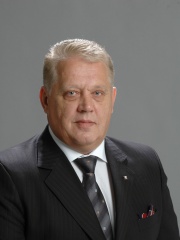
Andris Bērziņš
POLITICIAN
1951 - Present
HPI: 58.21
Rank: 113
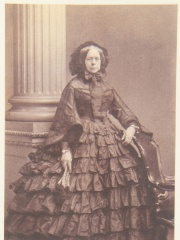
Duchess Elisabeth Alexandrine of Württemberg
NOBLEMAN
1802 - 1864
HPI: 58.21
Rank: 114
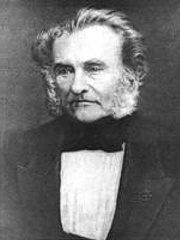
Heinz Christian Pander
BIOLOGIST
1794 - Present
HPI: 58.15
Rank: 115

Elīna Garanča
SINGER
1976 - Present
HPI: 58.11
Rank: 116
Among 作家 In ラトビア
Among 作家 born in ラトビア, Zenta Mauriņa ranks 14. Before her are Vilis Lācis (1904), Vizma Belševica (1931), Yury Tynyanov (1894), Kristjan Jaak Peterson (1801), Krišjānis Barons (1835), and Garlieb Merkel (1769). After her are Anna Brigadere (1861), Astrid Ivask (1926), Rūdolfs Blaumanis (1863), Aleksandrs Čaks (1901), Werner Bergengruen (1892), and Mirdza Ķempe (1907).
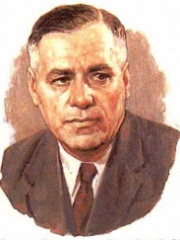
Vilis Lācis
1904 - 1966
HPI: 60.90
Rank: 8
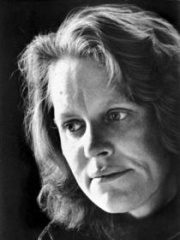
Vizma Belševica
1931 - 2005
HPI: 60.20
Rank: 9
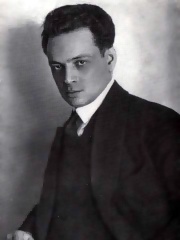
Yury Tynyanov
1894 - 1943
HPI: 59.80
Rank: 10
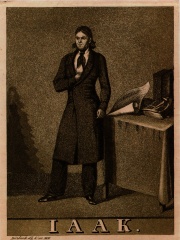
Kristjan Jaak Peterson
1801 - 1822
HPI: 59.80
Rank: 11
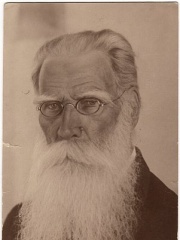
Krišjānis Barons
1835 - 1923
HPI: 59.11
Rank: 12
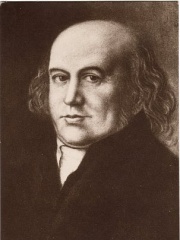
Garlieb Merkel
1769 - 1850
HPI: 59.02
Rank: 13
Zenta Mauriņa
1897 - 1978
HPI: 58.27
Rank: 14

Anna Brigadere
1861 - 1933
HPI: 57.57
Rank: 15

Astrid Ivask
1926 - 2015
HPI: 57.17
Rank: 16
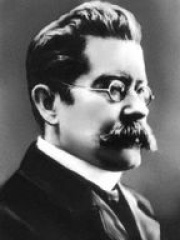
Rūdolfs Blaumanis
1863 - 1908
HPI: 57.09
Rank: 17
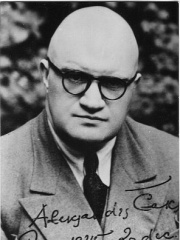
Aleksandrs Čaks
1901 - 1950
HPI: 56.70
Rank: 18
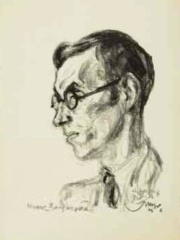
Werner Bergengruen
1892 - 1964
HPI: 56.62
Rank: 19

Mirdza Ķempe
1907 - 1974
HPI: 56.46
Rank: 20




