Религиозный деятель
Wim Hof
1959 - настоящее время
ПРОСМОТРЫ RU.WIKIPEDIA (PV)


 Wim Hof
Его биография доступна на 28 различных языках в Википедии (рост с 27 в 2024 году). Wim Hof занимает 1357-е место среди самых популярных религиозный деятель (снижение с 1256-е места в 2024 году), занимает 281-е место среди самых популярных биографий из Нидерланды (рост с 287-е места в 2019 году) и занимает 8-е место среди религиозный деятель Нидерланды.
Метрики памятности
490k
Просмотры страниц
За последние 12 месяцев
64.23
HPI
Индекс исторической популярности
Интересные факты
2.6×
Страница Wim Hof в Википедии набрала 490k просмотров за последний год, в 2.6 раз больше среднего среди Религиозный деятель.
Просмотры страницы Wim Hof по языкам
Среди представителей профессии «Религиозный деятель»
Среди представителей профессии «Религиозный деятель» Wim Hof занимает 1,357-е место из 3,189. Перед ним идут Matthew III Csák, Lorenzo Baldisseri, Shirali Muslimov, Gregory Peter XX Ghabroyan, Marian Jaworski, и Mary Ann Nichols. После него идут Justin Francis Rigali, Lucian Pulvermacher, Kilab ibn Murrah, Leonard of Port Maurice, Angelus of Jerusalem, и Procopius of Scythopolis.
Самые популярные в Википедии: Религиозный деятель
Все рейтинги
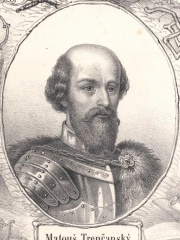
Matthew III Csák
1260 - 1321
HPI: 64.26
Место: 1,351
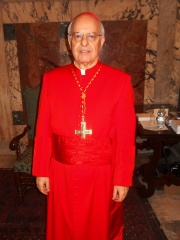
Lorenzo Baldisseri
1940 - наст. время
HPI: 64.26
Место: 1,352
Shirali Muslimov
1805 - 1973
HPI: 64.26
Место: 1,353

Gregory Peter XX Ghabroyan
1934 - 2021
HPI: 64.25
Место: 1,354
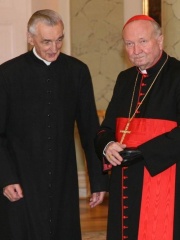
Marian Jaworski
1926 - 2020
HPI: 64.24
Место: 1,355
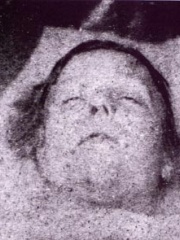
Mary Ann Nichols
1845 - 1888
HPI: 64.23
Место: 1,356
Wim Hof
1959 - наст. время
HPI: 64.23
Место: 1,357
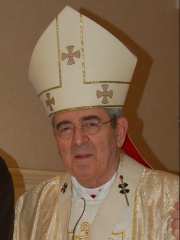
Justin Francis Rigali
1935 - наст. время
HPI: 64.21
Место: 1,358

Lucian Pulvermacher
1918 - 2009
HPI: 64.21
Место: 1,359

Kilab ibn Murrah
373 - наст. время
HPI: 64.20
Место: 1,360
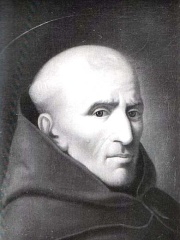
Leonard of Port Maurice
1676 - 1751
HPI: 64.20
Место: 1,361
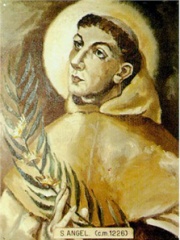
Angelus of Jerusalem
1185 - 1225
HPI: 64.19
Место: 1,362
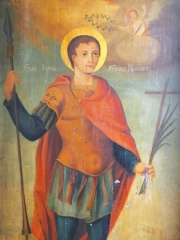
Procopius of Scythopolis
250 - 303
HPI: 64.18
Место: 1,363

Современники
Среди людей, родившихся в 1959 году, Wim Hof занимает 77-е место. Перед ним идут Mauricio Funes, Frank Darabont, Sam Raimi, Byung-Chul Han, Nirmala Sitharaman, и Miki Matsubara. После него идут Rosanna Arquette, Victoria Abril, Donna Strickland, Satoru Iwata, Donna Murphy, и Xiomara Castro.
Другие люди, родившиеся в 1959 году
Все рейтинги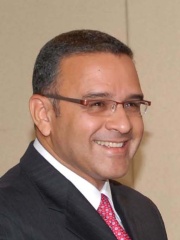
Mauricio Funes
JOURNALIST
1959 - 2025
HPI: 65.11
Место: 71
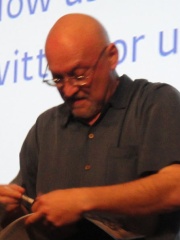
Frank Darabont
FILM DIRECTOR
1959 - наст. время
HPI: 65.03
Место: 72
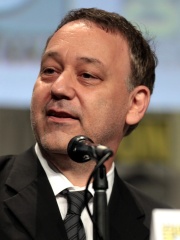
Sam Raimi
FILM DIRECTOR
1959 - наст. время
HPI: 65.00
Место: 73

Byung-Chul Han
PHILOSOPHER
1959 - наст. время
HPI: 64.75
Место: 74

Nirmala Sitharaman
POLITICIAN
1959 - наст. время
HPI: 64.60
Место: 75

Miki Matsubara
COMPOSER
1959 - 2004
HPI: 64.53
Место: 76
Wim Hof
RELIGIOUS FIGURE
1959 - наст. время
HPI: 64.23
Место: 77

Rosanna Arquette
ACTOR
1959 - наст. время
HPI: 64.20
Место: 78

Victoria Abril
ACTOR
1959 - наст. время
HPI: 64.11
Место: 79
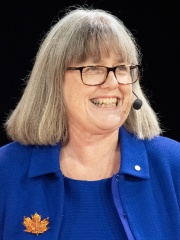
Donna Strickland
PHYSICIST
1959 - наст. время
HPI: 64.09
Место: 80

Satoru Iwata
GAME DESIGNER
1959 - 2015
HPI: 64.03
Место: 81

Donna Murphy
ACTOR
1959 - наст. время
HPI: 64.03
Место: 82
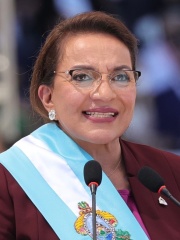
Xiomara Castro
POLITICIAN
1959 - наст. время
HPI: 63.98
Место: 83
В стране Нидерланды
Среди людей, родившихся в стране Нидерланды, Wim Hof занимает 281-е место из 2,139. Перед ним идут William, Prince of Orange (1840), Bartholomeus van der Helst (1613), Nicholas J. Spykman (1893), Isaac Beeckman (1588), Hendrik Verwoerd (1901), и Joan Blaeu (1596). После него идут Piet de Jong (1915), Philips Wouwerman (1619), Pieter Jansz. Saenredam (1597), Mark van Bommel (1977), Otto van Veen (1556), и Baldwin III, Count of Flanders (940).
Другие люди, родившиеся в стране Нидерланды
Все рейтинги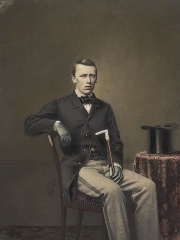
William, Prince of Orange
POLITICIAN
1840 - 1879
HPI: 64.36
Место: 275

Bartholomeus van der Helst
PAINTER
1613 - 1670
HPI: 64.34
Место: 276
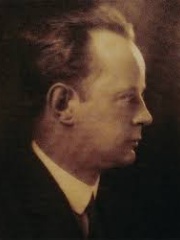
Nicholas J. Spykman
POLITICIAN
1893 - 1943
HPI: 64.34
Место: 277

Isaac Beeckman
MATHEMATICIAN
1588 - 1637
HPI: 64.33
Место: 278
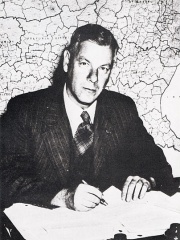
Hendrik Verwoerd
POLITICIAN
1901 - 1966
HPI: 64.33
Место: 279
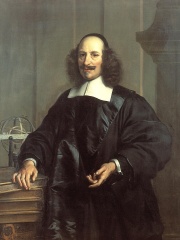
Joan Blaeu
POLITICIAN
1596 - 1673
HPI: 64.31
Место: 280
Wim Hof
RELIGIOUS FIGURE
1959 - наст. время
HPI: 64.23
Место: 281
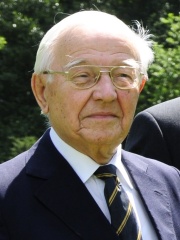
Piet de Jong
POLITICIAN
1915 - 2016
HPI: 64.23
Место: 282
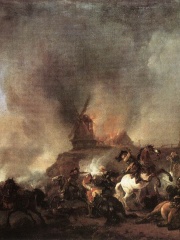
Philips Wouwerman
PAINTER
1619 - 1668
HPI: 64.22
Место: 283
Pieter Jansz. Saenredam
PAINTER
1597 - 1665
HPI: 64.19
Место: 284

Mark van Bommel
SOCCER PLAYER
1977 - наст. время
HPI: 64.17
Место: 285
Otto van Veen
PAINTER
1556 - 1629
HPI: 64.17
Место: 286
Baldwin III, Count of Flanders
POLITICIAN
940 - 962
HPI: 64.17
Место: 287
Среди представителей профессии «Религиозный деятель» в стране Нидерланды
Среди представителей профессии «Религиозный деятель», родившихся в стране Нидерланды, Wim Hof занимает 8-е место. Перед ним идут Menno Simons (1496), Norbert of Xanten (1080), John of Leiden (1509), Lambert of Maastricht (635), Lidwina (1380), и Geert Groote (1340). После него идут Ludger (742), Johannes Willebrands (1909), Christiaan Snouck Hurgronje (1857), Adrianus Johannes Simonis (1931), Peter Hans Kolvenbach (1928), и Bernardus Johannes Alfrink (1900).

Menno Simons
1496 - 1561
HPI: 70.62
Место: 2
Norbert of Xanten
1080 - 1134
HPI: 69.81
Место: 3
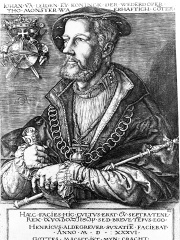
John of Leiden
1509 - 1536
HPI: 66.72
Место: 4
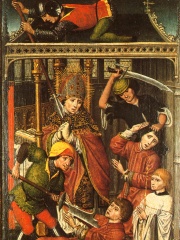
Lambert of Maastricht
635 - 705
HPI: 66.66
Место: 5
Lidwina
1380 - 1433
HPI: 66.60
Место: 6
Geert Groote
1340 - 1384
HPI: 64.79
Место: 7
Wim Hof
1959 - наст. время
HPI: 64.23
Место: 8
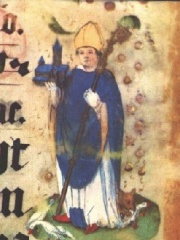
Ludger
742 - 809
HPI: 63.98
Место: 9
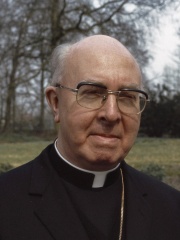
Johannes Willebrands
1909 - 2006
HPI: 63.17
Место: 10
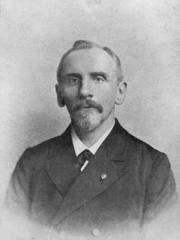
Christiaan Snouck Hurgronje
1857 - 1936
HPI: 62.35
Место: 11
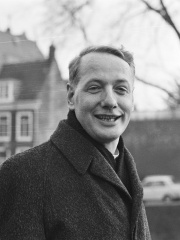
Adrianus Johannes Simonis
1931 - 2020
HPI: 62.09
Место: 12
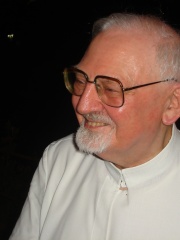
Peter Hans Kolvenbach
1928 - 2016
HPI: 61.68
Место: 13
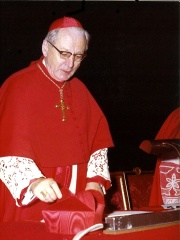
Bernardus Johannes Alfrink
1900 - 1987
HPI: 60.10
Место: 14




