Polityk
Werner Faymann
1960 - obecnie
PL.WIKIPEDIA PAGE VIEWS (PV)
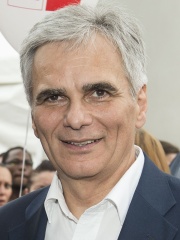
 Werner Faymann
Jego biografia jest dostępna w 57 różnych językach w Wikipedii. Werner Faymann jest 10231. najpopularniejszym polityk (wzrost z 11040. w 2024 roku), 572. najpopularniejszą biografią Austria (wzrost z 634. w 2019 roku) oraz 166. najpopularniejszym polityk Austria.
Memorability Metrics
42k
Page Views
Past 12 months
61.08
HPI
Historical Popularity Index
Page views of Werner Faymann by language
Among Polityks
Among polityks, Werner Faymann ranks 10,226 out of 19,576. Before him are Reiner Klimke, Cecil Andrus, Tassilo I of Bavaria, Emmanuel-Armand de Richelieu, duc d'Aiguillon, Bagha Qaghan, and Hydarnes. After him are Maria Teresa Cybo-Malaspina, Duchess of Massa, Gnaeus Servilius Caepio, Juan Antonio Lavalleja, Minjung of Goguryeo, Suhaila Siddiq, and Pomponius Secundus.
Most Popular Polityks in Wikipedia
Go to all Rankings

Reiner Klimke
1936 - 1999
HPI: 61.08
Rank: 10,225
Cecil Andrus
1931 - 2017
HPI: 61.08
Rank: 10,226

Tassilo I of Bavaria
560 - 609
HPI: 61.08
Rank: 10,227
Emmanuel-Armand de Richelieu, duc d'Aiguillon
1720 - 1788
HPI: 61.08
Rank: 10,228

Bagha Qaghan
HPI: 61.08
Rank: 10,229
Hydarnes
600 BC - 500 BC
HPI: 61.08
Rank: 10,230
Werner Faymann
1960 - Present
HPI: 61.08
Rank: 10,231
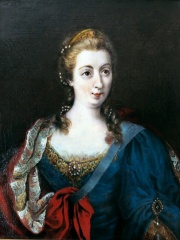
Maria Teresa Cybo-Malaspina, Duchess of Massa
1725 - 1790
HPI: 61.08
Rank: 10,232

Gnaeus Servilius Caepio
237 BC - 174 BC
HPI: 61.08
Rank: 10,233
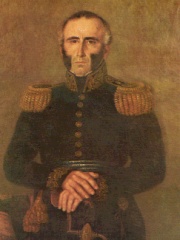
Juan Antonio Lavalleja
1784 - 1853
HPI: 61.08
Rank: 10,234
Minjung of Goguryeo
10 - 48
HPI: 61.08
Rank: 10,235
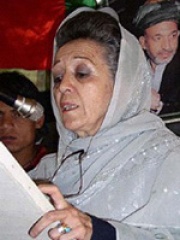
Suhaila Siddiq
1938 - 2020
HPI: 61.07
Rank: 10,236

Pomponius Secundus
50 BC - 100
HPI: 61.07
Rank: 10,237

Contemporaries
Among people born in 1960, Werner Faymann ranks 132. Before him are Abdullah Abdullah, Yann LeCun, Julio César Romero, Benigno Aquino III, Angélique Kidjo, and Tony Goldwyn. After him are Timothy Hutton, Hong Sang-soo, Susanne Bier, Jennifer Rush, Michael Stipe, and Tony Robbins.
Others Born in 1960
Go to all Rankings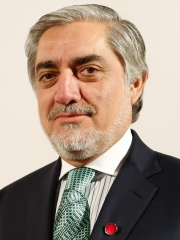
Abdullah Abdullah
POLITICIAN
1960 - Present
HPI: 61.41
Rank: 126
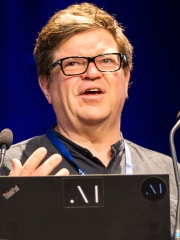
Yann LeCun
COMPUTER SCIENTIST
1960 - Present
HPI: 61.31
Rank: 127

Julio César Romero
SOCCER PLAYER
1960 - Present
HPI: 61.21
Rank: 128
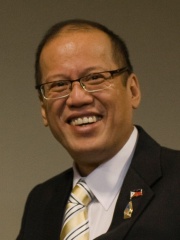
Benigno Aquino III
POLITICIAN
1960 - 2021
HPI: 61.21
Rank: 129
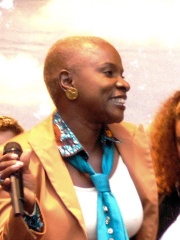
Angélique Kidjo
MUSICIAN
1960 - Present
HPI: 61.16
Rank: 130

Tony Goldwyn
ACTOR
1960 - Present
HPI: 61.15
Rank: 131
Werner Faymann
POLITICIAN
1960 - Present
HPI: 61.08
Rank: 132
Timothy Hutton
ACTOR
1960 - Present
HPI: 61.02
Rank: 133

Hong Sang-soo
FILM DIRECTOR
1960 - Present
HPI: 60.98
Rank: 134
Susanne Bier
FILM DIRECTOR
1960 - Present
HPI: 60.96
Rank: 135

Jennifer Rush
SINGER
1960 - Present
HPI: 60.91
Rank: 136

Michael Stipe
MUSICIAN
1960 - Present
HPI: 60.91
Rank: 137

Tony Robbins
PRESENTER
1960 - Present
HPI: 60.86
Rank: 138
In Austria
Among people born in Austria, Werner Faymann ranks 572 out of NaN. Before him are Ulrich von Liechtenstein (1200), Joseph Leopold Eybler (1765), Fritz Machlup (1902), Barbara Valentin (1940), Antun Augustinčić (1900), and Clemens von Pirquet (1874). After him are Viktor Klima (1947), Josef Frank (1885), Pauline von Metternich (1836), Gerhard Hanappi (1929), Rudolf Spielmann (1883), and Hans Hermann Groër (1919).
Others born in Austria
Go to all Rankings
Ulrich von Liechtenstein
WRITER
1200 - 1275
HPI: 61.22
Rank: 566
Joseph Leopold Eybler
COMPOSER
1765 - 1846
HPI: 61.21
Rank: 567

Fritz Machlup
ECONOMIST
1902 - 1983
HPI: 61.18
Rank: 568
Barbara Valentin
ACTOR
1940 - 2002
HPI: 61.09
Rank: 569
Antun Augustinčić
SCULPTOR
1900 - 1979
HPI: 61.09
Rank: 570
Clemens von Pirquet
BIOLOGIST
1874 - 1929
HPI: 61.08
Rank: 571
Werner Faymann
POLITICIAN
1960 - Present
HPI: 61.08
Rank: 572
Viktor Klima
POLITICIAN
1947 - Present
HPI: 61.07
Rank: 573
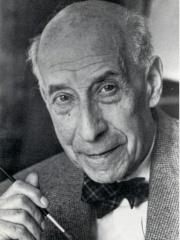
Josef Frank
ARCHITECT
1885 - 1967
HPI: 61.07
Rank: 574
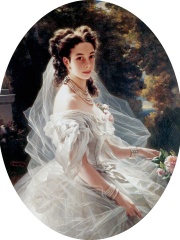
Pauline von Metternich
WRITER
1836 - 1921
HPI: 61.06
Rank: 575
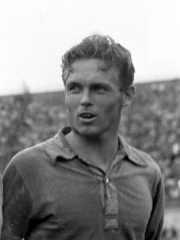
Gerhard Hanappi
SOCCER PLAYER
1929 - 1980
HPI: 61.06
Rank: 576
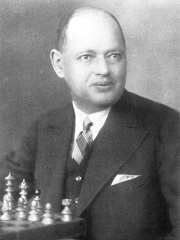
Rudolf Spielmann
CHESS PLAYER
1883 - 1942
HPI: 61.04
Rank: 577
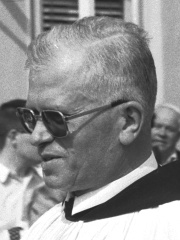
Hans Hermann Groër
RELIGIOUS FIGURE
1919 - 2003
HPI: 61.01
Rank: 578
Among Polityks In Austria
Among polityks born in Austria, Werner Faymann ranks 166. Before him are Fred Sinowatz (1929), Károly Huszár (1882), Franz Kutschera (1904), Archduchess Magdalena of Austria (1532), Wilhelm von Mirbach (1871), and Franz Schalk (1863). After him are Viktor Klima (1947), Princess Marie Louise of Hanover (1879), Albert Apponyi (1846), Archduke Peter Ferdinand of Austria (1874), Edmund Glaise-Horstenau (1882), and Infanta Alicia, Duchess of Calabria (1917).
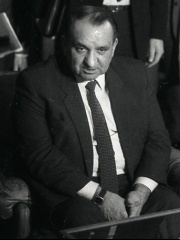
Fred Sinowatz
1929 - 2008
HPI: 61.70
Rank: 160
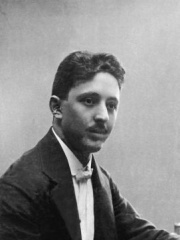
Károly Huszár
1882 - 1941
HPI: 61.68
Rank: 161
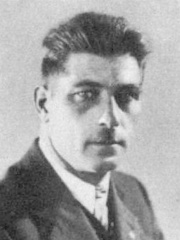
Franz Kutschera
1904 - 1944
HPI: 61.58
Rank: 162
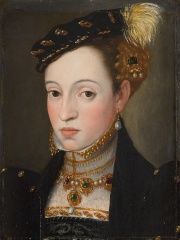
Archduchess Magdalena of Austria
1532 - 1590
HPI: 61.57
Rank: 163
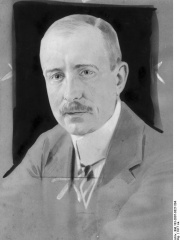
Wilhelm von Mirbach
1871 - 1918
HPI: 61.55
Rank: 164
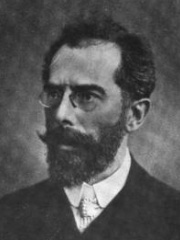
Franz Schalk
1863 - 1931
HPI: 61.49
Rank: 165
Werner Faymann
1960 - Present
HPI: 61.08
Rank: 166
Viktor Klima
1947 - Present
HPI: 61.07
Rank: 167
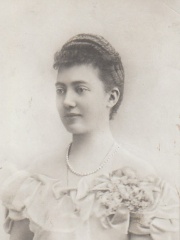
Princess Marie Louise of Hanover
1879 - 1948
HPI: 60.84
Rank: 168
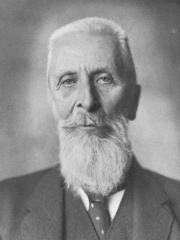
Albert Apponyi
1846 - 1933
HPI: 60.80
Rank: 169
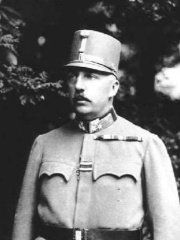
Archduke Peter Ferdinand of Austria
1874 - 1948
HPI: 60.74
Rank: 170
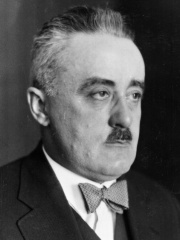
Edmund Glaise-Horstenau
1882 - 1946
HPI: 60.73
Rank: 171
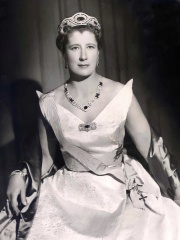
Infanta Alicia, Duchess of Calabria
1917 - 2017
HPI: 60.71
Rank: 172




