Экстремист
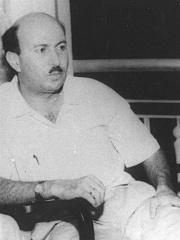
Wadie Haddad
1927 - 1978
ПРОСМОТРЫ RU.WIKIPEDIA (PV)
 Wadie Haddad
Его биография доступна на 23 различных языках в Википедии (рост с 22 в 2024 году). Wadie Haddad занимает 114-е место среди самых популярных экстремист (снижение с 80-е места в 2024 году), занимает 155-е место среди самых популярных биографий из Израили (снижение с 138-е места в 2019 году) и занимает 3-е место среди экстремист Израиль.
Метрики памятности
140k
Просмотры страниц
За последние 12 месяцев
63.84
HPI
Индекс исторической популярности
Интересные факты
1 янв.
Wadie Haddad отмечает день рождения (1 января) в один день с Mary, mother of Jesus, Saint Peter и Laozi.
Просмотры страницы Wadie Haddad по языкам
Среди представителей профессии «Экстремист»
Среди представителей профессии «Экстремист» Wadie Haddad занимает 114-е место из 283. Перед ним идут Hermine Braunsteiner, Oskar Gröning, Therese Brandl, Joachim Kroll, Henry Lee Lucas, и Leonarda Cianciulli. После него идут Sirhan Sirhan, Robert Stroud, Matteo Messina Denaro, Horst Mahler, Harold Shipman, и Richard Ramirez.
Самые популярные в Википедии: Экстремист
Все рейтинги
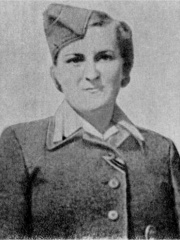
Hermine Braunsteiner
1919 - 1999
HPI: 64.37
Место: 108

Oskar Gröning
1921 - 2018
HPI: 64.30
Место: 109
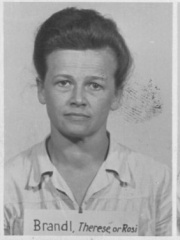
Therese Brandl
1902 - 1948
HPI: 64.24
Место: 110

Joachim Kroll
1933 - 1991
HPI: 64.19
Место: 111
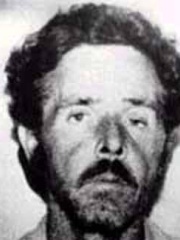
Henry Lee Lucas
1936 - 2001
HPI: 64.00
Место: 112
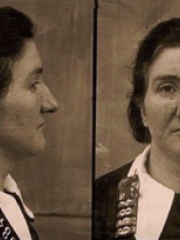
Leonarda Cianciulli
1893 - 1970
HPI: 63.93
Место: 113
Wadie Haddad
1927 - 1978
HPI: 63.84
Место: 114
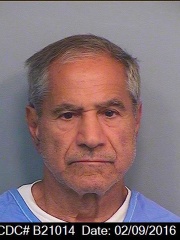
Sirhan Sirhan
1944 - наст. время
HPI: 63.82
Место: 115

Robert Stroud
1890 - 1963
HPI: 63.63
Место: 116
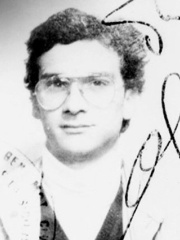
Matteo Messina Denaro
1962 - 2023
HPI: 63.62
Место: 117

Horst Mahler
1936 - 2025
HPI: 63.57
Место: 118

Harold Shipman
1946 - 2004
HPI: 63.50
Место: 119

Richard Ramirez
1960 - 2013
HPI: 63.43
Место: 120

Современники
Среди людей, родившихся в 1927 году, Wadie Haddad занимает 118-е место. Перед ним идут Bob Fosse, Dana Elcar, Margaret Keane, Marvin Harris, William Labov, и Jorge Batlle. После него идут Sabah, Carlos José Castilho, Eldar Ryazanov, Raymond Chow, Robert Plutchik, и Óscar Míguez. Среди людей, умерших в 1978 году, Wadie Haddad занимает 73-е место. Перед ним идут Guo Moruo, Nico Diederichs, Herbert Kappler, Pablo Dorado, Lilya Brik, и Héctor Germán Oesterheld. После него идут Viggo Brun, Pancho Vladigerov, Gaston Julia, Samuel Goudsmit, José Manuel Moreno, и Burt Munro.
Другие люди, родившиеся в 1927 году
Все рейтинги
Bob Fosse
ACTOR
1927 - 1987
HPI: 64.33
Место: 112

Dana Elcar
ACTOR
1927 - 2005
HPI: 64.27
Место: 113
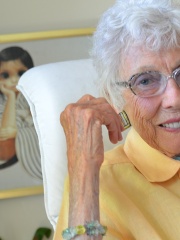
Margaret Keane
PAINTER
1927 - 2022
HPI: 64.18
Место: 114
Marvin Harris
ANTHROPOLOGIST
1927 - 2001
HPI: 64.16
Место: 115

William Labov
LINGUIST
1927 - 2024
HPI: 64.13
Место: 116

Jorge Batlle
POLITICIAN
1927 - 2016
HPI: 63.97
Место: 117
Wadie Haddad
EXTREMIST
1927 - 1978
HPI: 63.84
Место: 118

Sabah
SINGER
1927 - 2014
HPI: 63.83
Место: 119

Carlos José Castilho
SOCCER PLAYER
1927 - 1987
HPI: 63.82
Место: 120

Eldar Ryazanov
FILM DIRECTOR
1927 - 2015
HPI: 63.75
Место: 121

Raymond Chow
PRODUCER
1927 - 2018
HPI: 63.69
Место: 122
Robert Plutchik
PSYCHOLOGIST
1927 - 2006
HPI: 63.60
Место: 123

Óscar Míguez
SOCCER PLAYER
1927 - 2006
HPI: 63.60
Место: 124
Другие люди, умершие в 1978 году
Все рейтинги
Guo Moruo
POLITICIAN
1892 - 1978
HPI: 64.47
Место: 67
Nico Diederichs
POLITICIAN
1903 - 1978
HPI: 64.40
Место: 68

Herbert Kappler
MILITARY PERSONNEL
1907 - 1978
HPI: 64.29
Место: 69

Pablo Dorado
SOCCER PLAYER
1908 - 1978
HPI: 64.02
Место: 70

Lilya Brik
WRITER
1891 - 1978
HPI: 63.98
Место: 71
Héctor Germán Oesterheld
COMIC ARTIST
1919 - 1978
HPI: 63.97
Место: 72
Wadie Haddad
EXTREMIST
1927 - 1978
HPI: 63.84
Место: 73
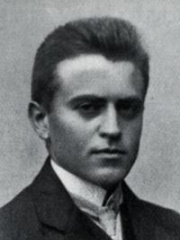
Viggo Brun
MATHEMATICIAN
1885 - 1978
HPI: 63.53
Место: 74

Pancho Vladigerov
COMPOSER
1899 - 1978
HPI: 63.53
Место: 75
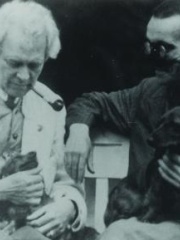
Gaston Julia
MATHEMATICIAN
1893 - 1978
HPI: 63.45
Место: 76
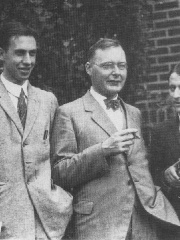
Samuel Goudsmit
PHYSICIST
1902 - 1978
HPI: 63.38
Место: 77

José Manuel Moreno
SOCCER PLAYER
1916 - 1978
HPI: 63.23
Место: 78
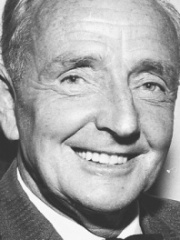
Burt Munro
POLITICIAN
1899 - 1978
HPI: 63.14
Место: 79
В стране Израиль
Среди людей, родившихся в стране Израиль, Wadie Haddad занимает 155-е место из 466. Перед ним идут Menahem Golan (1929), Sarah Aaronsohn (1890), Naftali Bennett (1972), Lusius Quietus (100), Amos Tversky (1937), и Eutocius of Ascalon (480). После него идут Sirhan Sirhan (1944), Dana International (1969), Dirk III, Count of Holland (982), Benny Gantz (1959), Peter I, Count of Alençon (1251), и Rafi Eitan (1926).
Другие люди, родившиеся в стране Израиль
Все рейтинги
Menahem Golan
FILM DIRECTOR
1929 - 2014
HPI: 64.18
Место: 149
Sarah Aaronsohn
POLITICIAN
1890 - 1917
HPI: 64.08
Место: 150

Naftali Bennett
POLITICIAN
1972 - наст. время
HPI: 64.07
Место: 151
Lusius Quietus
POLITICIAN
100 - 118
HPI: 64.06
Место: 152

Amos Tversky
PSYCHOLOGIST
1937 - 1996
HPI: 64.00
Место: 153

Eutocius of Ascalon
MATHEMATICIAN
480 - 600
HPI: 63.85
Место: 154
Wadie Haddad
EXTREMIST
1927 - 1978
HPI: 63.84
Место: 155
Sirhan Sirhan
EXTREMIST
1944 - наст. время
HPI: 63.82
Место: 156

Dana International
SINGER
1969 - наст. время
HPI: 63.81
Место: 157
Dirk III, Count of Holland
POLITICIAN
982 - 1039
HPI: 63.79
Место: 158

Benny Gantz
POLITICIAN
1959 - наст. время
HPI: 63.75
Место: 159

Peter I, Count of Alençon
POLITICIAN
1251 - 1284
HPI: 63.74
Место: 160
Rafi Eitan
POLITICIAN
1926 - 2019
HPI: 63.53
Место: 161
Среди представителей профессии «Экстремист» в стране Израиль
Среди представителей профессии «Экстремист», родившихся в стране Израиль, Wadie Haddad занимает 3-е место. Перед ним идут George Habash (1926), и Abu Nidal (1937). После него идут Sirhan Sirhan (1944), и Yigal Amir (1970).
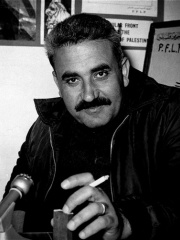
George Habash
1926 - 2008
HPI: 69.27
Место: 1

Abu Nidal
1937 - 2002
HPI: 68.58
Место: 2
Wadie Haddad
1927 - 1978
HPI: 63.84
Место: 3
Sirhan Sirhan
1944 - наст. время
HPI: 63.82
Место: 4

Yigal Amir
1970 - наст. время
HPI: 59.59
Место: 5




