Peintre
Thomas Hudson
1701 - 1779
PAGES VUES SUR FR.WIKIPEDIA (PV)
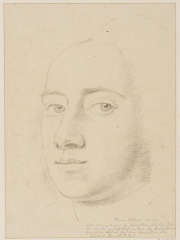
 Thomas Hudson
Sa biographie est disponible en 17 langues sur Wikipédia (en hausse par rapport à 16 en 2024). Thomas Hudson est le 1,879th peintre le plus populaire (en baisse du 1,838th en 2024), la 4,498th biographie la plus populaire du Royaume-Uni (en baisse du 3,996th en 2019), ainsi que le 100th peintre du Royaume-Uni le plus populaire.
Indicateurs de mémorabilité
10k
Pages vues
12 derniers mois
54.21
HPI
Indice de popularité historique
Faits marquants
17
La biographie de Thomas Hudson couvre 17 éditions linguistiques de Wikipédia et obtient un Indice de Popularité Historique de 54.21.
Pages vues de Thomas Hudson par langue
Parmi les Peintre
Parmi les Peintre, Thomas Hudson occupe le rang 1,879 sur 2,055. Avant lui viennent Paul McCarthy, Enrico Baj, Vladimir Dimitrov, Abd al-Samad, Mikhail Clodt von Jürgensburg, et Lucebert. Après lui viennent Jean Jacoby, Theodor Pallady, Moshe Castel, Edward Hicks, Ľudovít Fulla, et Maja Berezowska.
Peintre les plus populaires sur Wikipédia
Voir tous les classements
Paul McCarthy
1945 - présent
HPI : 54.28
Rang : 1,873
Enrico Baj
1924 - 2003
HPI : 54.28
Rang : 1,874
Vladimir Dimitrov
1882 - 1960
HPI : 54.27
Rang : 1,875
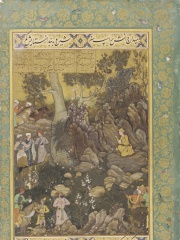
Abd al-Samad
1500 - 1593
HPI : 54.26
Rang : 1,876
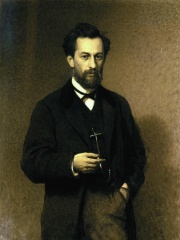
Mikhail Clodt von Jürgensburg
1832 - 1902
HPI : 54.25
Rang : 1,877
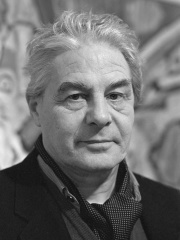
Lucebert
1924 - 1994
HPI : 54.23
Rang : 1,878
Thomas Hudson
1701 - 1779
HPI : 54.21
Rang : 1,879
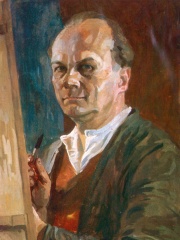
Jean Jacoby
1891 - 1936
HPI : 54.21
Rang : 1,880

Theodor Pallady
1871 - 1956
HPI : 54.21
Rang : 1,881
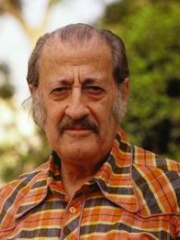
Moshe Castel
1909 - 1991
HPI : 54.18
Rang : 1,882
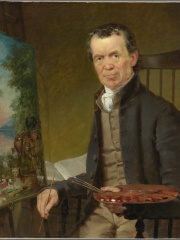
Edward Hicks
1780 - 1849
HPI : 54.18
Rang : 1,883
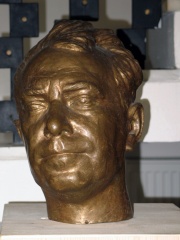
Ľudovít Fulla
1902 - 1980
HPI : 54.15
Rang : 1,884
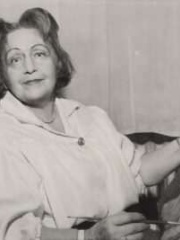
Maja Berezowska
1893 - 1978
HPI : 54.11
Rang : 1,885

Contemporains
Parmi les personnes nées en 1701, Thomas Hudson occupe le rang 16. Avant lui viennent Dmitry Laptev, Johan Agrell, Nicolai Eigtved, Johann Nikolaus von Hontheim, Wu Jingzi, et Johann Jakob Breitinger. Parmi les personnes décédées en 1779, Thomas Hudson occupe le rang 21. Avant lui viennent Pehr Kalm, Claude Bourgelat, Mohammad Ali Khan Zand, Johannes Burman, Kosmas the Aetolian, et Abol-Fath Khan Zand.
Autres personnes nées en 1701
Voir tous les classements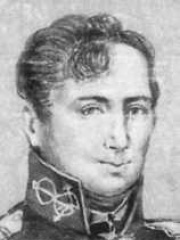
Dmitry Laptev
EXPLORER
1701 - 1771
HPI : 61.40
Rang : 10
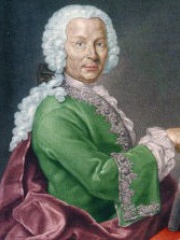
Johan Agrell
COMPOSER
1701 - 1765
HPI : 61.29
Rang : 11

Nicolai Eigtved
ARCHITECT
1701 - 1754
HPI : 60.60
Rang : 12

Johann Nikolaus von Hontheim
HISTORIAN
1701 - 1790
HPI : 60.45
Rang : 13
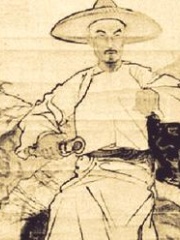
Wu Jingzi
WRITER
1701 - 1754
HPI : 60.23
Rang : 14
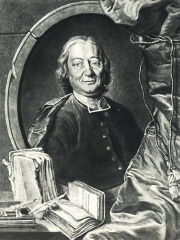
Johann Jakob Breitinger
WRITER
1701 - 1776
HPI : 56.81
Rang : 15
Thomas Hudson
PAINTER
1701 - 1779
HPI : 54.21
Rang : 16
Autres personnes décédées en 1779
Voir tous les classements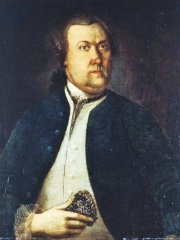
Pehr Kalm
BIOLOGIST
1716 - 1779
HPI : 60.26
Rang : 15
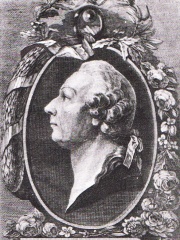
Claude Bourgelat
WRITER
1712 - 1779
HPI : 58.84
Rang : 16

Mohammad Ali Khan Zand
POLITICIAN
1760 - 1779
HPI : 58.62
Rang : 17
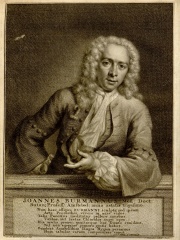
Johannes Burman
BIOLOGIST
1707 - 1779
HPI : 57.65
Rang : 18
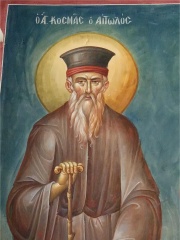
Kosmas the Aetolian
RELIGIOUS FIGURE
1714 - 1779
HPI : 57.06
Rang : 19

Abol-Fath Khan Zand
POLITICIAN
1755 - 1779
HPI : 55.01
Rang : 20
Thomas Hudson
PAINTER
1701 - 1779
HPI : 54.21
Rang : 21
En Royaume-Uni
Parmi les personnes nées en Royaume-Uni, Thomas Hudson occupe le rang 4,498 sur 9,870. Avant lui viennent Oliver Leese (1894), Birdy (1996), Gerald Finzi (1901), Bob Glendenning (1888), Lady Louise Windsor (2003), et William McGregor (1846). Après lui viennent David Burke (1934), Aaron Ramsey (1990), Tracey Ullman (1959), Raye (1997), Barbara Windsor (1937), et John Malcolm (1769).
Autres personnes nées en Royaume-Uni
Voir tous les classements
Oliver Leese
MILITARY PERSONNEL
1894 - 1978
HPI : 54.22
Rang : 4,492

Birdy
SINGER
1996 - présent
HPI : 54.22
Rang : 4,493

Gerald Finzi
COMPOSER
1901 - 1956
HPI : 54.22
Rang : 4,494
Bob Glendenning
SOCCER PLAYER
1888 - 1940
HPI : 54.22
Rang : 4,495

Lady Louise Windsor
NOBLEMAN
2003 - présent
HPI : 54.22
Rang : 4,496
William McGregor
BUSINESSPERSON
1846 - 1911
HPI : 54.22
Rang : 4,497
Thomas Hudson
PAINTER
1701 - 1779
HPI : 54.21
Rang : 4,498

David Burke
ACTOR
1934 - 2026
HPI : 54.20
Rang : 4,499
Aaron Ramsey
SOCCER PLAYER
1990 - présent
HPI : 54.20
Rang : 4,500
Tracey Ullman
COMEDIAN
1959 - présent
HPI : 54.20
Rang : 4,501

Raye
SINGER
1997 - présent
HPI : 54.19
Rang : 4,502
Barbara Windsor
ACTOR
1937 - 2020
HPI : 54.18
Rang : 4,503
John Malcolm
MILITARY PERSONNEL
1769 - 1833
HPI : 54.18
Rang : 4,504
Parmi les Peintre en Royaume-Uni
Parmi les Peintre nés en Royaume-Uni, Thomas Hudson occupe le rang 100. Avant lui viennent Samuel Palmer (1805), David Wilkie (1785), William Powell Frith (1819), Simeon Solomon (1840), David Payne (1843), et Edwin Long (1829). Après lui viennent David Octavius Hill (1802), Peter Doig (1959), George Clausen (1852), James Collinson (1825), John Opie (1761), et Peter Blake (1932).
Samuel Palmer
1805 - 1881
HPI : 54.91
Rang : 94
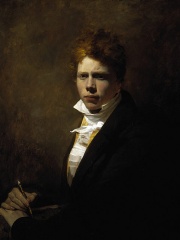
David Wilkie
1785 - 1841
HPI : 54.89
Rang : 95
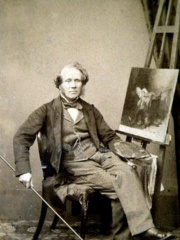
William Powell Frith
1819 - 1909
HPI : 54.59
Rang : 96
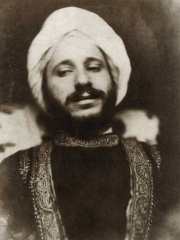
Simeon Solomon
1840 - 1905
HPI : 54.54
Rang : 97

David Payne
1843 - 1894
HPI : 54.38
Rang : 98
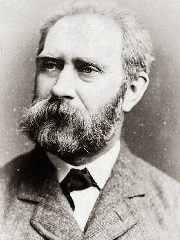
Edwin Long
1829 - 1891
HPI : 54.36
Rang : 99
Thomas Hudson
1701 - 1779
HPI : 54.21
Rang : 100
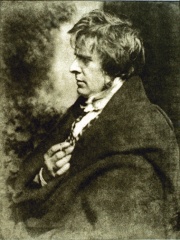
David Octavius Hill
1802 - 1870
HPI : 54.02
Rang : 101
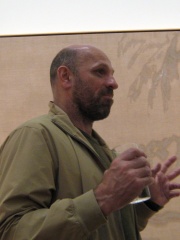
Peter Doig
1959 - présent
HPI : 54.02
Rang : 102
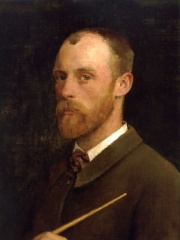
George Clausen
1852 - 1944
HPI : 53.84
Rang : 103
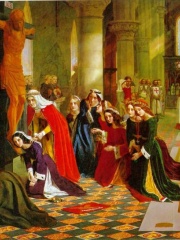
James Collinson
1825 - 1881
HPI : 53.65
Rang : 104
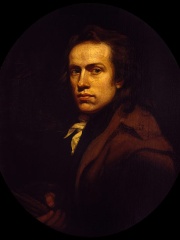
John Opie
1761 - 1807
HPI : 53.39
Rang : 105
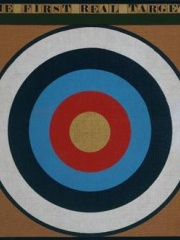
Peter Blake
1932 - présent
HPI : 53.37
Rang : 106




