作家
Thomas Heywood
1574 - 1641
 Thomas Heywood
Memorability Metrics
10k
Page Views
Past 12 months
52.60
HPI
Historical Popularity Index
Page views of Thomas Heywood by language
Among 作家
Among 作家, Thomas Heywood ranks 6,064 out of 7,302. Before him are Ľudmila Podjavorinská, Jiang Rong, Qaysin Quli, Harry Turtledove, Walker Percy, and Alexander Afinogenov. After him are Ella Wheeler Wilcox, Marie Pujmanová, Jean Rouaud, Carol Shields, Marilyn Ferguson, and François Nourissier.
Most Popular 作家 in Wikipedia
Go to all Rankings
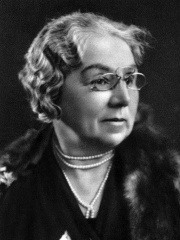
Ľudmila Podjavorinská
1872 - Present
HPI: 52.62
Rank: 6,058

Jiang Rong
1946 - Present
HPI: 52.62
Rank: 6,059

Qaysin Quli
1917 - 1985
HPI: 52.62
Rank: 6,060
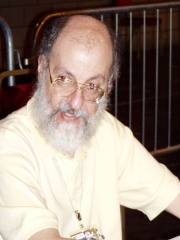
Harry Turtledove
1949 - Present
HPI: 52.62
Rank: 6,061
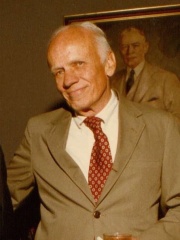
Walker Percy
1916 - 1990
HPI: 52.60
Rank: 6,062
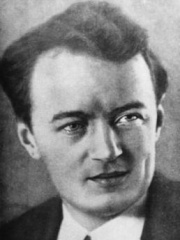
Alexander Afinogenov
1904 - 1941
HPI: 52.60
Rank: 6,063
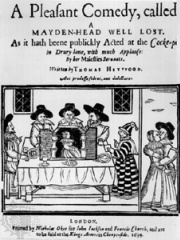
Thomas Heywood
1574 - 1641
HPI: 52.60
Rank: 6,064
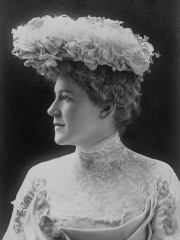
Ella Wheeler Wilcox
1850 - 1919
HPI: 52.60
Rank: 6,065
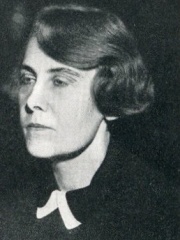
Marie Pujmanová
1893 - 1958
HPI: 52.59
Rank: 6,066

Jean Rouaud
1952 - Present
HPI: 52.59
Rank: 6,067
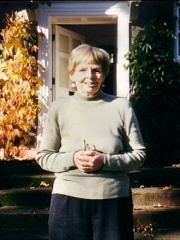
Carol Shields
1935 - 2003
HPI: 52.59
Rank: 6,068
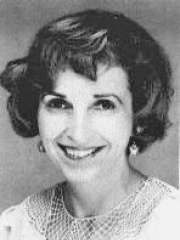
Marilyn Ferguson
1938 - 2008
HPI: 52.58
Rank: 6,069

François Nourissier
1927 - 2011
HPI: 52.58
Rank: 6,070

Contemporaries
Among people born in 1574, Thomas Heywood ranks 17. Before him are Qin Liangyu, Elisabeth of Lorraine, İbrahim Peçevi, Dorothea Maria of Anhalt, Frederick IV, Duke of Brunswick-Lüneburg, and John Wilbye. Among people deceased in 1641, Thomas Heywood ranks 19. Before him are Franciscus Gomarus, Michiel Jansz. van Mierevelt, Hedwig of Denmark, Adam van Noort, Pedro Teixeira, and Thomas Wentworth, 1st Earl of Strafford. After him is John Suckling.
Others Born in 1574
Go to all Rankings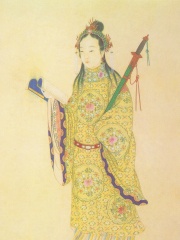
Qin Liangyu
MILITARY PERSONNEL
1574 - 1648
HPI: 62.19
Rank: 11
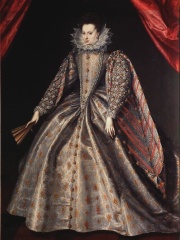
Elisabeth of Lorraine
POLITICIAN
1574 - 1635
HPI: 62.17
Rank: 12
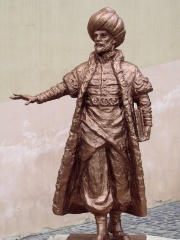
İbrahim Peçevi
HISTORIAN
1574 - 1650
HPI: 60.72
Rank: 13
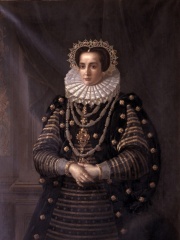
Dorothea Maria of Anhalt
NOBLEMAN
1574 - 1617
HPI: 59.56
Rank: 14
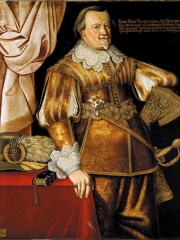
Frederick IV, Duke of Brunswick-Lüneburg
POLITICIAN
1574 - 1648
HPI: 57.73
Rank: 15

John Wilbye
COMPOSER
1574 - 1638
HPI: 56.21
Rank: 16
Thomas Heywood
WRITER
1574 - 1641
HPI: 52.60
Rank: 17
Others Deceased in 1641
Go to all Rankings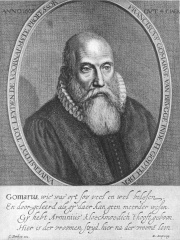
Franciscus Gomarus
PHILOSOPHER
1563 - 1641
HPI: 61.31
Rank: 13
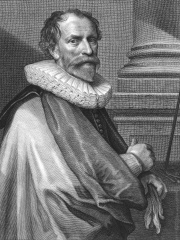
Michiel Jansz. van Mierevelt
PAINTER
1566 - 1641
HPI: 60.84
Rank: 14
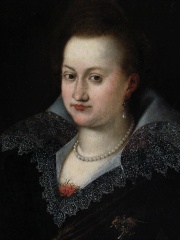
Hedwig of Denmark
COMPANION
1581 - 1641
HPI: 60.62
Rank: 15
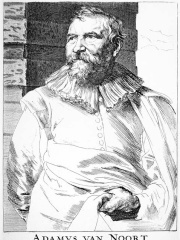
Adam van Noort
PAINTER
1562 - 1641
HPI: 59.39
Rank: 16
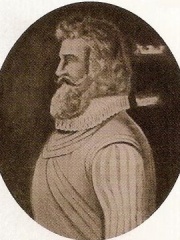
Pedro Teixeira
MILITARY PERSONNEL
1585 - 1641
HPI: 57.90
Rank: 17
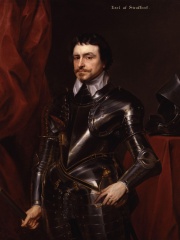
Thomas Wentworth, 1st Earl of Strafford
POLITICIAN
1593 - 1641
HPI: 56.44
Rank: 18
Thomas Heywood
WRITER
1574 - 1641
HPI: 52.60
Rank: 19
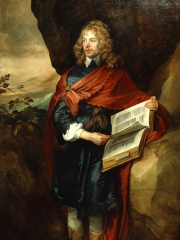
John Suckling
WRITER
1609 - 1641
HPI: 48.27
Rank: 20
In 英国
Among people born in 英国, Thomas Heywood ranks 5,041 out of NaN. Before him are Randolph Caldecott (1846), Hugh N. Kennedy (1947), John Henry Davies (1864), Edward Lhuyd (1660), Victor Johnson (1883), and Raymond Leppard (1927). After him are C. H. Dodd (1884), Ronald Drever (1931), Susan Hampshire (1937), Vashti Bunyan (1945), Conor Coady (1993), and Thomas Warton (1728).
Others born in 英国
Go to all Rankings
Randolph Caldecott
PAINTER
1846 - 1886
HPI: 52.62
Rank: 5,035

Hugh N. Kennedy
HISTORIAN
1947 - Present
HPI: 52.62
Rank: 5,036

John Henry Davies
BUSINESSPERSON
1864 - 1927
HPI: 52.62
Rank: 5,037
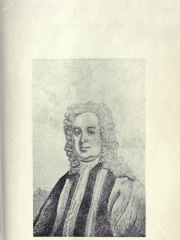
Edward Lhuyd
BIOLOGIST
1660 - 1709
HPI: 52.61
Rank: 5,038
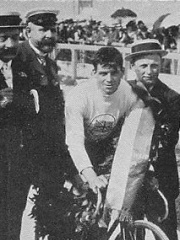
Victor Johnson
CYCLIST
1883 - 1951
HPI: 52.61
Rank: 5,039

Raymond Leppard
CONDUCTOR
1927 - 2019
HPI: 52.61
Rank: 5,040
Thomas Heywood
WRITER
1574 - 1641
HPI: 52.60
Rank: 5,041

C. H. Dodd
PHILOSOPHER
1884 - 1973
HPI: 52.59
Rank: 5,042
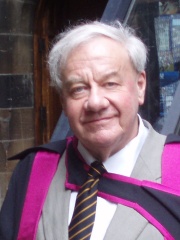
Ronald Drever
PHYSICIST
1931 - 2017
HPI: 52.59
Rank: 5,043
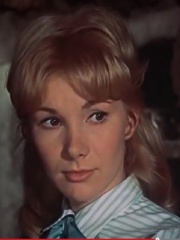
Susan Hampshire
ACTOR
1937 - Present
HPI: 52.59
Rank: 5,044
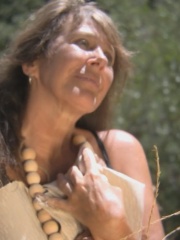
Vashti Bunyan
SINGER
1945 - Present
HPI: 52.58
Rank: 5,045
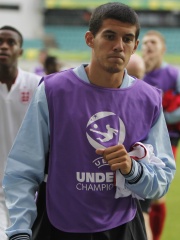
Conor Coady
SOCCER PLAYER
1993 - Present
HPI: 52.58
Rank: 5,046
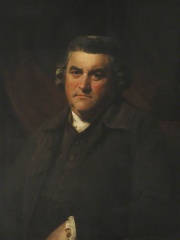
Thomas Warton
WRITER
1728 - 1790
HPI: 52.57
Rank: 5,047
Among 作家 In 英国
Among 作家 born in 英国, Thomas Heywood ranks 549. Before him are John Gardner (1926), Anthony Shaffer (1926), Iolo Morganwg (1747), Dan Houser (1974), Antonia Fraser (1932), and Thomas Campbell (1777). After him are Thomas Warton (1728), Edmund Gosse (1849), Ali Smith (1962), Darren Shan (1972), Frances Wright (1795), and Julian Symons (1912).
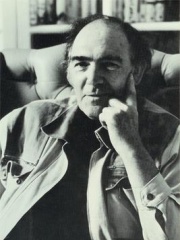
John Gardner
1926 - 2007
HPI: 52.76
Rank: 543

Anthony Shaffer
1926 - 2001
HPI: 52.75
Rank: 544
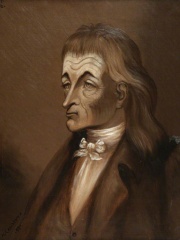
Iolo Morganwg
1747 - 1826
HPI: 52.72
Rank: 545

Dan Houser
1974 - Present
HPI: 52.68
Rank: 546
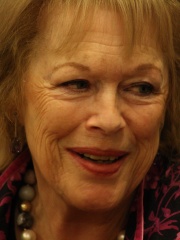
Antonia Fraser
1932 - Present
HPI: 52.67
Rank: 547
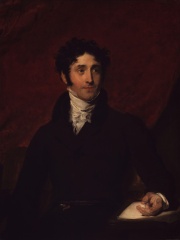
Thomas Campbell
1777 - 1844
HPI: 52.63
Rank: 548
Thomas Heywood
1574 - 1641
HPI: 52.60
Rank: 549
Thomas Warton
1728 - 1790
HPI: 52.57
Rank: 550
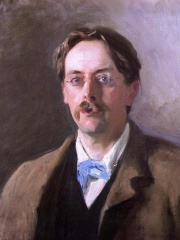
Edmund Gosse
1849 - 1928
HPI: 52.55
Rank: 551
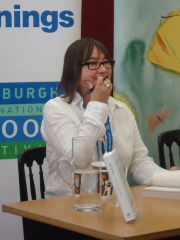
Ali Smith
1962 - Present
HPI: 52.50
Rank: 552

Darren Shan
1972 - Present
HPI: 52.47
Rank: 553
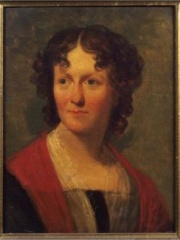
Frances Wright
1795 - 1852
HPI: 52.46
Rank: 554

Julian Symons
1912 - 1994
HPI: 52.44
Rank: 555




