政治家
Theodor Stolojan
1943 - 至今
ZH.WIKIPEDIA 页面浏览量 (PV)

 Theodor Stolojan
知名度指标
27k
页面浏览量
过去12个月
59.20
HPI
历史知名度指数
Theodor Stolojan的各语言页面浏览量
在政治家中
在政治家中,Theodor Stolojan排名第12,122位(共19,576人)。 排在他之前的有:Georg Heinrich von Görtz, Aníbal Pinto, Sergei Stanishev, Huseyn Shaheed Suhrawardy, Bernardino Caballero, 和Doryssus. 排在他之后的有:Gabriel Boric, Else Krüger, Luis Ángel González Macchi, Sancho, Count of Provence, Paullus Fabius Maximus, 和Princess Johanna Charlotte of Anhalt-Dessau.
维基百科上最受欢迎的政治家
查看全部排名
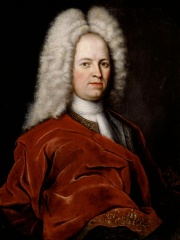
Georg Heinrich von Görtz
1668 - 1719
HPI: 59.20
排名: 12,122
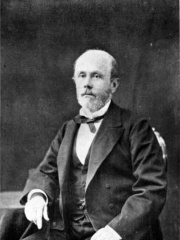
Aníbal Pinto
1825 - 1884
HPI: 59.20
排名: 12,123
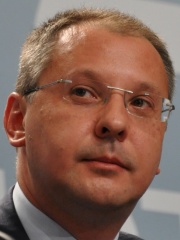
Sergei Stanishev
1966 - 至今
HPI: 59.20
排名: 12,124
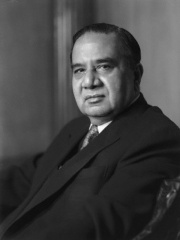
Huseyn Shaheed Suhrawardy
1892 - 1963
HPI: 59.20
排名: 12,125
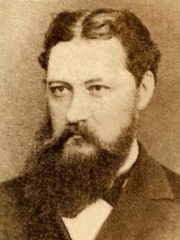
Bernardino Caballero
1839 - 1912
HPI: 59.20
排名: 12,126

Doryssus
HPI: 59.20
排名: 12,127
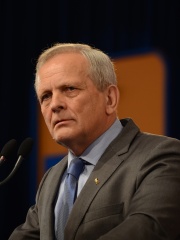
Theodor Stolojan
1943 - 至今
HPI: 59.20
排名: 12,128

Gabriel Boric
1986 - 至今
HPI: 59.20
排名: 12,129

Else Krüger
1915 - 2005
HPI: 59.19
排名: 12,130
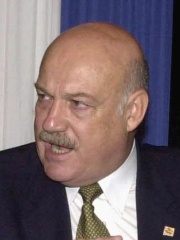
Luis Ángel González Macchi
1947 - 至今
HPI: 59.19
排名: 12,131
Sancho, Count of Provence
1161 - 1223
HPI: 59.19
排名: 12,132

Paullus Fabius Maximus
40 BC - 14
HPI: 59.19
排名: 12,133
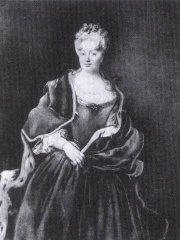
Princess Johanna Charlotte of Anhalt-Dessau
1682 - 1750
HPI: 59.19
排名: 12,134

同时代人物
在1943年出生的人中,Theodor Stolojan排名第325位。 排在他之前的有:Donald Johanson, James L. Elliot, Patrick D'Rozario, Manuel Velázquez, Muhammad al-Sadr, 和Michel Ocelot. 排在他之后的有:Ramón Grosso, Bjørn Wirkola, Michael Byrne, Tariq Ali, František Veselý, 和Larry Clark.
其他1943年出生的人
查看全部排名
Donald Johanson
ARCHAEOLOGIST
1943 - 至今
HPI: 59.37
排名: 319

James L. Elliot
ASTRONOMER
1943 - 2011
HPI: 59.37
排名: 320
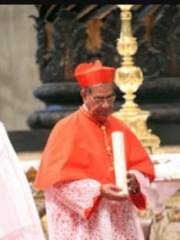
Patrick D'Rozario
RELIGIOUS FIGURE
1943 - 至今
HPI: 59.35
排名: 321
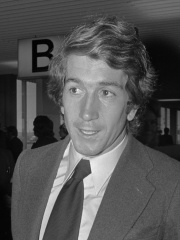
Manuel Velázquez
SOCCER PLAYER
1943 - 2016
HPI: 59.31
排名: 322

Muhammad al-Sadr
RELIGIOUS FIGURE
1943 - 1999
HPI: 59.29
排名: 323

Michel Ocelot
WRITER
1943 - 至今
HPI: 59.28
排名: 324
Theodor Stolojan
POLITICIAN
1943 - 至今
HPI: 59.20
排名: 325
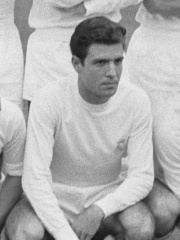
Ramón Grosso
SOCCER PLAYER
1943 - 2002
HPI: 59.19
排名: 326
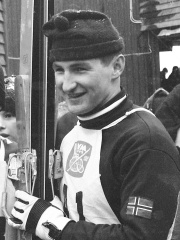
Bjørn Wirkola
SKIER
1943 - 至今
HPI: 59.18
排名: 327

Michael Byrne
ACTOR
1943 - 2026
HPI: 59.17
排名: 328
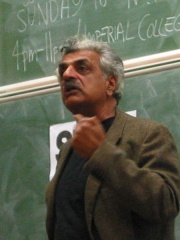
Tariq Ali
WRITER
1943 - 至今
HPI: 59.15
排名: 329
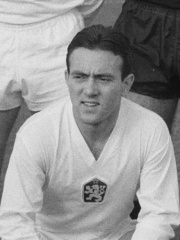
František Veselý
SOCCER PLAYER
1943 - 2009
HPI: 59.09
排名: 330

Larry Clark
FILM DIRECTOR
1943 - 至今
HPI: 59.09
排名: 331
在罗马尼亚
在出生于罗马尼亚的人中,Theodor Stolojan排名第257位(共NaN人)。 排在他之前的有:Ivan Patzaichin (1949), Elek Schwartz (1908), Nikolai Spathari (1636), Ágnes Esterházy (1891), Ion G. Duca (1879), 和Nicolae Ciucă (1967). 排在他之后的有:Franz Nopcsa von Felső-Szilvás (1877), Bertalan Székely (1835), Prince Arsen of Yugoslavia (1859), Nicolae Rădescu (1874), Dan Petrescu (1967), 和Miklós Bánffy (1873).

Ivan Patzaichin
ATHLETE
1949 - 2021
HPI: 59.40
排名: 251
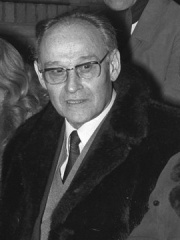
Elek Schwartz
SOCCER PLAYER
1908 - 2000
HPI: 59.34
排名: 252
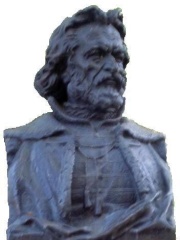
Nikolai Spathari
EXPLORER
1636 - 1708
HPI: 59.33
排名: 253
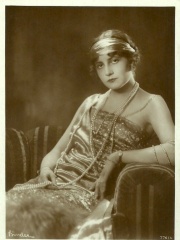
Ágnes Esterházy
ACTOR
1891 - 1956
HPI: 59.30
排名: 254
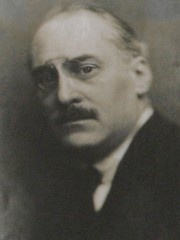
Ion G. Duca
POLITICIAN
1879 - 1933
HPI: 59.25
排名: 255
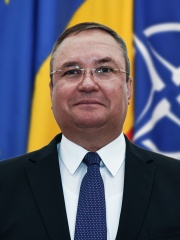
Nicolae Ciucă
POLITICIAN
1967 - 至今
HPI: 59.23
排名: 256
Theodor Stolojan
POLITICIAN
1943 - 至今
HPI: 59.20
排名: 257
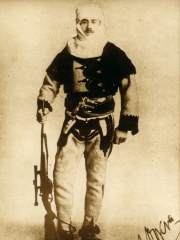
Franz Nopcsa von Felső-Szilvás
BIOLOGIST
1877 - 1933
HPI: 59.17
排名: 258
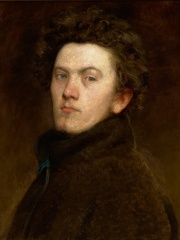
Bertalan Székely
PAINTER
1835 - 1910
HPI: 59.16
排名: 259
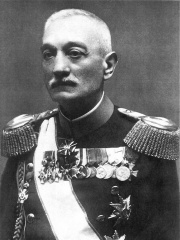
Prince Arsen of Yugoslavia
MILITARY PERSONNEL
1859 - 1938
HPI: 59.07
排名: 260
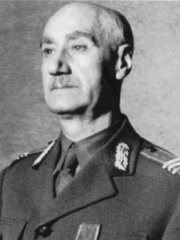
Nicolae Rădescu
POLITICIAN
1874 - 1953
HPI: 59.05
排名: 261

Dan Petrescu
COACH
1967 - 至今
HPI: 59.05
排名: 262
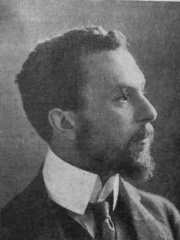
Miklós Bánffy
POLITICIAN
1873 - 1950
HPI: 59.04
排名: 263
在罗马尼亚的政治家中
在出生于罗马尼亚的政治家中,Theodor Stolojan排名第96位。 排在他之前的有:Kálmán Tisza (1830), Matei Basarab (1580), Nicolae Titulescu (1882), Titu Maiorescu (1840), Ion G. Duca (1879), 和Nicolae Ciucă (1967). 排在他之后的有:Nicolae Rădescu (1874), Miklós Bánffy (1873), Dimitrie Sturdza (1833), Nicolae Bălcescu (1819), György Klapka (1820), 和Dimitrie Ghica (1816).
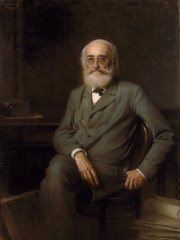
Kálmán Tisza
1830 - 1902
HPI: 60.18
排名: 90

Matei Basarab
1580 - 1654
HPI: 59.78
排名: 91
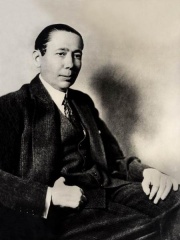
Nicolae Titulescu
1882 - 1941
HPI: 59.48
排名: 92
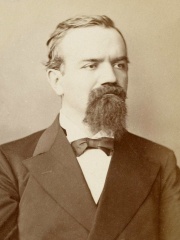
Titu Maiorescu
1840 - 1917
HPI: 59.44
排名: 93
Ion G. Duca
1879 - 1933
HPI: 59.25
排名: 94
Nicolae Ciucă
1967 - 至今
HPI: 59.23
排名: 95
Theodor Stolojan
1943 - 至今
HPI: 59.20
排名: 96
Nicolae Rădescu
1874 - 1953
HPI: 59.05
排名: 97
Miklós Bánffy
1873 - 1950
HPI: 59.04
排名: 98
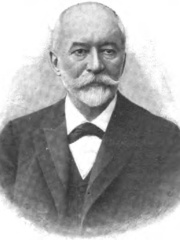
Dimitrie Sturdza
1833 - 1914
HPI: 58.88
排名: 99
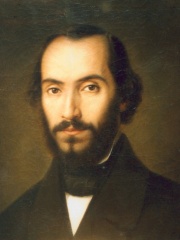
Nicolae Bălcescu
1819 - 1852
HPI: 58.87
排名: 100
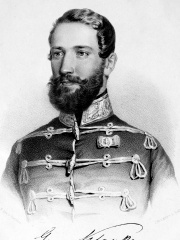
György Klapka
1820 - 1892
HPI: 58.81
排名: 101
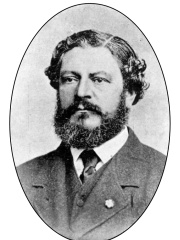
Dimitrie Ghica
1816 - 1897
HPI: 58.80
排名: 102




