Politician
Sverker II of Sweden
King of Sweden
1164 - 1210
EN.WIKIPEDIA PAGE VIEWS (PV)
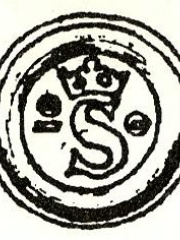
 Sverker II of Sweden
His biography is available in 27 different languages on Wikipedia. Sverker II of Sweden is the 4,456th most popular politician (up from 4,952nd in 2024), the 169th most popular biography from Sweden (up from 196th in 2019) and the 55th most popular Swedish Politician.
Sverker II was the king of Sweden from 1130-1156. He was the son of king Sverker I and Christina. King Sverker II is most famous for being the king of Sweden during the time of the Second Crusade.
Memorability Metrics
21k
Page Views
Past 12 months
67.25
HPI
Historical Popularity Index
Page views of Sverker II of Sweden by language
Among Politicians
Among politicians, Sverker II of Sweden ranks 4,454 out of 19,576. Before him are Sumu-abum, Christian Rakovsky, Maurice Thorez, Ildibad, Edigu, and Nicomedes IV of Bithynia. After him are Stefan Löfven, Yigal Allon, Tassilo III, Duke of Bavaria, Hans Modrow, Thomas of Bosnia, and Emperor Qianshao of Han.
Most Popular Politicians in Wikipedia
Go to all Rankings
Sumu-abum
2000 BC - 1960 BC
HPI: 67.25
Rank: 4,450
Christian Rakovsky
1873 - 1941
HPI: 67.25
Rank: 4,451
Maurice Thorez
1900 - 1964
HPI: 67.25
Rank: 4,452

Ildibad
450 - 541
HPI: 67.25
Rank: 4,453
Edigu
1352 - 1419
HPI: 67.25
Rank: 4,454
Nicomedes IV of Bithynia
200 BC - 74 BC
HPI: 67.25
Rank: 4,455
Sverker II of Sweden
1164 - 1210
HPI: 67.25
Rank: 4,456
Stefan Löfven
1957 - Present
HPI: 67.24
Rank: 4,457
Yigal Allon
1918 - 1980
HPI: 67.24
Rank: 4,458
Tassilo III, Duke of Bavaria
742 - 794
HPI: 67.24
Rank: 4,459
Hans Modrow
1928 - 2023
HPI: 67.24
Rank: 4,460
Thomas of Bosnia
1411 - 1461
HPI: 67.24
Rank: 4,461

Emperor Qianshao of Han
150 BC - 184 BC
HPI: 67.24
Rank: 4,462

Contemporaries
Among people born in 1164, Sverker II of Sweden ranks 2. Before him is Qasar. After him are Emperor Rokujō, Frederick V, Duke of Swabia, Simon Stock, and Margaret, Countess of Blois. Among people deceased in 1210, Sverker II of Sweden ranks 5. Before him are Qutb al-Din Aibak, Arnaut Daniel, Geoffrey of Villehardouin, and Hartmann von Aue. After him are Lu You, Walter Map, and Philippa of Armenia.
Others Born in 1164
Go to all Rankings
Qasar
POLITICIAN
1164 - 1214
HPI: 70.00
Rank: 1
Sverker II of Sweden
POLITICIAN
1164 - 1210
HPI: 67.25
Rank: 2
Emperor Rokujō
POLITICIAN
1164 - 1176
HPI: 65.43
Rank: 3
Frederick V, Duke of Swabia
POLITICIAN
1164 - 1170
HPI: 64.61
Rank: 4
Simon Stock
RELIGIOUS FIGURE
1164 - 1265
HPI: 63.85
Rank: 5
Margaret, Countess of Blois
POLITICIAN
1164 - 1230
HPI: 61.10
Rank: 6
Others Deceased in 1210
Go to all Rankings
Qutb al-Din Aibak
POLITICIAN
1150 - 1210
HPI: 75.54
Rank: 1
Arnaut Daniel
MUSICIAN
1150 - 1210
HPI: 70.29
Rank: 2
Geoffrey of Villehardouin
HISTORIAN
1150 - 1210
HPI: 69.24
Rank: 3
Hartmann von Aue
WRITER
1160 - 1210
HPI: 68.24
Rank: 4
Sverker II of Sweden
POLITICIAN
1164 - 1210
HPI: 67.25
Rank: 5
Lu You
WRITER
1125 - 1210
HPI: 66.71
Rank: 6
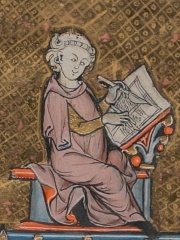
Walter Map
WRITER
1140 - 1210
HPI: 57.52
Rank: 7
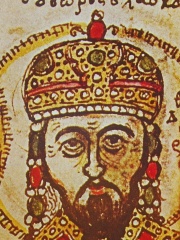
Philippa of Armenia
POLITICIAN
1183 - 1210
HPI: 50.95
Rank: 8
In Sweden
Among people born in Sweden, Sverker II of Sweden ranks 169 out of NaN. Before him are Rebecca Ferguson (1983), Adam Afzelius (1750), Sigvard Bernadotte (1907), Harriet Andersson (1932), Margaret Leijonhufvud (1516), and Loreen (1983). After him are Stefan Löfven (1957), Karin Månsdotter (1550), Eric XI of Sweden (1216), Tage Erlander (1901), Sten Sture the Elder (1440), and Roy Andersson (1943).
Others born in Sweden
Go to all Rankings
Rebecca Ferguson
ACTOR
1983 - Present
HPI: 67.47
Rank: 163
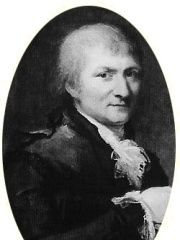
Adam Afzelius
BIOLOGIST
1750 - 1837
HPI: 67.45
Rank: 164
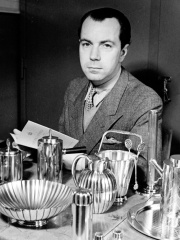
Sigvard Bernadotte
POLITICIAN
1907 - 2002
HPI: 67.43
Rank: 165
Harriet Andersson
ACTOR
1932 - Present
HPI: 67.33
Rank: 166
Margaret Leijonhufvud
COMPANION
1516 - 1551
HPI: 67.28
Rank: 167
Loreen
SINGER
1983 - Present
HPI: 67.26
Rank: 168
Sverker II of Sweden
POLITICIAN
1164 - 1210
HPI: 67.25
Rank: 169
Stefan Löfven
POLITICIAN
1957 - Present
HPI: 67.24
Rank: 170
Karin Månsdotter
COMPANION
1550 - 1612
HPI: 67.22
Rank: 171
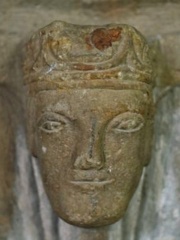
Eric XI of Sweden
POLITICIAN
1216 - 1250
HPI: 67.21
Rank: 172
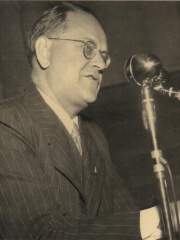
Tage Erlander
POLITICIAN
1901 - 1985
HPI: 67.19
Rank: 173
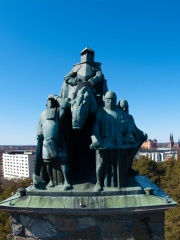
Sten Sture the Elder
POLITICIAN
1440 - 1503
HPI: 67.15
Rank: 174
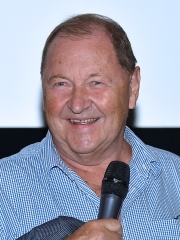
Roy Andersson
FILM DIRECTOR
1943 - Present
HPI: 67.14
Rank: 175
Among Politicians In Sweden
Among politicians born in Sweden, Sverker II of Sweden ranks 55. Before him are Halsten Stenkilsson (1050), Prince Wilhelm, Duke of Södermanland (1884), Magnus III of Sweden (1240), Sten Sture the Younger (1493), Carl Johan Bernadotte (1916), and Sigvard Bernadotte (1907). After him are Stefan Löfven (1957), Eric XI of Sweden (1216), Tage Erlander (1901), Sten Sture the Elder (1440), Prince Eugen, Duke of Närke (1865), and Emund the Old (1030).

Halsten Stenkilsson
1050 - 1081
HPI: 68.07
Rank: 49
Prince Wilhelm, Duke of Södermanland
1884 - 1965
HPI: 68.04
Rank: 50
Magnus III of Sweden
1240 - 1290
HPI: 67.72
Rank: 51
Sten Sture the Younger
1493 - 1520
HPI: 67.70
Rank: 52
Carl Johan Bernadotte
1916 - 2012
HPI: 67.55
Rank: 53
Sigvard Bernadotte
1907 - 2002
HPI: 67.43
Rank: 54
Sverker II of Sweden
1164 - 1210
HPI: 67.25
Rank: 55
Stefan Löfven
1957 - Present
HPI: 67.24
Rank: 56
Eric XI of Sweden
1216 - 1250
HPI: 67.21
Rank: 57
Tage Erlander
1901 - 1985
HPI: 67.19
Rank: 58
Sten Sture the Elder
1440 - 1503
HPI: 67.15
Rank: 59
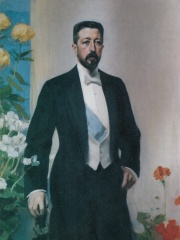
Prince Eugen, Duke of Närke
1865 - 1947
HPI: 67.13
Rank: 60

Emund the Old
1030 - 1060
HPI: 66.90
Rank: 61




