Политик
Stefan Löfven
1957 - настоящее время
RU.WIKIPEDIA PAGE VIEWS (PV)
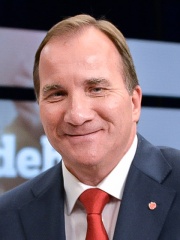

 Stefan Löfven
Его биография доступна на 71 различных языках в Википедии. Stefan Löfven занимает 4457-е место среди самых популярных политик (снижение с 3213-е места в 2024 году), занимает 170-е место среди самых популярных биографий из Швеции (снижение с 130-е места в 2019 году) и занимает 56-е место среди политик Швеция.
Memorability Metrics
140k
Page Views
Past 12 months
67.24
HPI
Historical Popularity Index
Page views of Stefan Löfven by language
Among Политик
Among политик, Stefan Löfven ranks 4,455 out of 19,576. Before him are Christian Rakovsky, Maurice Thorez, Ildibad, Edigu, Nicomedes IV of Bithynia, and Sverker II of Sweden. After him are Yigal Allon, Tassilo III, Duke of Bavaria, Hans Modrow, Thomas of Bosnia, Emperor Qianshao of Han, and Adela of France.
Most Popular Политик in Wikipedia
Go to all Rankings
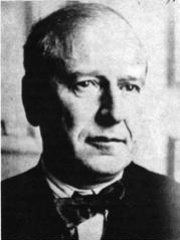
Christian Rakovsky
1873 - 1941
HPI: 67.25
Rank: 4,451
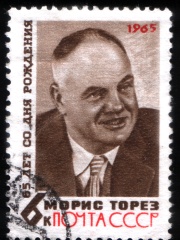
Maurice Thorez
1900 - 1964
HPI: 67.25
Rank: 4,452

Ildibad
450 - 541
HPI: 67.25
Rank: 4,453
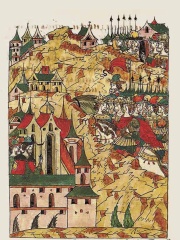
Edigu
1352 - 1419
HPI: 67.25
Rank: 4,454
Nicomedes IV of Bithynia
200 BC - 74 BC
HPI: 67.25
Rank: 4,455
Sverker II of Sweden
1164 - 1210
HPI: 67.25
Rank: 4,456
Stefan Löfven
1957 - Present
HPI: 67.24
Rank: 4,457
Yigal Allon
1918 - 1980
HPI: 67.24
Rank: 4,458
Tassilo III, Duke of Bavaria
742 - 794
HPI: 67.24
Rank: 4,459
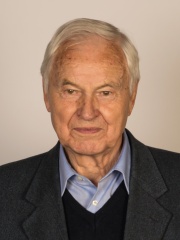
Hans Modrow
1928 - 2023
HPI: 67.24
Rank: 4,460
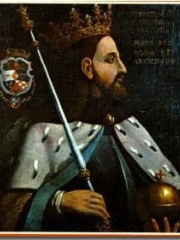
Thomas of Bosnia
1411 - 1461
HPI: 67.24
Rank: 4,461

Emperor Qianshao of Han
150 BC - 184 BC
HPI: 67.24
Rank: 4,462
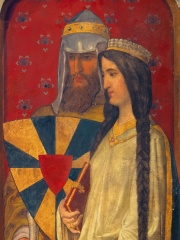
Adela of France
1009 - 1079
HPI: 67.24
Rank: 4,463

Contemporaries
Among people born in 1957, Stefan Löfven ranks 41. Before him are Dr. Alban, Steve Witkoff, Richard E. Grant, Spike Lee, Dani Rodrik, and Peter North. After him are Kelly McGillis, Rumiko Takahashi, Bruce Beutler, Masayoshi Son, Ai Weiwei, and Ivo Josipović.
Others Born in 1957
Go to all Rankings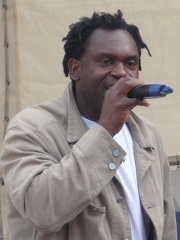
Dr. Alban
MUSICIAN
1957 - Present
HPI: 68.88
Rank: 35
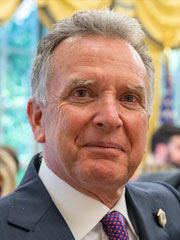
Steve Witkoff
BUSINESSPERSON
1957 - Present
HPI: 68.86
Rank: 36
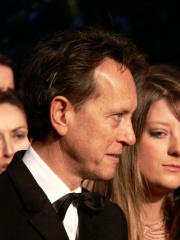
Richard E. Grant
ACTOR
1957 - Present
HPI: 68.80
Rank: 37
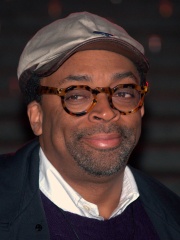
Spike Lee
FILM DIRECTOR
1957 - Present
HPI: 68.04
Rank: 38
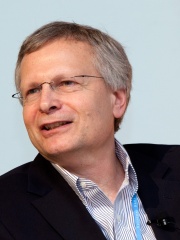
Dani Rodrik
ECONOMIST
1957 - Present
HPI: 68.02
Rank: 39
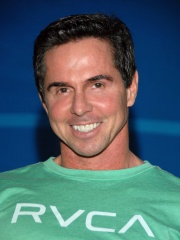
Peter North
PORNOGRAPHIC ACTOR
1957 - Present
HPI: 67.77
Rank: 40
Stefan Löfven
POLITICIAN
1957 - Present
HPI: 67.24
Rank: 41
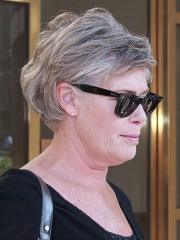
Kelly McGillis
ACTOR
1957 - Present
HPI: 67.24
Rank: 42

Rumiko Takahashi
COMIC ARTIST
1957 - Present
HPI: 67.23
Rank: 43
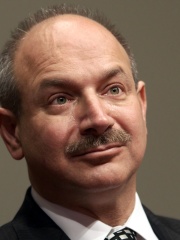
Bruce Beutler
BIOLOGIST
1957 - Present
HPI: 67.13
Rank: 44
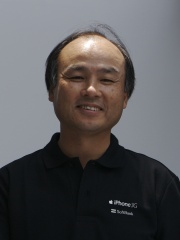
Masayoshi Son
BUSINESSPERSON
1957 - Present
HPI: 66.80
Rank: 45
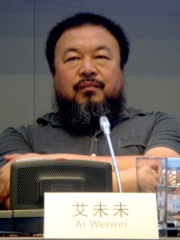
Ai Weiwei
ARTIST
1957 - Present
HPI: 66.63
Rank: 46
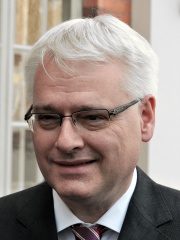
Ivo Josipović
POLITICIAN
1957 - Present
HPI: 66.56
Rank: 47
In Швеция
Among people born in Швеция, Stefan Löfven ranks 170 out of NaN. Before him are Adam Afzelius (1750), Sigvard Bernadotte (1907), Harriet Andersson (1932), Margaret Leijonhufvud (1516), Loreen (1983), and Sverker II of Sweden (1164). After him are Karin Månsdotter (1550), Eric XI of Sweden (1216), Tage Erlander (1901), Sten Sture the Elder (1440), Roy Andersson (1943), and Carl Linnaeus the Younger (1741).
Others born in Швеция
Go to all Rankings
Adam Afzelius
BIOLOGIST
1750 - 1837
HPI: 67.45
Rank: 164
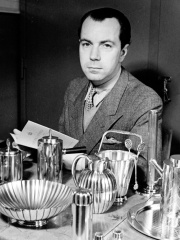
Sigvard Bernadotte
POLITICIAN
1907 - 2002
HPI: 67.43
Rank: 165
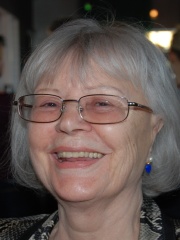
Harriet Andersson
ACTOR
1932 - Present
HPI: 67.33
Rank: 166
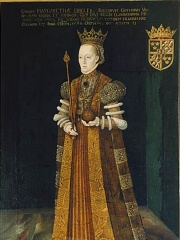
Margaret Leijonhufvud
COMPANION
1516 - 1551
HPI: 67.28
Rank: 167
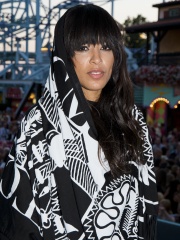
Loreen
SINGER
1983 - Present
HPI: 67.26
Rank: 168
Sverker II of Sweden
POLITICIAN
1164 - 1210
HPI: 67.25
Rank: 169
Stefan Löfven
POLITICIAN
1957 - Present
HPI: 67.24
Rank: 170
Karin Månsdotter
COMPANION
1550 - 1612
HPI: 67.22
Rank: 171
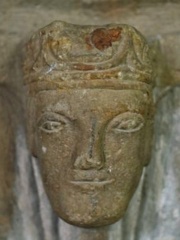
Eric XI of Sweden
POLITICIAN
1216 - 1250
HPI: 67.21
Rank: 172
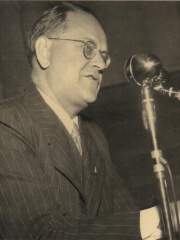
Tage Erlander
POLITICIAN
1901 - 1985
HPI: 67.19
Rank: 173
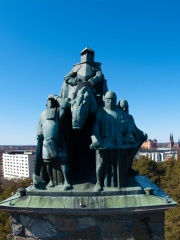
Sten Sture the Elder
POLITICIAN
1440 - 1503
HPI: 67.15
Rank: 174
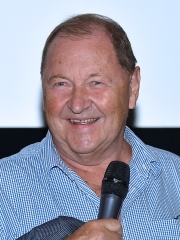
Roy Andersson
FILM DIRECTOR
1943 - Present
HPI: 67.14
Rank: 175
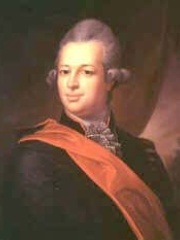
Carl Linnaeus the Younger
BIOLOGIST
1741 - 1783
HPI: 67.13
Rank: 176
Among Политик In Швеция
Among политик born in Швеция, Stefan Löfven ranks 56. Before him are Prince Wilhelm, Duke of Södermanland (1884), Magnus III of Sweden (1240), Sten Sture the Younger (1493), Carl Johan Bernadotte (1916), Sigvard Bernadotte (1907), and Sverker II of Sweden (1164). After him are Eric XI of Sweden (1216), Tage Erlander (1901), Sten Sture the Elder (1440), Prince Eugen, Duke of Närke (1865), Emund the Old (1030), and Carl Bildt (1949).
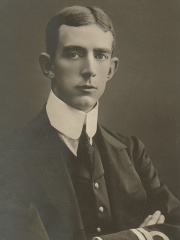
Prince Wilhelm, Duke of Södermanland
1884 - 1965
HPI: 68.04
Rank: 50
Magnus III of Sweden
1240 - 1290
HPI: 67.72
Rank: 51
Sten Sture the Younger
1493 - 1520
HPI: 67.70
Rank: 52
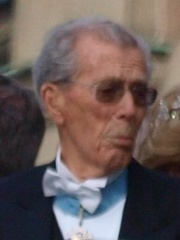
Carl Johan Bernadotte
1916 - 2012
HPI: 67.55
Rank: 53
Sigvard Bernadotte
1907 - 2002
HPI: 67.43
Rank: 54
Sverker II of Sweden
1164 - 1210
HPI: 67.25
Rank: 55
Stefan Löfven
1957 - Present
HPI: 67.24
Rank: 56
Eric XI of Sweden
1216 - 1250
HPI: 67.21
Rank: 57
Tage Erlander
1901 - 1985
HPI: 67.19
Rank: 58
Sten Sture the Elder
1440 - 1503
HPI: 67.15
Rank: 59
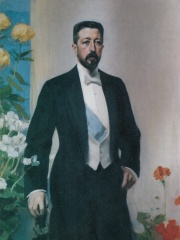
Prince Eugen, Duke of Närke
1865 - 1947
HPI: 67.13
Rank: 60

Emund the Old
1030 - 1060
HPI: 66.90
Rank: 61
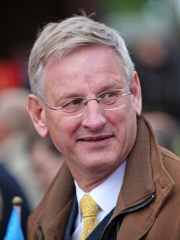
Carl Bildt
1949 - Present
HPI: 66.80
Rank: 62




