Fußballspieler
Stefan Reuter
1966 - heute
DE.WIKIPEDIA-SEITENAUFRUFE (PV)

 Stefan Reuter
Seine Biografie ist in 36 verschiedenen Sprachen auf Wikipedia verfügbar (gestiegen von 35 im Jahr 2024). Stefan Reuter ist der 1,982nd beliebteste Fußballspieler (gesunken vom 1,856th im Jahr 2024), die 3,993rd beliebteste Biografie aus Deutschland (gesunken vom 3,863rd im Jahr 2019) und der 138th beliebteste aus Deutschland Fußballspieler.
Bekanntheitsmetriken
85k
Seitenaufrufe
Letzte 12 Monate
58.11
HPI
Historischer Popularitätsindex
Seitenaufrufe von Stefan Reuter nach Sprache
Unter Fußballspieler
Unter Fußballspieler belegt Stefan Reuter Rang 1,978 von 21,273. Vor ihm stehen Joaquim Carvalho, Yuji Nakayoshi, Marcos Senna, Tamotsu Suzuki, Mario Perazzolo, und Martín Palermo. Nach ihm folgen Frenkie de Jong, Rudolf Krčil, Julio Abbadie, Antonio Roma, Néstor Rossi, und Ian Wright.
Die beliebtesten Fußballspieler auf Wikipedia
Zu allen Ranglisten
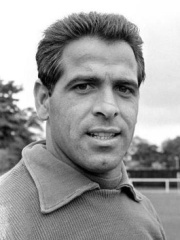
Joaquim Carvalho
1937 - 2022
HPI: 58.12
Rang: 1,976

Yuji Nakayoshi
1972 - heute
HPI: 58.11
Rang: 1,977
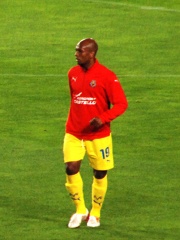
Marcos Senna
1976 - heute
HPI: 58.11
Rang: 1,978

Tamotsu Suzuki
1947 - 2025
HPI: 58.11
Rang: 1,979
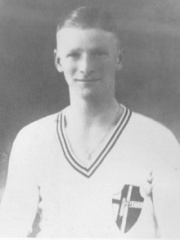
Mario Perazzolo
1911 - 2001
HPI: 58.11
Rang: 1,980

Martín Palermo
1973 - heute
HPI: 58.11
Rang: 1,981
Stefan Reuter
1966 - heute
HPI: 58.11
Rang: 1,982

Frenkie de Jong
1997 - heute
HPI: 58.11
Rang: 1,983

Rudolf Krčil
1906 - 1981
HPI: 58.11
Rang: 1,984
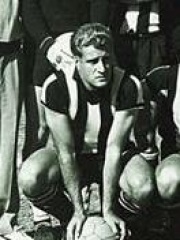
Julio Abbadie
1930 - 2014
HPI: 58.09
Rang: 1,985
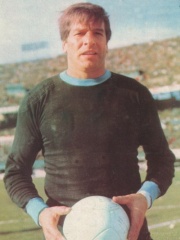
Antonio Roma
1932 - 2013
HPI: 58.09
Rang: 1,986
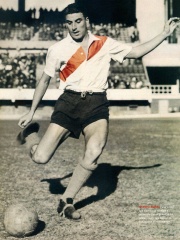
Néstor Rossi
1925 - 2007
HPI: 58.08
Rang: 1,987

Ian Wright
1963 - heute
HPI: 58.08
Rang: 1,988

Zeitgenossen
Unter den im Jahr 1966 Geborenen belegt Stefan Reuter Rang 150. Vor ihm stehen Glenn Youngkin, Kiko, Princess Akishino, Abel Balbo, Cheb Mami, Bill Goldberg, und Timo Tolkki. Nach ihm folgen Deborah Kara Unger, Jason Flemyng, Hossam Hassan, Emil Boc, Yahya Ayyash, und Johan Renck.
Weitere im Jahr 1966 Geborene
Zu allen Ranglisten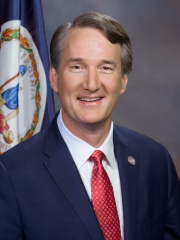
Glenn Youngkin
POLITICIAN
1966 - heute
HPI: 58.38
Rang: 144

Kiko, Princess Akishino
NOBLEMAN
1966 - heute
HPI: 58.35
Rang: 145

Abel Balbo
SOCCER PLAYER
1966 - heute
HPI: 58.33
Rang: 146

Cheb Mami
SINGER
1966 - heute
HPI: 58.19
Rang: 147

Bill Goldberg
WRESTLER
1966 - heute
HPI: 58.13
Rang: 148

Timo Tolkki
MUSICIAN
1966 - heute
HPI: 58.12
Rang: 149
Stefan Reuter
SOCCER PLAYER
1966 - heute
HPI: 58.11
Rang: 150

Deborah Kara Unger
ACTOR
1966 - heute
HPI: 58.07
Rang: 151

Jason Flemyng
ACTOR
1966 - heute
HPI: 58.04
Rang: 152

Hossam Hassan
SOCCER PLAYER
1966 - heute
HPI: 58.03
Rang: 153

Emil Boc
POLITICIAN
1966 - heute
HPI: 57.99
Rang: 154
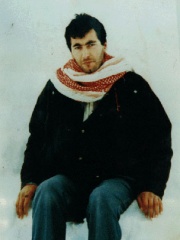
Yahya Ayyash
ENGINEER
1966 - 1996
HPI: 57.97
Rang: 155

Johan Renck
FILM DIRECTOR
1966 - heute
HPI: 57.96
Rang: 156
In Deutschland
Unter den in Deutschland Geborenen belegt Stefan Reuter Rang 3,993 von NaN. Vor ihm stehen Wilfried Dietrich (1933), Andrey Osterman (1686), Jacques Mieses (1865), Cem Özdemir (1965), Walter Momper (1945), und Dorothea Marie of Saxe-Gotha-Altenburg (1674). Nach ihm folgen Walter von Brockdorff-Ahlefeldt (1887), Heinrich Zille (1858), Wolfgang Staudte (1906), Wilferd Madelung (1930), Eva Justin (1909), und Princess Caroline Louise of Saxe-Weimar-Eisenach (1786).
Weitere in Deutschland geborene Personen
Zu allen Ranglisten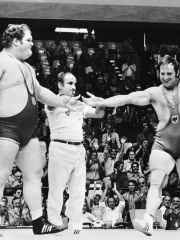
Wilfried Dietrich
WRESTLER
1933 - 1992
HPI: 58.13
Rang: 3,987
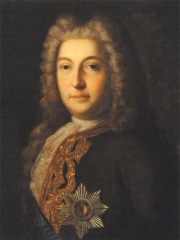
Andrey Osterman
POLITICIAN
1686 - 1747
HPI: 58.13
Rang: 3,988
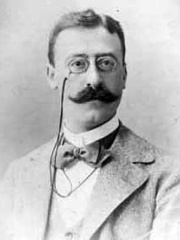
Jacques Mieses
CHESS PLAYER
1865 - 1954
HPI: 58.12
Rang: 3,989

Cem Özdemir
POLITICIAN
1965 - heute
HPI: 58.11
Rang: 3,990

Walter Momper
POLITICIAN
1945 - heute
HPI: 58.11
Rang: 3,991

Dorothea Marie of Saxe-Gotha-Altenburg
POLITICIAN
1674 - 1713
HPI: 58.11
Rang: 3,992
Stefan Reuter
SOCCER PLAYER
1966 - heute
HPI: 58.11
Rang: 3,993
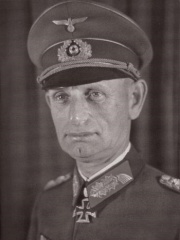
Walter von Brockdorff-Ahlefeldt
MILITARY PERSONNEL
1887 - 1943
HPI: 58.11
Rang: 3,994

Heinrich Zille
PHOTOGRAPHER
1858 - 1929
HPI: 58.11
Rang: 3,995

Wolfgang Staudte
FILM DIRECTOR
1906 - 1984
HPI: 58.11
Rang: 3,996

Wilferd Madelung
WRITER
1930 - 2023
HPI: 58.10
Rang: 3,997
Eva Justin
POLITICIAN
1909 - 1966
HPI: 58.10
Rang: 3,998

Princess Caroline Louise of Saxe-Weimar-Eisenach
NOBLEMAN
1786 - 1816
HPI: 58.10
Rang: 3,999
Unter Fußballspieler in Deutschland
Unter den in Deutschland geborenen Fußballspieler belegt Stefan Reuter Rang 138. Vor ihm stehen André Schürrle (1990), Joshua Kimmich (1995), Albert Brülls (1937), Ulrich Biesinger (1933), Ernst Albrecht (1907), und Thomas Berthold (1964). Nach ihm folgen Willi Koslowski (1937), Wolfgang Dremmler (1954), Karl Mai (1928), Otto Siffling (1912), Uwe Rahn (1962), und Bernd Förster (1956).

André Schürrle
1990 - heute
HPI: 58.36
Rang: 132

Joshua Kimmich
1995 - heute
HPI: 58.31
Rang: 133

Albert Brülls
1937 - 2004
HPI: 58.31
Rang: 134

Ulrich Biesinger
1933 - 2011
HPI: 58.30
Rang: 135
Ernst Albrecht
1907 - 1976
HPI: 58.24
Rang: 136

Thomas Berthold
1964 - heute
HPI: 58.20
Rang: 137
Stefan Reuter
1966 - heute
HPI: 58.11
Rang: 138

Willi Koslowski
1937 - 2024
HPI: 58.08
Rang: 139

Wolfgang Dremmler
1954 - heute
HPI: 58.06
Rang: 140

Karl Mai
1928 - 1993
HPI: 58.05
Rang: 141
Otto Siffling
1912 - 1939
HPI: 58.04
Rang: 142

Uwe Rahn
1962 - heute
HPI: 57.97
Rang: 143

Bernd Förster
1956 - heute
HPI: 57.95
Rang: 144




