Politikus
Skandagupta
500 - 467

 Skandagupta
Életrajza 28 különböző nyelven érhető el a Wikipédián (növekedés 25-ről 2024-ben). Skandagupta a 12,161st legnépszerűbb politikus (csökkenés a 10,268th-ről 2024-ben), a 472nd legnépszerűbb életrajz India országából (csökkenés a 365th-ről 2019-ben) és a 155th legnépszerűbb Indiaból politikus.
Ismertségi mutatók
41k
Oldalmegtekintések
Elmúlt 12 hónap
59.17
HPI
Történelmi népszerűségi index
Skandagupta oldalmegtekintései nyelvenként
A(z) Politikus között
A(z) Politikus között Skandagupta a(z) 12,155. helyen áll 19,576 közül. Előtte állnak: Turki bin Said, Frederick VI, Landgrave of Hesse-Homburg, Mehmet Ali Talat, Gordon Bajnai, Taxiles, és Bartolomeo Gradenigo. Utána következnek: Luigi Pelloux, Emilie of Saxony, Ioannis Rallis, Geoffrey III, Count of Anjou, William Christoph, Landgrave of Hesse-Homburg, és Giuseppe Volpi.
A legnépszerűbb Politikus a Wikipédián
Összes rangsor megtekintése
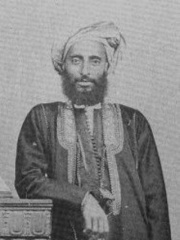
Turki bin Said
1832 - 1888
HPI: 59.17
Helyezés: 12,155

Frederick VI, Landgrave of Hesse-Homburg
1769 - 1829
HPI: 59.17
Helyezés: 12,156

Mehmet Ali Talat
1952 - napjainkig
HPI: 59.17
Helyezés: 12,157

Gordon Bajnai
1968 - napjainkig
HPI: 59.17
Helyezés: 12,158
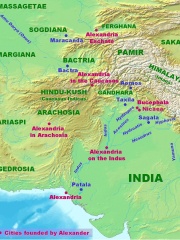
Taxiles
400 BC - 360 BC
HPI: 59.17
Helyezés: 12,159

Bartolomeo Gradenigo
1260 - 1342
HPI: 59.17
Helyezés: 12,160
Skandagupta
500 - 467
HPI: 59.17
Helyezés: 12,161
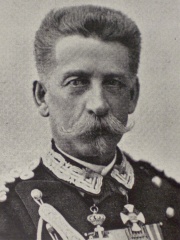
Luigi Pelloux
1839 - 1924
HPI: 59.17
Helyezés: 12,162
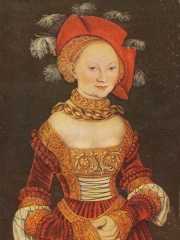
Emilie of Saxony
1516 - 1591
HPI: 59.16
Helyezés: 12,163
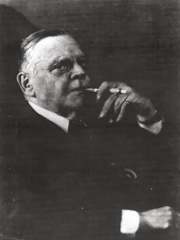
Ioannis Rallis
1878 - 1946
HPI: 59.16
Helyezés: 12,164

Geoffrey III, Count of Anjou
1040 - 1097
HPI: 59.16
Helyezés: 12,165
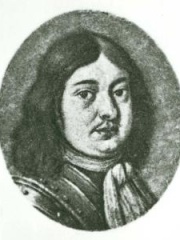
William Christoph, Landgrave of Hesse-Homburg
1625 - 1681
HPI: 59.16
Helyezés: 12,166
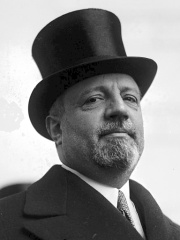
Giuseppe Volpi
1877 - 1947
HPI: 59.16
Helyezés: 12,167

Kortársak
A(z) 500. évben születettek között Skandagupta a(z) 50. helyen áll. Előtte állnak: Theodoric Strabo, Al-Mundhir III ibn al-Nu'man, Eutharic, Amalaberga, Godomar I, és Remismund. Utána következnek: Shudraka, Oisc of Kent, Peter the Patrician, Marcia Euphemia, Sittas, és Arator. A(z) 467. évben elhunytak között Skandagupta a(z) 1. helyen áll.
További személyek, akik a(z) 500. évben születtek
Összes rangsor megtekintése
Theodoric Strabo
POLITICIAN
500 - 481
HPI: 60.58
Helyezés: 44
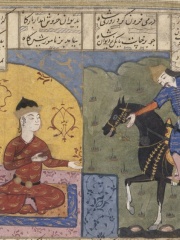
Al-Mundhir III ibn al-Nu'man
POLITICIAN
500 - 554
HPI: 60.52
Helyezés: 45
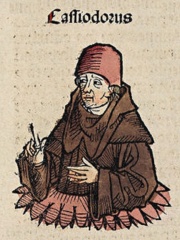
Eutharic
POLITICIAN
500 - 522
HPI: 60.36
Helyezés: 46

Amalaberga
POLITICIAN
500 - 540
HPI: 60.22
Helyezés: 47

Godomar I
NOBLEMAN
500 - 486
HPI: 60.12
Helyezés: 48

Remismund
POLITICIAN
500 - 469
HPI: 59.97
Helyezés: 49
Skandagupta
POLITICIAN
500 - 467
HPI: 59.17
Helyezés: 50

Shudraka
WRITER
500 - 500
HPI: 59.12
Helyezés: 51

Oisc of Kent
POLITICIAN
500 - 512
HPI: 59.10
Helyezés: 52

Peter the Patrician
POLITICIAN
500 - 565
HPI: 59.10
Helyezés: 53
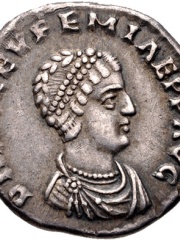
Marcia Euphemia
COMPANION
500 - 401
HPI: 58.90
Helyezés: 54

Sittas
MILITARY PERSONNEL
500 - 538
HPI: 58.89
Helyezés: 55

Arator
WRITER
500 - 543
HPI: 58.63
Helyezés: 56
További személyek, akik a(z) 467. évben hunytak el
Összes rangsor megtekintéseA(z) India rangsorában
A(z) India területén születettek között Skandagupta a(z) 472. helyen áll NaN közül. Előtte állnak: Tina Ambani (1957), Ajith Kumar (1971), Alamgir II (1699), Mehmood (1932), Huseyn Shaheed Suhrawardy (1892), és Rajesh Khanna (1942). Utána következnek: Orde Wingate (1903), Baba Amte (1914), Bahubali (null), Rani Padmini (null), Shudraka (500), és Balbir Singh Sr. (1923).
További személyek, akik India területén születtek
Összes rangsor megtekintése
Tina Ambani
ACTOR
1957 - napjainkig
HPI: 59.27
Helyezés: 466

Ajith Kumar
ACTOR
1971 - napjainkig
HPI: 59.25
Helyezés: 467
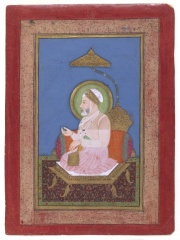
Alamgir II
POLITICIAN
1699 - 1759
HPI: 59.22
Helyezés: 468

Mehmood
ACTOR
1932 - 2004
HPI: 59.21
Helyezés: 469
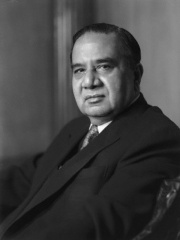
Huseyn Shaheed Suhrawardy
POLITICIAN
1892 - 1963
HPI: 59.20
Helyezés: 470

Rajesh Khanna
ACTOR
1942 - 2012
HPI: 59.17
Helyezés: 471
Skandagupta
POLITICIAN
500 - 467
HPI: 59.17
Helyezés: 472
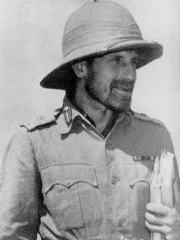
Orde Wingate
MILITARY PERSONNEL
1903 - 1944
HPI: 59.16
Helyezés: 473

Baba Amte
SOCIAL ACTIVIST
1914 - 2008
HPI: 59.15
Helyezés: 474

Bahubali
POLITICIAN
HPI: 59.15
Helyezés: 475
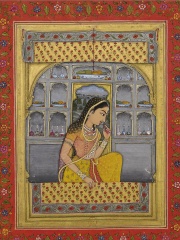
Rani Padmini
POLITICIAN
HPI: 59.13
Helyezés: 476
Shudraka
WRITER
500 - 500
HPI: 59.12
Helyezés: 477
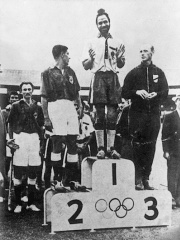
Balbir Singh Sr.
ATHLETE
1923 - 2020
HPI: 59.11
Helyezés: 478
A(z) Politikus között – India
A(z) India területén született Politikus között Skandagupta a(z) 155. helyen áll. Előtte állnak: Mohammad Hidayatullah (1905), Chandra Shekhar (1927), Abdul Rahim Khan-I-Khana (1556), Farrukhsiyar (1685), Alamgir II (1699), és Huseyn Shaheed Suhrawardy (1892). Utána következnek: Bahubali (null), Rani Padmini (null), Lakshmi Sahgal (1914), Sanjay Gandhi (1946), N. Chandrababu Naidu (1950), és Begum Hazrat Mahal (1820).
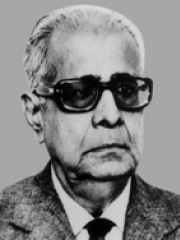
Mohammad Hidayatullah
1905 - 1992
HPI: 59.47
Helyezés: 149
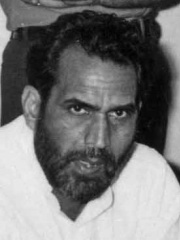
Chandra Shekhar
1927 - 2007
HPI: 59.41
Helyezés: 150
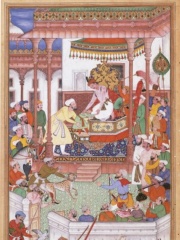
Abdul Rahim Khan-I-Khana
1556 - 1627
HPI: 59.36
Helyezés: 151
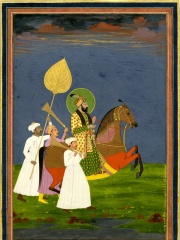
Farrukhsiyar
1685 - 1719
HPI: 59.30
Helyezés: 152
Alamgir II
1699 - 1759
HPI: 59.22
Helyezés: 153
Huseyn Shaheed Suhrawardy
1892 - 1963
HPI: 59.20
Helyezés: 154
Skandagupta
500 - 467
HPI: 59.17
Helyezés: 155
Bahubali
HPI: 59.15
Helyezés: 156
Rani Padmini
HPI: 59.13
Helyezés: 157
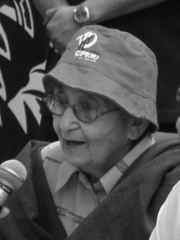
Lakshmi Sahgal
1914 - 2012
HPI: 59.08
Helyezés: 158

Sanjay Gandhi
1946 - 1980
HPI: 58.97
Helyezés: 159

N. Chandrababu Naidu
1950 - napjainkig
HPI: 58.94
Helyezés: 160
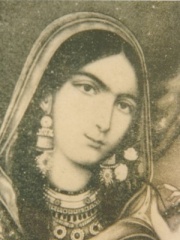
Begum Hazrat Mahal
1820 - 1879
HPI: 58.84
Helyezés: 161




