رسام
Sisto Badalocchio
1585 - حتى اليوم

 Sisto Badalocchio
سيرته الذاتية متاحة بـ16 لغة مختلفة على ويكيبيديا (زيادة من 15 في 2024). يحتل Sisto Badalocchio المرتبة 1,598 بين أكثر رسام شعبيةً (تقدمًا من 1,639 في 2024)، والمرتبة 3,362 بين أكثر السير الذاتية شعبيةً في إيطاليا (تقدمًا من 3,401 في 2019)، كما يحتل المرتبة 256 بين أكثر رسام من إيطاليا شعبيةً.
Memorability Metrics
3.0k
Page Views
Past 12 months
57.44
HPI
Historical Popularity Index
Page views of Sisto Badalocchio by language
Among رسام
Among رسام, Sisto Badalocchio ranks 1,598 out of 2,023. Before him are Fortunato Depero, Jan Fabre, Jacob Gerritsz. Cuyp, Hans Leonhard Schäufelein, Laura Theresa Alma-Tadema, and Chen Jiru. After him are Allan Ramsay, Józef Chełmoński, Levina Teerlinc, Giovanni d'Alemagna, Elizabeth Jane Gardner, and Julia Beck.
Most Popular رسام in Wikipedia
Go to all Rankings
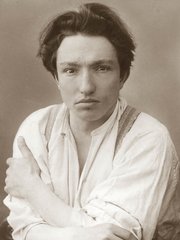
Fortunato Depero
1892 - 1960
HPI: 57.47
Rank: 1,592

Jan Fabre
1958 - Present
HPI: 57.46
Rank: 1,593

Jacob Gerritsz. Cuyp
1594 - 1652
HPI: 57.46
Rank: 1,594

Hans Leonhard Schäufelein
1480 - 1540
HPI: 57.45
Rank: 1,595
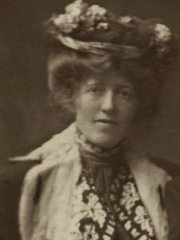
Laura Theresa Alma-Tadema
1852 - 1909
HPI: 57.44
Rank: 1,596

Chen Jiru
1558 - 1639
HPI: 57.44
Rank: 1,597
Sisto Badalocchio
1585 - Present
HPI: 57.44
Rank: 1,598
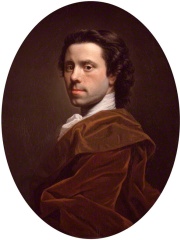
Allan Ramsay
1713 - 1784
HPI: 57.44
Rank: 1,599
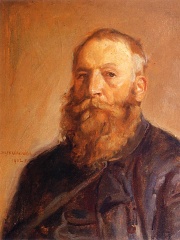
Józef Chełmoński
1849 - 1914
HPI: 57.43
Rank: 1,600
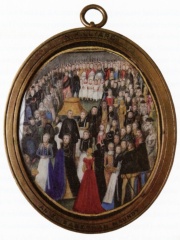
Levina Teerlinc
1510 - 1576
HPI: 57.43
Rank: 1,601

Giovanni d'Alemagna
HPI: 57.43
Rank: 1,602
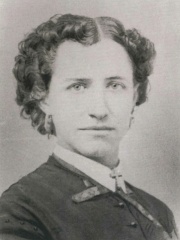
Elizabeth Jane Gardner
1837 - 1922
HPI: 57.41
Rank: 1,603
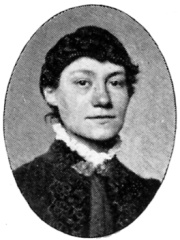
Julia Beck
1853 - 1935
HPI: 57.41
Rank: 1,604

Contemporaries
Among people born in 1585, Sisto Badalocchio ranks 21. Before him are Hamnet Shakespeare, Johann Baptist Cysat, Caspar Bartholin the Elder, Frederick I, Landgrave of Hesse-Homburg, Claude Favre de Vaugelas, and Pedro Teixeira. After him are Squanto, Domenico II Contarini, Gerbrand Bredero, and Francesco Cornaro.
Others Born in 1585
Go to all Rankings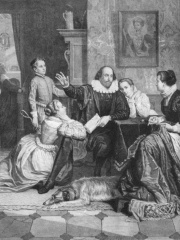
Hamnet Shakespeare
WRITER
1585 - 1596
HPI: 59.88
Rank: 15
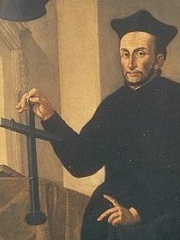
Johann Baptist Cysat
MATHEMATICIAN
1585 - 1657
HPI: 59.70
Rank: 16
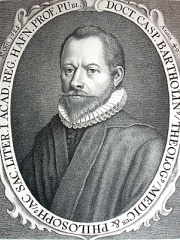
Caspar Bartholin the Elder
PHILOSOPHER
1585 - 1629
HPI: 59.29
Rank: 17
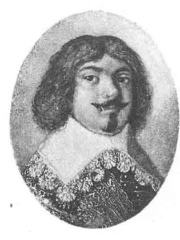
Frederick I, Landgrave of Hesse-Homburg
NOBLEMAN
1585 - 1638
HPI: 58.86
Rank: 18
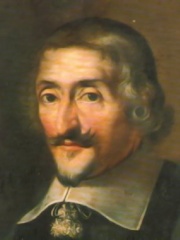
Claude Favre de Vaugelas
WRITER
1585 - 1650
HPI: 58.75
Rank: 19
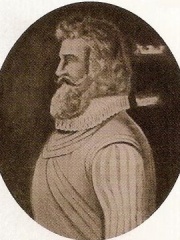
Pedro Teixeira
MILITARY PERSONNEL
1585 - 1641
HPI: 57.90
Rank: 20
Sisto Badalocchio
PAINTER
1585 - Present
HPI: 57.44
Rank: 21
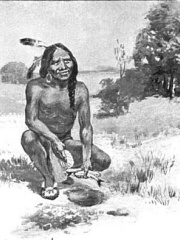
Squanto
RELIGIOUS FIGURE
1585 - 1622
HPI: 57.22
Rank: 22
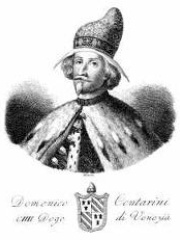
Domenico II Contarini
POLITICIAN
1585 - 1675
HPI: 57.19
Rank: 23
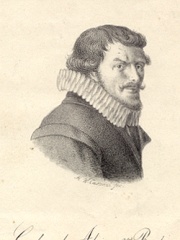
Gerbrand Bredero
WRITER
1585 - 1618
HPI: 55.33
Rank: 24
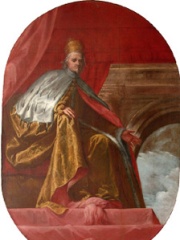
Francesco Cornaro
POLITICIAN
1585 - 1656
HPI: 54.77
Rank: 25
In إيطاليا
Among people born in إيطاليا, Sisto Badalocchio ranks 3,362 out of NaN. Before him are Fortunato Depero (1892), Carlo Alfredo Piatti (1822), Nek (1972), Riccardo Cassin (1909), Ignazio Fabra (1930), and Rodolfo Terlizzi (1896). After him are Guido Gonzaga (1290), Lorenzo Perosi (1872), Teo Fabi (1955), Luigi Simoni (1939), Giovanni d'Alemagna (null), and Amelita Galli-Curci (1882).
Others born in إيطاليا
Go to all RankingsFortunato Depero
PAINTER
1892 - 1960
HPI: 57.47
Rank: 3,356
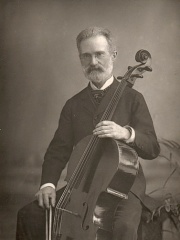
Carlo Alfredo Piatti
MUSICIAN
1822 - 1901
HPI: 57.47
Rank: 3,357

Nek
SINGER
1972 - Present
HPI: 57.46
Rank: 3,358
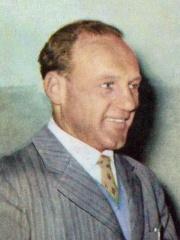
Riccardo Cassin
MOUNTAINEER
1909 - 2009
HPI: 57.45
Rank: 3,359
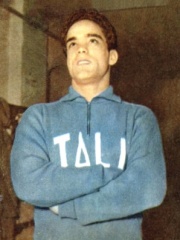
Ignazio Fabra
WRESTLER
1930 - 2008
HPI: 57.45
Rank: 3,360

Rodolfo Terlizzi
ATHLETE
1896 - 1971
HPI: 57.44
Rank: 3,361
Sisto Badalocchio
PAINTER
1585 - Present
HPI: 57.44
Rank: 3,362

Guido Gonzaga
POLITICIAN
1290 - 1369
HPI: 57.44
Rank: 3,363
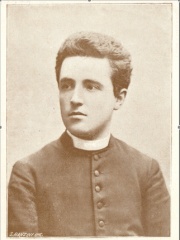
Lorenzo Perosi
COMPOSER
1872 - 1956
HPI: 57.44
Rank: 3,364
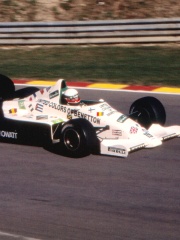
Teo Fabi
RACING DRIVER
1955 - Present
HPI: 57.43
Rank: 3,365
Luigi Simoni
SOCCER PLAYER
1939 - 2020
HPI: 57.43
Rank: 3,366
Giovanni d'Alemagna
PAINTER
HPI: 57.43
Rank: 3,367
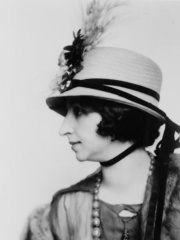
Amelita Galli-Curci
SINGER
1882 - 1963
HPI: 57.42
Rank: 3,368
Among رسام In إيطاليا
Among رسام born in إيطاليا, Sisto Badalocchio ranks 256. Before him are Giacomo Ceruti (1698), Giottino (1324), Paolo Salvati (1939), Bartolomeo della Gatta (1448), Giusto de' Menabuoi (1330), and Fortunato Depero (1892). After him are Giovanni d'Alemagna (null), Fyodor Bruni (1799), Domenico Morelli (1826), Theodoric of Prague (1319), Andrea Benetti (1964), and Francesco Clemente (1952).
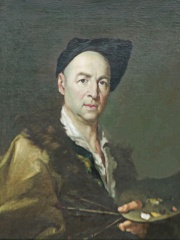
Giacomo Ceruti
1698 - 1767
HPI: 58.52
Rank: 250
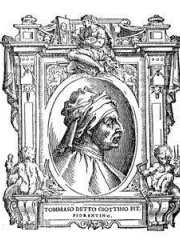
Giottino
1324 - 1357
HPI: 58.12
Rank: 251
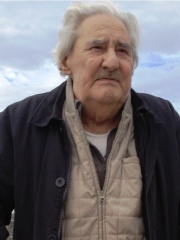
Paolo Salvati
1939 - 2014
HPI: 57.97
Rank: 252

Bartolomeo della Gatta
1448 - 1502
HPI: 57.96
Rank: 253
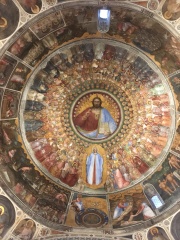
Giusto de' Menabuoi
1330 - 1390
HPI: 57.80
Rank: 254
Fortunato Depero
1892 - 1960
HPI: 57.47
Rank: 255
Sisto Badalocchio
1585 - Present
HPI: 57.44
Rank: 256
Giovanni d'Alemagna
HPI: 57.43
Rank: 257
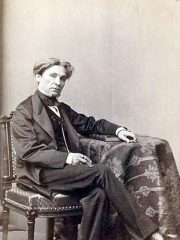
Fyodor Bruni
1799 - 1875
HPI: 57.27
Rank: 258
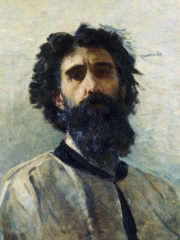
Domenico Morelli
1826 - 1901
HPI: 57.24
Rank: 259
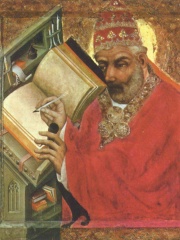
Theodoric of Prague
1319 - 1380
HPI: 57.18
Rank: 260
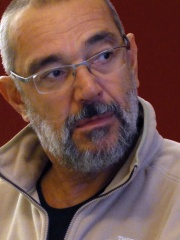
Andrea Benetti
1964 - Present
HPI: 56.41
Rank: 261
Francesco Clemente
1952 - Present
HPI: 56.06
Rank: 262




