Pittore
Francesco Clemente
1952 - presente
VISUALIZZAZIONI SU IT.WIKIPEDIA (PV)
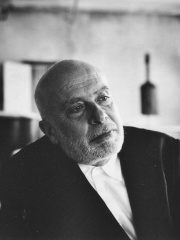
 Francesco Clemente
La sua biografia è disponibile in 20 lingue su Wikipedia (in aumento rispetto a 16 nel 2024). Francesco Clemente è il 1738° pittore più popolare (in aumento dal 1789° nel 2024), la 3649ª biografia più popolare dell'Italia (in aumento dal 3689ª nel 2019) e il 262° pittore più popolare dell'Italia.
Metriche di memorabilità
55k
Visualizzazioni
Ultimi 12 mesi
56.06
HPI
Indice di popolarità storica
Dati in evidenza
23 mar
Francesco Clemente condivide il compleanno (23 marzo) con Akira Kurosawa, Vasily Zaitsev e Pierre-Simon Laplace.
Visualizzazioni della pagina di Francesco Clemente per lingua
Tra Pittore
Tra Pittore, Francesco Clemente occupa la posizione 1,738 su 2,023. Prima di lui ci sono Peder Balke, Antonio de La Gándara, Marie Spartali Stillman, Frits Van den Berghe, Columbano Bordalo Pinheiro, e Alexander Brullov. Dopo di lui ci sono Karl Bodmer, László Paál, Gottfried Honegger, Vassily Maximov, Nikolay Kasatkin, e Carl Frederik von Breda.
Pittore più popolari su Wikipedia
Vai a tutte le classifiche
Peder Balke
1804 - 1887
HPI: 56.11
Posizione: 1,732
Antonio de La Gándara
1861 - 1917
HPI: 56.09
Posizione: 1,733
Marie Spartali Stillman
1844 - 1927
HPI: 56.09
Posizione: 1,734
Frits Van den Berghe
1883 - 1939
HPI: 56.08
Posizione: 1,735
Columbano Bordalo Pinheiro
1857 - 1929
HPI: 56.08
Posizione: 1,736
Alexander Brullov
1798 - 1877
HPI: 56.06
Posizione: 1,737
Francesco Clemente
1952 - presente
HPI: 56.06
Posizione: 1,738
Karl Bodmer
1809 - 1893
HPI: 56.02
Posizione: 1,739

László Paál
1846 - 1879
HPI: 56.02
Posizione: 1,740
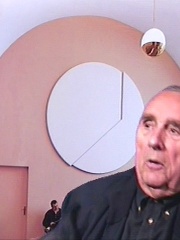
Gottfried Honegger
1917 - 2016
HPI: 56.00
Posizione: 1,741
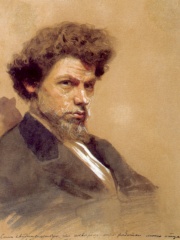
Vassily Maximov
1844 - 1911
HPI: 56.00
Posizione: 1,742
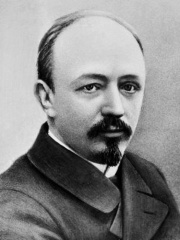
Nikolay Kasatkin
1859 - 1930
HPI: 56.00
Posizione: 1,743
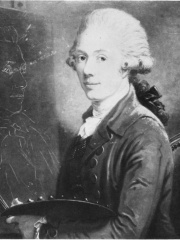
Carl Frederik von Breda
1759 - 1818
HPI: 55.98
Posizione: 1,744

Contemporanei
Tra le persone nate nel 1952, Francesco Clemente occupa la posizione 389. Prima di lui ci sono David Jenkins, Waldemar Victorino, Anton Lesser, Michael Hirst, Herschel Savage, e Lydie Polfer. Dopo di lui ci sono Art Malik, Henrique Mecking, Ketil Bjørnstad, Stellan Bengtsson, Daisuke Gōri, e Valery Khalilov.
Altre persone nate nel 1952
Vai a tutte le classifiche
David Jenkins
ATHLETE
1952 - presente
HPI: 56.33
Posizione: 383
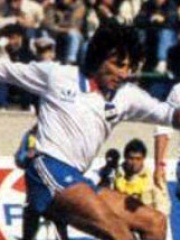
Waldemar Victorino
SOCCER PLAYER
1952 - 2023
HPI: 56.32
Posizione: 384
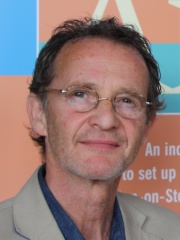
Anton Lesser
ACTOR
1952 - presente
HPI: 56.19
Posizione: 385

Michael Hirst
WRITER
1952 - presente
HPI: 56.19
Posizione: 386
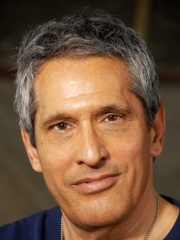
Herschel Savage
PORNOGRAPHIC ACTOR
1952 - 2023
HPI: 56.18
Posizione: 387
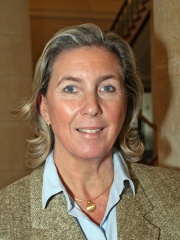
Lydie Polfer
POLITICIAN
1952 - presente
HPI: 56.15
Posizione: 388
Francesco Clemente
PAINTER
1952 - presente
HPI: 56.06
Posizione: 389

Art Malik
ACTOR
1952 - presente
HPI: 56.06
Posizione: 390
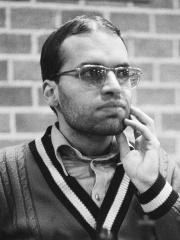
Henrique Mecking
CHESS PLAYER
1952 - presente
HPI: 56.04
Posizione: 391
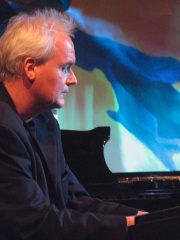
Ketil Bjørnstad
MUSICIAN
1952 - presente
HPI: 56.01
Posizione: 392
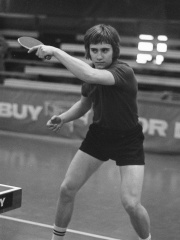
Stellan Bengtsson
TABLE TENNIS PLAYER
1952 - presente
HPI: 56.01
Posizione: 393

Daisuke Gōri
ACTOR
1952 - 2010
HPI: 55.92
Posizione: 394
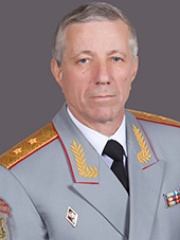
Valery Khalilov
CONDUCTOR
1952 - 2016
HPI: 55.90
Posizione: 395
In Italia
Tra le persone nate in Italia, Francesco Clemente occupa la posizione 3,649 su 5,161. Prima di lui ci sono Cesare Maestri (1929), Antonio Sabàto Jr. (1972), Errico Petrella (1813), Giuseppe Impastato (1948), Gino Bianco (1916), e Federico Chiesa (1997). Dopo di lui ci sono Pino Puglisi (1937), Publius Sempronius Tuditanus (-300), Rossella Falk (1926), Pietro Polani (1098), Antonio Bailetti (1937), e Pietro Bianchi (1883).
Altre persone nate in Italia
Vai a tutte le classifiche
Cesare Maestri
MOUNTAINEER
1929 - 2021
HPI: 56.08
Posizione: 3,643
Antonio Sabàto Jr.
ACTOR
1972 - presente
HPI: 56.08
Posizione: 3,644
Errico Petrella
COMPOSER
1813 - 1877
HPI: 56.08
Posizione: 3,645
Giuseppe Impastato
SOCIAL ACTIVIST
1948 - 1978
HPI: 56.08
Posizione: 3,646
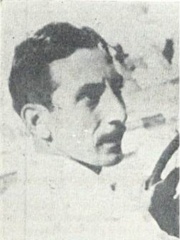
Gino Bianco
RACING DRIVER
1916 - 1984
HPI: 56.08
Posizione: 3,647

Federico Chiesa
SOCCER PLAYER
1997 - presente
HPI: 56.06
Posizione: 3,648
Francesco Clemente
PAINTER
1952 - presente
HPI: 56.06
Posizione: 3,649
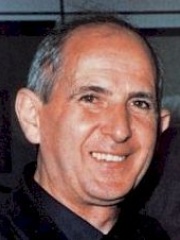
Pino Puglisi
RELIGIOUS FIGURE
1937 - 1993
HPI: 56.06
Posizione: 3,650

Publius Sempronius Tuditanus
POLITICIAN
300 BC - 200 BC
HPI: 56.05
Posizione: 3,651
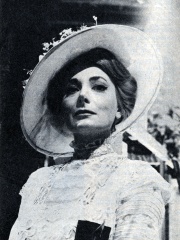
Rossella Falk
ACTOR
1926 - 2013
HPI: 56.04
Posizione: 3,652
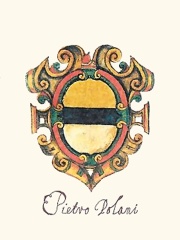
Pietro Polani
POLITICIAN
1098 - 1148
HPI: 56.04
Posizione: 3,653
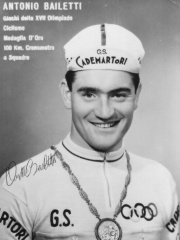
Antonio Bailetti
CYCLIST
1937 - 2025
HPI: 56.03
Posizione: 3,654

Pietro Bianchi
GYMNAST
1883 - 1965
HPI: 56.03
Posizione: 3,655
Tra Pittore in Italia
Tra Pittore nati in Italia, Francesco Clemente occupa la posizione 262. Prima di lui ci sono Sisto Badalocchio (1585), Giovanni d'Alemagna (null), Fyodor Bruni (1799), Domenico Morelli (1826), Theodoric of Prague (1319), e Andrea Benetti (1964). Dopo di lui ci sono Romanino (1485), Maria Cosway (1760), Ben Vautier (1935), Enrico Baj (1924), e Filippo Randazzo (1692).

Sisto Badalocchio
1585 - presente
HPI: 57.44
Posizione: 256

Giovanni d'Alemagna
HPI: 57.43
Posizione: 257
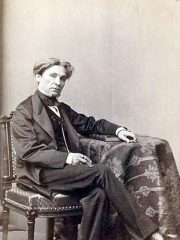
Fyodor Bruni
1799 - 1875
HPI: 57.27
Posizione: 258
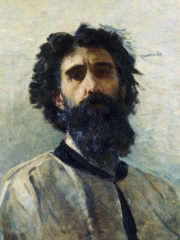
Domenico Morelli
1826 - 1901
HPI: 57.24
Posizione: 259
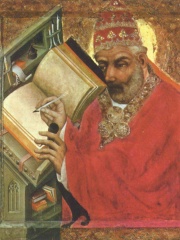
Theodoric of Prague
1319 - 1380
HPI: 57.18
Posizione: 260
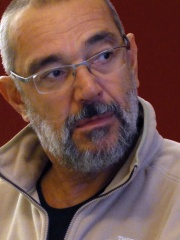
Andrea Benetti
1964 - presente
HPI: 56.41
Posizione: 261
Francesco Clemente
1952 - presente
HPI: 56.06
Posizione: 262
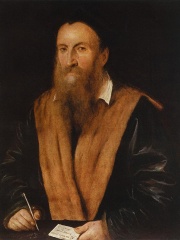
Romanino
1485 - 1566
HPI: 55.62
Posizione: 263
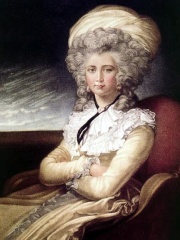
Maria Cosway
1760 - 1838
HPI: 54.48
Posizione: 264
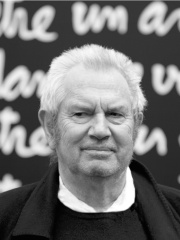
Ben Vautier
1935 - 2024
HPI: 54.45
Posizione: 265
Enrico Baj
1924 - 2003
HPI: 54.28
Posizione: 266

Filippo Randazzo
1692 - 1744
HPI: 39.23
Posizione: 267




