Polityk
Shah Mahmood Qureshi
1956 - obecnie
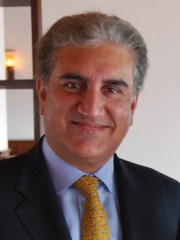

 Shah Mahmood Qureshi
Jego biografia jest dostępna w 18 różnych językach w Wikipedii (wzrost z 17 w 2024 roku). Shah Mahmood Qureshi jest 13584. najpopularniejszym polityk (wzrost z 17948. w 2024 roku), 74. najpopularniejszą biografią Pakistan (wzrost z 142. w 2019 roku) oraz 35. najpopularniejszym polityk Pakistan.
Memorability Metrics
52k
Page Views
Past 12 months
57.65
HPI
Historical Popularity Index
Page views of Shah Mahmood Qureshi by language
Among Polityks
Among polityks, Shah Mahmood Qureshi ranks 13,578 out of 19,576. Before him are Alcmenes, Karl Schenk, Kristen Michal, Robert of Chester, King Weilie of Zhou, and Daniel Salamanca Urey. After him are Michele Morosini, Philipp Etter, Princess Louise of Saxe-Gotha-Altenburg, Richard Neville, 5th Earl of Salisbury, Teutberga, and Giuseppe Bottai.
Most Popular Polityks in Wikipedia
Go to all Rankings

Alcmenes
HPI: 57.66
Rank: 13,578
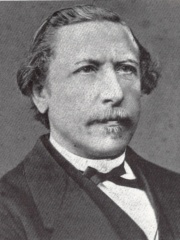
Karl Schenk
1823 - 1895
HPI: 57.65
Rank: 13,579

Kristen Michal
1975 - Present
HPI: 57.65
Rank: 13,580

Robert of Chester
1200 - 1200
HPI: 57.65
Rank: 13,581

King Weilie of Zhou
HPI: 57.65
Rank: 13,582
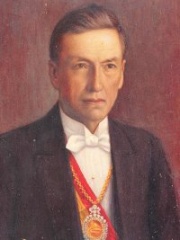
Daniel Salamanca Urey
1869 - 1935
HPI: 57.65
Rank: 13,583
Shah Mahmood Qureshi
1956 - Present
HPI: 57.65
Rank: 13,584
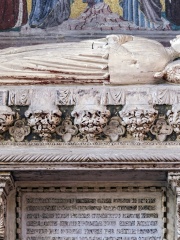
Michele Morosini
1308 - 1382
HPI: 57.65
Rank: 13,585
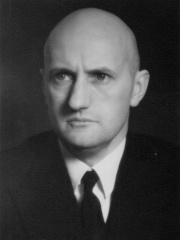
Philipp Etter
1891 - 1977
HPI: 57.65
Rank: 13,586
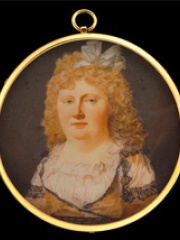
Princess Louise of Saxe-Gotha-Altenburg
1756 - 1808
HPI: 57.65
Rank: 13,587
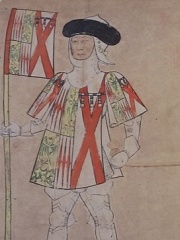
Richard Neville, 5th Earl of Salisbury
1400 - 1460
HPI: 57.64
Rank: 13,588

Teutberga
900 - 875
HPI: 57.64
Rank: 13,589
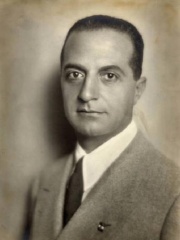
Giuseppe Bottai
1895 - 1959
HPI: 57.64
Rank: 13,590

Contemporaries
Among people born in 1956, Shah Mahmood Qureshi ranks 251. Before him are David Card, Roberto Malone, Vladislav Listyev, Justin Welby, Pierre-Louis Lions, and Yiannis Kouros. After him are Mark St. John, Thomas Wassberg, Takeshi Okada, Al Corley, John Wells, and Ri Yong-ho.
Others Born in 1956
Go to all Rankings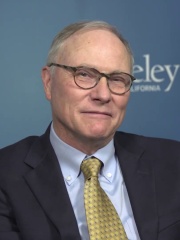
David Card
ECONOMIST
1956 - Present
HPI: 57.95
Rank: 245
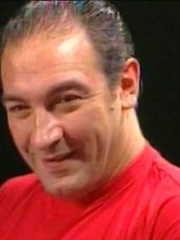
Roberto Malone
PORNOGRAPHIC ACTOR
1956 - Present
HPI: 57.87
Rank: 246
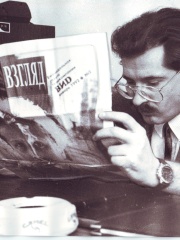
Vladislav Listyev
JOURNALIST
1956 - 1995
HPI: 57.87
Rank: 247
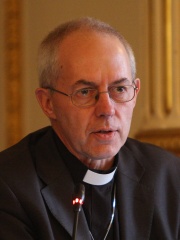
Justin Welby
RELIGIOUS FIGURE
1956 - Present
HPI: 57.76
Rank: 248
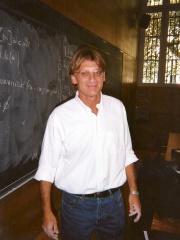
Pierre-Louis Lions
MATHEMATICIAN
1956 - Present
HPI: 57.75
Rank: 249
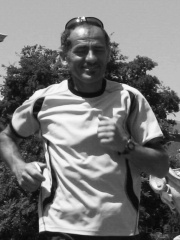
Yiannis Kouros
ATHLETE
1956 - Present
HPI: 57.66
Rank: 250
Shah Mahmood Qureshi
POLITICIAN
1956 - Present
HPI: 57.65
Rank: 251
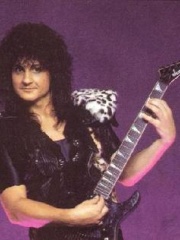
Mark St. John
MUSICIAN
1956 - 2007
HPI: 57.64
Rank: 252

Thomas Wassberg
SKIER
1956 - Present
HPI: 57.60
Rank: 253

Takeshi Okada
SOCCER PLAYER
1956 - Present
HPI: 57.56
Rank: 254

Al Corley
ACTOR
1956 - Present
HPI: 57.52
Rank: 255
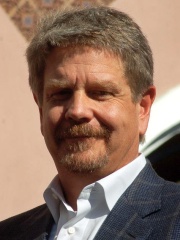
John Wells
PRODUCER
1956 - Present
HPI: 57.50
Rank: 256
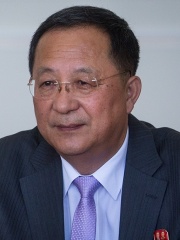
Ri Yong-ho
DIPLOMAT
1956 - 2022
HPI: 57.49
Rank: 257
In Pakistan
Among people born in Pakistan, Shah Mahmood Qureshi ranks 74 out of NaN. Before him are Taxiles (-400), Tariq Ali (1943), Manoj Kumar (1937), Bilawal Bhutto Zardari (1988), Shyama (1935), and Fazal Ilahi Chaudhry (1904). After him are L. K. Advani (1927), Faiz Ahmad Faiz (1911), Fazlur Rahman Malik (1919), Sunil Dutt (1929), Milkha Singh (1935), and J. B. Kripalani (1888).
Others born in Pakistan
Go to all Rankings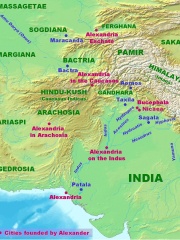
Taxiles
POLITICIAN
400 BC - 360 BC
HPI: 59.17
Rank: 68
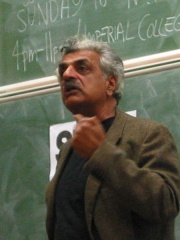
Tariq Ali
WRITER
1943 - Present
HPI: 59.15
Rank: 69
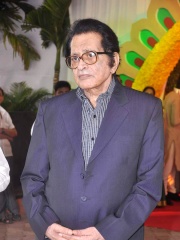
Manoj Kumar
ACTOR
1937 - 2025
HPI: 58.80
Rank: 70
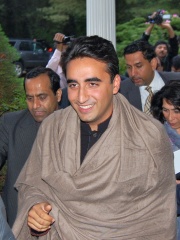
Bilawal Bhutto Zardari
POLITICIAN
1988 - Present
HPI: 58.60
Rank: 71
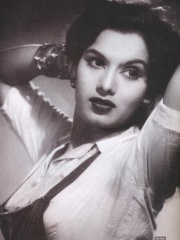
Shyama
ACTOR
1935 - 2017
HPI: 58.58
Rank: 72
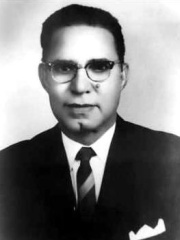
Fazal Ilahi Chaudhry
POLITICIAN
1904 - 1982
HPI: 58.23
Rank: 73
Shah Mahmood Qureshi
POLITICIAN
1956 - Present
HPI: 57.65
Rank: 74
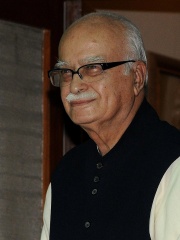
L. K. Advani
POLITICIAN
1927 - Present
HPI: 57.64
Rank: 75
Faiz Ahmad Faiz
WRITER
1911 - 1984
HPI: 57.45
Rank: 76

Fazlur Rahman Malik
PHILOSOPHER
1919 - 1988
HPI: 57.45
Rank: 77
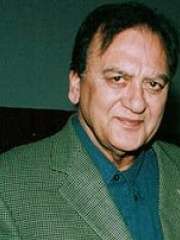
Sunil Dutt
ACTOR
1929 - 2005
HPI: 57.28
Rank: 78
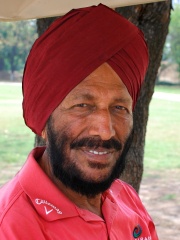
Milkha Singh
ATHLETE
1935 - 2021
HPI: 57.09
Rank: 79
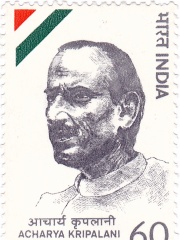
J. B. Kripalani
POLITICIAN
1888 - 1982
HPI: 57.00
Rank: 80
Among Polityks In Pakistan
Among polityks born in Pakistan, Shah Mahmood Qureshi ranks 35. Before him are Khawaja Asif (1949), Muhammad Rafiq Tarar (1929), Farooq Leghari (1940), Taxiles (-400), Bilawal Bhutto Zardari (1988), and Fazal Ilahi Chaudhry (1904). After him are L. K. Advani (1927), J. B. Kripalani (1888), Duleep Singh (1838), Muhammad Mian Soomro (1950), Maryam Nawaz (1973), and Anwaar ul Haq Kakar (1971).
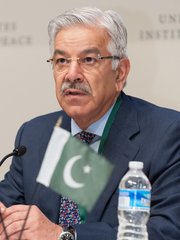
Khawaja Asif
1949 - Present
HPI: 61.43
Rank: 29
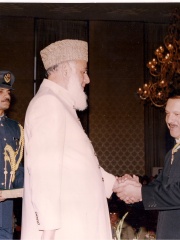
Muhammad Rafiq Tarar
1929 - 2022
HPI: 61.15
Rank: 30
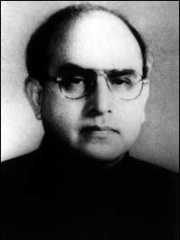
Farooq Leghari
1940 - 2010
HPI: 59.84
Rank: 31
Taxiles
400 BC - 360 BC
HPI: 59.17
Rank: 32
Bilawal Bhutto Zardari
1988 - Present
HPI: 58.60
Rank: 33
Fazal Ilahi Chaudhry
1904 - 1982
HPI: 58.23
Rank: 34
Shah Mahmood Qureshi
1956 - Present
HPI: 57.65
Rank: 35
L. K. Advani
1927 - Present
HPI: 57.64
Rank: 36
J. B. Kripalani
1888 - 1982
HPI: 57.00
Rank: 37
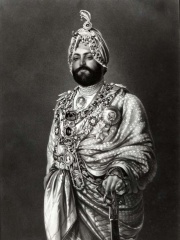
Duleep Singh
1838 - 1893
HPI: 56.30
Rank: 38
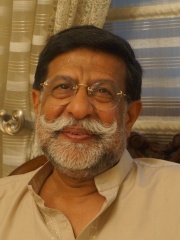
Muhammad Mian Soomro
1950 - Present
HPI: 55.93
Rank: 39
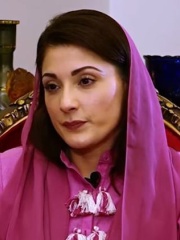
Maryam Nawaz
1973 - Present
HPI: 55.79
Rank: 40
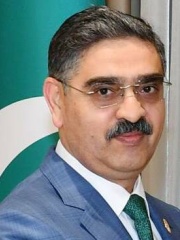
Anwaar ul Haq Kakar
1971 - Present
HPI: 54.86
Rank: 41




