Politikus
Serge Telle
1955 - napjainkig
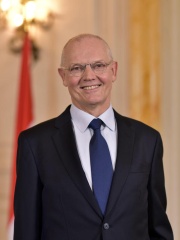
 Serge Telle
Életrajza 24 különböző nyelven érhető el a Wikipédián. Serge Telle a 15,510th legnépszerűbb politikus (csökkenés a 14,491st-ről 2024-ben), a 4,712th legnépszerűbb életrajz Franciaország országából (csökkenés a 4,436th-ről 2019-ben) és a 870th legnépszerűbb Franciaországból politikus.
Ismertségi mutatók
8.0k
Oldalmegtekintések
Elmúlt 12 hónap
54.93
HPI
Történelmi népszerűségi index
Serge Telle oldalmegtekintései nyelvenként
A(z) Politikus között
A(z) Politikus között Serge Telle a(z) 15,503. helyen áll 19,576 közül. Előtte állnak: Nicolás Ardito Barletta Vallarino, Mizuho Fukushima, Vernon A. Walters, William Warham, Nabu-nadin-zeri, és Lucius Valerius Flaccus. Utána következnek: Christophe Mirmand, Victor Duruy, Theodoros Diligiannis, Axel Nordlander, Marju Lauristin, és István Bittó.
A legnépszerűbb Politikus a Wikipédián
Összes rangsor megtekintése
Nicolás Ardito Barletta Vallarino
1938 - napjainkig
HPI: 54.93
Helyezés: 15,504

Mizuho Fukushima
1955 - napjainkig
HPI: 54.93
Helyezés: 15,505
Vernon A. Walters
1917 - 2002
HPI: 54.93
Helyezés: 15,506
William Warham
1450 - 1532
HPI: 54.93
Helyezés: 15,507

Nabu-nadin-zeri
800 BC - 800 BC
HPI: 54.93
Helyezés: 15,508

Lucius Valerius Flaccus
240 BC - 180 BC
HPI: 54.93
Helyezés: 15,509
Serge Telle
1955 - napjainkig
HPI: 54.93
Helyezés: 15,510
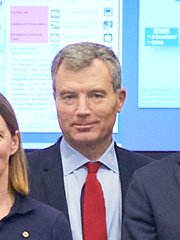
Christophe Mirmand
1961 - napjainkig
HPI: 54.93
Helyezés: 15,511
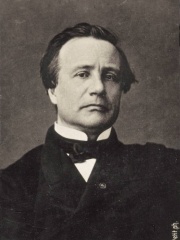
Victor Duruy
1811 - 1894
HPI: 54.92
Helyezés: 15,512
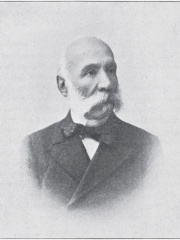
Theodoros Diligiannis
1820 - 1905
HPI: 54.92
Helyezés: 15,513
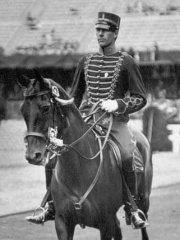
Axel Nordlander
1879 - 1962
HPI: 54.92
Helyezés: 15,514

Marju Lauristin
1940 - napjainkig
HPI: 54.91
Helyezés: 15,515
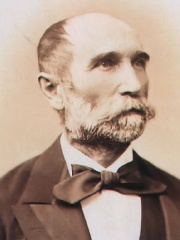
István Bittó
1822 - 1903
HPI: 54.91
Helyezés: 15,516

Kortársak
A(z) 1955. évben születettek között Serge Telle a(z) 355. helyen áll. Előtte állnak: Mary Beard, Bill Condon, Kevin Conroy, Yousra, Linda Watson, és Mizuho Fukushima. Utána következnek: Dawood Ibrahim, William Kentridge, Sandra Bernhard, Indra Nooyi, Susan Dougan, és Rolf Løvland.
További személyek, akik a(z) 1955. évben születtek
Összes rangsor megtekintése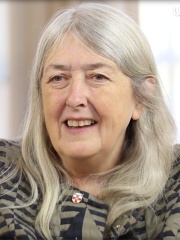
Mary Beard
HISTORIAN
1955 - napjainkig
HPI: 55.02
Helyezés: 349

Bill Condon
FILM DIRECTOR
1955 - napjainkig
HPI: 55.00
Helyezés: 350

Kevin Conroy
ACTOR
1955 - 2022
HPI: 54.98
Helyezés: 351

Yousra
ACTOR
1955 - napjainkig
HPI: 54.97
Helyezés: 352

Linda Watson
ATHLETE
1955 - napjainkig
HPI: 54.95
Helyezés: 353
Mizuho Fukushima
POLITICIAN
1955 - napjainkig
HPI: 54.93
Helyezés: 354
Serge Telle
POLITICIAN
1955 - napjainkig
HPI: 54.93
Helyezés: 355

Dawood Ibrahim
EXTREMIST
1955 - napjainkig
HPI: 54.91
Helyezés: 356
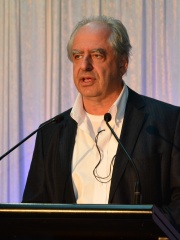
William Kentridge
PAINTER
1955 - napjainkig
HPI: 54.89
Helyezés: 357
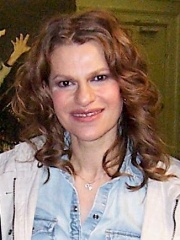
Sandra Bernhard
ACTOR
1955 - napjainkig
HPI: 54.89
Helyezés: 358
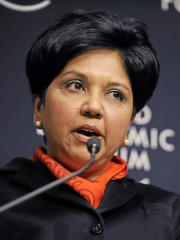
Indra Nooyi
BUSINESSPERSON
1955 - napjainkig
HPI: 54.86
Helyezés: 359
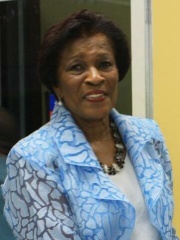
Susan Dougan
PUBLIC WORKER
1955 - napjainkig
HPI: 54.85
Helyezés: 360

Rolf Løvland
MUSICIAN
1955 - napjainkig
HPI: 54.83
Helyezés: 361
A(z) Franciaország rangsorában
A(z) Franciaország területén születettek között Serge Telle a(z) 4,712. helyen áll NaN közül. Előtte állnak: Noël Liétaer (1908), Cyril Raffaelli (1974), Anna Kavan (1901), Gaston Bonnier (1853), Mathieu Flamini (1984), és Agnès Callamard (1964). Utána következnek: Victor Duruy (1811), Kate Gillou (1887), Jules Arsène Arnaud Claretie (1840), Cyrille Guimard (1947), Serge Blusson (1928), és Sabri Lamouchi (1971).
További személyek, akik Franciaország területén születtek
Összes rangsor megtekintése
Noël Liétaer
SOCCER PLAYER
1908 - 1941
HPI: 54.95
Helyezés: 4,706

Cyril Raffaelli
ACTOR
1974 - napjainkig
HPI: 54.95
Helyezés: 4,707
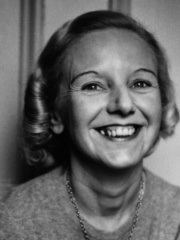
Anna Kavan
WRITER
1901 - 1968
HPI: 54.95
Helyezés: 4,708
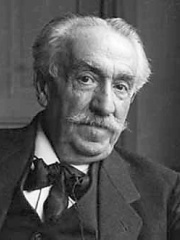
Gaston Bonnier
BIOLOGIST
1853 - 1922
HPI: 54.95
Helyezés: 4,709

Mathieu Flamini
SOCCER PLAYER
1984 - napjainkig
HPI: 54.94
Helyezés: 4,710

Agnès Callamard
SOCIAL ACTIVIST
1964 - napjainkig
HPI: 54.93
Helyezés: 4,711
Serge Telle
POLITICIAN
1955 - napjainkig
HPI: 54.93
Helyezés: 4,712
Victor Duruy
POLITICIAN
1811 - 1894
HPI: 54.92
Helyezés: 4,713
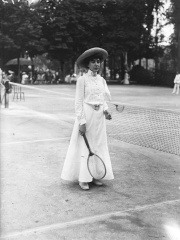
Kate Gillou
TENNIS PLAYER
1887 - 1964
HPI: 54.92
Helyezés: 4,714
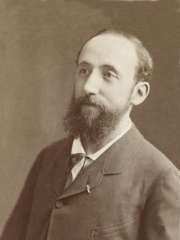
Jules Arsène Arnaud Claretie
WRITER
1840 - 1913
HPI: 54.92
Helyezés: 4,715
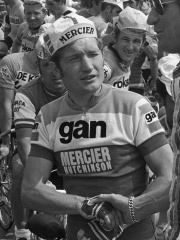
Cyrille Guimard
CYCLIST
1947 - napjainkig
HPI: 54.91
Helyezés: 4,716

Serge Blusson
CYCLIST
1928 - 1994
HPI: 54.90
Helyezés: 4,717

Sabri Lamouchi
SOCCER PLAYER
1971 - napjainkig
HPI: 54.90
Helyezés: 4,718
A(z) Politikus között – Franciaország
A(z) Franciaország területén született Politikus között Serge Telle a(z) 870. helyen áll. Előtte állnak: Alain Peyrefitte (1925), Arlette Laguiller (1940), François Asselineau (1957), Hubert Védrine (1947), Nicolas Alfonsi (1936), és Valérie Pécresse (1967). Utána következnek: Victor Duruy (1811), Hervé de Charette (1938), Alain Krivine (1941), Robert Buron (1910), Jean-Louis Borloo (1951), és Alphonse Henri d'Hautpoul (1789).
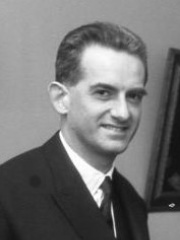
Alain Peyrefitte
1925 - 1999
HPI: 55.47
Helyezés: 864
Arlette Laguiller
1940 - napjainkig
HPI: 55.30
Helyezés: 865
François Asselineau
1957 - napjainkig
HPI: 55.23
Helyezés: 866
Hubert Védrine
1947 - napjainkig
HPI: 55.17
Helyezés: 867

Nicolas Alfonsi
1936 - 2020
HPI: 55.06
Helyezés: 868

Valérie Pécresse
1967 - napjainkig
HPI: 54.98
Helyezés: 869
Serge Telle
1955 - napjainkig
HPI: 54.93
Helyezés: 870
Victor Duruy
1811 - 1894
HPI: 54.92
Helyezés: 871

Hervé de Charette
1938 - napjainkig
HPI: 54.81
Helyezés: 872
Alain Krivine
1941 - 2022
HPI: 54.74
Helyezés: 873
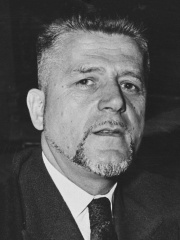
Robert Buron
1910 - 1973
HPI: 54.72
Helyezés: 874

Jean-Louis Borloo
1951 - napjainkig
HPI: 54.66
Helyezés: 875
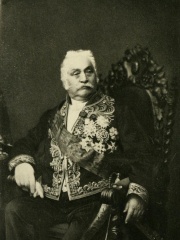
Alphonse Henri d'Hautpoul
1789 - 1865
HPI: 54.60
Helyezés: 876




