Politicien
Scipion l'Africain
235 BC - 183 BC
PAGES VUES SUR FR.WIKIPEDIA (PV)
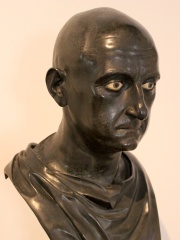
 Scipion l'Africain
Sa biographie est disponible en 65 langues sur Wikipédia (en hausse par rapport à 64 en 2024). Scipion l'Africain est le 581st politicien le plus populaire (en baisse du 394th en 2024), la 279th biographie la plus populaire d'Italie (en baisse du 181st en 2019), ainsi que le 44th politicien d'Italie le plus populaire.
Indicateurs de mémorabilité
890k
Pages vues
12 derniers mois
78.45
HPI
Indice de popularité historique
Faits marquants
#581 / 20k
Scipion l'Africain se classe n° 581 sur 20,022 Politicien dans le monde, dans le top 3 % de la profession.
65
La biographie de Scipion l'Africain figure dans 65 éditions linguistiques de Wikipédia, plus que 95 % de l'ensemble des Politicien.
Pages vues de Scipion l'Africain par langue
Parmi les Politicien
Parmi les Politicien, Scipion l'Africain occupe le rang 581 sur 20,022. Avant lui viennent Władysław II Jagiełło, Suharto, Faisal of Saudi Arabia, Mohamed Morsi, Robert Gascoyne-Cecil, 3rd Marquess of Salisbury, et Atahualpa. Après lui viennent Patrice Lumumba, Yongle Emperor, Theodora Porphyrogenita, Nur ad-Din, Rurik, et Charles XV of Sweden.
Politicien les plus populaires sur Wikipédia
Voir tous les classements
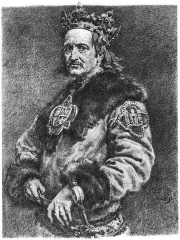
Władysław II Jagiełło
1362 - 1434
HPI : 78.54
Rang : 575
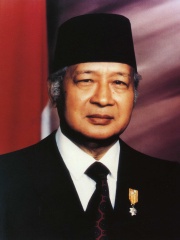
Suharto
1921 - 2008
HPI : 78.54
Rang : 576

Faisal of Saudi Arabia
1906 - 1975
HPI : 78.51
Rang : 577

Mohamed Morsi
1951 - 2019
HPI : 78.48
Rang : 578
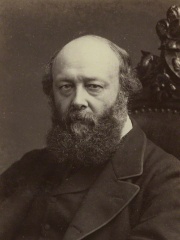
Robert Gascoyne-Cecil, 3rd Marquess of Salisbury
1830 - 1903
HPI : 78.48
Rang : 579
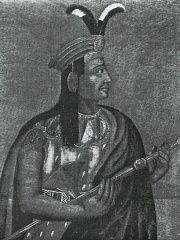
Atahualpa
1502 - 1533
HPI : 78.46
Rang : 580
Scipio Africanus
235 BC - 183 BC
HPI : 78.45
Rang : 581
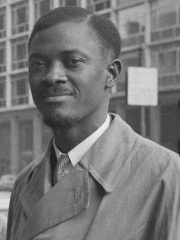
Patrice Lumumba
1925 - 1961
HPI : 78.45
Rang : 582
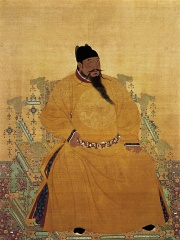
Yongle Emperor
1360 - 1424
HPI : 78.44
Rang : 583
Theodora Porphyrogenita
984 - 1056
HPI : 78.43
Rang : 584
Nur ad-Din
1116 - 1174
HPI : 78.41
Rang : 585
Rurik
830 - 879
HPI : 78.40
Rang : 586
Charles XV of Sweden
1826 - 1872
HPI : 78.39
Rang : 587

Contemporains
Parmi les personnes nées en 235 BC, Scipion l'Africain occupe le rang 1. Parmi les personnes décédées en 183 BC, Scipion l'Africain occupe le rang 2. Avant lui vient Hannibal. Après lui viennent Philopoemen, Lucius Cornelius Scipio Asiaticus, Publius Licinius Crassus Dives, et Agesipolis III.
Autres personnes nées en 235 BC
Voir tous les classementsAutres personnes décédées en 183 BC
Voir tous les classements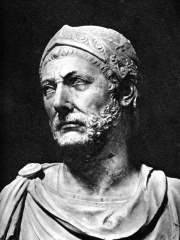
Hannibal
POLITICIAN
247 BC - 183 BC
HPI : 86.62
Rang : 1
Scipio Africanus
POLITICIAN
235 BC - 183 BC
HPI : 78.45
Rang : 2
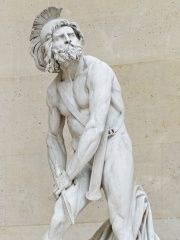
Philopoemen
POLITICIAN
253 BC - 183 BC
HPI : 67.15
Rang : 3

Lucius Cornelius Scipio Asiaticus
POLITICIAN
232 BC - 183 BC
HPI : 63.69
Rang : 4

Publius Licinius Crassus Dives
POLITICIAN
300 BC - 183 BC
HPI : 57.29
Rang : 5

Agesipolis III
POLITICIAN
242 BC - 183 BC
HPI : 54.28
Rang : 6
En Italie
Parmi les personnes nées en Italie, Scipion l'Africain occupe le rang 279 sur 5,905. Avant lui viennent Pope Leo IV (790), Pope Paul II (1417), Pope Innocent IV (1195), Bernardo Bertolucci (1941), Arcangelo Corelli (1653), et Pope Celestine IV (1200). Après lui viennent Giovanni Domenico Cassini (1625), Luchino Visconti (1906), Vitus (290), Pietro Perugino (1446), Cosimo de' Medici (1389), et Pope Eugene I (600).
Autres personnes nées en Italie
Voir tous les classements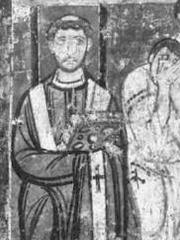
Pope Leo IV
RELIGIOUS FIGURE
790 - 855
HPI : 78.52
Rang : 273
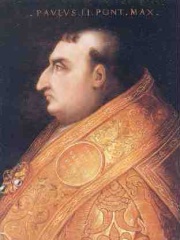
Pope Paul II
RELIGIOUS FIGURE
1417 - 1471
HPI : 78.50
Rang : 274

Pope Innocent IV
RELIGIOUS FIGURE
1195 - 1254
HPI : 78.50
Rang : 275

Bernardo Bertolucci
FILM DIRECTOR
1941 - 2018
HPI : 78.50
Rang : 276
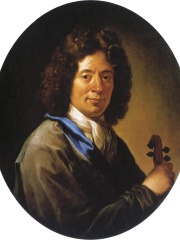
Arcangelo Corelli
MUSICIAN
1653 - 1713
HPI : 78.49
Rang : 277
Pope Celestine IV
RELIGIOUS FIGURE
1200 - 1241
HPI : 78.49
Rang : 278
Scipio Africanus
POLITICIAN
235 BC - 183 BC
HPI : 78.45
Rang : 279
Giovanni Domenico Cassini
ASTRONOMER
1625 - 1712
HPI : 78.44
Rang : 280
Luchino Visconti
FILM DIRECTOR
1906 - 1976
HPI : 78.42
Rang : 281
Vitus
RELIGIOUS FIGURE
290 - 303
HPI : 78.41
Rang : 282
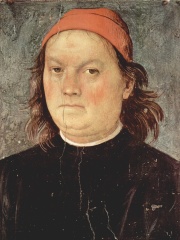
Pietro Perugino
PAINTER
1446 - 1523
HPI : 78.38
Rang : 283
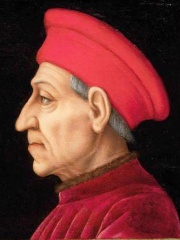
Cosimo de' Medici
BUSINESSPERSON
1389 - 1464
HPI : 78.37
Rang : 284
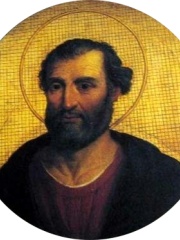
Pope Eugene I
RELIGIOUS FIGURE
600 - 657
HPI : 78.33
Rang : 285
Parmi les Politicien en Italie
Parmi les Politicien nés en Italie, Scipion l'Africain occupe le rang 44. Avant lui viennent Didius Julianus (133), Pertinax (126), Vitellius (15), Otho (32), Florianus (232), et Servius Tullius (-600). Après lui viennent Cosimo I de' Medici, Grand Duke of Tuscany (1519), Lucius Tarquinius Priscus (-700), Giuseppe Mazzini (1805), Lucius Quinctius Cincinnatus (-519), Umberto I of Italy (1844), et Valentinian III (419).
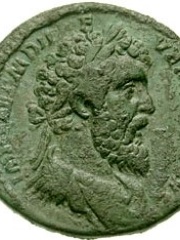
Didius Julianus
133 - 193
HPI : 79.76
Rang : 38
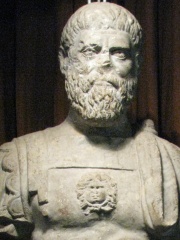
Pertinax
126 - 193
HPI : 79.52
Rang : 39
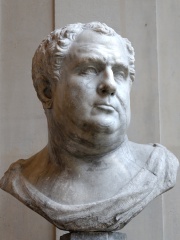
Vitellius
15 - 69
HPI : 79.40
Rang : 40
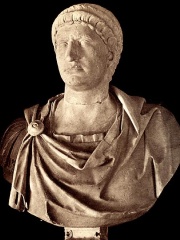
Otho
32 - 69
HPI : 79.11
Rang : 41
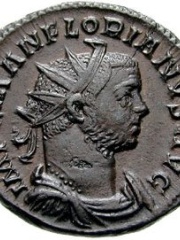
Florianus
232 - 276
HPI : 78.93
Rang : 42
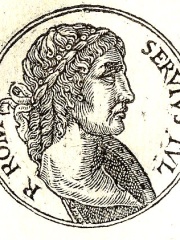
Servius Tullius
600 BC - 535 BC
HPI : 78.78
Rang : 43
Scipio Africanus
235 BC - 183 BC
HPI : 78.45
Rang : 44
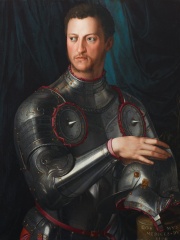
Cosimo I de' Medici, Grand Duke of Tuscany
1519 - 1574
HPI : 78.12
Rang : 45
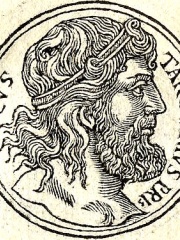
Lucius Tarquinius Priscus
700 BC - 579 BC
HPI : 77.72
Rang : 46
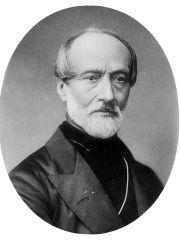
Giuseppe Mazzini
1805 - 1872
HPI : 77.48
Rang : 47
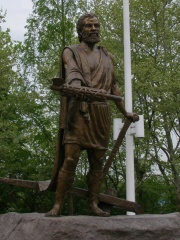
Lucius Quinctius Cincinnatus
519 BC - 430 BC
HPI : 77.45
Rang : 48
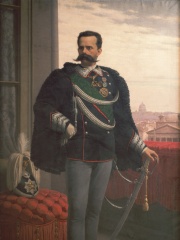
Umberto I of Italy
1844 - 1900
HPI : 77.44
Rang : 49
Valentinian III
419 - 455
HPI : 77.39
Rang : 50




